
Listen to this article
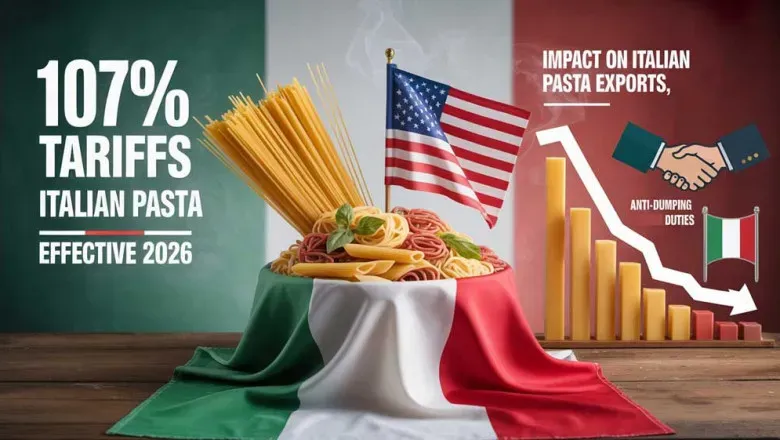
Italian pasta tariffs are in the spotlight as the U.S. proposes significant cuts to the previously threatened import taxes on pasta from Italy. These taxes, which risked exceeding the actual cost of pasta, would have led to a troubling price increase for American consumers. In a recent announcement, the Italian foreign ministry expressed relief as the U.S. government acknowledged the constructive dialogue with Italian pasta producers, leading to a considerable reduction in proposed tariffs. Previously set to be as high as 92%, certain rates are now significantly lower, easing the burden on pasta imports and potentially stabilizing prices in the marketplace. As discussions around U.S. tariffs on pasta continue, many are relieved that the outcome may prevent a detrimental rise in pasta prices for American households.
The issue surrounding import taxes on Italian pasta has become an important topic of discussion in recent weeks. With the ongoing modifications in tariff policies, the landscape of Italian food imports into the U.S. is shifting dramatically. Following a significant reduction in suggested duties, importers and consumers alike are speculating on how these changes might impact pasta availability and pricing in American stores. The rollback of proposed tariffs not only reflects improved relations between countries but also the economic implications of trade practices that may have previously threatened local food markets. As the U.S. navigates these complex trade issues, understanding the nuances of tariff reduction offers insights into the future of imported goods.
Understanding the Impact of US Tariffs on Pasta Imports
The recent decision by the US government to cut proposed tariffs on Italian pasta imports has been a significant development for both American consumers and Italian manufacturers. Initially, the administration had indicated intentions to impose tariffs as high as 92% on certain pasta brands, which would have dramatically increased prices for consumers. This unique situation highlights the delicate balance between protecting local industries and ensuring that consumers are not faced with exorbitantly high import taxes on staple goods like pasta.
With the proposed tariff rate now significantly reduced, the discussion around US tariffs on pasta has taken a more favorable turn for consumers. The reduction has alleviated concerns regarding potential price spikes, allowing Italian pasta to remain competitively priced in the market. It is critical for consumers to keep track of these changes to understand their implications on pasta prices and availability, especially considering the current economic climate that has already posed challenges to food affordability.
The Role of Tariff Reductions in Trade Relations
Tariff reductions play a crucial role in shaping international trade relations, particularly between the US and Italy regarding pasta imports. Diplomatic and economic negotiations can heavily influence tariff rates, leading to potential benefits for consumers and producers alike. The recent rollback of the proposed tariff on Italian pasta has been portrayed as a victory for diplomacy, showcasing how constructive engagement between nations can mitigate adverse economic impacts.
Reducing tariffs can encourage more robust trade partnerships, leading to increased availability of products in the market while helping maintain reasonable pricing for consumers. As we advance, continued dialogue between the US and Italian authorities will be essential in nurturing this relationship and ensuring that both American consumers and Italian pasta producers benefit from a more open and fair trading environment.
The Economic Ramifications of Import Taxes on Pasta
Import taxes, such as those proposed under strict tariffs, typically have complex economic ramifications that extend beyond immediate consumer pricing. The potential for substantial import taxes on pasta could have placed a financial burden on consumers, leading to increased costs of living. Additionally, there is a risk that such measures would negatively impact small businesses reliant on imported goods, creating a ripple effect throughout the economy.
Moreover, economists have frequently voiced concerns that high tariffs do not merely affect market pricing but can lead to a reduction in consumer choice. Should import taxes become excessive, it could result in a limited availability of diverse pasta options, impacting the overall dining experience for American consumers. Thus, the rollback of these proposed tariffs serves not only as a relief for prices but also as an alleviation of the potential economic strain placed on consumers.
The Concerns Over ‘Dumping’ Practices
The concerns raised by the US regarding Italian pasta imports were centered around allegations of ‘dumping.’ This term refers to the practice where products are sold at unfairly low prices, undercutting local industries. The US Commerce Department previously claimed that pasta from 13 Italian companies was sold at less than the normal market value, prompting discussions about the necessity of tariffs as a form of protectionism. This claim spurred a fierce debate about fair trade practices and competitive pricing.
While the motivation behind investigating dumping practices is to protect American manufacturers, it is vital to consider the effects on the global market landscape. Tariffs as a response to claims of dumping must be balanced carefully to avoid detrimental impacts on consumer prices and product availability. The recent development in the tariff reduction indicates a possible shift towards a more equitable approach in handling such trade disputes, promoting fair competition rather than punitive measures.
The Political Landscape Surrounding Pasta Tariffs
The political dynamics around the issue of Italian pasta tariffs illustrate how international trade policies can influence diplomatic relations. Italian Prime Minister Giorgia Meloni’s relationship with the Trump administration highlights the complexities of balancing national interests with global trade agreements. The proposed tariff increase faced backlash not just from consumers but also from political figures who feared the implications for Italy’s economic standing and its strategic ties with the US.
This situation emphasizes the intertwined nature of trade policy and international relations. The cooling of proposed tariff rates reflects an understanding by both nations of the importance of maintaining good relations, particularly during challenging global economic times. An effective trade policy should aim to reduce inflationary pressures on essential goods while fostering mutually beneficial partnerships between trade nations.
Implications for Consumers Following Tariff Reductions
The implications of reduced tariffs on Italian pasta imports largely fall into positive territory for consumers. With the new, significantly lower tariff rates, pasta prices are expected to stabilize or even decrease, promoting affordability for households that rely on this staple food. Consumers can look forward to maintaining access to a diverse array of high-quality Italian pasta without the burden of exorbitant import taxes that were initially proposed.
Furthermore, as consumers benefit from these tariff reductions, the broader market may also see competition increase among retailers and suppliers, prompting more aggressive pricing strategies. This could lead to enhanced consumer choice as various brands vie for attention in a more open market. Therefore, the adjustment in tariff policy not only aims to control pricing but also to enrich the consumer experience.
Potential Trade Offs of Tariff Policies
While the rollback of proposed tariffs on Italian pasta is a positive outcome for consumers, it also raises questions about potential trade-offs involved in tariff policies. For instance, while lowering tariffs might support consumer access to affordable products, it may simultaneously challenge local manufacturers who need adequate protection against unfair foreign competition. The balance between supporting domestic industries and providing consumers with lower prices is a nuanced issue that policymakers must continually navigate.
Tariff policies can create a tug-of-war between different economic stakeholders. On one hand, consumers favor lower prices and increased product availability, while on the other hand, local businesses often advocate for protective measures that maintain their market viability. Finding a middle ground is crucial for fostering both a competitive market and a robust domestic economy.
Future Outlook for Italian Pasta in the US Market
Looking ahead, the future of Italian pasta imports in the US market appears to be brighter following the recent tariff reductions. With the removal of steep import taxes, there is potential for an influx of different pasta varieties, allowing consumers to enjoy a wider selection of authentic Italian products. This also bodes well for the relationship between American and Italian producers, as both sides can benefit from a more open dialogue.
Moreover, the tempering of aggressive tariff policies is likely to encourage further discussions on trade agreements that could streamline import processes. As consumers continue to demand quality and variety, Italian pasta manufacturers may find new opportunities to grow their market presence in the US, contributing positively to both economies. This collaborative effort could also potentially extend to other product categories, allowing for broader trade benefits.
Consumer Awareness of Tariff Changes and Their Effects
As the landscape of tariffs concerning Italian pasta continues to evolve, consumer awareness becomes increasingly vital. It is essential for buyers to stay informed about how these changes impact pricing and product availability. Understanding the implications of US tariffs on pasta can empower consumers to make more educated purchasing choices, especially in a market affected by trade policies that directly influence local and global economies.
Additionally, enhanced consumer awareness may lead to more significant advocacy for fair trade practices and the need for transparent pricing structures. As tariff policies can shift with changing administrations and economic demands, consumers must remain proactive in understanding these dynamics to navigate potential price fluctuations in their grocery shopping.
Frequently Asked Questions
What are the current US tariffs on Italian pasta imports?
Recent developments indicate that US tariffs on Italian pasta imports have been significantly reduced. Initially, a proposed tariff rate of nearly 91.74% was set for specific Italian producers due to allegations of unfair pricing, but this has now been reduced to rates as low as 2.26% for some brands. This change aims to alleviate potential price increases for consumers.
How would tariff reductions on Italian pasta affect prices in the US?
The reduction in tariffs on Italian pasta imports is expected to help mitigate significant price increases that would have occurred under higher tariff rates. With previously proposed taxes exceeding 100% of the pasta’s value, the reduced rates are likely to stabilize prices for consumers in the US, making Italian pasta more affordable.
What implications do import taxes on pasta have for Italian producers?
Import taxes on pasta, particularly high tariffs, can create challenges for Italian producers trying to maintain market share in the US. The recent reduction of tariffs acknowledges that Italian companies have addressed US concerns regarding their pricing practices, allowing for a more favorable trading environment.
Why were tariffs proposed on Italian pasta imports in the first place?
Tariffs were proposed on Italian pasta imports primarily to address concerns over ‘dumping’, where Italian products were allegedly sold in the US at prices below their normal value. This practice was seen as undermining local US pasta producers, prompting the government to consider punitive import taxes.
What role do tariffs play in international trade for food products like pasta?
Tariffs play a significant role in international trade by impacting pricing strategies for imported food products like pasta. High tariffs can protect domestic industries but can also result in higher prices for consumers. Recently, tariff reductions on Italian pasta imports reflect a shift towards more balanced trade practices.
How might changes in Italian pasta tariffs affect US consumers?
Changes in Italian pasta tariffs, particularly reductions, are likely to benefit US consumers by keeping pasta prices stable. Prior threats of high tariffs would have led to increased costs at grocery stores, so the adjustment in tariff rates is a positive outcome for consumers who enjoy Italian pasta.
What is the US government’s stance on tariffs and imports from Italy?
The US government’s stance on tariffs, particularly concerning imports from Italy, has evolved. Initially aggressive tariffs were proposed to combat unfair trade practices; however, recent negotiations and reduced tariffs indicate a willingness to work with Italian producers and foster trade relationships.
How do tariff changes impact the relationship between the US and Italy?
Tariff changes can significantly impact diplomatic and trade relationships between the US and Italy. Reduced tariffs on pasta imports signify constructive dialogue and cooperation, which can bolster the partnership between the two nations and improve economic conditions for both economies.
What are the economic effects of dumping allegations on Italian pasta imports?
Allegations of dumping against Italian pasta imports can lead to increased tariffs, which, though intended to protect local businesses, can also escalate prices for consumers and disrupt trade relations. Recent tariff reductions indicate progress in addressing these concerns.
Can consumers expect further changes to tariffs on Italian pasta in the future?
While current tariff reductions on Italian pasta are positive, future changes are always possible, depending on trade negotiations, market conditions, and political dynamics. Ongoing dialogue between US authorities and Italian producers will likely influence any further adjustments to pasta tariffs.
| Key Points | Details |
|---|---|
| Tariff Reduction on Italian Pasta | US has significantly reduced proposed tariffs on Italian pasta imports from nearly 92% to lower rates. |
| Impact on US Consumers | Previous tariffs could have led to price increases above 100% of pasta’s actual value, burdening consumers. |
| Response from Italian Government | Italian foreign ministry praised the US for acknowledging cooperation from Italian producers. |
| Specific Tariff Rates | The tariff for La Molisana is now 2.26%, with others up to 13.98%. |
| Nature of Tariffs | Tariffs are taxes on consumers for imported products, designed to protect domestic industries. |
| Historical Context | Tariff policies under Trump aimed to address trade practices seen as harmful to US industries, but often lead to higher consumer costs. |
Summary
Italian pasta tariffs have been significantly reduced, which means a positive development for both US consumers and Italian producers. This reduction showcases the diplomatic efforts between the US and Italy while alleviating potential price hikes on imported pasta. The changes in tariff rates indicate a move towards fairer trade practices and a recognition of the value Italian pasta adds to the US market.

