Listen to this article
Choosing the right sport can transform your approach to health and fitness, making it essential to align your interests with your active lifestyle choices. Whether you’re exploring sports for lifestyle changes or simply looking to add fun to your routine, understanding your unique preferences is key. In this guide, we’ll help you navigate the journey of finding the right sport by considering your personality, fitness goals, and overall well-being. Engaging in outdoor activities or participating in team sports not only boosts fitness but also enhances social connections. So let’s dive into the best practices for choosing the right sport that complements your life, prioritizing enjoyment and sustainability.
When it comes to selecting a physical activity that resonates with your life, the phrase “finding the right sport” encapsulates the core of this endeavor. By evaluating various fitness options and understanding the distinction between individual and team sports, you can discover what works best for you. This exploration emphasizes the importance of not just fitness but also the enjoyment and social benefits that come from engaging in sports. Outdoors or indoors, the key to maintaining an active lifestyle is choosing the sport that aligns with your aspirations and encourages consistent participation. Join us as we explore how to navigate through the diverse world of sports and fitness, ensuring that your choices lead to a healthier and happier you.
Understanding Your Fitness Goals for Sports
Choosing the right sport begins with a clear understanding of your personal fitness goals. Whether you’re aiming to shed some pounds, increase cardiovascular fitness, or enhance overall strength, identifying your motivation is essential. For instance, if enhancing your cardiovascular health is at the forefront of your objectives, running or swimming might be appealing options. Conversely, those looking to amp up muscle mass could benefit from weightlifting or engaging in martial arts, which provide robust training environments.
Moreover, your fitness objectives often dictate the frequency and intensity of your training. Those who seek to cultivate an active lifestyle should ensure that their chosen sport aligns with their physical aspirations. This alignment helps transform exercise from a chore into a rewarding passion, ultimately leading to sustainable long-term participation in fitness and sports.
Consider Your Personality Type when Choosing Sports
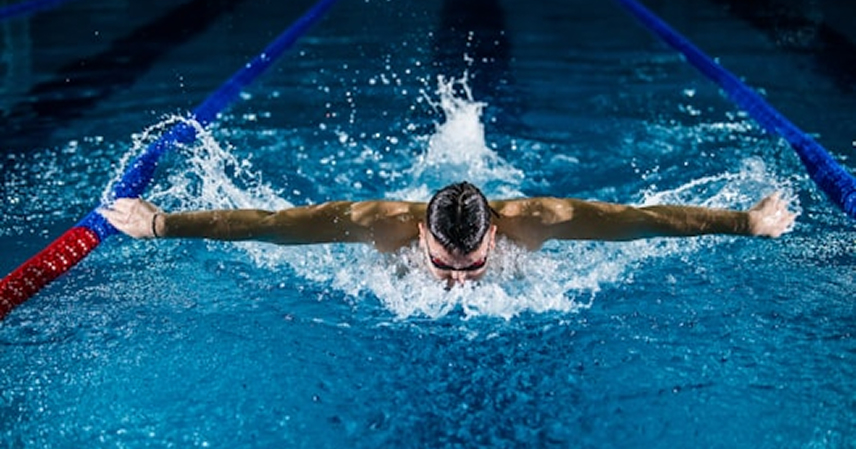
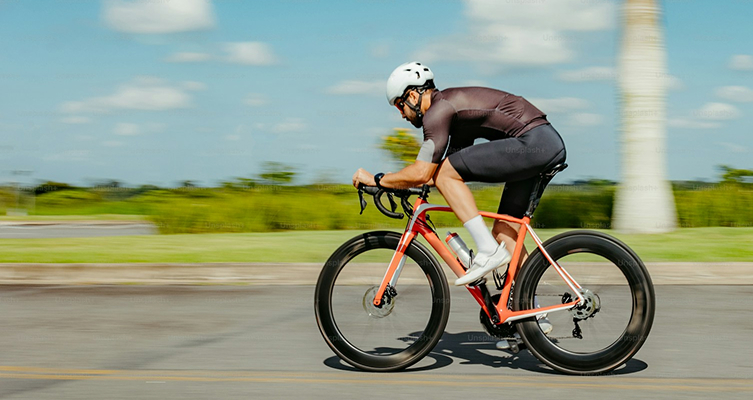
Your personality has a significant impact on your sporting preferences. Introverts might flourish in individual sports where they enjoy self-paced activities such as swimming or cycling. This allows them to embrace solitude while still maintaining an active lifestyle. Conversely, extroverts often thrive in team environments where social interaction is a central aspect, opting for team sports like basketball or soccer that combine fitness with fun.
Additionally, adventurous personality types often gravitate towards outdoor activities that provide a thrilling experience. Sports such as mountain biking or hiking not only promote physical health but also allow individuals to explore new terrains, adding excitement to their fitness regime. Understanding how your personality aligns with different sports can lead to more enjoyable and consistent participation.
Evaluating Your Physical Condition for Sport Selection
Assessing your physical condition is crucial when selecting a sport that suits your lifestyle. If you have a history of injuries, it’s wise to lean towards low-impact sports such as swimming or cycling. These sports provide excellent cardiovascular benefits while minimizing the risk of exacerbating previous injuries. This mindfulness in sport selection directly facilitates a healthier relationship with exercise.
Additionally, your current fitness level should inform your choices. Beginners may find more success engaging in gentler sports like walking or beginner-level yoga until their fitness improves. Adaptability is key; by acknowledging your physical abilities and limitations, you can select sports that promote growth without overwhelming you.
Time Commitment When Choosing Sports
Time commitment is a significant factor in sport selection. Busy schedules can make it challenging to commit to training for certain sports that require regular participation. It’s essential to consider how much time you can realistically dedicate to training – some sports, like team sports, might demand multiple practices a week, whereas individual sports might allow for more flexible training times.
Moreover, recognizing how travel time to facilities plays into your decision is critical. If accessibility is a concern, activities that can be practiced at home or nearby, like jogging or bodyweight exercises, should be prioritized. This scalable approach ensures that you can maintain an active lifestyle despite a hectic schedule.
Researching Different Sports
Once you have a clearer understanding of your fitness goals and what suits your personality, diving into research about various sports is the next step. This exploration can uncover numerous options tailored to your interests, such as team sports which promote socialization and collaboration, or individual sports that encourage personal development.
Popular choices like yoga have gained traction for their health benefits that also focus on mindfulness, while cycling offers excellent variation between outdoor and indoor settings. Gathering information from reputable sources about these activities can help in making informed decisions and provide insight into classes or local clubs where you can start your journey.
Trying Out Different Sports for Fit
Trying out a variety of sports is an exciting phase in finding what you enjoy most. Many community centers and local gyms offer introductory classes or open sessions that allow potential participants to test the waters without committing fully. This hands-on experience can be eye-opening and help you understand both the dynamics of the sport and your own preferences.
Moreover, bringing a friend along can enhance the experience. Engaging in sports as a duo creates a supportive environment, making the initial attempts more enjoyable. Whether it’s joining a yoga class, attending a basketball open gym, or participating in a cycling group, shared experiences can lead to lasting friendships and enrich your active lifestyle.
Listening to Your Body When Choosing Sports
Paying attention to your body’s feedback during and after new sports activities is vital. As you experiment with different sports, it’s important to assess your energy levels and overall enjoyment. If you consistently feel drained or unmotivated, it might indicate that the sport isn’t the right fit for you – and that’s perfectly okay.
Additionally, recovery time should be observed. A sport that is too physically demanding without ample recovery can lead to frustration or injury. Striking a balance between challenge and enjoyment is key to fostering a long-term commitment to an active lifestyle. Your body should feel invigorated and ready to go, rather than fatigued or aching.
Making a Long-Term Commitment to Your Sport
Once you identify a sport that resonates with you, committing to it long-term can yield numerous benefits for your physical and mental health. The rapport you build with your chosen activity not only enhances your fitness levels but also fosters a sense of belonging, especially within team sports, where community relationships flourish.
As you immerse yourself in the sport, you’ll likely begin to see improvements in your skills, which can be incredibly rewarding. This progress reinforces your commitment, ensuring that fitness becomes an integral part of your lifestyle rather than a fleeting hobby. Remember, the goal is to enjoy the journey toward better health, not just the destination.
Active Lifestyle Choices and Their Impact
Choosing the right sport goes hand-in-hand with making active lifestyle choices, which can have a profound impact on overall wellbeing. Engaging regularly in sports not only enhances physical fitness but also improves mental health through increased endorphin levels, reduced stress, and a greater sense of community, especially in social sports settings.
Furthermore, embracing an active lifestyle encourages making healthier choices outside of your chosen sport. For instance, consistent involvement in physical activities often leads to better dietary habits and enhanced sleep quality. When fitness becomes a habit rather than a temporary fix, it promotes overall longevity and happiness.
Finding the Right Sport for Your Active Lifestyle
Finding the right sport is crucial to ensuring long-term adherence to an active lifestyle. Each individual has unique preferences, goals, and limitations that impact their choices. By taking the time to explore various sports and considering how they align with your interests and lifestyle, you are more likely to sustain commitment and enjoyment.
Moreover, the diverse range of sports available today, from team sports to individual disciplines, means there is something for everyone. Whether you gravitate towards competitive play or prefer leisurely activities, the ultimate aim is to select a sport that enriches your life, contributing positively to your health and happiness.
Frequently Asked Questions
How do I choose the right sport that fits my lifestyle?
Choosing the right sport for your lifestyle involves assessing your fitness goals, considering your personality and physical condition, and evaluating your time commitment. Reflect on what activities you enjoy and how they align with your lifestyle to find the perfect fit.
What are some individual sports I could try?
If you prefer individual sports, consider options like swimming, cycling, tennis, or jogging. These sports allow for personal pace and can fit easily into an active lifestyle, catering to those who enjoy solitary activities.
What team sports are best for socializing and fitness?
Team sports such as soccer, basketball, and volleyball are excellent for socializing while promoting fitness. These sports encourage interaction and camaraderie, making them ideal for those looking to combine fitness and social activities.
How can my personality influence my choice of sport?
Your personality greatly influences sport selection. Introverts might enjoy sports like swimming or running, while extroverts may gravitate towards team sports. Evaluating your personality can help you choose a sport that resonates with your preferences.
What factors should I consider regarding my physical condition when choosing a sport?
When choosing a sport, consider your physical condition, including any past injuries, fitness level, and age. It’s important to select activities that reduce injury risk and match your current capabilities to ensure a safe and enjoyable experience.
What are the benefits of outdoor activities in sports selection?
Outdoor activities such as hiking, cycling, and rock climbing provide not only physical benefits but also mental wellness by connecting you with nature. Incorporating outdoor sports into your lifestyle can enhance enjoyment and motivation.
How important is time commitment when choosing the right sport?
Time commitment is crucial when selecting a sport. Some sports require daily practice, while others may offer more flexibility. Assess your schedule and choose a sport that fits your lifestyle to maintain consistency.
Can I switch sports if I find my current choice isn’t right for me?
Absolutely! If you find that the sport you chose isn’t the right fit, it’s perfectly okay to switch. Exploring new options can help you discover what you truly enjoy, enhancing your active lifestyle.
How do I know when I’ve found the right sport for me?
You’ll know you’ve found the right sport when you feel energized, look forward to participating, and enjoy the overall experience. Pay attention to your body and emotions during and after workouts to assess fit.
What steps should I take to try out different sports before committing?
To try out different sports, attend classes at local community centers or gyms, join introductory sessions, and invite friends to participate with you. Experimenting with various activities can help determine what best suits your lifestyle.
| Key Considerations | Recommendations |
|---|---|
| Assess Your Goals | Running, swimming, or cycling for cardiovascular health; weightlifting or martial arts for strength; yoga for flexibility. |
| Consider Your Personality | Individual sports for introverts; team sports for extroverts; outdoor sports for adventurous personalities. |
| Evaluate Your Physical Condition | Low-impact sports for injuries; beginner-friendly sports for low fitness levels; age-appropriate activities. |
| Time Commitment | Choose sports that fit your training frequency and travel time availability. |
| Research Different Sports | Consider options like running, cycling, swimming, yoga, martial arts, or team sports. |
| Try Out Different Sports | Attend classes at community centers or local gyms; invite friends for support. |
| Listen to Your Body | Pay attention to energy levels, enjoyment, and recovery time. |
| Make a Long-Term Commitment | Choose a sport that ensures consistent engagement, fitness improvement, and social benefits. |
Summary
Choosing the right sport for your lifestyle is crucial to enhance your health and well-being. By evaluating your goals, personality, physical condition, and available time, you can identify a sport that not only fits your schedule but also makes your exercise routine enjoyable. It’s important to conduct thorough research on various sporting options and participate in trial classes to see what truly resonates with you. Listening to your body and committing to a sport you love will lead to long-term benefits and greater satisfaction. Remember, the ultimate aim is to enjoy the journey while maintaining an active and fulfilling lifestyle!