
Listen to this article
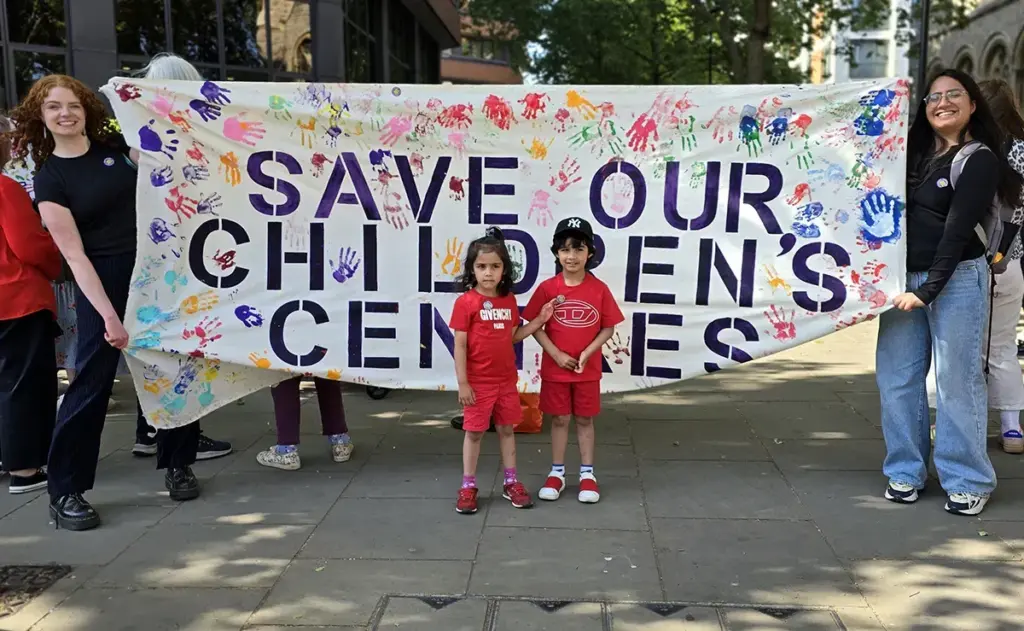
The recent decision regarding the Ealing children’s centres closure has stirred a storm of controversy among local families and stakeholders. In the borough of Ealing, the impending shutdown of 10 children’s centres has not only raised eyebrows but has also ignited discussions on early intervention services and the future of family support. Councillor Peter Mason, leader of Ealing Council, has defended the controversial move, asserting it as a necessary step towards the establishment of more effective family hubs. As parents voice their concerns, the clash between community needs and council policy appears more pronounced than ever. This significant transition promises to reshape the landscape of child welfare in Ealing, focusing on delivering services that align with the evolving needs of families.
The closure of children’s facilities in Ealing has become a hot topic, as local leaders push for a new approach to early childhood support. By transitioning to family hubs, Ealing Council aims to replace traditional children’s centres with more integrated services that address the diverse needs of families. This shift, touted by Cllr Peter Mason, emphasizes accessibility and comfort for parents and children alike. Critics argue that dismantling existing centres may undermine community trust and support structures. As the debate unfolds, many are questioning how these changes will affect the most vulnerable populations in the borough.
Impact of Ealing Children’s Centres Closure on Local Families
The closure of Ealing children’s centres is expected to have significant implications for local families, particularly those who rely on early intervention services. Many parents in the community have voiced their concerns about the loss of support networks that children’s centres provide, which often include parenting classes, playgroups, and access to health services. With the current economic challenges and a shortage of resources, the decision to shut down these centres can exacerbate existing inequalities, particularly for low-income families who may lack access to alternative services.
As Cllr Peter Mason notes, this decision stems from years of budget cuts that have limited the council’s ability to maintain a broad range of services. However, many parents argue that these closures do not consider the value of established support systems that already exist within children’s centres. The transition to family hubs, which the government has introduced, may not adequately fill the void left by the children’s centres and could lead to gaps in care and support for vulnerable children.
Cllr Peter Mason’s Justifications for the Closures
In defending the decision to close 10 children’s centres, Cllr Peter Mason has emphasized the need for a more sustainable model of service delivery that adapts to the current landscape of social needs. According to Mason, the centres have not provided a sufficient variety of services to justify their continued operation, and the focus must shift towards community-based outreach programs that can serve children more effectively. The notion is that by reallocating resources to more flexible venues, the council can better support families in need.
Furthermore, Cllr Mason stresses that the closure of these centres is not an abandonment of service but rather a strategic move towards enhancing the quality and accessibility of support for children and families. He highlights that repurposing the buildings will allow for continued community engagement, albeit in a different format. This approach may alleviate some parents’ fears regarding the availability of necessary support services and could foster a more welcoming environment for those who may be apprehensive about accessing support in traditional council settings.
Challenges in Early Intervention Services Amid Budget Cuts
The current landscape of early intervention services faces multiple challenges as local councils, including Ealing, grapple with budget restrictions that impact service delivery. With a reported 25 percent decrease in spending power due to government cuts, Cllr Peter Mason’s comments about the need to prioritize services over buildings reflect a stark reality that many councils encounter. When funds are limited, the options for maintaining comprehensive children’s support systems diminish, leading to tough choices about which services can continue.
The argument made by critics of the closures highlights a potential misalignment between the goals of the Labour government—to establish family hubs—and the actions taken by local councils. While Cllr Mason links the closures to a necessary shift towards a more efficient service model, campaigners assert that the existing children’s centres, though in need of improvement, were integral to delivering critical early help services. This contrasting perspective underscores the importance of maintaining effective early intervention strategies to ensure children receive the best possible support.
Community Reaction to the Decision
The decision to close Ealing children’s centres has provoked a spirited response from the community, with many parents and local advocates expressing their discontent. Campaigners from groups like Save Ealing Children’s Centres have voiced strong objections, arguing that these centres play a crucial role in providing essential support and social networking for families. They argue that a community-centric approach, which focuses on reaching families where they are comfortable, needs to incorporate existing centres rather than eliminate them altogether.
Parental feedback often reflects a desire for the council to prioritize the enhancement of current services rather than resorting to closures. Many feel that, rather than dismissing the operational costs of the centres, the focus should be on improving the quality of services offered to meet the diverse needs of families. The ongoing debate illustrates a vital discussion around community input in decision-making processes and the need for collaborative efforts between local governments and families to build effective support systems.
Long-term Consequences of Shutting Down Services
The long-term consequences of shutting down Ealing children’s centres could resonate throughout the community, particularly affecting children’s overall development and well-being. By dismantling crucial early intervention services, families may be left without the necessary support systems that facilitate healthy childhood development. Research indicates that strong early years programs not only contribute to cognitive and emotional growth but can also be critical in reducing social issues later in life, emphasizing the stakes involved in these decisions.
Moreover, the migration towards family hubs, while potentially beneficial, raises concerns about accessibility and equity. As vulnerable families face barriers to accessing support in new locations, the intended benefits of these alternative services must be monitored and evaluated. As Cllr Mason pursues adjustments to service models, the ongoing community response will be instrumental in shaping effective solutions that cater to the needs of Ealing’s families.
Future of Early Years Support in Ealing
The future of early years support in Ealing is now in a state of transition, with Cllr Mason advocating for a pathway that centers on community-based outreach services. As family hubs emerge, there may be opportunities for innovation in how services are delivered, potentially allowing for a more tailored approach to supporting families. Engaging with local libraries, community centers, and places of worship could open new avenues for providing essential resources to children and their families within more accessible and comfortable environments.
However, the successful implementation of this model will greatly depend on community involvement and ensuring that the voices of parents and children are included in the decision-making process. The collaboration between Ealing Council, service providers, and community members will determine whether the proposed changes will enhance the early years landscape or create further disparities for families. Continuous assessment and responsiveness to community feedback will be critical in shaping a robust early years support system moving forward.
Advocacy and Activism in Response to Centre Closures
In light of the controversial closures of Ealing children’s centres, advocacy and activism have gained momentum as community members rally together to challenge the council’s decisions. Local activist groups have mobilized to raise awareness of the consequences of losing these vital services and to pressure Ealing Council to reconsider its approach. By organizing public meetings, rallies, and petitions, advocates are striving to ensure that the needs of families are front and center in the ongoing discussions surrounding early years services.
These grassroots efforts highlight the power of community engagement in local governance and service delivery. As parents increasingly seek to influence policy and demand accountability from their elected representatives, it becomes crucial for the council to navigate these issues sensitively. Effective communication and collaboration with community stakeholders can lead to more informed decisions that reflect the aspirations and needs of Ealing’s families, ensuring that support systems for young children remain robust and responsive.
Comparative Perspectives on Children’s Services
Examining the closures of Ealing children’s centres through a comparative lens reveals that other councils facing similar budget constraints have taken varied approaches to supporting families. Some local authorities have sought to consolidate services by leveraging existing resources while others have explored partnerships with community organizations to maintain comprehensive support systems. The success of these efforts often rests on the ability to engage with local communities and adapt services to their specific needs.
As Ealing Council moves forward with its plans, learning from the experiences of other councils can provide valuable insights into how to effectively manage service delivery in an era of austerity. Implementing best practices from other regions that have successfully balanced budget constraints with community needs can help inform decisions that prioritize family well-being and early intervention. The goal is to navigate the complexities of service provision while ensuring that children’s centres evolve into models that meet the changing landscape.
Conclusion: The Path Forward for Ealing’s Families
As the discussion surrounding the closure of Ealing children’s centres continues, it is clear that the path forward will require cooperation and dialogue among all stakeholders involved. Cllr Peter Mason’s commitment to transitioning towards community-based services presents a potential avenue for enhancing support for families; however, the council must remain responsive to community feedback to ensure that these changes effectively address the needs of children.
Ultimately, the future of early years services in Ealing hinges on a collaborative effort between the council, parents, and various community organizations. By establishing bridges between services and families, Ealing can work towards creating a more inclusive and supportive environment that prioritizes children’s development and well-being. The ongoing advocacy for maintaining effective early intervention supports will be vital in shaping policies that benefit the most vulnerable members of the community.
Frequently Asked Questions
Why is Ealing Council closing children’s centres?
Ealing Council is closing 10 children’s centres as part of a strategy to redirect resources towards more effective outreach services. Cllr Peter Mason has indicated that these centres have not sufficiently met the needs of children and families, citing budget cuts and low service uptake as contributing factors.
What is the role of family hubs in relation to Ealing children’s centres closure?
Family hubs are intended to serve as one-stop shops for advice and early intervention services, which Ealing Council aims to implement after the closure of children’s centres. This strategy aligns with the government’s initiative to improve children’s early life experiences.
How is Cllr Peter Mason responding to criticism about the Ealing children’s centres closure?
Cllr Peter Mason has defended the decision to close Ealing children’s centres by claiming the existing centres lack a comprehensive range of services, which he sees as unsustainable. He emphasizes the need for services to be more accessible and supportive for families in the community.
What legal action has been taken regarding the Ealing children’s centres closure?
Legal action has been initiated against Ealing Council, challenging the decision to close 10 children’s centres. The council plans to contest this judicial review in court, indicating they are confident in their decision-making process.
How will the services change after the closure of the Ealing children’s centres?
After the closure of Ealing children’s centres, Cllr Mason envisions providing more community-based services at accessible venues like libraries and places of worship. This approach aims to offer early intervention services in environments that feel less intimidating to parents seeking help.
What are the concerns raised by parents regarding Ealing children’s centres closure?
Parents have expressed concerns that the closure of children’s centres may contradict the Labour government’s goals for establishing family hubs. Campaigners from Save Ealing Children’s Centres argue that existing facilities are valuable and should not be closed or repurposed without proper consideration of community needs.
What budget challenges has Ealing Council faced affecting children’s centres?
Ealing Council has faced significant budget cuts, amounting to approximately £140 million over the past 16 years. This reduction in funding has impacted the council’s ability to maintain and operate children’s centres effectively, leading to the decision to close them and focus on alternative service models.
What is the future of the buildings housing the closed Ealing children’s centres?
The buildings of the closed children’s centres in Ealing will not be demolished; they will be repurposed to support young people and their families, as part of the council’s plan to continue serving the community despite the closure of these centres.
| Key Point | Details |
|---|---|
| Council Decision | Ealing Council is closing 10 children’s centres due to budget cuts and to refocus services. |
| Cllr Peter Mason’s Justification | Cllr Mason believes current centres lack services and are underused, making them unsustainable. |
| Legal Action | A judicial review has been initiated against the council’s decision to close the centres. |
| Government Plans | The government’s family hubs initiative aims to consolidate early support and intervention services. |
| Budget Cuts | Councils have faced nearly a 25% cut in spending power since 2010, influencing decision-making. |
| Future Services | Ealing plans to offer more outreach services in non-intimidating environments instead of municipal buildings. |
| Community Engagement | The intention is to make support more accessible in places like libraries and playgrounds. |
| Opposition Response | Campaigners argue that closing centres contradicts the government’s goal to establish family hubs. |
Summary
The Ealing children’s centres closure marks a significant shift in how local services are provided to families in West London. Cllr Peter Mason has defended the decision, emphasizing that the closures result from years of budget cuts and a need to reallocate resources more effectively. This contentious decision has sparked legal challenges and opposition from community groups, who believe it undermines the government’s commitment to providing family hubs. The future of child services in Ealing will hinge on how well outreach initiatives can replace the support once offered by the closed centres.