Listen to this article
When it comes to global sports popularity, the most popular sports are not just games; they are cultural phenomena that unite millions of passionate fans. From the electrifying atmosphere of soccer matches to the strategic plays in basketball, these top sports engage viewers and inspire a sense of community worldwide. The most popular sports in the world, such as cricket and tennis, captivate spectators during international sports events, showcasing the thrill of competition at its finest. As we explore these engaging athletic activities, we will see how sports fan engagement fosters deep connections among diverse cultures and transcends boundaries. Indeed, sports culture is a vibrant thread woven into the fabric of societies, offering entertainment and a shared passion for countless individuals.
In the realm of athletic pursuits, various forms of competition capture the hearts of enthusiasts across continents. This examination of the premier athletic activities reveals the most watched sports, highlighting their significance in shaping regional identities and fostering camaraderie. The top-ranking games, like soccer and basketball, not only showcase physical prowess but also serve as a platform for sports fan engagement on a grand scale. Enthusiasts await eagerly the international sports spectacles, where athletes become ambassadors of their nations and inspire future generations. Join us as we delve into the captivating world of elite sports and discover the incredible stories behind their widespread appeal.
The Global Appeal of Soccer: The Most Popular Sport in the World
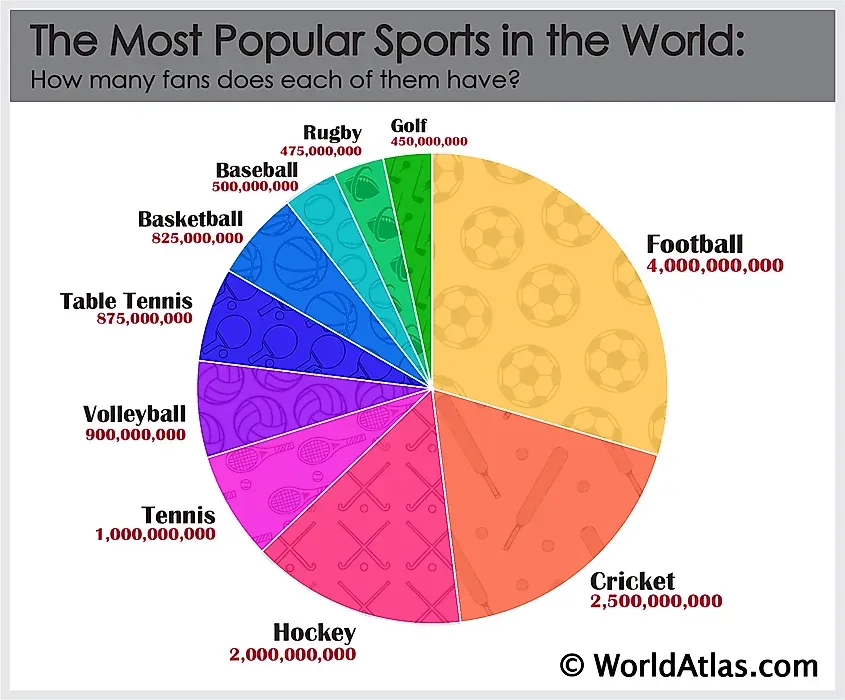
Soccer, or football, enjoys unparalleled popularity across the globe, drawing the admiration of over 4 billion fans. This immense following is a testament to the sport’s ability to resonate beyond cultural, language, and geographical barriers. Major international competitions, such as the FIFA World Cup, not only highlight the high stakes of the game but also unite nations in a shared celebration of athleticism and sportsmanship. This global appeal is further fueled by local leagues, which build communities around sports fan engagement, leading to the establishment of a sports culture that elevates soccer to a significant pastime in various countries.
Moreover, the accessibility of soccer contributes greatly to its popularity. Fields can be found in every corner of the world, from urban centers to rural areas, allowing players from all walks of life to participate. With minimal equipment required—essentially just a ball—soccer encourages youth engagement, fostering talent at the grassroots level. As a truly global sport, soccer not only provides entertainment but also enhances social cohesion and builds national pride, proving it to be much more than just a game.
Basketball: A Fast-Paced Game Captivating Millions
Basketball, with its dynamic gameplay and strategic depth, ranks as the second most popular sport globally, with approximately 2.5 billion fans. The sport’s rapid rise in popularity can largely be attributed to the NBA, which showcases some of the most exciting athletic performances on the world stage. The league’s international stars, such as LeBron James and Stephen Curry, elevate the sport’s profile, inspiring millions of young athletes worldwide to pick up a basketball. This celebrity factor amplifies sports fan engagement, as fans not only cheer for their teams but also connect with the players’ personal journeys.
Additionally, the versatility of basketball—from local courts to professional arenas—makes it an accessible sport for people of all ages. Its street origins make it a particularly popular choice for youth, fostering a sense of community and belonging among players. Events like the NCAA March Madness and the FIBA Basketball World Cup attract massive global audiences, illustrating the sport’s capability to unite fans across continents, thereby enriching global sports culture.
Cricket: Beyond Boundaries, A Cultural Phenomenon,
Coming in a close tie with basketball, cricket also attracts a staggering 2.5 billion fans, especially in countries like India, Pakistan, and England. This sport embodies a rich tradition and cultural identity in many regions, acting as a unifier amongst disparate communities. Major events like the Cricket World Cup and the T20 World Cup showcase not only thrilling matches but also a festival-like atmosphere that engages millions of spectators. The varying formats of the game, from Test matches to T20s, contribute to cricket’s appeal, catering to diverse audiences and enhancing global sports popularity.
The unique play styles and the camaraderie within teams further illustrate cricket’s role in shaping sports culture in involved nations. Iconic players become national heroes, fostering passionate fan bases that enhance sports fan engagement during tournaments. In many countries, cricket is not just a game; it is a pivotal part of life that influences social dynamics and local traditions, showcasing the profound impact of sports on cultural identity.
Field Hockey: An Understated Sport with Global Reach
Field hockey, though less recognized than sports like soccer and basketball, boasts a fervent following with about 2 billion fans worldwide. Particularly popular in India, Pakistan, and parts of Europe, it has managed to carve its niche on the global sports stage. The sport’s exciting dynamic and team-oriented strategies appeal to a wide audience, fostering extensive engagement during international tournaments. Competitions like the Hockey World Cup attract diverse viewership and play a crucial role in enhancing the sports culture surrounding field hockey.
Moreover, the international success of field hockey teams often boosts national pride. Countries that excel in the sport beyond their borders create a sense of unity and identity among their citizens. Events such as the FIH Hockey Pro League and Champions Trophy generate enthusiasm and excitement, inviting fans to rally behind their teams. The growth of field hockey in school programs has also been instrumental in developing youth interest, ensuring that the sport continues to thrive and expand its global footprint.
Tennis: Individual Brilliance on a Global Stage
With around 1 billion fans, tennis is revered for its blend of individual competition and high-stakes tournaments. Iconic events such as Wimbledon and the US Open not only showcase the best athletes but also attract massive global audiences, cementing the sport’s place in international sports events. Matches often reveal intense rivalries that capture public interest and media attention, allowing tennis to thrive as a key player in the global sports popularity landscape.
Tennis also provides a unique platform for fan engagement, with players frequently interacting with their supporters through social media and fan events. The sport’s emphasis on personal achievement resonates with many, fostering a strong connection between athletes and their fans. With its prestigious image and traditions, tennis continues to inspire new generations, reinforcing its status as one of the top sports worldwide.
Volleyball: The Olympic Sport Rising in Popularity
Volleyball, with its estimated 900 million followers, has seen a significant rise in popularity, particularly due to its Olympic recognition. The sport, which can be played both indoors and on the beach, is known for its inclusiveness and accessibility, attracting participants from various backgrounds. Major events like the FIVB Volleyball World Championships play a crucial role in promoting volleyball globally, drawing large crowds and television audiences, thereby boosting its visibility on the world stage.
The culture surrounding volleyball continues to strengthen as grassroots programs foster youth participation. As communities rally around local teams, the sport cultivates a unique bond among players and fans, enhancing sports fan engagement. With its emphasis on teamwork and athleticism, volleyball resonates with a broad audience, ensuring its place as a significant player in global sports.
Table Tennis: A Fast-Paced Sport with Unique Appeal
Table tennis, often viewed as a quintessentially Asian sport, boasts an impressive fan base of around 875 million worldwide, particularly thriving in countries like China. The game combines speed, precision, and tactical skill, making it one of the most exhilarating sports to watch. Events such as the World Table Tennis Championships and Olympic matches showcase thrilling displays of athletic skill, capturing the attention of audiences across the globe and enhancing its reputation among the most watched sports.
The accessibility of table tennis is another factor contributing to its popularity. It can be played in various settings, from local parks to professional arenas, allowing individuals of all ages to participate. This widespread availability fosters grassroots engagement, solidifying the sport’s presence in schools and recreational leagues. The unique blend of mental focus and physical agility required to excel at table tennis resonates with fans, ensuring its continued growth and prominence in the global sports landscape.
Baseball: A Timeless American Tradition and Global Following
Baseball, often celebrated as America’s pastime, has an estimated 500 million fans worldwide, with strong followings in Japan and Latin America. The sport’s historical significance is deeply rooted in culture, shaping social aspects across nations. Major League Baseball (MLB) not only showcases premier talent but also serves as a cultural beacon, connecting fans through a shared love for the game. Events such as the World Series exemplify national pride and global engagement, marking baseball as a significant player in international sports events.
In addition to its professional leagues, baseball fosters strong community connections through local clubs and high school teams. The tradition and values associated with baseball—sportsmanship, teamwork, and competition—create lasting impressions on fans and players alike. As the sport continues to grow globally, it stands as a reminder of the rich tapestry of sports culture that transcends borders.
Golf: The Sport of Strategy and Prestige
Golf, with an estimated 450 million fans, is renowned for its strategic depth and sophisticated appeal. Iconic tournaments such as The Masters and The Open Championship not only attract significant viewership but also epitomize the sport’s status as a premier pastime among the elite. The serene landscapes of golf courses and the focus on individual performance create a unique atmosphere that draws fans from all walks of life. The sport’s combination of mental agility and physical skill attracts individuals looking for a long-term engagement with their sport, contributing to its enduring popularity.
Moreover, golf’s influence can be seen in its growing participation rates globally. Initiatives aimed at introducing young people to the sport help expand its demographic reach, fostering a new generation of golfers. As golf integrates more into global sports culture, its events continue to attract international audiences, showcasing the sport as a vital part of the athletic landscape.
American Football: A Cultural Phenomenon in the USA
American football stands as a cornerstone of U.S. sports culture, boasting around 400 million fans and consistently drawing massive audiences, particularly during the Super Bowl. This championship game is celebrated as one of the most-watched sporting events in the world, cementing the sport’s place as a major player in the global sports popularity landscape. The blend of strategy, physicality, and entertainment associated with football fosters a deep connection with its fanbase, enhancing sports fan engagement year after year.
Furthermore, American football serves as a unifying force within communities, bringing together fans from diverse backgrounds to support local teams. The NFL has successfully marketed the sport internationally, capturing the interest of fans beyond the U.S. and contributing to the growing dialogue around American football in global sports. With its unique rituals and traditions, American football exemplifies the rich cultural significance that sports can embody in society, inspiring future generations to engage with athletics.
Frequently Asked Questions
What are the top 5 most popular sports in the world?
The top 5 most popular sports in the world include soccer (football), basketball, cricket, field hockey, and tennis. These sports have massive global fan bases and regularly engage millions through international sports events.
How does soccer rank among the most popular sports worldwide?
Soccer is the most popular sport globally, with an estimated fan base of over 4 billion people. Major events like the FIFA World Cup significantly contribute to its popularity and sports fan engagement.
Why is basketball considered one of the most popular sports in the world?
Basketball has around 2.5 billion fans worldwide. Its fast-paced gameplay, along with international leagues like the NBA and dynamic player personalities, greatly enhance its global appeal.
What is the significance of cricket in global sports popularity?
Cricket boasts approximately 2.5 billion fans, particularly in countries like India and Australia. International tournaments like the Cricket World Cup effectively showcase the sport’s cultural significance and global viewership.
What are the viewing figures for field hockey as a popular sport?
Field hockey ranks among the most popular sports worldwide, attracting about 2 billion fans, especially in regions like India and the Netherlands. International competitions highlight its wide-reaching appeal.
How does tennis engage sports fans around the globe?
With around 1 billion fans, tennis has a significant global presence due to major tournaments like Wimbledon and the US Open, which attract millions and engage sports enthusiasm across cultures.
In what ways has volleyball gained popularity globally?
Volleyball, with around 900 million followers, has gained popularity due to its Olympic inclusion and accessibility, making it a favored sport among diverse demographics.
What role does table tennis play in sports culture in Asia?
Table tennis, or ping pong, has a massive following of approximately 875 million fans, particularly in Asia, illustrating its status as a prominent competitive sport within the region’s sports culture.
How important is baseball in the context of American and global sports?
Baseball has about 500 million fans globally, with a strong cultural significance in the USA, Japan, and Latin America, showcasing its historical impact within the realm of international sports.
What major events contribute to golf’s popularity among sports fans?
Golf enjoys a following of around 450 million fans, greatly attributed to prestigious events like The Masters and The Open Championship, which draw viewership and enhance its status in global sports.
| Rank | Sport | Fans (in billions) | Key Points |
|---|---|---|---|
| 1 | Soccer (Football) | 4 | Global reach; FIFA World Cup; two teams of 11 players. |
| 2 | Basketball | 2.5 | NBA prominence; fast-paced; internationally recognized players. |
| 3 | Cricket | 2.5 | Key in countries like India; various formats including T20. |
| 4 | Field Hockey | 2 | Popular in India and Pakistan; played on grass or turf. |
| 5 | Tennis | 1 | Major global tournaments; individual competitions; celebrity status. |
| 6 | Volleyball | 0.9 | Olympic inclusion; accessible; played indoors and on the beach. |
| 7 | Table Tennis | 0.875 | Highly popular in Asia; quick reflexes; Olympic presence. |
| 8 | Baseball | 0.5 | Significant in the USA; Major League Baseball events. |
| 9 | Golf | 0.45 | Prestigious events like The Masters; strategic gameplay. |
| 10 | American Football | 0.4 | Dominance in the USA; Super Bowl as major cultural event. |
Summary
The most popular sports around the world such as soccer, basketball, and cricket not only unify diverse populations but also symbolize various cultural identities. Every sport has its unique elements that attract billions of fans, making them vital to social interactions and national pride. Understanding these sports allows for a deeper appreciation of their role in connecting people, fostering competition, and providing entertainment on a global scale. From the thrilling matches in soccer to the strategic plays in American football, these sports are more than just games; they reflect a complex interplay of culture, identity, and communal spirit.