
Listen to this article
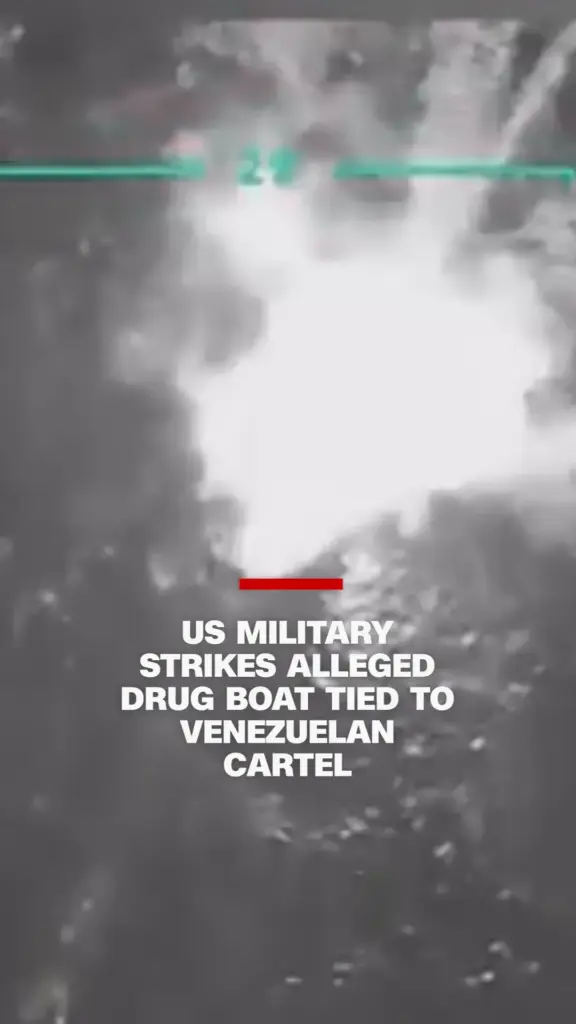
In the ongoing fight against drug trafficking, the US military has intensified its efforts through strategic military interventions known as US military drug strikes. Recently, these operations resulted in significant casualties as forces targeted vessels allegedly engaged in drug smuggling operations in the waters surrounding the Caribbean and eastern Pacific. The US Southern Command has been relentless in its pursuit, marking over 30 strikes since the inception of this campaign, which is part of the broader war on drugs. This aggressive approach has led to the estimated elimination of over 110 individuals connected to narcotics trafficking, raising complex legal and ethical questions about the nature of such strikes. As the US grapples with the implications of these actions, the controversy surrounding the double-tap strike has drawn attention to the precarious balance between military action and adherence to international law.
Employing military force against drug smugglers, particularly within the framework of naval operations, has emerged as a contentious strategy in combatting illicit drug trade. These aggressive tactics, widely recognized as targeted strikes on narco-trafficking boats, represent a pivotal escalation in the fight against international drug networks. The operations led by US Southern Command emphasize a militarized response to what has been traditionally viewed as a law enforcement issue. Amidst mounting casualties and rising scrutiny from lawmakers, the complications of engaging in maritime warfare against drug cartels spur debate on international engagement policies. As the US continues to press forward with its initiatives, the intersection of military aggression and drug policy remains a focal point of both national security and humanitarian discussion.
Understanding US Military Drug Strikes
In recent months, the US military has intensified its operations against drug trafficking by targeting vessels suspected of smuggling narcotics. On Wednesday, two boats were struck, allegedly resulting in five fatalities on board. These operations, sanctioned by the US Southern Command, have been an integral part of the country’s ongoing efforts to combat drug smuggling operations that pose threats to national security and public health. The clandestine nature of drug trafficking demands crackdowns to deter organized crime and disrupt supply chains that feed into the American market.
The strategy employed by US forces reflects a growing urgency in the war on drugs, particularly as drug-related violence escalates in various regions. The military’s commitment to these operations has led to over 30 successful strikes since September, with a significant number of casualties reported. However, such military actions also raise critical legal questions regarding engagement rules, as the operations edge closer to international conflict implications.
The Role of US Southern Command in Anti-Drug Operations
US Southern Command plays a pivotal role in orchestrating military strikes aimed at disrupting drug trafficking networks. This command has significantly ramped up patrols and engagement strategies in regions known for high narco-trafficking activity, particularly in the Caribbean and eastern Pacific. Their targeting of suspected vessels not only disrupts the immediate drug smuggling operations but also sends a broader message to traffickers who rely on such routes for transporting illicit substances into the US.
Critics argue, however, that the command’s aggressive tactics could lead to unintended civilian casualties, as seen in the controversial double-tap strike that left survivors dead. While the Southern Command has asserted that intelligence backs their operational decisions, the lack of transparency concerning the specific details of these operations stirs significant concern among legal experts and human rights advocates. Ensuring that operations remain judicious and compliant with both domestic and international law is crucial to maintaining legitimacy in the ongoing war on drugs.
The Impact of Narco-Trafficking Boats on Security
Narco-trafficking boats have become a significant concern for US military and Coast Guard operations as they serve as the main conduits for smuggling illegal drugs. These vessels often operate in fleets, evading capture through speed and the use of sophisticated evasion tactics. The increasing number of strikes targeting these boats signifies a strategic shift aimed at dismantling the infrastructure that supports drug trafficking, which is essential for curbing the inflow of narcotics that fuel addiction and violence in the US.
Moreover, the use of narco-trafficking boats showcases the adaptability of drug smuggling operations, which have evolved to stay ahead of enforcement efforts. In response, the US military seeks to conduct operations that not only target supply points but also collect intelligence on the broader criminal networks involved in the drug trade. Strengthening these efforts is vital for achieving long-term success in reducing drug trafficking threats at sea.
Legal and Ethical Implications of Drug Strikes
The military’s approach to conducting strikes against drug trafficking vessels raises several legal and ethical implications. Critics argue that the methods employed could infringe on international laws governing armed conflict, particularly if civilians are caught in the crossfire of these operations. The recent controversies surrounding double-tap strikes highlight the need for strict adherence to rules of engagement that prioritize civilian safety while allowing for effective counter-narcotics operations.
Moreover, the perceived militarization of drug enforcement strategies sparks debate about the appropriateness of using military force against non-state actors involved in drug trafficking. Legal experts emphasize the importance of establishing clear boundaries and engaging in concerts of action that involve both military and law enforcement personnel. Such an approach could help mitigate risks associated with military operations, ensuring they remain within legal frameworks.
An Overview of the War on Drugs
The war on drugs has spanned decades, with various administrations adopting different strategies to combat drug trafficking and its pervasive effects on society. The current iteration under the Trump administration emphasizes military engagement rather than traditional law enforcement methods. This shift has been marked by increased military activity at sea, targeting drug trafficking operations with the intent of dismantling these networks before drugs reach US shores.
However, this militaristic approach has faced significant scrutiny and backlash. Critics contend that the over-reliance on military actions detracts from necessary reforms in drug policy and social services addressing addiction. Effectively tackling the drug crisis requires a multifaceted approach that not only mitigates the supply but also demands greater focus on education, treatment, and prevention programs to address the root causes of drug abuse.
The Complexity of Drug Smuggling Operations
Drug smuggling operations encompass a complex network that spans various regions and involves a multitude of players, ranging from producers to distributors. The fluidity and adaptability of these operations make it challenging for authorities to combat effectively. For instance, traffickers often alter their routes and methods in response to increased military and law enforcement presence, necessitating a dynamic and innovative approach to enforcement efforts.
Understanding the intricacies of these operations is crucial for implementing effective counter-narcotics strategies. Intelligence gathering and collaboration between different agencies, including the Coast Guard and military, can enhance efforts to track and interdict drug trafficking activities. By dismantling these networks through strategic strikes and thorough investigations, US forces can work to disrupt the flow of narcotics and ultimately contribute to the safety and well-being of the nation.
Survivor Stories and Perspectives
Survivors of military strikes against drug trafficking vessels often provide potent narratives that highlight the human cost of the war on drugs. Their stories reveal the complexities faced by those involved in the illicit drug trade, including desperation, poverty, and limited options for survival. In documenting these experiences, there emerges a call for a broader understanding of the factors driving individuals toward involvement in drug smuggling operations.
These survivor accounts can challenge the prevailing narratives around drug traffickers as mere criminals, urging policymakers to consider the socio-economic conditions that compel individuals to risk their lives at sea. Engaging with survivor perspectives can inform a more nuanced approach to drug policy that addresses both enforcement and social issues, ultimately fostering a more holistic strategy in the ongoing battle against drug trafficking.
Gathering Intelligence on Narco-Trafficking Routes
Effective intelligence gathering is a cornerstone of successful drug interdiction operations. US Southern Command relies heavily on various intelligence sources to track narco-trafficking boats along their established routes. This intelligence not only informs military strikes but also guides broader operational strategies to outmaneuver illicit drug networks. The intersection of military and intelligence efforts aims to provide a multifaceted perspective on the operations and movements of traffickers.
However, the intelligence community must also prioritize accuracy and transparency in relaying information about drug trafficking operations. Accurate data is essential for conducting strikes that uphold the rule of law while effectively intercepting drug shipments. As the US continues to confront the challenges posed by drug smuggling operations, maintaining robust intelligence processes will be vital for success in the ongoing war on drugs.
Future Directions in the War on Drugs
Looking ahead, the war on drugs is likely to evolve in response to changing dynamics in both drug trafficking and public opinion. With increasing scrutiny over military tactics and their broader implications, future strategies may incorporate more comprehensive frameworks that address the socio-economic factors contributing to drug-related crime. Emphasizing a balanced approach that couples law enforcement with community engagement and support programs could foster substantive change in reducing drug dependency.
Moreover, there should be a concerted push for international cooperation in combating drug trafficking, as narcotics networks frequently operate transnationally. Collaborations among countries can enhance intelligence sharing, improve enforcement capabilities, and ultimately aid in disrupting the flow of narcotics into the US. As the landscape of the drug trade continues to shift, adapting approaches will be essential to keep pace with the evolving threats posed by drug trafficking.
Frequently Asked Questions
What are US military drug strikes and their significance in the war on drugs?
US military drug strikes are targeted operations conducted by the US military, particularly under the US Southern Command, aimed at intercepting vessels involved in drug trafficking and narco-trafficking. These strikes play a crucial role in the US’s war on drugs by attempting to disrupt drug smuggling operations, thereby diminishing the flow of illegal narcotics into the US and protecting national security.
How many US military drug strikes have occurred recently?
Recently, over 30 US military drug strikes have been reported, particularly focusing on vessels suspected of drug smuggling to the Caribbean and eastern Pacific. These operations have resulted in significant fatalities, with more than 110 individuals reported killed since the initiation of strikes,
What is the role of US Southern Command in combating drug smuggling operations?
US Southern Command is primarily responsible for coordinating military efforts to combat drug smuggling operations in the Americas. It conducts surveillance and strikes against potential drug trafficking vessels and collaborates with international and law enforcement agencies to enhance effectiveness in thwarting narco-trafficking efforts.
What legal issues surround US military drug strikes against narco-trafficking boats?
Legal experts have raised concerns about the legality of US military drug strikes, suggesting that such actions might violate international laws governing armed conflict. The Trump administration framed these strikes as part of a non-international armed conflict against traffickers, a characterization that is contested by experts.
What has been the response from lawmakers regarding US military actions in narco-trafficking operations?
Lawmakers have expressed significant scrutiny and concern over US military actions in narco-trafficking operations, especially following instances where strikes resulted in civilian casualties, such as the ‘double-tap’ strike scenario. These concerns highlight the need for accountability and adherence to rules of engagement during military operations.
Are there any reports of survivors from recent US military drug strikes?
Yes, following recent strikes, US Southern Command reported a number of survivors from an operation targeting three narco-trafficking vessels. Although efforts were made to locate the survivors, specifics about their status have not been fully disclosed.
What evidence does the US military have regarding drug trafficking in targeted vessels?
While the US military claims that intelligence confirmed vessels were operating on known narco-trafficking routes, concrete evidence proving that these ships were carrying drugs has not been publicly presented. The reliance on intelligence highlights the ongoing complexities in verifying the operational activities of suspected narcotics traffickers.
| Key Point | Details |
|---|---|
| Recent Strikes | The US military struck two boats on Wednesday, claiming they were carrying drugs. This led to five fatalities. |
| Targeted Вessels | US forces have been targeting vessels suspected of drug smuggling to the Caribbean and eastern Pacific for three months. |
| Previous Strikes | Just one day prior to the last strike, three more narco-trafficking vessels were targeted, resulting in at least three deaths. |
| Legal Concerns | Legal experts argue that these operations could violate international law governing armed conflict. |
| Total Strikes | Over 30 strikes have occurred, leading to more than 110 reported deaths since September 2. |
| Double-tap Concerns | The second strike that killed two survivors from the first strike has raised issues regarding rules of engagement. |
| Search Operations | Efforts are ongoing to locate eight survivors from recent strikes, with the US Coast Guard involved. |
| Lack of Evidence | No evidence has been provided that the boats were carrying drugs, despite claims of their involvement in known trafficking routes. |
Summary
US military drug strikes have drawn significant attention due to the high number of fatalities and legal implications involved. In recent months, the US military has intensified operations against suspected narco-trafficking vessels, resulting in multiple strikes that raise questions about adherence to international laws of engagement. As operations continue, the death toll has sharply increased, provoking scrutiny from lawmakers and legal experts alike, particularly concerning the legitimacy of the attacks and the evidence supporting them. The evolving situation highlights the complexities involved in the fight against drug trafficking and its legal ramifications.

