Listen to this article
Extreme sports have skyrocketed in popularity among thrill-seekers, transforming adventure sports into a global phenomenon. However, with the rush of adrenaline and the exhilaration of pushing boundaries comes the important responsibility of ensuring safety. This is where Extreme Sports Safety Tips come into play, guiding enthusiasts on how to navigate risk while maximizing enjoyment. From choosing the right safety gear to understanding the fundamentals of risk management, these tips are essential for anyone looking to participate in high-adrenaline activities. Whether you’re into skydiving, rock climbing, or any other extreme pursuit, being informed and prepared can dramatically enhance your experience, keeping the focus on fun rather than fixing mishaps.
Participating in high-stakes recreational activities requires not just courage but also a solid understanding of safety practices. Known broadly as adventure sports, these activities can be incredibly rewarding, but they come with specific challenges that demand attention to detail and preparation. Safety is paramount when engaging in these sports since the thrill often accompanies significant risk. Knowing the best practices, including the use of protective equipment and proper training, can be the difference between a memorable adventure and a dangerous misadventure. By focusing on these crucial elements, athletes can embrace the excitement that comes with pushing limits while also prioritizing their safety.
Understanding Extreme Sports and Their Risks
Extreme sports encompass a diverse range of adrenaline-pumping activities that elevate the excitement level for thrill-seekers. These sports, including base jumping, rock climbing, and white-water rafting, not only push personal boundaries but also introduce a series of risks that participants must navigate. Understanding the nature of these risks is fundamental for anyone looking to partake in such high-stakes activities. This awareness enables individuals to approach extreme sports with a mindset geared towards both enjoyment and safety.
Moreover, the thrill of extreme sports often stems from the adrenaline rush experienced during activities that defy conventional limits. However, this rush should never overshadow the necessity of managing risks appropriately. Participants should always be conscious of their skill levels, environmental factors, and the inherent dangers of the sport they choose to engage in. With proper preparation and education, adventurers can mitigate risks effectively, ensuring that their experiences are not only thrilling but also secure.
Extreme Sports Safety Tips for Beginners
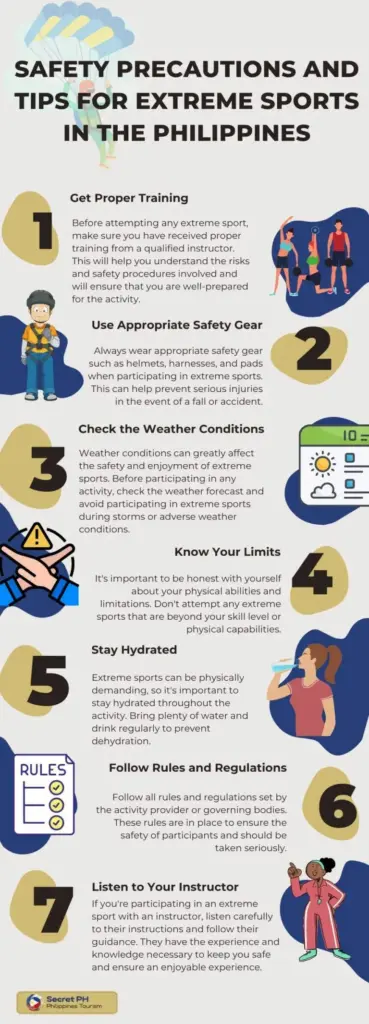
For those new to extreme sports, safety should always be the top priority. One of the key extreme sports safety tips is to seek professional guidance before diving into an activity. Taking lessons from certified instructors is crucial as they provide insights into not just the techniques of the sport but also essential safety measures that can significantly reduce the chances of injury. Understanding equipment usage and the protocols for emergencies is vital for any beginner.
Additionally, beginners should realize the importance of starting slow and acknowledging their limits. Engaging in extreme sports without sufficient training or experience can lead to dangerous situations. It is recommended that novices practice basic skills in controlled environments before moving on to more challenging conditions. By following these initial safety tips, beginners can build confidence and gradually enjoy the full spectrum of experiences that extreme sports have to offer.
Choosing Essential Safety Gear for Extreme Sports
Selecting the right safety gear is a fundamental aspect of enjoying extreme sports safely. Each sport has its unique requirements, and understanding these essentials is vital for risk management. For instance, skydivers should prioritize a certified parachute and a securely fitted helmet to protect against high-altitude impacts. Meanwhile, rock climbers should equip themselves with quality climbing shoes, harnesses, and ropes, ensuring they have the necessary support while tackling difficult climbs.
Incorporating other essential gear, such as knee pads for mountain bikers or wetsuits for surfers, can also significantly reduce the risk of injuries. Proper precautions with quality equipment protect athletes from adverse situations, including falls and environmental challenges. Understanding what gear is needed for each specific sport and ensuring that it meets safety standards can help participants prevent accidents and focus on the excitement of their adventure.
Training Techniques for Extreme Sports Enthusiasts
Training is instrumental in preparing for extreme sports and ensuring that participants remain safe while pushing their limits. It is advisable to engage in regular physical conditioning that encompasses strength, flexibility, and endurance to enhance overall athletic performance. This type of training not only builds the necessary physical capabilities but also acclimates the body to the demands of each sport. Additionally, it helps reduce the likelihood of injuries associated with overexertion.
Moreover, athletes should immerse themselves in pre-sport training sessions that focus on the specific skills of the sport they are interested in. Techniques may vary from safety drills in rock climbing to agility training for mountain biking. Having structured training ensures that participants are equipped with the skills required to handle unexpected challenges during their adventures, ultimately enhancing both safety and enjoyment.
Environmental Awareness in Extreme Sports
Awareness of environmental conditions is crucial for maintaining safety in extreme sports. Weather plays a significant role in the feasibility of outdoor activities; sudden changes can create dangerous scenarios. Athletes should always check forecasts and understand how various conditions like wind, temperature, and precipitation can affect safety. For example, heavy snowfall could obscure trails for skiers or increase the likelihood of avalanches.
Moreover, understanding the terrain and possible hazards in the vicinity is essential for managing risks effectively. Participants should familiarize themselves with local maps, scout escape routes, and remain vigilant for any wildlife that could pose a threat. Overall, cultivating an awareness of the environment not only enhances safety but also enriches the experience, allowing athletes to fully appreciate their surroundings while engaging in extreme sports.
Emergency Preparedness for Extreme Sports Adventures
Accidents are an inevitable part of engaging in extreme sports, which is why emergency preparedness is crucial. Athletes should always carry a well-stocked first aid kit designed for their specific sport and environment. Being equipped with the right tools can make a significant difference in managing injuries before professional help can arrive. This kit should include items such as bandages, antiseptics, and any specific medication one might need during outdoor adventures.
In addition to a first aid kit, having a reliable communication device is essential, especially in remote areas where help may not be readily available. An emergency phone or radio can be a lifesaver in times of crisis, allowing athletes to quickly contact emergency services or alert their partners if an accident occurs. Learning basic first aid techniques can empower athletes to act confidently in emergencies, increasing the likelihood of a positive outcome during unexpected situations.
Physical Fitness and Nutrition for Extreme Sports
Physical fitness and nutrition directly influence an athlete’s ability to safely participate in extreme sports. An effective exercise regimen that includes routines focusing on cardiovascular health, endurance, and flexibility is paramount. These elements enhance performance and reduce the risk of injuries associated with fatigue or improper movement. Regular physical fitness not only prepares the body for the demands of extreme activities but also fosters a quicker recovery afterward.
Additionally, maintaining proper nutrition and hydration before, during, and after extreme sports activities is crucial. Dehydration and poor nutrition can dramatically hinder performance, leading to exhaustion or even accidents. Athletes should prioritize balanced meals rich in carbohydrates, proteins, and healthy fats to fuel their bodies adequately. Keeping hydrated helps maintain stamina and ensures athletes remain alert and ready to adapt to their environment, ultimately enhancing safety.
First Aid Skills for Extreme Sports Participants
Knowing basic first aid skills is invaluable for those engaging in extreme sports. While having a first aid kit is essential, the ability to use the items within it is what can truly make a difference in emergencies. Understanding how to assess injuries, administer CPR, and manage shock can equip athletes to handle situations more effectively until professional medical help arrives. Basic first aid training programs are widely available and can empower participants with the skills to manage common injuries that may occur in various environments.
Moreover, athletes should familiarize themselves with specific injuries related to their chosen activities. For example, rock climbers should learn how to treat falls or sprains, whereas mountain bikers might deal with abrasions or fractures. Preparing for sports-specific scenarios can enhance an athlete’s readiness and ensure a level of comfort when dealing with emergencies. Ultimately, these skills not only encourage safety but also promote confidence in adventurers when navigating the unpredictable nature of extreme sports.
Balancing Thrills and Safety in Extreme Sports
Finding a balance between thrill and safety is essential for anyone participating in extreme sports. The adrenaline rush that comes from these activities is often what draws people in, but it is vital to prioritize safety to keep enjoying these experiences over time. Engaging fully in the thrill while adhering to established safety guidelines allows athletes to push their boundaries without taking unnecessary risks. This balance can be achieved through proper training, using safety gear, and accumulating experience progressively.
Ultimately, the thrill of extreme sports does not have to come at the expense of safety. By cultivating responsible practices and understanding the necessary precautions, athletes can embrace the excitement while managing risks effectively. This ensures that their adventures not only provide unforgettable memories but also remain responsible and secure. Prioritizing this balance between thrill and safety will lead to long-term engagement in extreme sports and a lifetime of exciting adventure opportunities.
Frequently Asked Questions
What are some essential extreme sports safety tips to follow?
To ensure safety while enjoying extreme sports, always wear appropriate safety gear, such as helmets and harnesses, undergo proper training, monitor weather conditions, and practice in a controlled environment with a buddy.
How can training for extreme sports enhance safety?
Training for extreme sports is vital as it teaches you the necessary skills, safety protocols, and techniques to perform activities safely, thus minimizing risks and enhancing your overall experience.
What safety gear is recommended for rock climbing?
For rock climbing, essential safety gear includes a secure harness, climbing shoes, high-quality ropes, and locking carabiners, which help ensure your safety while climbing.
Why is emergency preparedness important in extreme sports?
Emergency preparedness is crucial in extreme sports as it provides a plan to follow in case of accidents. Carrying a first aid kit, knowing basic first aid, and having communication devices can save lives.
How does understanding weather conditions contribute to extreme sports safety?
Knowing the weather conditions before participating in extreme sports is essential as adverse weather can significantly affect safety, leading to injuries or accidents if ignored.
What should I include in my first aid kit for extreme sports?
Your first aid kit for extreme sports should include bandages, antiseptic wipes, pain relievers, a tourniquet, and sport-specific items like splints or muscle rubs tailored to the sport you’re practicing.
What type of physical fitness is essential for extreme sports?
Engaging in regular cardiovascular, strength, and flexibility training is essential for extreme sports. This fitness routine enhances endurance and prepares your body for the physical demands of these activities.
How can I improve my risk management while engaging in adventure sports?
Improving risk management in adventure sports involves understanding your limits, using proper equipment, staying informed about the environment, and always practicing in safe conditions.
Is it necessary to practice extreme sports with a partner?
Yes, practicing extreme sports with a partner enhances safety, as they can assist in emergencies, ensure adherence to safety protocols, and provide support when needed.
What are the benefits of wearing safety gear during extreme sports?
Wearing safety gear during extreme sports protects vulnerable areas of the body from injuries, reduces the severity of falls, and boosts confidence in tackling challenging activities.
| Aspect | Tips |
|---|---|
| Understanding Extreme Sports | Recognize risks such as injuries and approach sports with caution. |
| Importance of Safety | Safety should be the top priority. Know how to mitigate risks. |
| Essential Safety Gear | Use appropriate gear like parachutes for skydiving, harnesses for climbing, and helmets for biking. |
| Training and Preparation | Take lessons, know your limits, and practice with a buddy for safety. |
| Environmental Awareness | Check weather conditions, know the terrain, and be aware of local wildlife. |
| Emergency Preparedness | Carry a first aid kit, have a communication device, and learn basic first aid. |
| Physical Fitness and Nutrition | Maintain fitness through exercise, stay hydrated, and allow for recovery. |
Summary
Extreme Sports Safety Tips are crucial for anyone looking to engage in adventure sports. These tips emphasize the importance of understanding risks, using appropriate safety gear, and preparing adequately before participating in extreme activities. Training and environmental awareness are equally vital, as they can prevent accidents and enhance enjoyment. Emergency preparedness and maintaining physical fitness further contribute to a safer experience. Ultimately, prioritizing safety in extreme sports not only maximizes enjoyment but also minimizes risks, allowing thrill-seekers to focus on the adrenaline rush while ensuring their wellbeing.