
Listen to this article
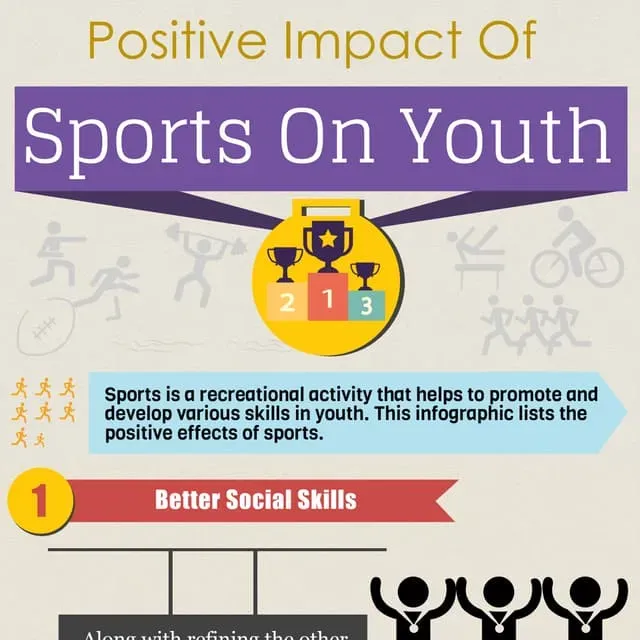
The impact of sports on youth development is profound, transcending mere physical engagement to influence various aspects of a young person’s life. Participating in youth sports benefits individuals by promoting character building through sports, enhancing their social skills, and instilling a sense of teamwork necessary for collaboration. This engagement not only nurtures physical health but also fosters significant improvements in academic performance, reinforcing the connection between sports and education. Furthermore, sports facilitate valuable mental health outcomes for young athletes, creating an environment where they can cope with challenges and develop resilience. As youth navigate their formative years, the lessons learned on the field or court become integral to their holistic development, preparing them for future successes in both education and life.
Exploring how athletic participation influences the personal growth of young individuals sheds light on the essential role of sports in nurturing well-rounded citizens. Youth sports engagement serves as a platform for developing critical life skills such as teamwork in sports and effective communication, which are crucial for success in and out of the classroom. In this context, the relationship between physical education and academic performance emerges clearly, highlighting how activity promotes both mental clarity and social interaction. Moreover, sports not only encourage discipline and focus but also enhance mental health for youth, providing an outlet for emotional expression and support. By understanding these dynamics, we can better appreciate the necessity of integrating athletic opportunities into educational systems.
Impact of Sports on Youth Development
The impact of sports on youth development is profound and multifaceted, influencing various aspects of a child’s life. Engaging in sports provides young individuals with opportunities to develop essential life skills such as discipline, teamwork, and resilience. These skills are critical at a formative age, as they prepare youths not only for athletic competitions but also for the challenges of academic pursuits and future careers. Sports instill a sense of commitment and accountability, which can significantly shape a young person’s character. Furthermore, the experiences gained through sports often reinforce the values learned at home and in educational settings, acting as a bridge between personal and academic growth.
In addition to individual skill development, the role of sports in youth communities cannot be overlooked. Sports foster a sense of belonging and camaraderie among participants, which is incredibly beneficial for social development. Young athletes forge friendships across diverse backgrounds, learning the importance of collaboration and mutual respect. This social engagement enhances their communication skills and helps in cultivating long-lasting relationships, ultimately leading to a positive impact on their overall development.
Frequently Asked Questions
What are the key youth sports benefits for personal development?
Youth sports benefits encompass various aspects of personal development, including enhanced self-discipline, improved time management, and increased resilience. Through consistent practice and competition, young athletes learn valuable life skills that extend beyond sports, aiding their academic and personal growth.
How do sports impact academic performance in youth?
Studies indicate that sports participation positively influences academic performance. Engaging in physical activity enhances concentration, promotes effective time management, and develops social skills, which altogether contribute to better educational outcomes.
In what ways does character building through sports influence youth?
Character building through sports instills essential values such as teamwork, determination, and responsibility in youth. These qualities help shape their personalities and prepare them for challenges in both academic settings and life beyond sports.
What role does physical education play in the impact of sports on youth development?
Physical education is crucial as it integrates sports into school curricula, promoting fitness and healthy habits. It encourages youth to engage in physical activities, leading to improved health and overall youth development.
Are there any mental health benefits associated with youth sports?
Yes, youth sports significantly contribute to mental health by reducing anxiety, enhancing mood, and providing an outlet for emotional expression. Participation in sports helps young individuals build resilience and cope with stress.
How do teamwork in sports enhance social skills among youth?
Teamwork in sports teaches youth how to collaborate, communicate effectively, and resolve conflicts. These social skills are transferable, benefiting them in classroom settings and during social interactions in daily life.
Can youth sports lead to sports scholarships for young athletes?
Definitely! Talented young athletes can earn sports scholarships, which provide opportunities for higher education. This incentivizes youths to maintain excellence in both academics and athletics, fostering their overall development.
What physical health benefits can youth gain from participating in sports?
Participating in sports helps combat rising obesity rates, promotes physical fitness, and teaches young people the importance of a healthy lifestyle. Regular activity contributes to long-term health and wellness.
How do sports develop resilience in youth?
Through participation in sports, youths face both victories and losses, teaching them to build resilience. Learning to manage disappointment and celebrate success fosters a growth mindset, essential for overcoming life’s challenges.
How can schools enhance the impact of sports on youth development?
Schools can enhance the impact of sports by integrating comprehensive physical education programs, offering diverse sports opportunities, and emphasizing the educational and personal development benefits associated with youth sports.
| Key Point | Description |
|---|---|
| Discipline and Responsibility | Sports teach young athletes the importance of time management, goal setting, and hard work. |
| Enhanced Academic Performance | Participation in sports correlates positively with improved focus, social skills, and information retention. |
| Social Skills Development | Team sports foster communication, conflict resolution, and collaboration among peers. |
| Building Resilience | Experiences in sports help youths cope with losses and celebrate victories with humility. |
| Mental Health Benefits | Engagement in sports reduces anxiety and depression, promoting a positive self-image. |
| Physical Health Benefits | Sports combat obesity and encourage lifelong healthy habits through physical activity. |
| Scholarship Opportunities | Athletic achievements can lead to scholarships and higher education opportunities. |
Summary
The impact of sports on youth development is profound and multifaceted, influencing personal growth, education, and social interactions. Engaging in sports teaches valuable life skills such as discipline, resilience, and teamwork, which are essential for academic and future success. Furthermore, sports participation has been linked to improved mental health, physical fitness, and social capabilities, fostering a well-rounded development for young individuals. As communities and educational institutions recognize the significance of sports, they contribute to nurturing not only skilled athletes but also responsible citizens. Thus, prioritizing sports in youth education is crucial for holistic development.

