
Listen to this article
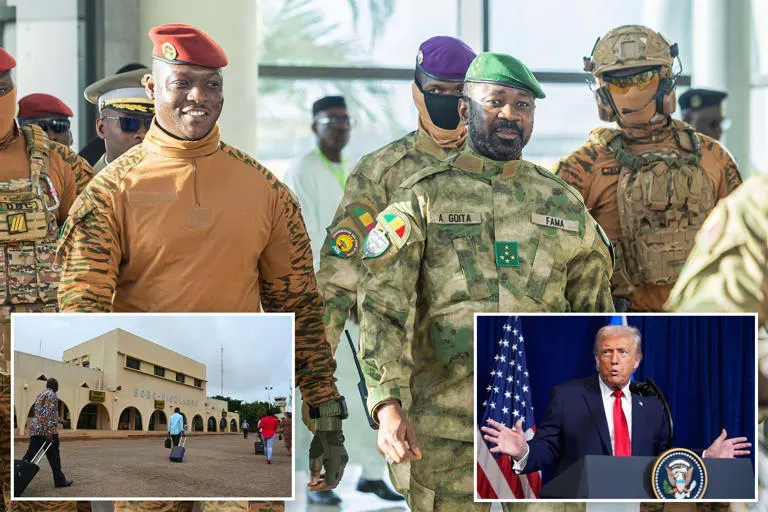
The recent Mali travel ban on US citizens marks a significant escalation in global travel restrictions, particularly in the West African region. In response to the US’s tight immigration controls and the Trump administration’s policies, Mali has joined Burkina Faso in imposing entry restrictions against American nationals. This reciprocal travel ban reflects a heated diplomatic environment, where mutual respect and sovereign equality are being redefined. The decisions of both nations highlight the growing trend of West Africa travel restrictions, as they respond to policies perceived as unjust by foreign governments. As US citizens abroad navigate these shifting landscapes, understanding the implications of such bans becomes increasingly pivotal.
In a noteworthy turn of events, countries like Mali and Burkina Faso have taken strong measures to restrict entry for American visitors. Following a series of immigration control policies by the previous US administration, these West African nations have reacted with their own travel prohibitions, stemming from a desire for reciprocity. As regional tensions rise, the dynamics of international travel appear to be evolving, especially for US nationals who may find their options increasingly limited. This situation points to broader themes of national sovereignty and international relations, where diplomatic ties may pivot based on perceived fairness in travel protocols. Ultimately, the ongoing developments prompt a reevaluation of how countries interact with one another amid changing political climates.
Understanding the Mali Travel Ban on US Citizens
The recent decision by Mali to impose a travel ban on US citizens is a significant diplomatic response following the Trump administration’s tightening of immigration controls. This reciprocal action reflects broader geopolitical tensions between the U.S. and certain West African nations, specifically Mali and Burkina Faso. The ban highlights the growing complexity of international travel regulations, particularly in regions where military regimes have taken control. Travelers from the United States should be aware of this evolving situation, as it could impact their plans and safety when considering travel to West Africa.
In the context of a broader set of West African travel restrictions that have emerged, Mali’s measures symbolize a reaction not only to the US travel ban but also to a collective shift among nations grappling with the implications of U.S. foreign policy. This move raises questions about how US citizens abroad will navigate entry policies in other countries also feeling the pressure of the Trump immigration policy. Therefore, it’s essential for travelers to monitor these developments closely to avoid complications, including the likelihood of being denied entry.
The Impact of Burkina Faso’s Travel Ban on US Nationals
Burkina Faso has joined Mali in the decision to impose bans on US nationals, citing the principle of reciprocity as the foundation for its actions. The foreign affairs minister emphasized that such measures were enacted in response to the reciprocal policies set forth by the Trump administration. This aligns with a broader understanding of how international relations can pivot sharply in response to immigration policies that are perceived to be exclusionary or unjust. Consequently, the travel ban serves as both a form of protest and a protective strategy by Burkina Faso.
This ban places additional stress on US citizens looking to travel to West Africa for various purposes including tourism, business, or humanitarian efforts. With the Trump administration’s ongoing changes to immigration and travel policies, individuals must navigate these new restrictions with caution. It is worth noting that Burkina Faso, alongside Mali and Niger, is part of a regional bloc that is challenging established global norms regarding immigration and entry. This emerging relationship among these nations may lead to increased travel complications and necessitates a reassessment of travel plans for US citizens.
Navigating West Africa Travel Restrictions for US Citizens
Travel restrictions in West Africa have intensified, particularly with recent bans imposed by Mali and Burkina Faso on US citizens. These developments call for a careful approach for any US nationals considering travel to this region. The reciprocal travel ban is not an isolated incident but rather part of a larger trend of countries reacting to the tightening immigration policies introduced under President Trump’s administration. Understanding these dynamics is crucial for travelers, as they may influence not only visa applications but also entry procedures upon arrival.
Travelers must stay informed about the specifics of these restrictions and any updates that may arise. Each country has its own protocols regarding residency and entry, which can change rapidly due to political pressures. Moreover, with several nations under review for full or partial travel bans, it’s essential to plan accordingly, including checking travel advisories and maintaining awareness of potential waivers or exceptions. Programs or arrangements that once facilitated travel may now require additional documentation or verification, emphasizing the need for vigilant preparation.
Reciprocal Travel Bans: Context and Consequences
The concept of reciprocal travel bans has gained traction in recent months as nations respond to the increasingly stringent immigration policies of the Trump administration. The bans imposed by Mali and Burkina Faso on US citizens are symptomatic of a growing trend where countries leverage travel restrictions as tools of diplomacy. This not only affects travelers but also has significant implications for international relations, highlighting how interconnected these issues are on a global scale.
The consequences of such reciprocal bans go beyond immediate travel restrictions. They can severely impact economic activities, tourism sectors, and bilateral relations over time. As countries like Mali and Burkina Faso navigate their foreign policy in reaction to US immigration controls, other nations might follow suit, further complicating the travel landscape. For US citizens, this could lead to restricted access to various parts of West Africa, potentially fostering a climate of uncertainty and distrust in diplomatic relations.
The Influence of Trump’s Immigration Policy on Global Travel
Trump’s immigration policy has left a lasting impact on global travel dynamics. His administration’s focus on tightening immigration controls has prompted various countries to reevaluate their visa restrictions on US citizens, considering measures like the travel bans implemented by Mali and Burkina Faso. These developments illustrate how domestic policies can have far-reaching international implications, creating ripples in diplomatic relationships and travel regulations.
The tightening of US borders under Trump’s leadership not only affects individuals seeking entry to the United States but also influences how other nations formulate their entry policies. The correlations between the US and countries like Mali and Burkina Faso signify a growing trend where immigration laws become tools of political leverage. Travelers should remain vigilant about how changes in US policy can directly influence their options when traveling abroad, particularly to regions experiencing heightened tensions.
Travel Advisories for US Citizens Considering West Africa
As travel advisories become increasingly crucial for US citizens considering trips to West Africa, it’s important to recognize the shifting landscape influenced by recent travel bans. Both Mali and Burkina Faso have imposed restrictions based on reciprocal measures stemming from the Trump immigration policy, and these advisories reflect a need for caution. Travelers should monitor official government notifications regarding entry requirements and potential restrictions to navigate their journeys safely.
Additionally, engaging with updated travel advisories gives US citizens insights into the sociopolitical climates of their intended destinations. Staying informed about safety protocols, health advisories, and visa regulations can significantly enhance trip planning. A thorough evaluation of the current political environment is essential to avoid potential setbacks and ensure a smoother, more informed travel experience in regions with active travel restrictions.
The Role of Military Governance in Travel Policies
The rise of military governance in West Africa has profoundly influenced travel policies, particularly regarding US citizens. The military juntas governing Mali, Burkina Faso, and Niger have adopted more stringent measures in reaction to US actions, demonstrating how domestic governance can shape international travel norms. These governments are using travel restrictions as a means of asserting sovereignty and challenging Western influence, which can alter the sociopolitical landscape of the region.
Travel policies in these countries reflect a broader strategy of managing foreign relations and asserting national interests—a strategy that includes the imposition of travel bans on US nationals. For travelers, understanding this context is vital; the intersection of military rule and international relations introduces complexities that could affect their plans significantly. With military regimes prioritizing these measures, the landscape of travel in West Africa is increasingly unpredictable and requires careful consideration and planning.
Understanding the Broader Context of Travel Bans
The decisions made by Mali and Burkina Faso regarding reciprocal travel bans are part of a larger context of international relations influenced by the Trump administration’s policies. This interconnected web shows how domestic immigration policies can lead nations to adopt similar stances in response, creating a pattern that may redefine how countries interact on travel and immigration matters. The broader implications of these bans highlight a significant shift towards protectionism in global travel.
Furthermore, understanding the underlying factors contributing to these travel restrictions, including regional instability and the shifting alliances toward nations like Russia, adds depth to the discussion. It emphasizes the need for US citizens to remain vigilant and informed when considering travel to these regions. As such policies continue to evolve, travelers must adapt and prepare for changes that may impact their safety and accessibility in tumultuous geopolitical climates.
The Future of US Travel to West Africa Post-Ban
Looking ahead, the future of US travel to West Africa may face significant hurdles due to the travel bans established by Mali and Burkina Faso. As these nations continue to assert their positions against the backdrop of the Trump administration’s immigration policies, US citizens will need to adapt to a new reality where travel isn’t as straightforward. The evolving situation necessitates persistent updates on any lifting or changes in these restrictions, as well as awareness of the diplomatic relationships that can affect travel policies.
Future travel for US citizens may rely heavily on diplomatic negotiations and improvements in relations between the US and these West African nations. Should there be progress in addressing the underlying concerns that prompted these bans, travelers may eventually regain unrestricted access to these countries. However, until tangible changes occur, anyone considering travel to the region should carefully evaluate their plans, stay updated with official travel advisories, and seek alternative routes when necessary.
Frequently Asked Questions
What is the Mali travel ban on US citizens and why was it implemented?
The Mali travel ban on US citizens was recently initiated as a response to the US administration’s tightened immigration controls, particularly under the Trump administration. Mali’s foreign ministry stated that the ban is based on the principle of reciprocity after the US imposed a full-entry restriction on individuals from several countries, including Mali.
How does the Mali travel ban affect US citizens currently in West Africa?
US citizens currently in West Africa may face challenges due to the Mali travel ban on US citizens, especially if they plan to travel to Mali or Burkina Faso. It is advisable for US citizens to stay updated on travel advisories and consider alternative routes if their plans involve these countries.
Are there exceptions to the Mali travel ban on US citizens?
Yes, there may be exceptions to the Mali travel ban on US citizens, particularly for lawful permanent residents, current visa holders, diplomats, and athletes traveling for significant sporting events. The US administration noted that case-by-case waivers may also be available for travel deemed in the national interest.
What other countries have implemented travel bans similar to Mali on US citizens?
In addition to Mali, Burkina Faso and Niger have also announced travel bans on US citizens as part of a regional response to US immigration restrictions. This reflects a broader trend of West Africa travel restrictions in light of recent changes in diplomatic relations.
How does the Mali travel ban relate to Trump immigration policy?
The Mali travel ban is a direct consequence of the Trump immigration policy, which has enforced strict travel restrictions on nations deemed security risks. The affected countries, including Mali, have responded by imposing their own bans on US citizens as a reaction to these policies.
What should US citizens know before traveling to countries with recent travel bans like Mali?
US citizens planning to travel to countries with recent travel bans such as Mali should remain informed about the latest travel restrictions, prepare for potential entry denial, and consult travel advisories issued by the US State Department for safety and alternate travel considerations.
Will the travel ban on US citizens in Mali and Burkina Faso be lifted?
The travel bans on US citizens in Mali and Burkina Faso may be lifted if diplomatic relations improve and the US provides evidence of better cooperation regarding immigration and identity management. Continuous evaluation of the situation is essential for any updates regarding these restrictions.
Is the Mali travel ban on US citizens permanent?
The Mali travel ban on US citizens is not necessarily permanent; it is subject to change based on future diplomatic negotiations and improvement in relations. The situation may evolve as both countries assess ongoing agreements and collaborations.
| Key Points |
|---|
| Mali and Burkina Faso have announced a travel ban on US citizens as a response to US travel restrictions imposed on them. The bans were explained as measures of ‘reciprocity’ and ‘mutual respect.’ The two nations recently fell under full entry restrictions due to the Trump administration’s travel ban. |
| Burkina Faso’s minister pointed to ‘principle of reciprocity’ while Mali expressed regret that the US’s decision was made without prior consultation. |
| Niger also announced a travel ban on US citizens, paralleling the actions taken by Burkina Faso and Mali. These countries are governed by military regimes and are moving closer to Russian influence. |
| The US travel ban includes individuals from Mali, Burkina Faso, Niger, South Sudan, Syria, and certain Palestinian Authority passport holders, effective January 1. |
| The travel restrictions are aimed at enhancing US security and will remain until countries demonstrate credible improvements in identity management and cooperation. |
| Exemptions apply for lawful permanent residents, current visa holders, and specific travel deemed in the national interest. |
Summary
The Mali travel ban on US citizens highlights a growing trend of reciprocal travel restrictions following the US’s own immigration policies. Both Mali and Burkina Faso, governed by military juntas, implemented these bans in protest against the US travel restrictions initiated by the Trump administration. This development signifies a shift in international relations, particularly among West African states, as they seek to assert their sovereignty and redefine ties with the global community, especially in light of shifting alliances towards Russia.

