
Listen to this article
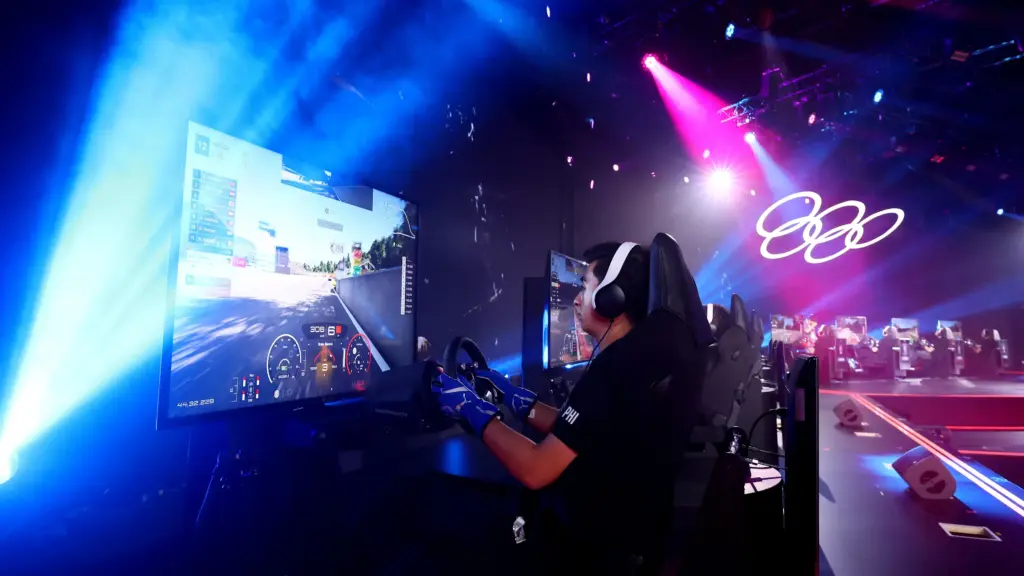
eSports has rapidly emerged as a vibrant phenomenon in the world of competitive video gaming, capturing the attention of millions across the globe. This digital sport consists of organized competitions where professional players and teams face off in various gaming genres, from first-person shooters to multiplayer online battles. The excitement surrounding eSports tournaments has transformed the entertainment industry, creating substantial prize pools and attracting major sponsors, solidifying the future of eSports as a legitimate segment of sports culture. As enthusiasts stream live events on platforms like Twitch, the electrifying atmosphere of gaming competitions unites players and fans alike, marking a new chapter in how sports are experienced. With the rapid growth of professional gaming, the landscape of eSports is set to evolve further, promising unforgettable experiences for both competitors and audiences.
The realm of electronic sports—more colloquially known as gaming competitions—has captured the imagination of audiences worldwide. These organized events feature skilled participants battling it out in a variety of digital games, showcasing their prowess in a highly competitive environment. eSports tournaments have become a major draw, reminiscent of traditional sporting events but uniquely tailored to the gaming community. With increased visibility and sponsorship involvement, professional gaming stands at the forefront of modern entertainment, significantly influencing how we perceive competition. As this phenomenon evolves, we witness an ongoing shift that marries gaming culture with athletic achievement, providing exhilarating experiences for fans and gamers alike.
Understanding the Essence of eSports
eSports, a term synonymous with electronic sports, unveils a vibrant world of competitive video gaming that transcends geographical barriers and connects players globally. At its core, eSports embodies organized contests across diverse video game genres, bringing together amateur and professional gamers to compete in electrifying matchups. This digital battleground isn’t limited to action-packed formats; it also includes strategic gameplay that demands precision, teamwork, and skill, making it unique compared to traditional sports.
As the eSports ecosystem evolves, it reflects not only the competitive spirit of players but also the diverse cultures that influence gameplay. The rise of eSports tournaments—from intense local competitions to grand international leagues—mirrors traditional sports’ competitive nature. Unlike conventional arenas, these tournaments captivate millions through live streaming on platforms such as Twitch and YouTube, showcasing unforgettable moments that resonate deeply within the gaming community.
The Dynamic Growth of eSports
The explosive growth of eSports cannot be overlooked, as it now claims a significant space in the global market. Reports indicate that viewership numbers rival those of traditional sports, with major eSports tournaments attracting massive audiences. For instance, the 2019 League of Legends World Championship witnessed an astonishing 100 million unique viewers, marking a pivotal moment in how society consumes entertainment. This meteoric rise has been fueled by the increasing accessibility of gaming platforms and the strategic investments made by corporate sponsors.
Furthermore, social media platforms have revolutionized how fans engage with eSports. By facilitating live interactions between gamers and their audiences, platforms like Twitch empower communities to form around their favorite games, fostering a sense of camaraderie and excitement. As corporate sponsorships flood the industry, it’s clear that brands recognize eSports as a prime opportunity for reaching younger demographics, thereby intertwining the future of competitive video gaming with the business world.
The Thrill of eSports Tournaments
eSports tournaments serve as the heartbeat of competitive gaming, showcasing the pinnacle of skill and strategy in a vibrant spectacle. Major events such as The International and the League of Legends World Championship not only highlight top-tier gameplay but also offer lucrative prize pools that can surpass $30 million. Beyond the competitive edge, these tournaments create a festival-like atmosphere that unites players and fans alike, whether they’re watching from home or experiencing the excitement live at an arena.
The structure of eSports tournaments often entails a rigorous process that enhances viewer engagement, including qualifying rounds, group stages, knockouts, and thrilling finals. Each component builds anticipation and heightens the stakes, igniting fierce rivalries and unforgettable moments. With dynamic commentary, analysis, and entertaining acts between games, these events transcend mere competition, evolving into memorable experiences that leave lasting impressions on audiences worldwide.
COVID-19’s Influence on eSports Growth
The COVID-19 pandemic has profoundly shaped the trajectory of the eSports industry, transforming it into a refuge for sports enthusiasts during challenging times. As traditional sports leagues faced cancellations, eSports provided an alternative that preserved competitive spirit and engagement. This shift not only attracted die-hard gamers but also drew in new spectators who sought entertainment during prolonged lockdowns.
The adaptation of traditional athletes into eSports arenas blurred the lines between electronic and physical sports, demonstrating eSports’ flexibility and appeal. With more viewers tuning in, the pandemic has reinforced the concept of eSports as a legitimate form of competition, capable of thriving in times of uncertainty. As the world recovers, the momentum gained during these unprecedented times will likely continue to propel eSports into mainstream acceptance.
Addressing Challenges in the eSports Landscape
As eSports experiences rapid expansion, it faces numerous challenges that could impede its growth. A significant issue is the lack of standardization and regulation across different gaming titles and regions. The fragmented nature of eSports tournaments often leads to inconsistency in rules and formats, which can confuse participants and audiences alike. Establishing governing bodies similar to those in traditional sports could enhance legitimacy and foster a sense of unity in competitive gaming.
Moreover, the perception of eSports continues to be a double-edged sword. While many now acknowledge it as a professional sport, skeptics frequently dispute its validity by contrasting it with physically demanding activities. Addressing these concerns is crucial for the continued acceptance of eSports. Additionally, prioritizing player welfare by promoting healthy gaming habits, mental health support, and balancing competition with downtime is essential for nurturing a sustainable eSports ecosystem.
The Future of eSports: Emerging Trends
The future of eSports appears to be brimming with possibilities, as industry forecasts predict exponential growth. With diverse revenue streams emerging—such as merchandising, advertising partnerships, and media rights—the economic landscape for competitive gaming is expanding. Enhanced by technological advancements, the integration of virtual reality (VR) and augmented reality (AR) is set to revolutionize both the gaming experience and the structure of competitions, creating immersive environments that engage players and spectators alike.
Moreover, the acceptance of eSports within educational institutions signifies a broader recognition of gaming as a viable professional path. Scholarships for aspiring players and tailored academic programs are beginning to crop up, aligning with the increasing demand for skills within this evolving job market. As new games and genres emerge, the eSports landscape will continue to diversify, maintaining engagement and fostering community growth, thus securing its position in the realm of competitive sports.
eSports and Mainstream Recognition
The rise of eSports has led to increased recognition in mainstream media and industries, bridging the gap between gaming and traditional sports. Major networks are beginning to air eSports events, and partnerships between eSports organizations and renowned brands are becoming commonplace. This symbiotic relationship has not only elevated the profile of competitive gaming but has also helped to legitimize the concept of eSports in the eyes of the mainstream audience.
Moreover, the surge of mainstream coverage adds a layer of credibility to the profession of gaming, as it showcases the talent and dedication required to excel. As universities recognize competitive gaming through scholarships and dedicated programs, the stigma associated with video gaming as purely recreational is fading. The narrative surrounding eSports is evolving, shifting towards appreciation for the skill, teamwork, and strategic thinking required in these competitive scenarios.
Understanding eSports Fan Engagement
Fan engagement in eSports is unlike any other, characterized by a unique blend of interactivity and community involvement. With millions of viewers adhering to favorite teams and players, the relationship between competitors and their fans is often more personal than in traditional sports. Live streaming platforms allow fans to interact in real-time, boosting the sense of connection and loyalty within the community.
Accessibility plays a vital role in establishing this engagement. Fans can participate not only as viewers but also as players, entering tournaments or joining discussions in online forums. The immediacy of social media channels facilitates continuous dialogue between fans and players, further driving engagement and enhancing the overall experience. This ecosystem ensures that fans feel like a crucial part of the eSports community, contributing to the excitement surrounding upcoming competitions and events.
The Economic Impact of eSports
The economic ramifications of the eSports industry are increasingly significant, with growth projected across various sectors. The rise of eSports tournaments brings substantial financial benefits, ranging from ticket sales to accommodation charges for fans attending live events. Corporate sponsorships are also at an all-time high, as leading brands seek to tap into the lucrative market of engaged millennial and Gen Z audiences. Companies understand that associating with eSports can yield positive visibility and brand loyalty.
Moreover, ancillary businesses tied to the eSports phenomenon, such as merchandise sales, content creation, and coaching services, are flourishing. The integration of eSports into local economies provides an opportunity for job creation, while also encouraging investments in technology and infrastructure. As the industry continues to evolve, the economic influence of eSports will likely extend beyond gaming, injecting new life into markets while reshaping perceptions of what constitutes sport.
Frequently Asked Questions
What is the future of eSports?
The future of eSports looks bright, with predictions of exponential growth driven by technology advances, increased viewership, and the integration of educational programs that promote gaming skills. As more corporate sponsorships and media rights deals surface, eSports is set to become a dominant force in the sports industry.
How are eSports tournaments structured?
eSports tournaments typically follow a structured format that includes qualifying rounds, group stages, knockout rounds, and finals. This structure adds to the excitement, showcasing top-tier gameplay while engaging viewers through live broadcasts and commentary.
What impact has COVID-19 had on eSports?
The COVID-19 pandemic significantly boosted eSports as traditional sports faced cancellations. With more people turning to online gaming and competitions during lockdowns, eSports became a popular entertainment choice, integrating both casual gamers and professional athletes into the realm of competitive video gaming.
Are there scholarships available for professional gaming?
Yes, many universities and colleges are recognizing the legitimacy of eSports by offering scholarships for talented gamers. This trend reflects the growing acceptance of professional gaming as a career path and the important skills it can develop.
What challenges does the eSports industry face?
The eSports industry faces several challenges including the lack of regulation and standardization, varying perceptions of eSports compared to traditional sports, and concerns regarding player welfare, particularly relating to mental health and burnout.
How do corporate sponsors benefit from eSports?
Corporate sponsors benefit from eSports by reaching a large and engaged audience. Sponsorship deals enhance brand visibility, driving engagement through partnerships with established eSports teams and tournaments with significant viewership.
What types of games are typically featured in eSports competitions?
eSports competitions encompass a wide range of games, including popular genres such as first-person shooters (FPS), real-time strategy games (RTS), and multiplayer online battle arenas (MOBA). Examples include **Counter-Strike**, **StarCraft**, and **League of Legends**.
How has social media influenced eSports?
Social media platforms have played a crucial role in the growth of eSports by facilitating community building among gamers and allowing direct interaction with fans. Websites like Twitch and YouTube enable live streaming, fostering a dedicated audience around competitive video gaming.
What is the significance of prize pools in eSports tournaments?
Prize pools in eSports tournaments are significant as they attract top-tier talent and enhance competitive tension among players. Many tournaments feature prize pools that can exceed millions of dollars, incentivizing participation from the best in professional gaming.
How can new players get started in eSports?
New players can enter the eSports scene by choosing their preferred game, practicing to improve their skills, and participating in online competitions. Engaging with the gaming community through platforms like Twitch or Discord also helps aspiring eSports athletes connect with others and learn more about competitive opportunities.
| Key Points | Details |
|---|---|
| Definition of eSports | eSports refers to organized competitions of video games across various genres, including FPS, RTS, and MOBA. |
| Rapid Growth | eSports viewership competes with traditional sports, exemplified by millions watching major tournaments like the League of Legends World Championship. |
| Tournaments and Prize Pools | Events like The International for Dota 2 offer substantial prize funds, attracting large audiences both online and offline. |
| Impact of COVID-19 | During the pandemic, eSports flourished as traditional sports were halted, with increased participation and viewership. |
| Challenges | The industry faces regulation, perception issues, and player welfare concerns amidst its growth. |
| Future Perspectives | Predictions indicate ongoing growth, with advancements in technology altering competition formats and increasing academic recognition. |
Summary
eSports is rapidly establishing itself as a formidable contender in the landscape of competitive sports. As digital competitions gain recognition and viewership, it’s clear that eSports is not just a passing trend but a significant evolution in sporting entertainment. With its diverse games, massive audiences, and technological advancements, the future of eSports appears bright, promising to captivate both gamers and fans alike, and solidifying its position as a mainstay in global sports culture.

