Listen to this article
Youth sports play a crucial role in shaping the lives of young individuals, setting the foundation for physical health, academic achievement, and social connections. Early athletic involvement offers numerous benefits, from fostering teamwork and discipline to enhancing overall fitness and well-being in kids. Engaging in sports at a young age encourages children to lead healthier lifestyles, helping combat the growing concern of obesity among youth. Moreover, the social benefits of youth sports are immense, as they provide opportunities for children to build friendships and learn vital communication skills. Ultimately, sports participation paves the way for youth athletic development and prepares children for the challenges they may face both in and out of the classroom.
When we talk about children’s athletics, we refer to various activities that encompass physical contests and recreational play, primarily aimed at younger age groups. These early experiences in sports not only promote fitness and health in children but also nurture essential skills that are beneficial throughout their academic journey and beyond. Activities designed for young athletes help cultivate attributes like resilience, focus, and camaraderie—qualities that are integral to personal growth. Furthermore, the social and emotional aspects of engaging in sports during childhood cannot be overlooked, as they provide a supportive environment for kids to thrive. By participating in such physical activities, children not only develop their athletic prowess but also forge lifelong lessons that resonate in multiple facets of their lives.
The Physical Advantages of Youth Sports Participation
Youth sports are a cornerstone in promoting physical health among children. By participating in athletic activities, children develop essential strength, flexibility, and coordination that are vital for their growth. Engaging in sports regularly not only enhances cardiovascular fitness but also aids in building strong bones and muscles. These physical benefits are crucial as they lay the foundation for a healthier lifestyle that can prevent childhood obesity and associated health problems, such as diabetes and hypertension.
Moreover, early athletic involvement can instill an appreciation for fitness that continues throughout a child’s life. Children who routinely engage in sports develop habits that prioritize physical activity, which can lead to lifelong benefits. As kids learn to enjoy movement, they become more likely to make exercise a consistent part of their routine, leading to improved health outcomes and reduced risk of chronic diseases in adulthood.
Developing Essential Life Skills Through Sports
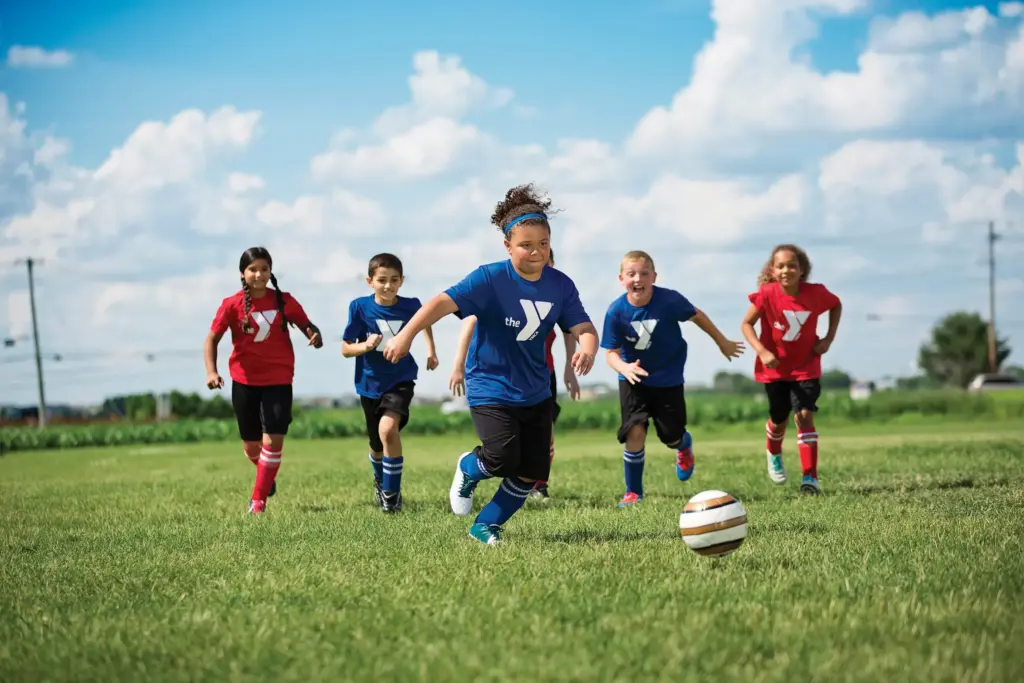
One of the most significant advantages of youth sports is the development of critical life skills. Sports participation teaches children teamwork, communication, and leadership—skills that are immensely beneficial in both academic and professional settings. For instance, when playing on a soccer team, young athletes learn to work together towards a common goal, fostering collaboration skills that they will use throughout their lives, whether in school projects or future job environments.
Additionally, the challenges faced in sports—such as competition and the pressure to perform—help children cultivate resilience and perseverance. Young athletes learn to handle both victories and defeats, providing them with invaluable experiences that build their character. These lessons in grit and determination are essential for personal and professional growth, equipping children to tackle challenges with confidence and fortitude as they progress in life.
Social Connections and Team Dynamics in Youth Sports
Participation in youth sports significantly contributes to social development. Children who engage in team sports forge friendships with peers who share similar interests, creating a support network that can last a lifetime. These interactions enhance social skills and emotional intelligence, teaching kids how to navigate diverse social environments comfortably. Learning to collaborate and support teammates fosters a sense of belonging that is critical to their emotional well-being.
Moreover, the shared experiences in youth sports promote cultural awareness and inclusivity. Children come together from various backgrounds, learning to appreciate diversity both on and off the field. This exposure fosters empathy and camaraderie, essential elements for nurturing positive relationships, as they develop the ability to connect with individuals from various walks of life.
The Connection Between Youth Sports and Academic Achievement
Numerous studies indicate a strong correlation between youth sports participation and academic success. Children involved in athletics often demonstrate improved focus, self-discipline, and time management skills—all essential for academic achievement. Balancing schoolwork with sports allows them to prioritize tasks effectively and develop a structured routine that enhances their overall productivity.
Furthermore, the goal-setting strategies learned in sports translate well into academic pursuits. Young athletes who set performance goals within their sport apply the same dedication to their studies. The persistence fostered in sports helps children develop a strong work ethic, leading to enhanced academic performance and a greater likelihood of pursuing higher education.
Enhancing Mental Health Through Athletic Involvement
Beyond physical health, youth sports serve as a powerful tool for improving mental health. Regular physical activity releases endorphins, which are known to elevate mood and reduce anxiety. For children who may struggle with stress from school or social pressures, participating in sports offers a constructive outlet to relieve tension and promote emotional well-being.
Moreover, involvement in sports helps children develop coping skills related to both triumphs and setbacks. Understanding how to celebrate victories and graciously accept defeats builds emotional intelligence, which is vital for dealing with life’s inevitable ups and downs. This resilience enhances their ability to cope with challenges and can diminish the likelihood of developing mental health issues later in life.
The Critical Role of Coaches and Parents in Youth Sports
The environment created by coaches and parents plays a pivotal role in the athletic journey of young athletes. Supportive coaching focuses on fostering a love for the game while emphasizing personal growth over competition. By adopting a mentorship role, coaches can instill values of respect, teamwork, and discipline in their athletes, laying the groundwork for holistic development.
Parents, too, should encourage a positive sports experience, promoting enjoyment rather than solely achievement. When parents emphasize fun and personal development, children are more likely to stay engaged and love the sport, reducing the risk of burnout. This supportive atmosphere enables children to thrive not just as athletes but as individuals prepared for future challenges in life.
Avoiding Over-Scheduling: Finding Balance in Youth Sports
While youth sports are beneficial, over-scheduling can lead to detrimental effects such as burnout and loss of interest in athletics. Children need time away from organized sports to engage in unstructured play, explore other interests, and simply relax. Striking a balance allows them to enjoy their sporting activities without feeling overwhelmed, ensuring that sports remain a source of joy rather than pressure.
Moreover, a balanced approach helps mitigate the risk of injuries that often arise from over-commitment. By ensuring that children have sufficient downtime, they can recover physically and emotionally, fostering a lifelong love for sports. This strategy emphasizes the importance of moderation, allowing children to benefit from sports while preventing them from viewing it as another chore in their busy lives.
Building Healthy Habits Through Youth Sports
Youth sports play a crucial role in instilling healthy habits that can last a lifetime. Regular participation encourages children to lead active lives, fostering appreciation for the importance of physical activity and wellness. As they learn to engage in sports, they begin to associate fitness with fun, aiding in the prevention of sedentary lifestyles common in today’s digital era.
Additionally, structured sports environments teach children about nutrition, hydration, and self-care. By understanding the relationship between their diet and athletic performance, young athletes are better equipped to make informed dietary choices. These lessons surround overall wellness and empower them to prioritize their health throughout their lives—well beyond their athletic careers.
Youth Sports as a Gateway to Future Opportunities
Engaging in youth sports often opens doors to numerous future opportunities for children. The skills and experiences gained through sports participation can lead to scholarships, career paths related to athletics, or even professional sports opportunities. The discipline and dedication cultivated through sports can make young athletes more appealing candidates for various scholarships and programs.
Additionally, the social connections made through youth sports can provide networking opportunities in the future. Many young athletes build relationships with coaches, teammates, and mentors who can guide them in their academic and professional journeys. Thus, early involvement in youth sports serves as a gateway to a plethora of opportunities, setting children on a path not just for athletic success, but for thriving in multiple aspects of life.
Frequently Asked Questions
What are the benefits of youth sports participation for children?
Youth sports participation offers numerous benefits, including improved physical health, enhanced social skills, emotional well-being, and increased academic success. Regular physical activity helps children develop strong muscles and cardiovascular fitness while fostering friendships and teamwork skills that are vital for personal growth.
How does early athletic involvement impact a child’s physical health?
Early athletic involvement is crucial for a child’s physical health as it promotes muscle development, cardiovascular fitness, and coordination. Engaging in sports helps combat obesity by cultivating healthy habits and encouraging a physically active lifestyle from a young age.
Can youth sports participation improve academic success?
Yes, numerous studies indicate that children who participate in youth sports often perform better academically. Sports encourage discipline, time management, and focus, which can translate to improved academic performance by helping young athletes prioritize their studies alongside their athletic commitments.
What social benefits do children gain from youth sports?
Youth sports provide significant social benefits by allowing children to meet peers with similar interests, fostering lasting friendships. Participation in team sports teaches cooperation, support, and communication, enhancing social skills necessary for navigating diverse environments in the future.
How does youth sports participation contribute to mental health and emotional well-being?
Participation in youth sports significantly boosts mental health by providing stress relief and enhancing emotional resilience. The physical activity involved releases endorphins that combat feelings of anxiety and depression, while the structured environment promotes routine, fostering emotional stability.
What life skills do children learn through youth sports?
Children involved in youth sports develop essential life skills, including teamwork, leadership, communication, and resilience. These skills not only impact athletic performance but also translate to academic and professional settings, preparing young athletes for future challenges.
How can parents support their children’s involvement in youth sports?
Parents can support their children’s involvement in youth sports by encouraging participation without imposing unrealistic expectations. Emphasizing fun, personal growth, and sportsmanship rather than just winning helps foster a positive sports experience and a lifelong love for athletic activities.
What dangers are associated with over-scheduling youth sports?
Over-scheduling youth sports can lead to burnout and decreased enthusiasm for sports, potentially causing injuries or stress. It’s essential for parents and coaches to ensure children have enough free time and balance non-sporting activities to maintain their enjoyment and interest in athletics.
How do youth sports correlate with academic performance?
Youth sports correlate positively with academic performance by instilling discipline and time management skills in young athletes. Balancing sports and academics teaches children to prioritize tasks effectively, making them more organized and focused in their studies.
What role do coaches play in the development of young athletes in youth sports?
Coaches play a vital role in youth sports by serving as mentors who promote a positive environment for skill development, teamwork, and good sportsmanship. They help children learn discipline, respect, and the importance of personal growth, ensuring a holistic approach to athletics.
| Key Areas | Description |
|---|---|
| Physical Development and Health Benefits | Youth sports enhance physical health by building muscles, improving cardiovascular fitness, and fostering healthy habits to combat obesity. |
| Critical Life Skills and Personal Growth | Participation in sports teaches teamwork, communication, and resilience, essential skills for personal and professional success. |
| Socialization and Building Connections | Team sports help children form friendships and enhance social skills, fostering a sense of belonging and emotional development. |
| Academic Success Correlation | Engagement in youth sports is linked to improved focus, discipline, and time management, contributing to better academic performance. |
| Mental Health and Emotional Well-Being | Sports act as a stress relief outlet, promoting emotional well-being, coping skills, and emotional intelligence. |
| Role of Parents and Coaches | Supportive parents and coaches foster a positive sports environment that encourages fun, personal growth, and sportsmanship. |
| Avoiding Burnout and Over-Scheduling | Balance in sports involvement is crucial to avoid burnout, ensuring children maintain a love for sports without pressure. |
Summary
Youth sports play a crucial role in children’s early development, significantly impacting their future success. Engaging in sports from a young age provides numerous benefits that go beyond physical fitness, incorporating mental health improvements, critical life skills, and social development. By encouraging youth participation in sports, parents and coaches help lay a solid foundation for children to thrive both on and off the field. The skills and experiences gained through athletic involvement can lead to lifelong advantages, ensuring that young athletes are equipped to face future challenges with confidence and resilience.