
Listen to this article
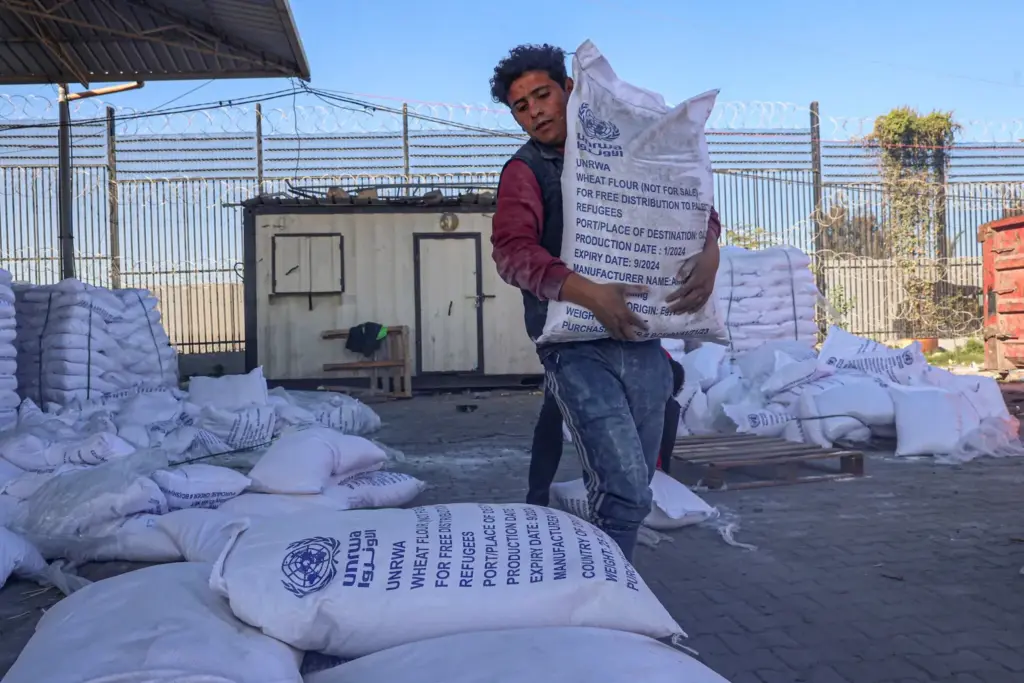
Israel aid organizations play a critical role in providing humanitarian support within challenging environments, especially in Gaza and the occupied West Bank. Recently, the Israeli government announced its decision to revoke the licenses of 37 aid organizations, claiming they failed to meet recent registration guidelines. This move has raised concerns among many, as prominent international non-governmental organizations (INGOs) face suspension, potentially hindering essential humanitarian aid to those affected by the Gaza humanitarian crisis. The international community, including foreign ministers from various countries, has criticized these changes as overly restrictive, fearing they could severely impact the availability of services such as healthcare. As the landscape of humanitarian operations within Israel continues to evolve, the implications of aid organizations’ licenses revocation remain a pressing issue for all involved.
Aid organizations functioning in Israel and surrounding areas are at a pivotal moment, with recent developments impacting their operational capabilities. The government’s recent decision regarding the suspension of licenses for several humanitarian entities has led to widespread debate about the efficacy and moral implications of these new regulations. Known for their efforts in addressing the urgent needs stemming from the Gaza humanitarian crisis, these organizations have often served as vital lifelines for affected populations. As discussions unfold regarding the operational challenges faced by international aid groups and local NGOs, the urgency for a comprehensive response to the ongoing situation remains vital. The entanglement of humanitarian assistance and political considerations creates a complex scenario, demanding a closer look at the potential consequences of these regulatory changes.
The Impacts of License Revocation on Aid Organizations
The recent decision by Israel to revoke the licenses of 37 aid organizations has raised serious concerns regarding the future of humanitarian support in Gaza and the West Bank. Prominent international NGOs such as ActionAid and the International Rescue Committee have been caught in a web of new registration criteria that many deem overly restrictive and politically charged. With these organizations scheduled to halt their operations, the looming question remains: how will this impact the most vulnerable populations in Gaza, who are already grappling with dire humanitarian needs?
Further complicating the matter, foreign ministers from ten different countries have publicly criticized these new measures as “unacceptable,” stressing that the closure of such important organizations could severely affect access to basic healthcare and other essential services. The ability of these aid organizations to provide much-needed support amidst the Gaza humanitarian crisis is now hindered, which not only exacerbates existing issues but also presents a significant risk for those depending on humanitarian aid for survival.
Israel Aid Organizations: Navigating New Challenges
Among the organizations being affected by the recent license revocation are several Israeli aid organizations that have been previously operating under guidelines set forth by international human rights and humanitarian norms. The Israeli government, for its part, maintains that the new registration processes are necessary to ensure that aid does not inadvertently fund terrorism. However, critics argue that the guidelines are vague and impose significant hurdles that could undermine the work of reliable humanitarian actors.
This scenario calls for immediate attention to the role of Israeli NGOs in addressing the humanitarian situation in Gaza. Many Israeli aid organizations have been instrumental in supporting the local population by providing vital healthcare, education resources, and emergency assistance. The challenge now lies in finding a pathway that allows these organizations to continue their mission without compromising on the regulatory demands imposed by the government.
International Response and Pressure on Israel
The international community has rallied against the recent restrictions placed on INGOs operating in Israel and the occupied territories. A joint statement from several foreign ministers, including those from the UK, France, and Canada, emphasizes the urgent need for unrestricted humanitarian access amidst the ongoing Gaza humanitarian crisis. Their criticism centers around Israel’s claims that aid organizations must meet registration requirements to operate, arguing that the stringent measures are impacting humanitarian assistance and endangering lives.
The ongoing pressure from these countries signifies a growing diplomatic challenge for Israel. As humanitarian needs continue to rise in Gaza, the repercussions of these license revocations could lead to increased tensions between Israel and its international allies. By addressing the humanitarian crisis through restrictive measures, the Israeli government risks alienating not just aid organizations but also key diplomatic partners who are essential for future support and collaboration.
The Role of INGOs in Gaza’s Humanitarian Landscape
International non-governmental organizations (INGOs) play a pivotal role in the humanitarian aid landscape of Gaza, working to alleviate suffering through healthcare services, food distribution, and community support in a region stricken by conflict and blockade. These organizations have been crucial in delivering aid to those in need, particularly in challenging circumstances where local resources are limited. With their licensing now under scrutiny, the essence of their operations hangs in the balance, ultimately impacting countless lives.
However, the recent moves by Israel’s Ministry of Diaspora Affairs to revoke licenses from INGOs have sparked controversy, leading to fears that humanitarian interventions might sharply decline. Although Israel argues that such measures are necessary for national security, the restrictive nature of the newly enforced regulations raises questions about the future of humanitarian action in the region and highlights the delicate balance between security concerns and the obligation to provide aid.
Concerns Over Humanitarian Aid Continuity
As the human rights and humanitarian community observes the unfolding situation with concern, the continuity of humanitarian assistance has emerged as a central issue. The Israeli government’s assertions that approved channels will still deliver aid have been met with skepticism, especially given that previously robust INGOs now face procedural roadblocks that inhibit their ability to operate effectively. The threats of suspended operations mean that many of Gaza’s communities may soon find themselves devoid of critical support.
The United Nations and local humanitarian teams have warned that efforts to implement humanitarian programs are fundamentally jeopardized under the current restrictions. A significant portion of the aid distributed is affected by these licensing challenges, prompting fears of an impending crisis as essential services risk falling short. This instability highlights an urgent call for a resolution that prioritizes humanitarian needs while navigating the complex security landscape of the region.
Humanitarian Principles vs. Political Regulations
The tension between humanitarian principles and political regulations has become increasingly evident in the context of aid delivery in Gaza. Many organizations, both local and international, have consistently emphasized their commitment to neutrality, impartiality, and independence in providing aid. However, recent regulatory changes appear to impose conditions that challenge these foundational humanitarian principles, potentially compromising the integrity of the aid efforts.
Critics have pointed out that these political regulations may inadvertently constrain the capacity of humanitarian organizations to operate effectively. With the new requirements perceived as politicized and arbitrary, many NGOs fear that compliance means sacrificing their fundamental operational ethos. This ongoing tension raises serious questions about how to navigate the intersection of aid provision and political oversight, particularly in a region deeply affected by conflict.
Assessing the Humanitarian Impact
The humanitarian impact of these decisions cannot be understated, as the suspension of aid organizations and the imposition of stringent licensing regulations directly correlate with the quality of aid that reaches affected communities in Gaza. With many INGOs playing critical roles in various sectors, including healthcare and shelter, the looming closures signify a worsening humanitarian landscape that could lead to further deterioration of conditions on the ground.
As many humanitarian actors shift their focus to comply with the new registration system, it is essential to recognize that the needs of the population do not wane in place of bureaucratic challenges. More than ever, the emphasis must be placed on ensuring that aid organizations can operate freely and effectively if any genuine progress toward alleviating the ongoing crises is to be achieved.
The Response from Local Organizations
Despite the troubling climate for INGOs, local aid organizations in Gaza are stepping up their efforts in response to the new regulations. These organizations have been resilient in their mission to provide humanitarian support, adapting to the shifting landscape as international partners face hurdles in maintaining operations. Local NGOs are essential players on the front lines, often possessing the cultural and contextual knowledge to effectively address the needs of their communities.
However, local organizations often face their challenges, including funding shortages and capacity limitations. They can provide immediate assistance, but without the comprehensive resources and international support that INGOs typically offer, their ability to cope with extensive humanitarian crises remains limited. As the situation evolves, the reinforcement and collaboration between local and international organizations become crucial to effectively channel resources and aid to those in need.
Future Considerations for Humanitarian Operations
Looking ahead, it is vital to consider the future of humanitarian operations in Gaza amidst a landscape of tightening restrictions and revocation of licenses. The path forward will require not only advocacy from the international community and humanitarian actors but also a reconsideration of the policies currently limiting aid access. The need for a balanced approach is more critical than ever, where security concerns do not overshadow the inherent rights of individuals to receive assistance.
Engaging in dialogue between the Israeli government and humanitarian stakeholders will be key to establishing a framework that safeguards both security and humanitarian principles. In this endeavor, understanding and empathy for the plight of civilians in conflict zones must guide decisions, aiming for a more equitable approach that ensures the continued delivery of vital assistance.
Frequently Asked Questions
What impact will the revocation of licenses of Israeli NGOs operating in Gaza have on humanitarian aid efforts?
The revocation of licenses for 37 aid organizations, including prominent Israeli NGOs and international non-governmental organizations (INGOs), is expected to severely affect humanitarian aid in Gaza. Critics highlight that the forced closure will limit access to essential services, significantly worsening the already dire humanitarian situation in the region.
How are aid organizations licensed to operate in Gaza affected by Israel’s new registration rules?
Israel’s new registration rules have led to the suspension of licenses for several aid organizations working in Gaza. Many Israeli NGOs and INGOs failed to meet the new requirements, primarily concerning the provision of complete staff details, leading to a loss of operational capacity essential for humanitarian assistance.
What does the Israeli government state regarding the flow of humanitarian aid to Gaza despite the license revocations?
The Israeli Ministry of Diaspora Affairs claims that the humanitarian aid flow to Gaza will continue through approved channels, despite the revocation of several aid organizations’ licenses. They emphasize that UN agencies and bilateral partners will still provide necessary assistance.
Why are foreign ministers concerned about the actions against humanitarian aid organizations in Gaza?
Foreign ministers from ten countries indicated that the closure of INGO operations would severely impede access to essential services in Gaza, which already faces catastrophic humanitarian conditions. They described the new regulations as restrictive and called on Israel to allow INGOs to operate effectively.
What are the implications of the Israeli government’s stance on the operations of humanitarian aid organizations in Gaza?
Israel’s stance, reflecting a stringent regulatory framework for humanitarian aid organizations, poses risks to the ongoing operations of INGOs in Gaza. Many organizations may be unable to meet the new compliance criteria, thereby hindering their ability to deliver aid amidst a significant humanitarian crisis.
How do Israeli NGOs and INGOs contribute to addressing the Gaza humanitarian crisis?
Israeli NGOs and INGOs play a crucial role in addressing the Gaza humanitarian crisis by managing field hospitals, providing emergency health services, and ensuring access to nutrition and sanitation facilities. Restrictions on their operations can lead to inadequate support for the millions affected.
What criticisms have been directed at Israel’s decision to revoke the licenses of aid organizations in Gaza?
Critics, including international humanitarian groups and foreign ministers, have labeled Israel’s decision to revoke aid organizations’ licenses as excessively punitive and politically motivated. They express concerns about the negative impact on humanitarian aid delivery and access to essential services in Gaza.
How does Israel justify the revocation of aid organization licenses in Gaza?
Israel justifies the revocation of licenses for aid organizations by citing non-compliance with new registration requirements, which include providing complete staff details. The government argues that these measures are necessary to prevent the infiltration of individuals with terrorist affiliations into humanitarian frameworks.
What role do international NGOs play in delivering humanitarian aid in Gaza?
International NGOs (INGOs) are vital for delivering humanitarian aid in Gaza, often operating key health and nutrition programs. They collaborate with local organizations to address urgent needs stemming from the ongoing humanitarian crisis, but their operations are currently threatened by the recent license revocations.
What alternatives to the suspended aid organizations exist for humanitarian assistance in Gaza?
While many prominent aid organizations face suspension, the Israeli government assures that humanitarian assistance will continue through other approved entities, such as UN agencies and vetted humanitarian organizations. However, concerns remain about the adequacy of this support compared to the needs in Gaza.
| Key Point | Details |
|---|---|
| Revocation of Licenses | Israel plans to revoke the licenses of 37 aid organizations in Gaza and the West Bank, including well-known INGOs by January 1. |
| Reason for Revocation | Organizations failed to provide complete personal details of staff, deemed necessary by Israeli authorities. |
| International Criticism | Foreign ministers from 10 countries criticized these new rules as ‘restrictive’ and warned that it would impact healthcare and essential services. |
| The Humanitarian Situation | Gaza’s situation remains dire, with over 100,000 people reported to endure catastrophic conditions despite some improvements since the ceasefire. |
| Impact of Suspension | The humanitarian operations of INGOs, essential for healthcare and emergency support, will significantly decline, affecting basic needs. |
| Local and International Responses | UN and local organizations warned of serious jeopardy to humanitarian operations due to the new registration system. |
Summary
Israel aid organizations face a critical moment as the government moves to suspend the licenses of several key aid players in Gaza and the West Bank. This decision could disrupt vital humanitarian services and hinder the ongoing efforts to assist those in dire need, particularly given the devastating humanitarian conditions in the region. The international community’s disapproval highlights the necessity for transparent and effective aid channels that respect human rights and uphold support for the affected populations.

