
Listen to this article
Technology in sports has rapidly transformed how athletes train and compete, revolutionizing the landscape of athletic performance. Innovations such as wearable technology and performance analytics provide real-time data that allows athletes to optimize their training regimens for peak results. Moreover, advancements like video analysis in sports enable detailed breakdowns of performance, helping athletes refine their techniques and minimize errors. Virtual reality training is also making strides, offering immersive environments where athletes can practice without the physical demands of actual gameplay. As sports technology innovations continue to emerge, they are not only enhancing performance but also reshaping the way athletes approach their training and recovery.
The integration of digital advancements into athletics has sparked a new paradigm in how professionals prepare for competition. Known by various terms such as sports science technology and performance enhancement tools, these innovations cover a wide range of applications that foster improved athletic outcomes. From smart wearables that track bodily metrics to software platforms for performance analytics, the arsenal available to modern athletes is extensive. Techniques such as video review and virtual practice sessions exemplify the progressive strategies employed to hone skills and decision-making on the field. As we examine these developments further, it becomes evident that this era of athletic preparation is heavily influenced by sophisticated technological tools.
Wearable Technology: The Game-Changer in Sports
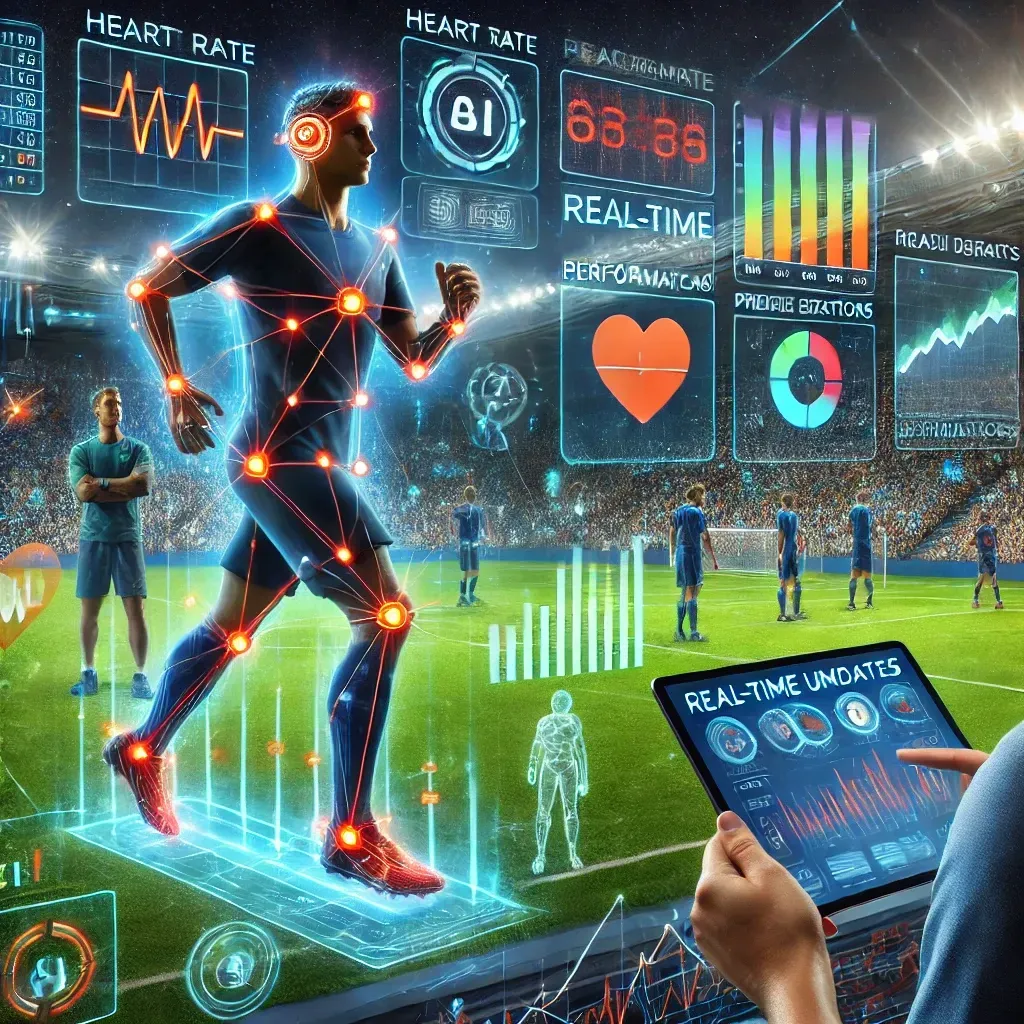
Wearable technology has surged in popularity within the sports industry, offering athletes and coaches a wealth of real-time performance data. Devices such as fitness trackers and smartwatches are not merely accessories; they are powerful tools that capture vital statistics like heart rate, speed, and calories burned. This technology transforms how athletes train by providing them with immediate feedback, which is crucial for making real-time adjustments. With access to this data, athletes can better understand their physical limits and optimize their training regimens for improved performance.
Moreover, the integration of wearable technology with performance analytics is fostering a data-driven approach to sports training. Coaches can analyze data collected from these devices to tailor individual training plans based on an athlete’s unique physiological responses and performance metrics. The outcome is a finely tuned training experience that helps mitigate the risk of injuries while ensuring athletes can perform at their peak. As wearable technology continues to advance, we can expect even more innovative devices that will revolutionize how athletes manage their training and recovery processes.
Innovations in Performance Analytics
The arrival of advanced performance analytics tools has transformed the competitive landscape across various sports. By leveraging massive datasets, coaches and teams can derive insights that were previously difficult to attain. These tools enable the breakdown of athletes’ performances into quantifiable metrics, allowing for targeted improvements in training and competition strategies. For example, teams increasingly utilize predictive models to evaluate training effectiveness and game performance, which in turn helps in optimizing athlete engagement.
Furthermore, performance analytics can identify patterns that contribute to success or failure during competitions. By analyzing opponents’ metrics, teams can strategize and adjust their play styles to exploit weaknesses. This integration of data not only enhances the athlete’s performance but also provides a comprehensive understanding of competition dynamics. Statistics that were once confined to the background have now taken center stage in athletic planning and training, showcasing the importance of innovation in performance analytics.
Enhancing Technique with Video Analysis
Video analysis in sports has redefined how athletes and coaches approach technique improvement. With the help of high-speed cameras and sophisticated software, every movement of an athlete can be meticulously examined. Coaches are now able to provide immediate feedback by dissecting an athlete’s performance frame-by-frame to identify minute details that may hinder performance. This technology allows for precise adjustments that can result in significant performance enhancements.
Moreover, video analysis opens up new avenues for learning and understanding the mechanics of sports. Athletes can visualize their actions, understand their techniques better, and adapt their styles to achieve optimal performance. This technology is particularly beneficial in sports that require meticulous technique, such as gymnastics or swimming, where even slight adjustments can lead to markedly improved outcomes. Therefore, video analysis not only aids in technique refinement but also promotes a culture of continuous improvement among athletes.
Leveraging Virtual Reality in Training
Virtual reality (VR) training is a groundbreaking technology that provides athletes with immersive and interactive practice environments. By simulating real-life competitive scenarios, athletes can rehearse their responses and decision-making skills without the physical toll that traditional training imposes. This innovative training method is proving particularly beneficial in high-pressure sports, where mental fortitude and quick reactions can make the difference between winning and losing.
Additionally, VR training offers athletes the ability to dissect and analyze their performance in a safe environment. For instance, football players can practice different formations and plays against virtual opponents, allowing them to perfect their strategies before facing real-life competition. The adaptability and versatility of VR training elevate athletic preparations to a new level, ensuring athletes are well-equipped to handle challenges on the field.
Nutrition Technology: Fueling Athletic Excellence
The incorporation of technology in sports nutrition is pivotal in helping athletes achieve peak performance. With the aid of advanced nutritional apps and software, athletes can meticulously track their dietary intake and hydration levels, ensuring they meet the specific requirements needed for their training and recovery cycles. This precision helps athletes avoid nutrition-related fatigue and underperformance, laying the groundwork for sustained success.
Moreover, technology has enabled the development of personalized nutrition plans based on real-time biometric data. Professionals now use science-backed analysis to tailor diets that suit individual athletes’ needs, allowing them to optimize energy, recovery, and overall performance. Such advancements indicate that nutrition technology is not just an ancillary aspect of athletic training; it is integral to achieving competitive excellence.
The Future of Athletic Performance Technology
Looking ahead, the future of technology in sports is brimming with possibilities. Innovations such as artificial intelligence (AI) and machine learning are set to transform athletic training and injury prevention even further. These technologies can process and analyze diverse data sets, yielding insights that can help coaches develop personalized training regimens based on each athlete’s unique requirements. As AI continues to evolve, its capacity to predict performance outcomes will likely sharpen, providing even greater competitive advantages.
In addition to performance enhancements, these future technologies promise to revolutionize recovery strategies. For instance, AI could optimize rest and recuperation recommendations based on an athlete’s stress levels, activity data, and recovery metrics, allowing for a more tailored approach to health management. As technology continues to advance, its impact on the realm of sports will undoubtedly expand, assisting athletes in pushing the boundaries of what is physically possible.
Video Analysis: A Key Tool for Coaches
Utilizing video analysis has become standard practice for coaches striving to enhance their team’s performance. By reviewing footage of games and practices, coaches can assess player movements, tactical decisions, and areas of improvement in a detailed manner. This tool allows for tangible feedback that can significantly affect practice approaches and game strategies, ultimately leading to improved outcomes.
Moreover, integrating video analysis into coaching habits fosters a culture of transparency and trust between coaches and players. Athletes benefit from objective assessments of their performance, which can motivate them to commit to their training regimens. By leveraging technology this way, coaches can create a more focused and effective training environment.
Athletic Science: Bridging Physiology and Technology
The field of athletic science is witnessing an exciting fusion between physiology and emerging technologies. By employing sophisticated technologies, researchers can gain deeper insights into how the human body performs under various conditions and stresses. This understanding is pivotal in devising training protocols that align with the physiological needs of athletes.
Furthermore, such advancements pave the way for developing personalized training and rehabilitation programs. By marrying athletic science with technological capabilities, athletes can receive tailored support that addresses their unique challenges and enhances their performance potential. Ultimately, the partnership between physics, biology, and technology is positioning athletic science at the forefront of performance innovation.
Sports Technology Innovations: Revolutionizing Training and Performance
Innovations in sports technology are revolutionizing how athletes train, compete, and recover. From advancements in biomechanics to the latest in performance tracking, technology is becoming an essential factor in athletic success. By continually pushing the boundaries of what is possible, these innovations enable athletes to exceed their physical limits.
Moreover, the rapid pace of technological advancement means that athletes and coaches must stay at the forefront of industry trends to maintain a competitive edge. Embracing these innovations not only enhances athletic performance but also contributes to the overall growth and development of the sports industry. Through ongoing research and development, the future of sports technology promises to bring about even more groundbreaking changes.
Frequently Asked Questions
What role does wearable technology play in improving athletic performance?
Wearable technology plays a crucial role in enhancing athletic performance by allowing athletes to monitor vital statistics in real-time. Devices such as fitness trackers and heart rate monitors provide data on heart rate variability, oxygen consumption, and activity levels, helping coaches optimize training regimens and prevent overtraining.
How does performance analytics transform team strategies in sports?
Performance analytics transforms team strategies by enabling coaches to analyze large datasets to identify strengths and weaknesses. This technology allows for personalized training programs and helps teams make informed decisions about player performance, giving them a competitive edge during competitions.
What is video analysis in sports and how does it enhance technique?
Video analysis in sports involves using high-speed cameras and software to break down athletes’ performance frame-by-frame. This technology allows athletes to scrutinize their techniques, identify flaws, and make precise adjustments, thereby enhancing their overall performance.
How can virtual reality training benefit athletes?
Virtual reality training benefits athletes by simulating competitive environments where they can practice skills without physical strain. This immersive training method improves decision-making, spatial awareness, and reaction time, all of which are critical during actual competitions.
What advancements are being made in sports nutrition technology?
Advancements in sports nutrition technology include apps and software that help athletes track their diets and hydration levels. These tools ensure that athletes meet their nutritional needs, optimize performance, and enhance recovery through personalized meal plans based on real-time biomarker analysis.
How does predictive analytics impact injury prevention in sports?
Predictive analytics impacts injury prevention by using historical data to assess an athlete’s likelihood of injury. Coaches can determine optimal playing times and adjust training loads accordingly, which reduces the risk of injuries and enhances athletes’ longevity in their sports.
What are the benefits of using data analytics in athletic training?
The benefits of using data analytics in athletic training include improved performance measurement, personalized training regimens, and the ability to track progress systematically. This technology enables coaches to make data-driven decisions that enhance team performance and efficiency.
In what ways are sports technology innovations shaping the future of athletic training?
Sports technology innovations, like AI and machine learning, are shaping the future of athletic training by providing real-time analysis and insights. These technologies enable athletes to receive tailored training advice and injury risk assessments, fostering continuous improvement.
How does video analysis contribute to athlete development in sports?
Video analysis contributes to athlete development by providing detailed feedback on performance. Coaches and athletes can pinpoint areas for improvement, leading to targeted training sessions that refine skills and enhance overall technique, crucial for competitive success.
What is the significance of recovery technologies in sports performance optimization?
Recovery technologies are significant for optimizing sports performance as they enhance recovery speed and efficiency. Tools like cryotherapy and advanced massage devices are designed to reduce soreness, promote healing, and keep athletes in peak condition for training and competition.
| Key Area | Description |
|---|---|
| Wearable Technology | Devices like smartwatches and heart rate monitors offer real-time performance data for athletes. |
| Data Analytics | Using sophisticated software, coaches analyze vast datasets to optimize training and strategy. |
| Video Analysis | High-speed cameras provide detailed breakdowns of athletes’ performance to enhance techniques. |
| Virtual Reality (VR) | Simulated environments allow athletes to practice and enhance decision-making skills. |
| Nutrition and Recovery | Apps help track diet and hydration, while recovery tech speeds up recovery. |
| Future Trends | AI and machine learning will further personalize training and enhance performance. |
Summary
Technology in sports has become a fundamental aspect shaping the way athletes perform and prepare. By integrating advancements like wearable technology, data analytics, video analysis, and virtual reality, athletes can optimize their training regimens and improve their performance metrics significantly. These tools not only help in enhancing performance on the field but also support crucial aspects like nutrition and recovery. As we continue to innovate in this space, the future of technology in sports promises even more personalized and effective methods for athletes to reach their peak potential.

