
Listen to this article
The cultural impact of sport is profound and far-reaching, serving as a mirror reflecting societal values and beliefs across the globe. From the ancient Olympic Games to contemporary global sports events, such as the FIFA World Cup, sports play a pivotal role in shaping identities and fostering unity among diverse communities. Through the lens of sports and culture, societies have engaged in community building that goes beyond mere competition, revealing a framework for social change and interaction. The economic impact of sports is equally significant, as major sporting events can bolster local economies and promote globalization of sports across continents. Ultimately, the active participation and passionate fandom surrounding sports highlight their vital role in forging connections and promoting shared experiences among people from all walks of life.
Exploring the influence of athletics on cultural dynamics unveils an intricate tapestry of connections that bind together various communities. At the intersection of sports and society lies an opportunity for understanding, as sporting events encourage cultural exchanges and integration among individuals. Moreover, the realm of physical activities serves not only as a source of entertainment but also as a platform for advocacy and social progress. The globalization of athletics has broken geographical barriers, allowing traditions and practices to intermingle and grow, shaping identities in the process. As we delve into the significant role that these physical competitions play in our lives, we can appreciate their capacity to inspire change, foster unity, and enhance our shared humanity.
The Historical Significance of Sports Across Cultures
Sports have played a pivotal role in shaping civilizations throughout history. Ancient competitions were not merely athletic exhibitions; they were intertwined with cultural practices, rituals, and communal values. For instance, the Olympic Games in ancient Greece celebrated not only physical prowess but also mythological ideals and a sense of unity among the Greek city-states. Such events laid the groundwork for the modern perception of sports, highlighting their role in fostering a collective cultural identity.
Similarly, historical sports like the Mayan ballgame reveal how ancient cultures utilized games to demonstrate power, societal structure, and religious beliefs. These traditions have evolved into contemporary sports, demonstrating the timeless human fascination with competition and community. Understanding the historical significance of sports aids in comprehending their cultural impact today, as they continue to reflect and influence modern societal norms.
Sports and Their Role in Community Cohesion
Sports act as unifying forces within communities, fostering a shared sense of belonging among individuals. Local games and teams often become the heart of neighborhoods, creating a communal bond that transcends economic and social differences. Events such as Friday night high school football games in America showcase how sporting events can bring together diverse groups, reinforcing communal ties and shared identities.
Furthermore, community sports initiatives, such as local youth leagues, harness the power of sport to promote social interactions and create networks of support. These initiatives play a crucial role in promoting inclusivity and participation, as they break down barriers between different groups, fostering an environment of cooperation and mutual respect.
The Impact of Sports on Social Change
Throughout history, athletes have emerged as powerful advocates for social change, utilizing their platforms to champion important causes. Prominent figures, such as Jackie Robinson in the civil rights movement and Billie Jean King in gender equality, demonstrate how sports can intersect with societal issues. Their contributions extend beyond the playing field, inspiring subsequent generations to leverage their visibility to address injustices.
Moreover, global campaigns like the IOC’s ‘Sport for Development’ initiative showcase sports’ potential to drive social change. These programs aim to address pressing global issues, including gender inequality and health disparities, through physical activity. They demonstrate how sports are a medium for empowerment, enabling individuals to elevate their communities while challenging systemic challenges.
The Economic Dimensions of Sports
The economic implications of sports are vast, impacting local and global economies alike. Major sporting events, such as the FIFA World Cup and the Olympic Games, become significant revenue generators for host countries, leading to increased tourism and investment in infrastructure. This influx of economic activity can transform cities and communities, fostering job creation and economic growth.
However, the pursuit of economic gains through sports can also lead to complex debates regarding ethics and equity. For instance, the financial burden placed on host nations can spark controversies, particularly concerning the prioritization of sports expenditure over essential social programs. This intersection of sports and economics emphasizes the need for responsible management and ethical considerations in sporting governance.
Globalization and Its Influence on Sports Culture
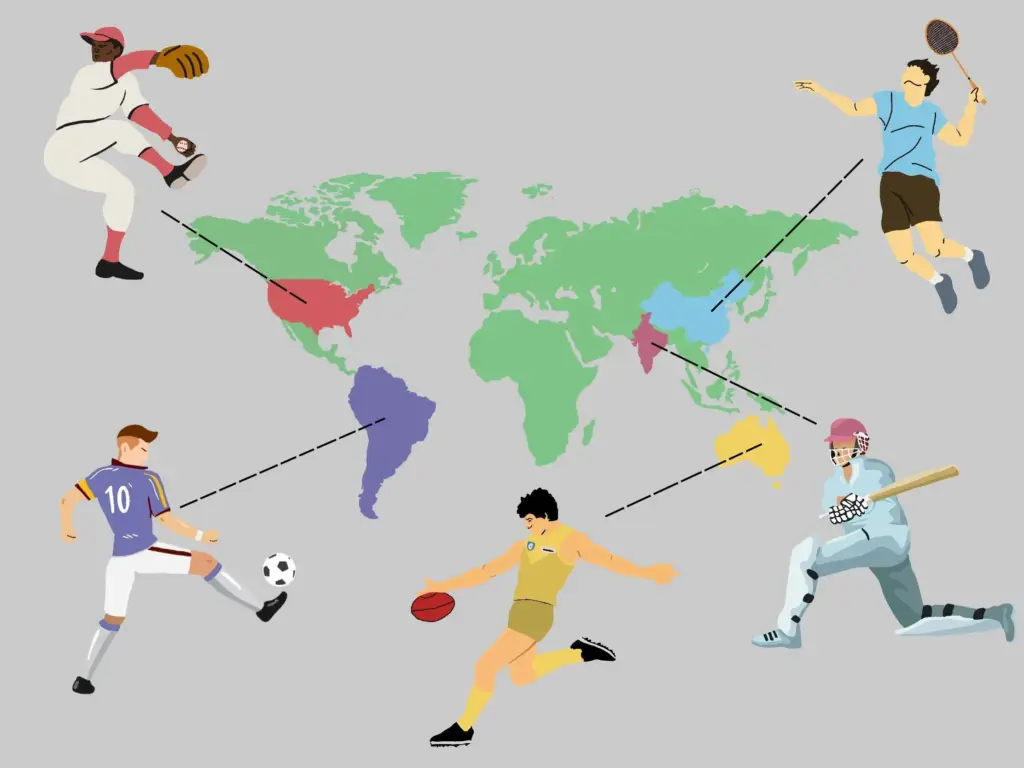
Globalization has transformed how sports are perceived and consumed worldwide. Sports like soccer and basketball have transcended their national origins, gaining immense popularity and fanbases across continents. The NBA’s growing influence in countries like China exemplifies how globalization fosters cultural exchange, blending sporting practices and fan experiences.
This cultural exchange enriches local sports scenes, leading to hybrid forms of games and new fan cultures. The adoption of cricket in the United States or rugby in emerging markets highlights the evolving nature of sports in a globalized world, where local and international influences coalesce to create unique sporting identities.
Cultural Identity and National Pride in Sports
Sports serve as powerful vehicles for cultural identity and national pride. National teams often symbolize a collective spirit, with fans rallying behind their favorite athletes during major competitions. Events like the Olympics or the World Cup provide opportunities for countries to showcase their cultural values and unity on an international stage, reinforcing a sense of belonging.
Moreover, sports can act as expressions of national narratives, with athletes representing not only their sports but also their nations’ aspirations and struggles. This intertwining of sports with cultural identity enables individuals to connect with their heritage, creating a shared history that galvanizes communities and fosters national pride.
Violence and Sports: A Cultural Challenge
Despite their many positive impacts, sports can also manifest negative cultural elements, such as violence and aggression. Incidents of hooliganism at football matches or aggressive fan behavior at sporting events highlight how competitive fervor can sometimes spiral into destructive outcomes. This raises questions about the cultural narratives surrounding sports and the responsibility of athletes, fans, and organizations alike.
Addressing violence in sports requires a concerted effort to redefine the cultural scripts that govern fan behavior. Initiatives aimed at promoting sportsmanship, respect, and inclusivity are essential in transforming how sports are experienced and perceived, fostering a culture that celebrates competition without succumbing to hostility.
The Role of Technology in Sports and Culture
Technology has revolutionized the way sports are consumed and experienced, shaping cultural attitudes and engagement. The rise of social media platforms has allowed fans to connect with their favorite athletes and teams in unprecedented ways, fostering a culture of instant interaction and community. This digital transformation has not only increased the accessibility of sports but has also amplified the cultural dialogues surrounding them.
Furthermore, advancements in technology have enhanced the way sporting events are organized and presented. From live streaming to virtual reality experiences, technology enriches the cultural experience of sports, allowing fans to engage with their passions in innovative ways. This evolving landscape showcases the symbiotic relationship between sports and technology, driving cultural shifts and redefining how sports are integrated into societal narratives.
The Future of Sports in Cultural Dynamics
As we look to the future, the cultural landscape of sports is poised for further evolution. The increasing emphasis on inclusivity, diversity, and sustainability will likely reshape how sports are perceived and managed. Emerging movements advocating for social responsibility in sports will push organizations to reconsider their roles in fostering positive cultural impacts.
Moreover, as globalization continues to permeate various aspects of life, sports are expected to play an integral role in cultural exchanges. Future sporting events will likely reflect a broader spectrum of cultural values, celebrating diversity while promoting global unity. This dynamic interplay between sports, culture, and globalization will continue to be a defining feature of tomorrow’s sports landscape.
Frequently Asked Questions
What is the cultural impact of sport on community building?
The cultural impact of sport on community building is significant, as local sports teams often serve as focal points for community engagement, fostering a sense of belonging and pride among residents. Events like high school games unite families, promote social ties, and reinforce community spirit.
How does the globalization of sports affect cultural identities?
The globalization of sports leads to a blending of cultural identities, as sports like soccer and basketball transcend their origins, creating a shared global fanbase. This exchange allows for the adoption of diverse cultures and traditions, enriching local sporting practices and enhancing cultural ties.
In what ways do sports contribute to social change?
Sports contribute to social change by providing a platform for athletes to advocate for essential issues such as civil rights and gender equality. Initiatives like ‘Sport for Development’ leverage the popularity of sports to address societal issues, including poverty and youth violence, fostering positive social transformations.
What economic impacts does hosting major sporting events have on a country?
Hosting major sporting events, such as the Olympics, generates substantial economic benefits for countries through tourism, merchandise sales, and broadcast rights. Investments in sports infrastructure also enhance national pride and global recognition, stimulating long-term economic growth.
How do sports serve as a bridge for intercultural dialogue?
Sports foster intercultural dialogue by bringing together individuals from diverse backgrounds during major events, such as the FIFA World Cup. This interaction promotes mutual understanding, cultivates friendships, and highlights the unifying power of sports across cultural divides.
What role do sports play in shaping national identity?
Sports play a crucial role in shaping national identity by providing a platform for competition and expression of national pride. During international events, citizens rally around their teams, which symbolize shared values and cultural heritage, reinforcing collective identity.
How can sports impact social cohesion in multicultural societies?
In multicultural societies, sports can enhance social cohesion by offering common ground for people from different ethnic and social backgrounds. Sporting events create opportunities for community engagement, promoting friendships and understanding among diverse groups.
What are some examples of athletes using sports to influence social change?
Athletes like Muhammad Ali, Colin Kaepernick, and Billie Jean King have used their influence to advocate for important social movements such as civil rights, gender equality, and social justice, demonstrating the potential of sports as a vehicle for positive change.
How does the cultural impact of sports vary across different regions?
The cultural impact of sports varies by region, as each culture expresses its values and traditions through unique sports and games. Local customs and historical significance shape the way communities engage with and celebrate sports, reflecting diverse cultural identities.
What is the connection between sports and economic development?
The connection between sports and economic development is profound, as investments in sports infrastructure and events can lead to job creation, increased tourism, and enhanced public facilities. This economic boom often translates into greater community engagement and improved quality of life.
| Key Points | Description |
|---|---|
| Cultural Roots of Sport | Sports have historical significance and often reflect societal beliefs and values. |
| Community and Identity | Local sports often unite communities and foster a sense of belonging. |
| Social Change and Advocacy | Athletes leverage their platforms to promote civil rights and social issues. |
| Economic and Political Influence | Sports impact economies and are intertwined with political contexts. |
| Globalization of Sports | Sports have transcended cultural boundaries, leading to a global fanbase. |
Summary
The cultural impact of sport is profound and multifaceted, influencing societies around the globe. Sports serve not only as entertainment but also as a means of identity formation, community bonding, and social advocacy. They reflect our values and beliefs while fostering unity across diverse populations. Sporting events create dialogues among different cultures, demonstrating how sports can bridge gaps between varied ethnic groups and social classes. Furthermore, athletes often challenge societal norms by advocating for essential social issues, harnessing their influence for positive change. As economic powerhouses, sports can drive development and spark national pride, yet they also spark political debates around ethics and human rights. In an ever-globalizing world, sports remain a dynamic platform for cultural exchange, influencing how we perceive and interact with each other on a global scale.

