Listen to this article
The Yemen UAE withdrawal crisis has surfaced as a significant point of tension in the ongoing conflict in Yemen, where Saudi Arabia demands the United Arab Emirates withdraw its forces. This escalation follows a Saudi-led airstrike targeting what was claimed to be a weapons shipment meant for UAE-aligned forces in southeastern Yemen. The Saudi foreign ministry accused the UAE of undermining efforts for unity by pressuring the Southern Transitional Council (STC) to pursue aggressive military actions. Concurrently, Yemen’s presidential council is grappling with growing discord among military factions, highlighting the fragility of the current alliances in the region. Amidst these tensions, the stability of southern Yemen hangs in the balance as airstrikes and military posturing continue to escalate the already dire humanitarian situation.
In recent developments surrounding the Yemeni conflict, the urgency for a withdrawal of UAE forces has come to light, showcasing increasing strains in Saudi Arabia-UAE relations. This crisis signifies a pivotal moment for Yemen’s presidential council as it navigates accusations of external manipulation involving the Southern Transitional Council (STC). As the STC faces pressure to recalibrate its military strategy in response to recent airstrikes, the implications on regional security become ever more pronounced. Such complexities shed light on the entanglements of foreign involvement in Yemen’s internal strife, where any shifts in alliances could potentially lead to further destabilization. The intricate dynamics within this crisis call for careful observation as parties respond to both humanitarian and geopolitical pressures.
Saudi Arabia’s Demand for UAE Withdrawal: Implications for Yemen’s Stability
The recent demand from Saudi Arabia for the United Arab Emirates (UAE) to withdraw its forces from Yemen marks a significant turning point in the ongoing conflict. Following accusations of the UAE exerting pressure on the Southern Transitional Council (STC) to escalate offensives against rival factions, the Saudi government has emphasized the need for stability in Yemen. This abrupt call for withdrawal not only reflects the deteriorating relations between Saudi Arabia and the UAE but also underscores the complexities surrounding Yemen’s territorial conflicts. The situation is further exacerbated by the ongoing Yemen presidential council’s ineptitude in reconciling various factions, highlighting the fragile nature of Yemen’s political landscape in the face of external influences from both Saudi Arabia and the UAE.
Saudi Arabia’s allegations against the UAE coincided with a recent airstrike conducted by the Saudi-led coalition, targeting military vehicles suspected of supporting the STC. These developments raise critical concerns about the impact of regional dynamics on Yemen’s future. The STC, which has historically played a pivotal role in southern Yemen, now finds itself at odds with Saudi Arabia’s regional strategy. As Yemen’s conflict escalates, the reliance on foreign military support from the UAE could potentially undermine local governance efforts and enhance tensions with the Saudi coalition. This escalating crisis emphasizes the imperative for all involved parties to seek diplomatic resolutions, ultimately aiming to restore peace and stability within Yemen.
Yemen’s Presidential Council and the Deterioration of Saudi-UAE Relations
The Yemen presidential council’s decision to cancel its joint defense pact with the UAE illustrates a crucial shift amid the ongoing tensions between Saudi Arabia and its Gulf partner. The council, under the leadership of Rashad al-Alimi, aims to assert Yemen’s sovereignty and territorial integrity, signaling a departure from reliance on UAE military support. This shift highlights an attempt to unify disparate Yemeni factions against common enemies like the Houthis while mitigating the influence of foreign powers, particularly the US and its Gulf allies. However, the complexities of the relationship raise questions about how such changes will impact the ongoing fight against the Iran-backed Houthis, as well as the stability of southern Yemen.
The apparent breakdown in collaboration between the Yemeni leadership and the UAE complicates the already intricate landscape of the Yemeni crisis. As both nations navigate accusations of miscommunication and betrayal, there remains a palpable tension that risks igniting further conflict. The STC now faces unprecedented challenges as it tries to reclaim its position without the backing of the UAE military. The ongoing airstrikes and military operations in Hadramawt highlight the precariousness of security in the southern regions of Yemen, emphasizing the urgent need for unity among local forces to combat external threats while avoiding escalations that could engulf the nation in wider conflict.
STC Forces in Yemen: Challenges and Strategies
The Southern Transitional Council (STC) has emerged as a crucial player in Yemen’s civil conflict, seeking autonomy for the southern regions. Amid the Saudi-led coalition’s call for the UAE’s immediate withdrawal, the STC has faced mounting pressure to redefine its objectives within a fracturing landscape. Leaders of the STC assert their role as a central force against the Iranian-backed Houthis, yet they must navigate a path that avoids alienating key allies such as Saudi Arabia. The declaration of a state of emergency by Yemen’s presidential council adds further complexity, as the STC grapples with both internal dissent and external military threats.
The STC’s military strategies reflect a dual focus: combating the Houthis and countering extremist groups like al-Qaeda and the Islamic State. The organization has increasingly challenged the legitimacy of the Yemeni government, seeking to expand its presence in vital areas such as Aden and surrounding provinces. However, as the coalition continues its aerial bombardments against STC positions, the future of this separatist faction remains uncertain. Should the STC operate independently of UAE support, it must find new avenues for military, political, and economic support to solidify its standing and achieve its ultimate goal of autonomy for southern Yemen.
The Impact of Yemen Airstrikes on Civilian Safety and Infrastructure
Recent airstrikes by the Saudi-led coalition in Yemen have underscored the dire repercussions of ongoing military conflicts on civilian populations. The bombing of military vehicles near Mukalla sparked condemnation and concern over safety, as local authorities issued evacuation warnings. The strike, which resulted in extensive damage to infrastructure but miraculously no casualties, starkly reflects the volatile situation in Yemen and raises alarms about the indiscriminate nature of the targeting strategies employed in the region. Civilian safety remains precarious in the midst of operational military campaigns, which only intensify the humanitarian crisis.
Furthermore, the military operations led by the Saudi-led coalition against STC forces signify a broader struggle for control over southern Yemen. The implications of these airstrikes are profound, not only in terms of immediate physical damage but also regarding the long-term disruption of local governance and stability. As Yemen continues to grapple with a humanitarian disaster, the international community faces mounting pressure to seek resolutions that prevent further civilian harm while addressing the underlying political tensions that fuel the conflict. These airstrike actions could serve to hinder future negotiations, creating an atmosphere where mistrust continues to proliferate among local factions and external actors.
Understanding Saudi Arabia and UAE Tensions amidst Yemen’s Crisis
The relationship between Saudi Arabia and the UAE has dramatically shifted in recent months, particularly in the context of the Yemen conflict. Historically allies in the coalition seeking to restore Yemen’s government, increasing tensions have surfaced due to differing strategies regarding the STC and broader political maneuvers. The Saudis have accused the UAE of supporting separatist movements, exacerbating internal discord and diluting the coalition’s effectiveness. This fracturing relationship poses significant risks for the already complex conflict, potentially leading to further fragmentation of regional alliances.
As the coalition’s airstrikes intensify amid these rising tensions, the lack of coordination between Saudi Arabia and the UAE raises concerns over operational effectiveness and the overall strategy in Yemen. The deterioration of their relationship could not only stall the coalition’s progress against the Houthis but also lead to unintended humanitarian consequences as fighting spreads across regions like Hadramawt and al-Mahra. For the future of Yemen, the reconceptualization of Saudi-UAE relations is essential, focusing on unity and collective action to restore peace while addressing the legitimate grievances of all Yemeni factions.
The Role of the Southern Transitional Council in Yemen’s Political Landscape
The Southern Transitional Council (STC) serves as a pivotal entity within Yemen’s fragmented political structure, advocating for autonomy in the southern regions. Its rise has been closely intertwined with the dynamics of foreign intervention, particularly as the UAE bolstered its military presence in support of the STC’s objectives. However, conflicting interests have recently surfaced, casting doubt on the STC’s capacity to maintain its current influence in the face of Saudi demands for reform and unity. The STC’s operations aimed at asserting control over southern territory directly intersect with its relationships with both Saudi Arabia and the UAE in an increasingly competitive environment.
The council’s manipulation of the political discourse surrounding southern independence has both strengthened its base and drawn criticism from factions opposing foreign military influence. As the STC adapts to the new regional landscape characterized by rising Saudi-UAE tensions, strategic recalibration is necessary to ensure its efforts against the Houthis and rival factions lead to meaningful outcomes. The need for a cohesive strategy that encompasses local governance and effective military engagement is paramount, as the STC endeavors to navigate the tumultuous waters of Yemeni politics while striving for its foundational goal of southern autonomy.
Humanitarian Crisis in Yemen: The Urgent Need for International Attention
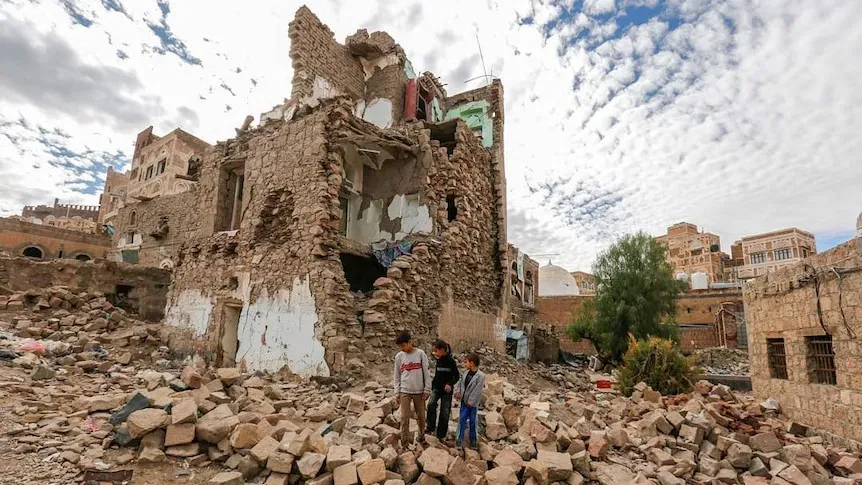
Yemen’s ongoing humanitarian crisis demands immediate international focus as the military conflict escalates. With more than 150,000 lives lost since the onset of the civil war, the effects of airstrikes and military operations ripple through communities already ravaged by poverty and instability. Human rights organizations have raised alarms about widespread famine, lack of access to healthcare, and the disintegration of essential public services as military engagements continue. The international community must prioritize humanitarian assistance and diplomatic efforts to mitigate the crisis and support the resilience of the Yemeni people.
In light of the recent airstrikes and escalating military confrontations, the humanitarian situation calls for an urgent reevaluation of foreign policies impacting Yemen. Countries involved in the coalition, particularly Saudi Arabia and the UAE, need to address the humanitarian needs on the ground while dealing with internal political tensions. It is crucial that humanitarian efforts extend beyond mere military alliances to foster lasting peace. Adequate international attention could aid in rebuilding the war-torn nation, aligning humanitarian assistance with conflict resolution frameworks that support Yemen’s sovereignty and stability.
Navigating Yemen’s Future: The Prospects of Peace Amidst Conflict
The future of Yemen remains shrouded in uncertainty as fresh conflicts emerge within an already fragile peace framework. The diminishing ties between Saudi Arabia and the UAE present new challenges to the coalition’s industrial objectives, potentially undermining efforts to combat the Houthis and assess the explosive threats posed by extremist groups. The ongoing dynamics around the STC’s quest for independence only add complexity to the path forward. As local factions grapple with shifting allegiances and foreign pressures, a clearly defined, multilateral approach must be pursued to foster dialogue and establish a lasting peace agreement.
To navigate Yemen’s future effectively, stakeholders must prioritize diplomatic solutions that appreciate the interconnected nature of local grievances and broader geopolitical spaces. Special attention should be paid to empowering Yemeni voices within the peace process, ensuring that all factions are represented in negotiations aimed at stabilizing the region. The prospect of sustained peace hinges on creating a unified front that reconciles the interests of diverse political groups, striking a balance between self-determination and the need for a cohesive national framework in the wake of years of conflict.
Frequently Asked Questions
What triggered the recent Yemen UAE withdrawal crisis?
The Yemen UAE withdrawal crisis was triggered by Saudi Arabia’s support of Yemen’s presidential council’s demand for the UAE to withdraw its forces within 24 hours. This demand followed a Saudi-led coalition airstrike on a convoy suspected of transporting military supplies to UAE-backed STC forces in Yemen.
How has Saudi Arabia reacted to the UAE’s involvement in Yemen?
Saudi Arabia has expressed serious concerns about the UAE’s actions in Yemen, particularly its alleged pressure on the Southern Transitional Council (STC) to conduct military offensives in Hadramawt and al-Mahra. The Saudi foreign ministry has labeled these recent actions as ‘highly dangerous’ and has warned of potential measures in response.
What role does the Southern Transitional Council (STC) play in the Yemen crisis?
The Southern Transitional Council (STC) has positioned itself as a significant player in Yemen’s ongoing conflict, asserting its role as a partner in combating the Houthi movement. However, its increasing assertiveness and territorial claims have led to tensions with both Saudi Arabia and the Yemeni government, culminating in the recent Yemen UAE withdrawal crisis.
How did the Yemen presidential council respond to the UAE’s actions in Yemen?
In light of growing tensions, the Yemen presidential council, which includes representatives from the STC, announced the cancellation of its joint defense pact with the UAE. The council ordered the withdrawal of UAE forces and declared a state of emergency to address threats from the Houthis and internal conflicts.
What were the consequences of the Saudi-led coalition’s airstrike in Mukalla?
The airstrike in Mukalla targeted STC-associated military vehicles, which the Saudi-led coalition claimed posed an immediate threat. Following the airstrike, extensive damage was reported, although no casualties occurred. The strike heightened the ongoing Yemen UAE withdrawal crisis amid rising hostilities between stakeholders.
What does the UAE say about its role in the Yemen conflict?
The UAE has denied allegations of weapon shipments to its forces in Yemen and condemned the claims of exerting pressure on Yemeni factions. The UAE maintains that it plays a crucial role in the coalition’s effort in Yemen, particularly against the Houthi movement, emphasizing its partnership in achieving stability in the region.
What has been the international response to the escalating Yemen UAE withdrawal crisis?
The international response has been watchful, as the Yemen UAE withdrawal crisis reflects broader regional tensions. Concerns over stability and humanitarian implications in Yemen have prompted calls for negotiations and de-escalation among involved parties, highlighting the need for a unified approach to restore peace.
How has this conflict in Yemen affected its humanitarian situation?
The ongoing conflict, including the Yemen UAE withdrawal crisis, has contributed to a dire humanitarian situation, with over 150,000 fatalities and millions displaced since 2014. The fighting has exacerbated food shortages, health crises, and overall societal instability, leading to urgent international aid appeals.
| Key Points | Details |
|---|---|
| Saudi Arabia’s Demand | Yemen’s presidential council requested the UAE to withdraw within 24 hours after a bombing incident. |
| Coalition Bombing | Saudi-led coalition bombed a shipment thought to be headed to UAE-backed separatists at Mukalla. |
| Accusations Against UAE | Saudi Arabia’s foreign ministry accused the UAE of pressuring the Southern Transitional Council (STC) to carry out military offensives. |
| UAE’s Response | The UAE denied the accusations and condemned the Saudi statement as unfounded. |
| STC’s Position | STC leaders denied the legality of the withdrawal ultimatum, insisting on their role in fighting Houthis. |
| Emergency Declaration | Yemen’s presidential council declared a 90-day state of emergency and canceled the defense pact with the UAE. |
| Targeting of STC Forces | The Saudi-led coalition targeted vehicles associated with STC forces, heightening tensions. |
| Humanitarian Impact | The conflict has led to over 150,000 fatalities and a severe humanitarian crisis since 2014. |
Summary
The Yemen UAE withdrawal crisis stems from Saudi Arabia’s demand for the UAE to withdraw its forces following escalating tensions and military operations in southern Yemen. This situation reflects deeper conflicts among local factions and external influences, showcasing the complex dynamics of regional power struggles. As the conflict continues, the call for withdrawal emphasizes the urgency of addressing the ongoing humanitarian catastrophe and the internal strife in Yemen.