
Listen to this article
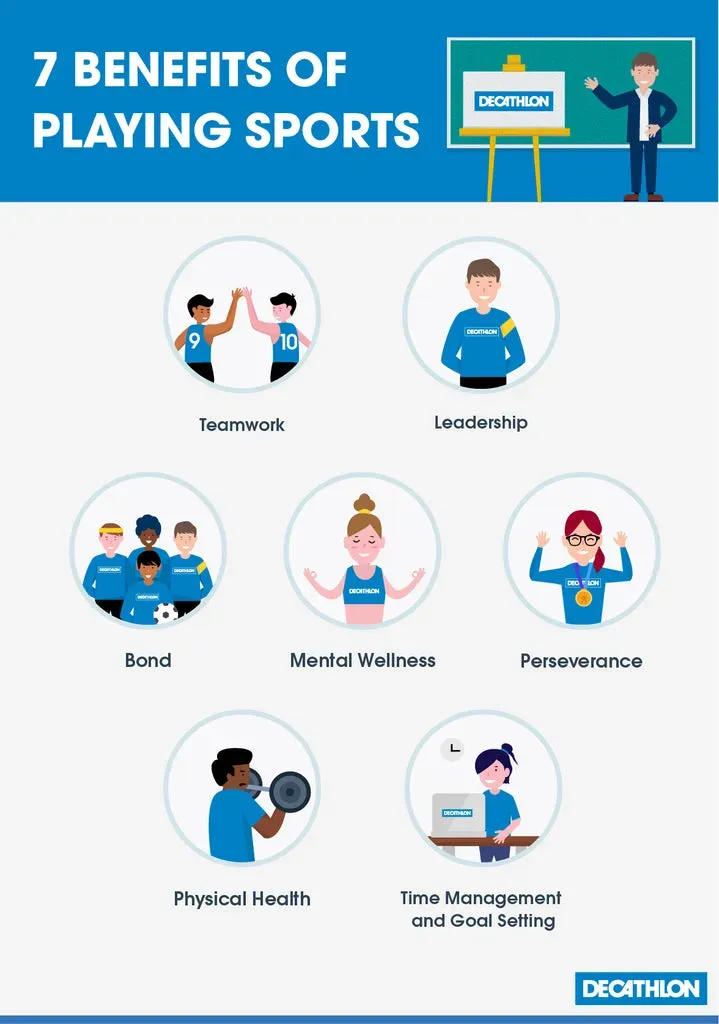
The benefits of playing sports are extensive and invaluable, impacting various aspects of life across all ages. Engaging in physical activity is not only a tremendous way to maintain health but also cultivates vital life skills such as teamwork and discipline. The health benefits of sports are well-documented, including improved cardiovascular health and mental wellness through the release of endorphins. Furthermore, youth sports benefits extend beyond fitness, fostering personal development through resilience, discipline, and leadership skills. In addition to promoting physical and mental well-being, sports also encourage a sense of community, uniting individuals and enhancing social connections.
Exploring the advantages of engaging in physical activities, we find a wide array of positive outcomes that contribute to an individual’s overall development. Participating in athletic pursuits not only supports one’s physical health but also enhances social skills and personal growth. The camaraderie found in team sports creates bonds that teach critical lessons in cooperation and communication, vital traits for success in various life situations. Additionally, these activities provide a platform for youth to thrive, promoting both mental and emotional well-being as they navigate their formative years. The rewards of being active span far beyond mere fitness, encompassing life-enhancing experiences that contribute to a richer, more fulfilling life.
The Numerous Health Benefits of Playing Sports
Playing sports brings a wealth of health benefits that go beyond just physical fitness. Regular participation in sports not only promotes cardiovascular health by strengthening the heart but also enhances lung capacity. Engaging in various physical activities can significantly lower the risk of chronic diseases such as obesity, diabetes, and heart disease. For instance, sports like swimming, basketball, or soccer elevate the heart rate, leading to improved circulation and overall endurance. The health benefits of sports are particularly vital for individuals of all ages, helping to maintain a balanced weight and set a foundation for a healthier lifestyle.
Moreover, engaging in sports provides mental health advantages that many may overlook. The hormonal response to exercise, particularly the release of endorphins, leads to improved mood and reduced feelings of anxiety and depression. Furthermore, sports are often structured with routines and goals, providing individuals with a sense of achievement and purpose. This structure can be exceptionally beneficial for young athletes, emphasizing the importance of mental health and sports. As they navigate competitions and training, they learn resilience and coping strategies that serve them well in all areas of life.
Enhancing Teamwork and Communication Skills through Sports
One of the most critical skills developed through sports is teamwork. Playing on a team requires individuals to communicate effectively, not only verbally but also through non-verbal cues. As they work together towards a common goal, players learn to express their ideas and encourage one another. This fortification of communication skills translates well into professional environments, where collaboration and clear dialogue are essential. The teamwork in sports builds a foundation of trust and mutual respect among players, which is invaluable in any collaborative setting.
Additionally, sports provide ample opportunities for conflict resolution. Disputes are common in competitive environments, but athletes learn to navigate these challenges constructively. By focusing on solutions rather than personal grievances, they cultivate a mindset geared toward cooperation and compromise. This skill not only enhances group dynamics on the field but also teaches young athletes to manage conflicts in their personal and professional relationships effectively.
Youth Sports Benefits: Building Skills for Life
The benefits of youth sports extend far beyond athletic ability, significantly contributing to personal development. Engaging in sports at a young age helps children develop important life skills such as discipline and time management. Balancing schoolwork, family, and sports commitments requires organization and prioritization, leading to the development of better time management skills. As children learn to juggle their responsibilities, they build a sense of discipline that will serve them well throughout their lives.
Moreover, participation in youth sports fosters resilience. Athletes often face challenges and setbacks, such as loss or injury, which teach them how to cope with adversity. By learning from their mistakes and pushing through difficulties, young athletes grow mentally and emotionally, developing a robust character that can withstand the pressures of life. Through these experiences, they gain the confidence to set goals, work hard, and achieve their aspirations.
Promoting Mental Health Through Sports Engagement
Sports serve as a powerful tool for enhancing mental health. Regular physical activity is associated with decreased levels of stress and anxiety, offering a natural and therapeutic way to improve mental well-being. The engagement in team sports fosters social connections, which are crucial for emotional health. Developing friendships through shared experiences in sports can lead to a sense of belonging, further benefitting mental health. The camaraderie built on the field often extends beyond sport, creating networks of support that help individuals during challenging times.
Additionally, the routine and structure provided by sports create a sense of normalcy and stability in life, which is particularly beneficial for youth facing various challenges. Whether it is the pressure of school, family issues, or peer relationships, the safe space that sports offer can be a respite. The practice of setting and striving for goals, whether personal or team-based, instills a sense of accomplishment that can combat feelings of inadequacy or depression. In essence, sports can serve as a crucial protective factor in maintaining good mental health.
Fostering Personal Development Through Sports Participation
Participation in sports is an excellent avenue for personal growth. In addition to physical skills, individuals learn about setting and achieving goals, which is essential for personal development. Athletes often set both short-term and long-term goals, honing their capabilities in strategic planning and commitment. This practice is invaluable not just in sports but also in academic and professional contexts, where goal-oriented behavior can lead to greater success and satisfaction.
Discipline is another crucial aspect instilled through sports. Regular training sessions and game schedules necessitate commitment and perseverance, teaching athletes the importance of hard work. This discipline carries over into other areas, encouraging athletes to approach challenges with dedication and a strong work ethic. Overall, the personal development benefits of sports are profound, equipping individuals with vital life skills to navigate future challenges.
Building Community Through Sports Engagement
Participating in sports plays a significant role in fostering community relationships. Local sports teams often bring individuals together, transcending social barriers and creating connections among diverse populations. This involvement not only provides entertainment and physical activity but also strengthens community ties by encouraging teamwork and collaboration. By joining a local league or participating in community sports events, individuals build their networks and create lasting friendships that enrich their lives.
Furthermore, community sports programs serve as a support system for individuals, creating a sense of belonging. As teammates celebrate each other’s successes and support one another through challenges, they build deep emotional connections. This support system is critical in a world where social isolation is increasingly common. Engaging in sports encourages individuals to interact positively with others, fostering inclusiveness and creating a healthy community environment.
The Importance of Cultural Awareness through Sports
Engagement in sports can significantly enhance cultural awareness and inclusivity. Sports often bring together individuals from various backgrounds, allowing for shared experiences and perspectives. As players interact within a diverse team, they become exposed to different cultures, customs, and viewpoints that they might not encounter in their everyday lives. This exposure can lead to a greater appreciation for diversity, fostering an inclusive mindset essential for thriving in a global society.
Moreover, the lessons learned through sports about respect, collaboration, and teamwork emphasize the value of inclusion. Athletes develop a deeper understanding of their peers, promoting empathy and open-mindedness. These qualities are vital in today’s interconnected world, where the ability to work with others from different cultures is increasingly valuable. Through sports, individuals gain insight into the importance of social cohesion and the celebration of differences, contributing to a more tolerant society.
Sports as a Tool for Leadership Development
In addition to physical fitness and teamwork, sports cultivate essential leadership skills. Participating in competitive sports often places individuals in positions where they can lead by example, motivate teammates, and make critical decisions during games. These experiences build confidence and prepare athletes for future leadership roles, whether in their careers or personal lives. Leadership in sports teaches individuals to take responsibility not only for their actions but also for the success of their team.
Furthermore, the challenges faced during team sports encourage the development of strategic thinking and problem-solving skills. Athletes learn to analyze situations quickly and make informed decisions that impact the team’s performance. This ability to think critically under pressure is invaluable in professional settings, where quick decision-making can significantly influence outcomes. Ultimately, the leadership skills gained through sports pave the way for individuals to succeed in various aspects of their lives.
Goal Setting and Achievement through Sports
Setting goals is a fundamental aspect of sports participation. Athletes frequently set both individual and team objectives, which encourages a focus on improvement and personal growth. This goal-oriented mindset not only drives performance in sports but also teaches athletes how to apply these principles in other areas of their lives, such as education and career pursuits. Establishing both short and long-term goals fosters a sense of accomplishment, emphasizing the importance of perseverance and dedication.
Additionally, the process of achieving goals in sports provides athletes with valuable lessons about success and failure. Learning to celebrate achievements while also reflecting on setbacks helps build resilience and emotional intelligence. This comprehensive understanding of the goal-setting process equips individuals with the tools they need to face future challenges confidently, leading to continued growth in various aspects of life beyond sports.
Frequently Asked Questions
What are the health benefits of playing sports?
Playing sports offers numerous health benefits, including improved cardiovascular health, stronger muscles and bones, enhanced mental health through endorphin release, and better coordination and balance. Regular physical activity reduces the risk of chronic diseases and enhances overall well-being.
How does playing sports enhance teamwork skills?
Playing sports fosters teamwork by requiring effective communication, developing conflict resolution skills, building trust among teammates, and enhancing leadership abilities. These skills are essential not only in sports but also in various aspects of life and professional environments.
What personal development can one gain through sports?
Engaging in sports instills discipline, time management, resilience, and goal-setting skills. Athletes learn to manage challenges, set and achieve objectives, and grow personally, all of which contribute to their overall personal development.
How do sports contribute to mental health?
Sports improve mental health by releasing endorphins, reducing stress, and alleviating symptoms of anxiety and depression. The routine and sense of accomplishment from participating in sports also enhance overall mental wellness.
What are the youth sports benefits concerning personal development?
Youth sports benefit personal development by teaching discipline, resilience, and teamwork, while encouraging goal setting and promoting social skills. These experiences help young athletes grow into well-rounded adults.
How does playing sports support community building?
Sports create a sense of community by bringing individuals together, fostering connections through local leagues, providing emotional and social support, and promoting inclusiveness across diverse social groups.
What role does teamwork play in the health benefits of sports?
Teamwork in sports enhances overall health benefits by fostering mental well-being through social connections and support systems. Strong team dynamics can reduce stress and improve emotional health.
Can playing sports boost self-esteem and confidence?
Yes, participating in sports boosts self-esteem and confidence. Achieving personal and team goals through sports helps individuals develop a positive self-image and a sense of accomplishment.
How do sports promote cultural awareness and inclusivity?
Playing sports exposes individuals to diverse groups and cultures, fostering cultural awareness and promoting inclusivity. This experience encourages acceptance and appreciation of differences among people.
What impact does sports participation have on children’s social skills?
Participation in sports significantly boosts children’s social skills. Through teamwork and interactions with peers, children develop communication skills, learn conflict resolution, and build supportive friendships, which are essential for their social development.
| Key Points | Description |
|---|---|
| Health Benefits | Regular physical activity reduces the risk of chronic diseases, maintains a healthy weight, and improves overall well-being. |
| Improved Cardiovascular Health | Enhances cardiovascular endurance and reduces heart disease risk. |
| Stronger Muscles and Bones | Increases muscle mass and bone density, crucial as we age. |
| Better Mental Health | Reduces stress, anxiety, and depression through endorphin release. |
| Enhanced Coordination and Balance | Improves coordination and balancing skills, reducing fall risk. |
| Teamwork Skills | Playing sports teaches effective collaboration and social skills. |
| Discipline and Time Management | Instills commitment and prioritization. |
| Building Resilience | Overcoming challenges in sports breeds resilience. |
| Goal Setting | Encourages strategic planning and focus. |
| Cultural Awareness and Inclusivity | Fosters understanding and appreciation for diversity. |
| Community Building | Sports connect individuals and create enduring friendships. |
Summary
The benefits of playing sports are numerous and significant. Engaging in physical activity not only improves one’s health but also develops essential life skills like teamwork and discipline. By participating in sports, individuals enhance their cardiovascular health, strengthen their muscles and bones, and boost their mental well-being. Additionally, sports promote teamwork, resilience, and a sense of community, making it an invaluable experience for people of all ages. Therefore, prioritizing time for sports is crucial for fostering personal growth and maintaining a healthy lifestyle.

