Listen to this article
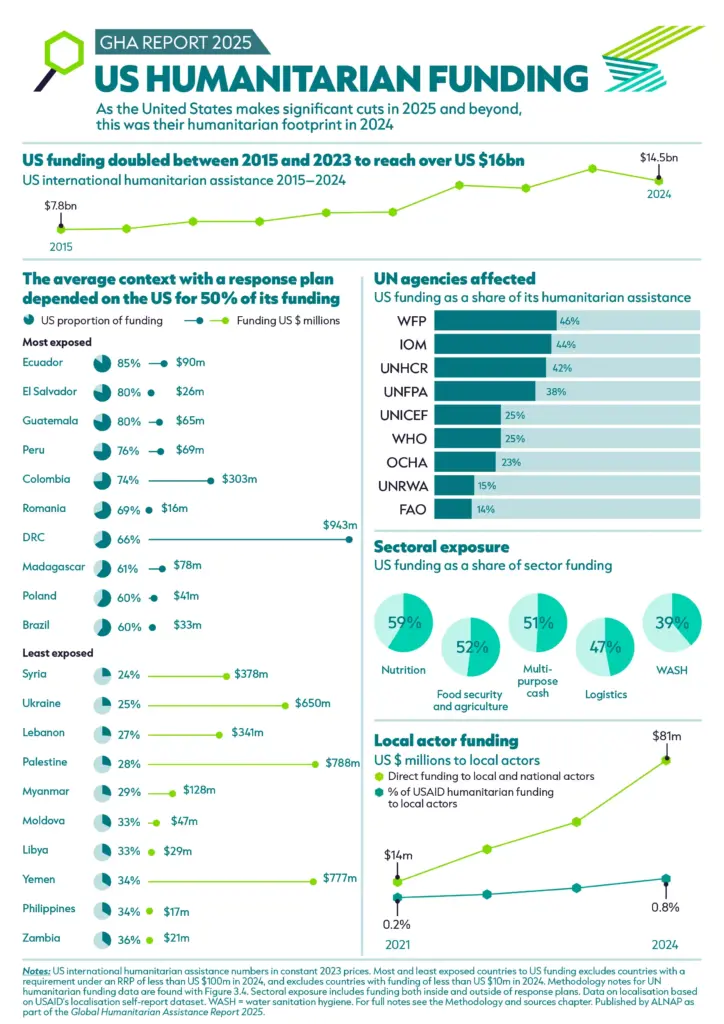
US humanitarian funding plays a critical role in global relief efforts, highlighting America’s position as a major donor to United Nations (UN) humanitarian programs. Recently, the US pledged $2 billion to aid in vital humanitarian operations, a move that comes amidst serious concerns about impending aid cuts from the Trump administration. Despite this significant contribution, humanitarian aid challenges loom large, as the funding is now subject to stringent UN funding conditions aimed at eliminating any potential misuse. With the focus remaining on just 17 countries, including Haiti and Sudan, crucial regions like Afghanistan and Yemen will miss out amid allegations of misappropriation of funds. This restrictive approach may hinder the overall effectiveness of aid initiatives, raising important questions about the future of international humanitarian assistance and the implications it has for those in dire need.
In the realm of international assistance, the financial commitment from the United States underscores its pivotal role in providing support to global humanitarian initiatives. This recent funding influx aligns with the broader scope of UN support mechanisms aimed at alleviating suffering in crisis-stricken areas. However, the Trump administration’s decision to impose strict parameters on this aid is drawing scrutiny, particularly as US aid cuts threaten to reshape the landscape of humanitarian relief. By prioritizing only 17 nations for assistance, this initiative heightens the discourse surrounding humanitarian aid challenges, particularly in regions overlooked due to political considerations. The evolving nature of aid distribution raises significant dialogue regarding the future efficacy of global relief efforts and the moral imperatives that underpin them.
Understanding US Humanitarian Funding in the Context of UN Programs
The recent pledge of $2 billion from the United States to support UN humanitarian programs marks a significant moment in the ongoing relationship between the US and the global humanitarian framework. This funding is particularly crucial given the historical context, where in 2022, US contributions to UN humanitarian efforts totaled approximately $17 billion. However, the current shift in strategy, as emphasized by Jeremy Lewin, underscores a pivotal change in how these funds will be utilized. The stark directive for the UN to “adapt or die” indicates an urgent need for efficiency and a reevaluation of priorities within the UN system.
Moreover, the funding restrictions introduced, which limit aid to only 17 specified countries, raise important discussions about the coverage and impact of humanitarian efforts. Countries like Haiti, Syria, and Sudan are now receiving prioritized funding, yet significant gaps remain for regions like Afghanistan and Yemen—where humanitarian needs are dire. The politicization of US aid, particularly under the Trump administration, has transformed the landscape of humanitarian support, posing challenges for agencies trying to navigate these new conditions.
The Challenges Ahead for Global Humanitarian Aid
With the announcement of US humanitarian funding comes an acknowledgment of the numerous challenges confronting global humanitarian efforts. The funding cuts and stringent conditions linked to the newly pledged amount signal a worrying trend affecting aid distribution on the ground. Agencies operating in countries not receiving funds face increased pressure, as evidenced by the closure of essential clinics in Afghanistan and the scaling back of food rations for displaced populations in Sudan. Such outcomes suggest that the repercussions of US aid cuts extend beyond mere financial constraints—human lives are at stake.
Moreover, the focus on life-saving definitions by the Trump administration could inadvertently neglect critical areas like climate change, which affects long-term sustainability and human welfare. By categorizing certain initiatives as not in the US interest, there lies a risk of overlooking comprehensive strategies needed to address multi-faceted humanitarian crises. Thus, as we look to the future, the humanitarian landscape remains fraught with complexities, demanding responsive and adaptable solutions from both donors and organizations alike.
The Evolving Landscape of UN Humanitarian Aid Funding
The evolving landscape of UN humanitarian aid funding reflects shifting geopolitical dynamics and the changing nature of international support. While the $2 billion pledge serves as a critical lifeline, it also introduces conditions that can complicate the UN’s traditional role in providing neutral, impartial aid. As the US urges the UN to prioritize specific countries, one must consider the ethical implications of offering aid based on political preferences rather than immediate human need. The challenge lies in balancing these priorities while ensuring that aid reaches those who are most vulnerable.
Furthermore, with various countries facing their own economic pressures, a pattern of uncertain funding from allies like the UK and Germany is emerging. This uncertainty poses a considerable threat to the operational capabilities of humanitarian agencies globally, making it even more vital for the UN to establish robust and adaptable strategies for resource allocation. Ultimately, the UN must navigate these changes carefully, prioritizing a humanitarian response that upholds the core principles of neutrality and impartiality while addressing the reality of the current funding landscape.
Implications of US Aid Cuts on Global Humanitarian Efforts
The implications of US aid cuts extend far beyond financial constraints; they impact the very fabric of humanitarian responses worldwide. With the Trump administration advocating for greater scrutiny and conditions linked to funding, agencies may struggle to maintain their operational effectiveness in the face of reduced support. As aid cuts disproportionately affect the most vulnerable populations, the UN must address the immediate and long-term repercussions of these funding decisions on a global scale.
Moreover, as the UN adapts to these changes, it raises questions about the future of humanitarian principles. With the increasing politicization of aid, there is a fear that the universal humanitarian ethos—rooted in impartiality and neutrality—could be compromised. As the humanitarian community grapples with these trends, the focus must remain on ensuring that aid reaches those most in need, regardless of political considerations. Moving forward, collaboration and innovation in fundraising and resource management will be imperative for addressing the growing humanitarian challenges faced worldwide.
The Role of UN Funding Conditions in Humanitarian Responses
UN funding conditions play a crucial role in shaping humanitarian responses and determining how effectively aid can be delivered. The recent stipulations imposed on US funding—specifically targeting the allocation of resources to only specific countries—create a challenging environment for humanitarian organizations that rely on diverse funding streams to operate. This situation necessitates a reevaluation of how aid is distributed and highlights the need for a more inclusive approach that addresses the needs of populations regardless of their geopolitical standing.
Additionally, the focus of US funding on certain populations, while understandable from a strategic standpoint, risks leaving many at-risk individuals without necessary support. As agencies work under these new constraints, they will face significant challenges in providing comprehensive humanitarian services. The discussion surrounding these conditions raises critical questions about how the international community can ensure that aid remains effective, equitable, and responsive to the most pressing humanitarian needs.
Addressing Humanitarian Aid Challenges in Light of US Funding
Addressing humanitarian aid challenges in light of recent US funding announcements involves a careful assessment of the unique needs of affected populations. The cuts to US aid represent a worrying trend that could lead to increased struggles for organizations tasked with providing support in regions experiencing conflict and crisis. Understanding the landscape of humanitarian needs is essential; regions outside the prioritized list still grapple with severe food security, healthcare deficits, and insufficient shelter, which require sustained attention and resources.
Furthermore, humanitarian agencies must be prepared to adapt their strategies in response to shifting funding conditions and political landscapes. As they strive to meet the varied needs of diverse populations, acknowledging the complexities inherent in US funding cuts is crucial. By fostering partnerships and advocacy efforts, humanitarian organizations can continue to highlight the importance of inclusive funding that reaches all individuals in need, regardless of political implications.
Lessons Learned from the UN’s Response to US Aid Cuts
The situation surrounding US aid cuts offers vital lessons for the UN and other humanitarian organizations about resilience and adaptability in times of crisis. Historically, the UN has demonstrated an ability to pivot in response to funding changes, yet the increasing politicization of aid creates new challenges that must be addressed. Reflecting on past experiences can help the UN devise innovative strategies to bolster resources, engage new donors, and build coalitions that can advocate for unhampered humanitarian assistance.
Moreover, one of the key lessons is the importance of maintaining the integrity of the humanitarian principles that guide aid delivery. With funding now conditional upon political goals and priorities, the UN must find ways to advocate for comprehensive solutions that address the root causes of human suffering without compromising its neutrality. Engaging stakeholders in meaningful dialogue about the implications of funding cuts can help forge a path forward that prioritizes human life above all else.
The Future of UN Humanitarian Aid in a Shifting Political Landscape
As we consider the future of UN humanitarian aid in a shifting political landscape, it is clear that the challenges facing the humanitarian system are multifaceted. The recent pledge of $2 billion from the US is a critical touchpoint, yet it is accompanied by significant conditions that reshape the operational framework for humanitarian support. The conversation around how political agendas influence humanitarian decisions is increasingly relevant, as the UN grapples with maintaining its credibility while addressing urgent needs.
Looking ahead, the UN must continue to champion the values of impartiality and neutrality, seeking innovative partnerships and solutions that bridge funding gaps. Future strategies should involve collaboration with diverse donors while emphasizing the moral imperative to assist all communities in crisis, irrespective of geopolitical considerations. In this transitional phase, the focus must remain on building a resilient humanitarian system prepared to tackle ongoing and emerging challenges.
Frequently Asked Questions
What is the significance of US humanitarian funding in relation to UN humanitarian programs?
US humanitarian funding plays a critical role in supporting UN humanitarian programs, recently pledged at $2 billion. However, this amount is significantly lower than past contributions, with the US historically providing about $17 billion in 2022 alone. The funding is vital for emergency relief and saving lives but comes with strict conditions limiting aid to just 17 prioritized countries.
How do recent US aid cuts impact global humanitarian aid efforts?
Recent US aid cuts have markedly reduced available resources for humanitarian operations worldwide. These reductions have already led to the closure of vital services, such as mother and baby clinics in Afghanistan, and have diminished food rations for displaced individuals in Sudan. Such challenges hinder the ability of agencies to respond effectively to crises.
What are the conditions attached to the new US humanitarian funding?
The new US humanitarian funding comes with strict conditions that limit support to specific countries, excluding high-need areas such as Afghanistan and Yemen. Additionally, funding cannot be utilized for projects related to combating climate change, a decision that raises concerns about the politicization of aid and adherence to humanitarian principles.
How does the Trump administration’s approach affect UN humanitarian funding?
The Trump administration’s approach has significantly altered UN humanitarian funding by enforcing stricter conditions and prioritizing efficiency. This approach emphasizes that the US funding is not a blank check and insists on targeted, impactful aid, which has created challenges for recipients and may contradict the core principles of humanitarian assistance.
What challenges do humanitarian aid agencies face due to US funding limitations?
Humanitarian aid agencies face increased challenges due to US funding limitations, which not only restrict financial resources to certain countries but also limit the scope of projects, particularly those not deemed ‘life-saving’ by the Trump administration. This narrow focus complicates efforts to address broader humanitarian needs and can restrict effective crisis response.
What impact do US humanitarian funding cuts have on child mortality rates worldwide?
US humanitarian funding cuts are expected to negatively affect child mortality rates, which had been declining globally. With reduced resources for essential services, such as nutrition and healthcare in crisis-affected regions, the anticipated impact is an increase in child mortality among the estimated 200 million people facing severe humanitarian crises.
Why is it important for the UN to adapt to US humanitarian funding conditions?
It is crucial for the UN to adapt to US humanitarian funding conditions because the US remains one of the largest donors to international aid. Adapting to these conditions allows the UN to maintain vital funding streams, despite the political influences that may accompany them, and ensures that assistance continues to flow to those in need, even in a more restricted environment.
| Key Points | Details |
|---|---|
| US Humanitarian Funding Pledge | The United States has pledged $2 billion to UN humanitarian programs. |
| Historical Context | In 2022, US humanitarian aid was approximately $17 billion. |
| Conditions of Funding | Funding is limited to 17 prioritized countries and excludes Afghanistan and Yemen due to concerns of terrorist misuse. |
| Impact of Cuts | Funding cuts have led to the closure of clinics in Afghanistan and reduced food rations in Sudan. |
| Emphasis on Efficiency | US officials stress the importance of focused funding without duplication in aid projects. |
| UN Response | UN officials have welcomed the funds but express concerns over politicization and adherence to humanitarian principles. |
Summary
US humanitarian funding plays a crucial role in aiding those affected by crises worldwide. The recent pledge of $2 billion to United Nations humanitarian programs, although significant, reflects a shift towards stricter conditions and prioritization of specific countries. While the funds promise to save millions of lives, they come amid growing apprehension regarding their impact on neutral humanitarian principles and support for those in dire need. In light of the anticipated cuts from other donors, the focus must remain on utilizing these funds effectively and ensuring that aid reaches the most vulnerable populations without any political strings attached.