Listen to this article
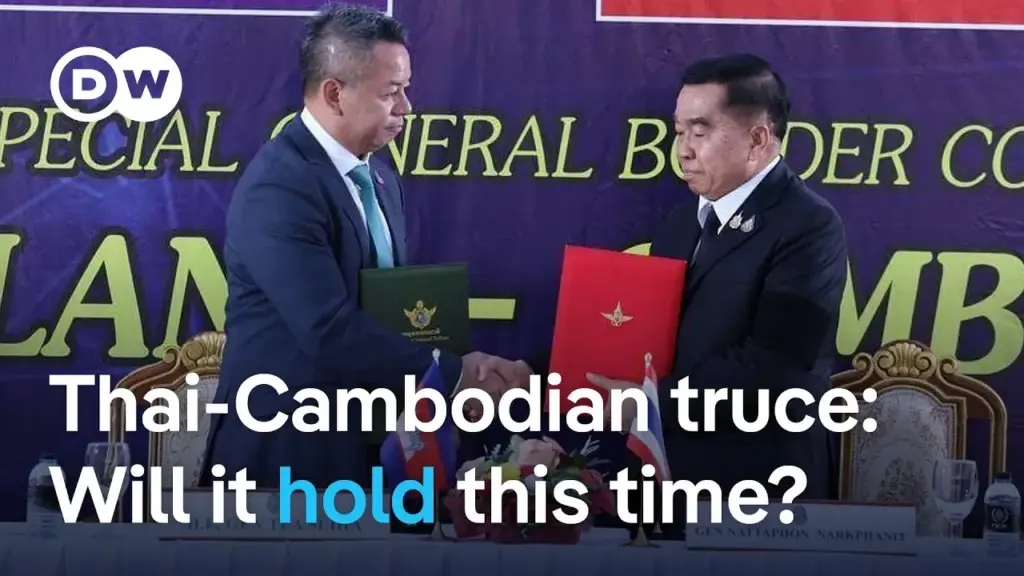
The Thailand Cambodia ceasefire represents a critical moment in the ongoing Thailand Cambodia conflict that has plagued both nations for decades. Recently, a ceasefire agreement Thailand reached has been put to the test with accusations from Thai authorities claiming that Cambodia has violated the terms. This fragile truce follows weeks of intense clashes that left nearly one million people displaced and raised alarm over Cambodia border tensions. With the deployment of unmanned aerial vehicles (UAVs) along the border, the situation remains precarious, heightening fears of renewed hostilities. As both nations navigate this complex landscape of military accusations and political negotiations, the stability of the ceasefire may very well determine the future of relations between Thailand and Cambodia.
In the context of Southeast Asian diplomacy, the ceasefire between Thailand and Cambodia marks a significant step toward de-escalating persistent hostilities that have characterized their border disputes. This recent agreement was forged after a series of confrontations, which have historically strained relations between the two countries. The renewed tensions, including accusations related to drone surveillance, underscore the fragile nature of peace efforts in the region. As both nations grapple with issues of national sovereignty and regional stability, the focus now shifts to the enforcement and adherence to the ceasefire pact, which aims to bring about a lasting resolution. This situation highlights the challenges inherent in resolving international disputes, particularly in areas fraught with historical grievances and military posturing.
Thailand Cambodia Ceasefire: A Brief Overview
In recent weeks, the fragile peace between Thailand and Cambodia has faced immense challenges, culminating in a ceasefire agreement that was achieved after a series of deadly confrontations. The ceasefire officially took effect, aiming to halt hostilities and allow for humanitarian efforts amid the conflict. Although the agreement was hailed as a significant diplomatic achievement, both sides have shown signs of continued tension and mistrust. The ceasefire was facilitated by diplomatic input from regional powers, including China and the United States, indicating the broader geopolitical implications of the ongoing conflict.
However, despite the newly signed ceasefire, accusations have already arisen. Thailand has claimed that Cambodia violated the agreement by flying over 250 unmanned aerial vehicles from its territory, signaling a potential resurgence of hostilities. This situation emphasizes the delicate nature of the ceasefire and the need for both nations to adhere to the terms set forth to prevent further conflict and ensure the safety of civilians displaced by the tensions.
Escalation of Cambodia Border Tensions
The historical context of the Thailand Cambodia conflict is essential for understanding the recent border tensions. Disputes over territorial claims have led to an intermittent state of hostilities over the past century, often reigniting due to nationalistic sentiments and political provocations. Recent incidents, such as civilians demonstrating loyalty through songs near disputed areas, have exacerbated these sentiments, making diplomatic resolution increasingly elusive. The impact of such actions, coupled with the deaths and violence in recent months, has escalated the situation, leading to significant civilian displacement and international concern.
In light of these developments, the Cambodian Foreign Minister has characterized incidents along the border as relatively minor. Nevertheless, the rapid escalation of accusations from the Thai army demonstrates the underlying tensions that continue to fuel conflict between the two countries. The persistence of accusations and provocations raises questions about the long-term viability of the ceasefire and the potential for sustained peace in the region.
Accusations of Violations: The Thai Perspective
From Thailand’s viewpoint, recent actions taken by Cambodia, particularly the alleged drone flights, are seen as provocations that undermine the fragile ceasefire agreement. The Thai army’s stance is firm — any perceived violations will not be tolerated, and they have warned that the status of Cambodian soldiers held in Thailand could be reevaluated if these actions continue. This reflects a broader sentiment within the Thai military that any breaches by Cambodia could lead to a rapid escalation of the conflict, necessitating defensive measures.
The Thai government’s emphasis on national sovereignty in reaction to these violations further highlights the complexities of the ceasefire. Some observers note that the military’s hardline approach may stem from domestic pressures, including nationalistic sentiments that could be ignited by perceived external threats. Hence, the way both nations interpret the ceasefire terms plays a critical role in determining whether hostilities will subside or spiral out of control.
The Role of Diplomacy in Peace Negotiations
Diplomatic efforts from international players like China and the United States have been essential in getting Thailand and Cambodia to the negotiating table. The support presented by these nations underscores the geopolitical significance of the Thailand Cambodia conflict not just on a regional scale but also in terms of global stability. Their involvement could be crucial in ensuring compliance with the ceasefire terms, as both countries might be more inclined to adhere to agreements that involve major powers as mediators.
Moreover, effective diplomacy creates channels for communication that can help diffuse tensions proactively. The historical grievances between Thailand and Cambodia necessitate robust dialogue mechanisms to address underlying issues beyond military engagement. Future diplomatic initiatives should focus on reconciliation and mutual understanding, leveraging the experience of international mediators to foster lasting peace.
Humanitarian Challenges Amidst Conflict
The humanitarian implications of the ongoing Thailand Cambodia ceasefire are pressing, with nearly one million people displaced due to escalated violence. The humanitarian crisis is multifaceted, involving both immediate needs for shelter, food, and medical care, as well as long-term concerns regarding resettlement and rebuilding lives. Amid the ceasefire, it is imperative that both nations prioritize the welfare of civilians caught in the crossfire, ensuring that aid reaches those most affected by the conflict.
As humanitarian organizations mobilize to provide support, the effectiveness of such efforts depends heavily on cooperation from both governments. Given the fragile state of the ceasefire, it becomes essential for Thailand and Cambodia to work collaboratively to facilitate aid delivery and protect civilians. Furthermore, international assistance could play a role in alleviating some of the pressures faced by both nations, should they agree to join forces in addressing these pressing humanitarian needs.
Future Prospects: Can the Ceasefire Hold?
The prospects for a durable ceasefire between Thailand and Cambodia hinge on the ability of leaders from both nations to engage in constructive dialogue and address the root causes of their conflict. With historical grievances dating back over a century, finding common ground will be a significant challenge. Ongoing accusations and skirmishes along the border may undermine the initial goodwill established through the ceasefire agreement, raising concerns about its long-term efficacy.
To maintain peace, both governments will need to foster an environment conducive to open communication and conflict resolution. Their diplomatic efforts must involve not only addressing immediate security concerns but also investing in long-term relationships to heal the underlying rifts that have contributed to the Thailand Cambodia conflict. Without such commitment, the hope for a stable and peaceful border may diminish, leaving civilians once again vulnerable to the ravages of war.
Technological Warfare: The Impact of UAVs
The introduction of unmanned aerial vehicles (UAVs) in the context of the Thailand Cambodia conflict adds a new layer to modern warfare and surveillance, changing how both nations interact on the battlefield. The Thai army’s detection of over 250 UAVs from the Cambodian side signals a shift in military strategy that emphasizes reconnaissance and potential combat operations using drone technology. These advancements present not only tactical advantages but also complicate existing tensions, as they introduce new challenges for ceasefire enforcement.
As both countries navigate their sovereignty and technological capabilities, the implications of UAV usage will need to be critically examined. The potential for miscommunication or misinterpretation of drone operations could escalate situations quickly, underscoring the importance of clear rules of engagement and adherence to ceasefire protocols. As military technology continues to evolve, diplomatic channels will need to adapt to manage the complex dynamics of modern conflict.
The Consequences of Failed Ceasefire
A breakdown of the ceasefire agreement between Thailand and Cambodia would have far-reaching consequences, not only for the two countries but also for the broader Southeast Asian region. The history of violent conflict between these nations illustrates the potential for renewed hostilities to destabilize bordering nations and disrupt regional economic cooperation. This could further complicate international relations, as neighboring countries would be compelled to respond to the fallout from renewed violence.
Moreover, a failure to uphold the ceasefire would exacerbate the humanitarian crisis already affecting over a million displaced individuals. The resurgence of violence would likely hinder any humanitarian efforts currently underway, making it increasingly difficult for families to recover and return to their homes. The international community’s response to such a crisis would also come into play, as global powers may rush to intervene or offer assistance, creating a complex web of diplomatic and military engagement in the region.
Towards a Sustainable Peace: Lessons Learned
In light of the ongoing tension and intermittent ceasefires, it is crucial for both Thailand and Cambodia to learn from past conflicts to build a sustainable peace strategy. Historical grievances must be acknowledged, and both nations must find ways to spotlight shared interests that can serve as a foundation for collaboration moving forward. Initiatives that encourage cross-border cooperation and cultural exchange can help foster understanding and mitigate nationalistic rhetoric that fuels conflict.
Furthermore, shifting the narrative from one of rivalry to one of partnership will empower civil societies in both countries to advocate for peace from the bottom up. Engaging local communities in dialogue and cooperative projects can reinforce the importance of mutual respect, promoting a perspective that transcends historical animosities. A comprehensive approach that incorporates military, diplomatic, and humanitarian dimensions will be necessary for achieving lasting peace in the region.
Frequently Asked Questions
What triggered the recent ceasefire agreement between Thailand and Cambodia?
The recent ceasefire agreement between Thailand and Cambodia was triggered by a series of deadly clashes that resulted in significant casualties and displaced nearly one million people from their homes. The conflicts escalated over a long-standing border dispute, particularly heightened by nationalistic events like patriotic songs sung by Cambodian women at a disputed temple.
What are the main points of the Thailand Cambodia ceasefire agreement?
The Thailand Cambodia ceasefire agreement aims to freeze the front lines as they currently stand, prohibits reinforcements, and allows displaced civilians in border areas to return home. This agreement, reached after extensive discussions, is considered a crucial step in addressing the longstanding conflict and tensions along the border.
How is the Thai army responding to alleged violations of the ceasefire by Cambodia?
In response to alleged violations by Cambodia, the Thai army accused Cambodia of provocations and of breaching the ceasefire agreement. They have stated that the use of unmanned aerial vehicles (UAVs) from the Cambodian side was inconsistent with the terms of the ceasefire and hinted at reconsidering the status of detained Cambodian soldiers if violations continue.
What role did international diplomacy play in the Thailand Cambodia ceasefire talks?
International diplomacy played a significant role in the Thailand Cambodia ceasefire talks, with support from countries such as China and the US. Diplomatic efforts facilitated discussions that led to the ceasefire agreement, which both Chinese and US officials praised for its importance in reducing tensions and achieving peace between the two nations.
What are the historical roots of the Thailand Cambodia conflict?
The historical roots of the Thailand Cambodia conflict can be traced back over a century, fueled by territorial disputes, cultural tensions, and nationalist sentiments. Recent escalations, particularly around disputed areas and violent events such as the death of a soldier, have intensified the discord and led to armed conflicts over the years.
What implications does the ceasefire have for the future of Thailand Cambodia relations?
The ceasefire agreement is a potential turning point for Thailand Cambodia relations, as it seeks to de-escalate tensions and address humanitarian concerns. However, ongoing violations and accusations may jeopardize the fragile peace, making it essential for both nations to honor the ceasefire terms to foster long-term stability and mutual understanding.
What statements have been made by Cambodian officials regarding the ceasefire situation?
Cambodian officials, including Foreign Minister Prak Sokhonn, have downplayed the tensions and referred to the incident involving UAVs as a minor issue. They emphasize the need for both sides to adhere to the ceasefire agreement and focus on cooperation to resolve existing border disputes.
How have both nations historically viewed UAV usage in the context of border tensions?
Historically, the usage of UAVs in the context of Thailand Cambodia border tensions has been a contentious issue. Both countries have regarded drone activities as potential provocations, particularly during heightened military and political conflicts, leading to further accusations and detentions related to sovereignty and national security.
| Key Points |
|---|
| Thailand accuses Cambodia of violating the newly signed ceasefire agreement, which came into effect on Saturday. |
| Over 250 unmanned aerial vehicles (UAVs) detected by Thailand coming from Cambodia after the ceasefire. |
| The ceasefire is supported by diplomatic efforts from China and the US and aims to freeze front lines and allow civilian return. |
| Thailand labeled Cambodia’s actions as provocations that undermine the ceasefire agreement. |
| The Cambodian Foreign Minister dismissed the incident as a minor issue related to drone flights. |
| The ceasefire agreement has historical significance due to a long-standing conflict between the nations. |
| Both countries have previously engaged in extensive discussions surrounding ceasefires due to escalating violence. |
Summary
The Thailand Cambodia ceasefire remains a critical and precarious agreement amid tensions between the two nations. Despite being signed to put an end to hostilities and facilitate civilian return, accusations of violations have surfaced, indicating the fragile nature of peace in the region. Both countries must adhere to the terms of the ceasefire to prevent further escalations and protect their borders. It is crucial that both Thailand and Cambodia work collaboratively, with international diplomatic support, to ensure stability and peace in the area.