
Listen to this article
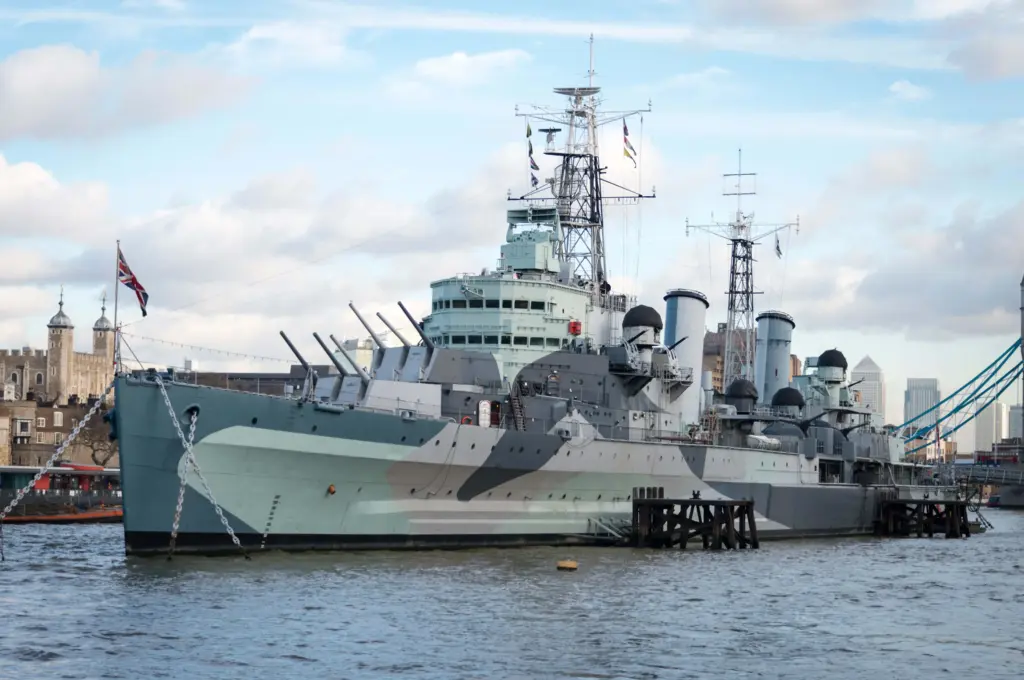
HMS Belfast, a remarkable warship turned museum, presents an intriguing glimpse into history for visitors exploring London’s crowd-pleasing tourist attractions. Launched in 1938, this iconic vessel served valiantly during World War II and the Korean War, where sailors like Lau So made sacrifices for their country. The Imperial War Museum proudly operates HMS Belfast, attracting countless individuals yearning to connect with its rich history. Among those inspired was Lawrence Fong, who unexpectedly discovered a family connection to the ship when he spotted a photo of Lau So, his grandfather, while visiting with his family in 2024. This encounter opened a door to the past, revealing the untold stories of brave Korean War sailors and their legacies through time.
The historic naval cruiser HMS Belfast stands as a testament to the valor and dedication of sailors throughout the tumultuous waves of the 20th century. Docked on the River Thames and managed by the Imperial War Museum, it remains one of the major attractions for travelers in London. Visitors are not only drawn to its formidable presence but are often captivated by personal stories linked to the ship, particularly those of individuals like Lau So, who served onboard during significant conflicts. Families exploring the naval history often stumble upon remarkable discoveries about their ancestors, much like Lawrence Fong did, unveiling connections to past maritime endeavors and the heroic tales of Korean War sailors. Such revelations enrich the experience for tourists, blending personal narratives with the broader strokes of military history.
Exploring the Rich History of HMS Belfast
HMS Belfast is not just a notable warship; it stands as a monument to numerous significant events throughout its operational history. Launched in 1938, it has played critical roles in both World War Two and the Korean War, making it a crucial part of naval history. Docked in the River Thames since 1971, the ship is now a major exhibit of the Imperial War Museum, attracting tourists from all over the world who wish to delve into maritime history and the real stories behind the men who sailed on her. This wartime vessel tells tales of bravery, sacrifice, and resilience, illustrating the profound impact of naval engagements on modern history.
The ship serves as a vivid reminder of the sacrifices made by countless sailors, including those who participated in significant battles and missions during the turbulent years of the 20th century. Each nook and cranny of HMS Belfast echoes the stories of the men who served on her, providing a unique educational resource for visitors of all ages, especially families looking to instill a sense of history in their children.
Visitors to HMS Belfast are offered a chance to walk in the footsteps of history, experiencing the ship’s operational corridors and learning about the lives of those aboard. With exhibitions detailing aspects of naval warfare and personal stories of sailors, such as that of Lau So—a Hong Kong sailor who served and lost his life during the Korean War—HMS Belfast enriches the museum experience in London. The significance of Lau So’s story exemplifies how personal histories intersect with broader military narratives, providing a poignant connection between visitors and the past.
The Legacy of Korean War Sailors Like Lau So
Korean War sailors like Lau So represent a pivotal piece of history that is often overshadowed by larger conflicts. The Korean War itself, which raged from 1950 to 1953, was marked by heightened tensions and significant military involvement from various nations, including the Royal Navy. As a leading steward on HMS Belfast, Lau So’s role went beyond mere service; it symbolizes the contributions of sailors from diverse backgrounds, including those from Hong Kong, who played crucial roles in these battles. His memory lives on, reminding us of the sacrifices made by many young men who faced the horrors of war.
The experiences of sailors during the Korean War often resonate through their families and communities today. For grandsons and granddaughters of these servicemen, understanding their legacy becomes a personal journey of reclaiming family history. After years of uncertainty, Lawrence Fong’s discovery of his grandfather’s connection to HMS Belfast paints a vivid portrait of Lau So’s life as a courageous sailor. Each story unearthed enhances our understanding of the war’s personal implications and the indomitable spirit of those who serve, encouraging a deeper appreciation of their sacrifices.
Visiting the Imperial War Museum: A Family Experience
The Imperial War Museum, with HMS Belfast as a cornerstone exhibit, offers visitors an immersive experience that blends history with family engagement. Each year, hundreds of thousands of tourists flock to this renowned museum, eager to explore the multifaceted narratives of war through the eyes of those who lived it. For families like the Fongs, it becomes more than just a visit; it transforms into a quest for knowledge and connection, linking them back to their familial roots while also introducing younger generations to significant historical contexts.
In addition to exploring HMS Belfast, families can engage with various interactive exhibits and educational programs offered by the museum. This unique combination of learning and exploration makes the Imperial War Museum one of London’s most sought-after tourist attractions. From themed workshops to guided tours that highlight personal stories of individuals like Lau So, the museum provides a rich tapestry of educational experiences for visitors, ensuring that history is not just learned but felt, making family visits both enlightening and memorable.
The Personal Connection to Maritime History
Personal connections to maritime history can weave rich narratives for families, especially when stories like that of Lau So emerge. For many, a visit to a ship like HMS Belfast can uncover layers of family history, revealing connections to ancestors who may have shared similar experiences. This personal journey often begins as a simple curiosity but can transform into a deeply moving exploration of familial legacy, altering perceptions of one’s heritage and acknowledging the sacrifices made across generations.
For Lawrence Fong, discovering that his grandfather served aboard HMS Belfast added profound meaning to his visit to the museum. It served as a catalyst for further research about Lau So, a process that now allows his family to honor and remember a man whose life was shaped by circumstances beyond his control. Such connections highlight the ongoing relevance of military history; they remind us that behind the facts and figures, there are real lives—tales of service, sacrifice, and oftentimes, loss—that deserve recognition and commemoration.
The Cultural Impact of HMS Belfast on Modern Society
HMS Belfast’s cultural significance extends beyond its military history, embracing the broader narrative of how war affects society and families. As a floating museum, it preserves not just the ship’s structure but also the memories of the individuals who served aboard her. This preservation of history plays a crucial role in shaping modern perceptions of conflict and service, connecting past and present generations in meaningful ways. The vessel stands as a testament to the sacrifices made by soldiers, including Lau So, providing a platform for discussion about the consequences of war and peace.
Moreover, London’s HMS Belfast serves as a point of reflection for visitors, prompting them to consider the ongoing effects of war on communities and families. As ongoing dialogues about conflict, memorialization, and recognition unfold, the ship fosters an environment where these critical conversations can thrive. Through personal stories and collective experiences shared at the ship, individuals often leave with a more profound respect for the legacies left behind by those who served, ultimately reinforcing the importance of remembering and honoring these histories.
HMS Belfast: A Journey Through Time
Visiting HMS Belfast offers an unparalleled journey through time, allowing guests to step aboard a vessel that witnessed some of the defining moments in naval warfare. From its construction in 1938 to its service in pivotal conflicts like the Korean War, every detail of the ship tells a story. Its preservation within the Imperial War Museum ensures that visitors can engage with history in a tangible way, learning about maritime technology, the lives of sailors, and the strategic significance of naval power during times of conflict.
As tourists wander through the various compartments of HMS Belfast, they encounter not only the physical space but also the echoes of the past. They can imagine the daily lives of the crew members aboard the ship, gaining insight into their routines, struggles, and camaraderie. The experience is immersive, allowing guests to connect emotionally with history, as they reflect on the sacrifices made by sailors like Lau So who served their countries during tumultuous periods.
Educational Opportunities at the Imperial War Museum
The Imperial War Museum is committed to education, providing numerous opportunities for learners of all ages to engage with war history. Through resources offered at HMS Belfast and across the museum, educators can take advantage of curated programs that focus on crucial themes such as heroism, sacrifice, and the impact of war on contemporary society. For families visiting, these educational opportunities underscore the importance of understanding historical context and the intergenerational conversations that arise from such explorations.
Workshops and seminars tailored for schools and families enable groups to delve deeper into personal histories, fostering connections between generations that inform a shared understanding of past events. For example, visitors might explore the life of Lau So and discuss the broader implications of war on cultural identities. The hands-on learning environment ensures that historical narratives remain relevant, making the museum not just a repository of artifacts but an active participant in shaping societal understanding of history.
Reconnecting Families with Their Maritime Heritage
HMS Belfast serves as a bridge for families seeking to reconnect with their maritime heritage. As visitors uncover stories of their ancestors, such as those of Korean War sailors, they create a deeper understanding of their familial roots and the history behind them. This rediscovery often leads families to honor their loved ones’ memories, providing a sense of closure and continuity that resonates profoundly within the family unit.
For many, including Lawrence Fong, learning about a grandfather’s service aboard HMS Belfast creates a lasting connection that fosters pride and remembrance within the family. The stories, artifacts, and narratives uncovered during visits empower descendants to reflect on the impact of those who served in the navy, ensuring that the sacrifices made are not forgotten. This intergenerational dialogue enables families to carry forward the legacy of service and sacrifice, enriching their understanding of history and identity.
How HMS Belfast Influences Modern Naval Perspectives
HMS Belfast is not only a window into the past; it also serves as a lens through which to view modern naval perspectives. By exploring the ship’s history and the lives of sailors like Lau So, visitors can gain insights into the evolution of naval warfare and the changing nature of military engagements. This educational aspect helps bridge the gap between historical events and contemporary military discussions, demonstrating how past experiences inform present and future naval operations.
Additionally, HMS Belfast offers a platform for engaging conversations around the maritime strategies and roles played by navy personnel in today’s world. By reflecting on the challenges faced by sailors during the Korean War, visitors can contextualize ongoing maritime issues that nations confront. The ship stands as a powerful symbol of resilience, adaptation, and the continuous development of naval tactics—essential themes for anyone interested in understanding the complexities of modern military affairs.
Frequently Asked Questions
What is the history of HMS Belfast during the Korean War?
HMS Belfast, launched in 1938, played a significant role in World War II before serving in the Korean War from 1950 to 1953. As a part of the British naval fleet, it participated in various operations, providing support and firepower during conflicts. Its history is not only crucial to naval warfare but also features poignant stories of the sailors who served, including Lau So, the only Hong Kong sailor who lost his life aboard during this war.
Why is HMS Belfast an important tourist attraction in London?
HMS Belfast is recognized as a prominent tourist attraction in London due to its rich maritime history and significance in major historical events, including World War II and the Korean War. Docked on the River Thames near Tower Bridge, it operates as part of the Imperial War Museum, offering visitors an immersive experience into the life aboard a naval warship. Each year, it draws hundreds of thousands of visitors eager to learn about naval history.
Who was Lau So, and what is his connection to HMS Belfast?
Lau So was a sailor aboard HMS Belfast during the Korean War, serving as leading steward. His role involved overseeing the meals and quarters of senior officers. Tragically, he became the only Hong Kong sailor to lose his life on HMS Belfast during the conflict. His story recently came to light when his grandson, Lawrence Fong, discovered a photograph of Lau So while visiting the ship with his family.
How did the Imperial War Museum help discover Lau So’s connection to HMS Belfast?
The Imperial War Museum’s learning and engagement team played a crucial role in confirming Lau So’s connection to HMS Belfast. After an inquiry from Lawrence Fong’s wife, the team spent numerous hours researching archives, uncovering historical records that established Lau So’s service aboard the ship, enriching the family’s understanding of their grandfather’s legacy.
What legacy did Lau So leave behind after serving on HMS Belfast?
Lau So’s legacy is profound, as he is remembered for his role as a well-liked leading steward aboard HMS Belfast during the Korean War. Following his tragic death, his family received compensation, and his burial upheld Chinese customs. His story resonates deeply with his grandchildren, who cherish their heritage and maintain strong ties between the UK and Hong Kong.
| Key Points | Details |
|---|---|
| Visitor Experience | Lawrence Fong visited HMS Belfast in 2024 with his family and discovered a photo of his grandfather. |
| Historical Significance | HMS Belfast was launched in 1938 and served in World War Two and the Korean War. |
| Location and Attraction | Since 1971, the ship has been docked on the River Thames in London, part of the Imperial War Museum. |
| Grandfather’s Legacy | Lau So, Lawrence’s grandfather, was the only Hong Kong sailor who lost his life aboard the ship during the Korean War. |
| Family Connection | Lau So’s family was confirmed by the IWM after Lawrence’s wife inquired about him. |
| Role on Ship | He served as a leading steward, managing meals and quarters for senior officers. |
| Posthumous Recognition | He was buried on land following Chinese customs after the ship docked for his burial. |
| Family Today | Lau So’s grandchildren live in the UK and Hong Kong, maintaining family ties. |
Summary
HMS Belfast is more than just a historical warship; it serves as a poignant reminder of personal histories like that of Lau So, a sailor who tragically lost his life during the Korean War. This remarkable connection not only highlights the ship’s significance in British naval history but also showcases the impact of war on families across generations. As visitors continue to explore HMS Belfast, they discover stories of bravery and sacrifice, enriching their understanding of both the ship’s legacy and their own familial connections to history.