
Listen to this article
The Scottish medieval coin is a fascinating artifact that offers a glimpse into the early monetary system of Scotland. Among the most remarkable finds is the David I coin, which has been identified as the first coin minted in Scotland nearly 900 years ago. Dated to the 1130s, this medieval coinage represents a pivotal moment in Scottish history, showcasing King David I’s significant role in the establishment of a national currency. Acquired by National Museums Scotland, this coin adds depth to our understanding of Scottish coin minting and highlights the importance of discoveries reported through the Treasure Trove process. As researchers delve into this historic piece, they uncover invaluable insights into the origins and evolution of Scotland’s economic practices during the medieval period.
The recent discovery of a Scots medieval currency provides new insights into the financial infrastructure of ancient Scotland. This notable piece, often referred to in academic circles as the earliest Scottish money, illustrates the transition to a formalized monetary system under the rule of King David I. Historical accounts reveal that this coinage initiative marked the beginning of structured coin production in Scotland, previously thought to be dominated by minting operations in Carlisle. The implications of this coin discovery are profound, as it expands our knowledge of how currency was produced and used during the medieval era. By examining artifacts like the David I coin, historians and archaeologists alike can piece together the complexities of Scotland’s medieval economy.
The Significance of the David I Coin in Scottish History
The David I coin, discovered recently near Penicuik, represents a monumental finding in Scotland’s historical narrative. As the earliest known coin minted in Scotland, it symbolizes the initial steps towards organized money systems in the region. The value of this silver coin, estimated at £15,000, underscores its importance, not just as a historical artifact, but also as a representation of Scotland’s evolving economy during the medieval period. This coin indicates the burgeoning practice of coinage that began under King David I’s reign, highlighting the shift from bartering systems to coin-based trade.
Coinage carries immense significance in understanding medieval economies, and the David I coin aids historians in piecing together Scotland’s past. Its discovery in 2023 sheds light on a time when Scotland was defining its identity through various institutions, including its currency. King David I’s establishment of a mint in Edinburgh not only marks the inception of Scottish coin minting but also signifies the centralization of power and resources, paving the way for further economic enhancements in the region.
Uncovering the First Coinage in Scotland
Before the discovery of the David I coin, it was believed that all early Scottish coins were minted in Carlisle. This assumption changed with the revelation that Edinburgh hosted the minting of this coin, marking a critical moment in the history of Scottish coinage. The fact that this coin is the first of its type discovered outside Carlisle emphasizes the geographical diversity of coin production during King David I’s reign. Coins serve not only as currency but also as historical documents that reflect the socio-economic conditions of their time.
The emergence of this medieval coin showcases the sophistication involved in the early stages of Scottish coin minting. With the inscription indicating its origin from Edinburgh, experts can now explore new avenues of research regarding the patterns of medieval coinage and production methods used during this era. The tangible nature of such coins allows historians to bridge the knowledge gap left by scarce documentary evidence, enabling a more vivid reconstruction of Scotland’s economic landscape in the 12th century.
National Museums Scotland: A Repository of Treasures
National Museums Scotland plays a pivotal role in preserving significant artifacts like the David I coin. By acquiring this priceless piece, they not only safeguard Scotland’s rich medieval heritage but also provide an opportunity for ongoing research that can illuminate various aspects of Scotland’s coinage history. The NMS is committed to expanding public knowledge about Scottish medieval history, and highlighting coins from this period forms a crucial part of that educational mission.
As this coin is set to be part of future displays, it will serve as a bridge connecting the past to contemporary audiences. Such exhibits are vital in fostering a sense of national pride and awareness around Scotland’s historical narrative. The David I coin will allow visitors to engage with Scotland’s medieval past in a tangible way, bringing to life the stories of kings, coin minting practices, and the socio-economic conditions of the time.
Exploring Medieval Coinage: Beyond the David I Coin
While the David I coin stands as a noteworthy find, it is essential to broaden the scope of understanding to encompass medieval coinage as a whole. The coins from this period, including those minted in various regions like Perth, Aberdeen, and St Andrews, reflect the complex trade networks and economic systems in place. This era of coinage marked a transition to a more structured financial system within Scotland and played a role in the establishment of early medieval markets.
The variety of coins minted under King David I and subsequent monarchs demonstrates how currency evolved alongside political and social developments. Each coin not only provided a means of trade but also conveyed messages of authority and legitimacy. By studying these coins, historians can gain insights into Scotland’s historical trajectory and the influence of monarchy on economic practices during the medieval period.
The Role of King David I in the Evolution of Scottish Currency
King David I played a crucial role in revolutionizing the monetary system of medieval Scotland. His reign marked the transition from pre-existing trade practices to a sophisticated system of coinage, symbolized by the minting of the David I coin. By creating a standardized coin, King David I not only facilitated commerce but also asserted his authority and independence from external influences, particularly from England.
Moreover, King David I’s initiatives extended to the establishment of royal burghs, which served as centers of trade and economic activity. These burghs, complemented by a reliable currency, encouraged economic growth and fostered a sense of unity among the Scottish populace. This early adoption of coinage set the foundation for Scotland’s subsequent economic systems, laying the groundwork for future advancements in currency and trade.
The Maiden Voyage of Scottish Minting Techniques
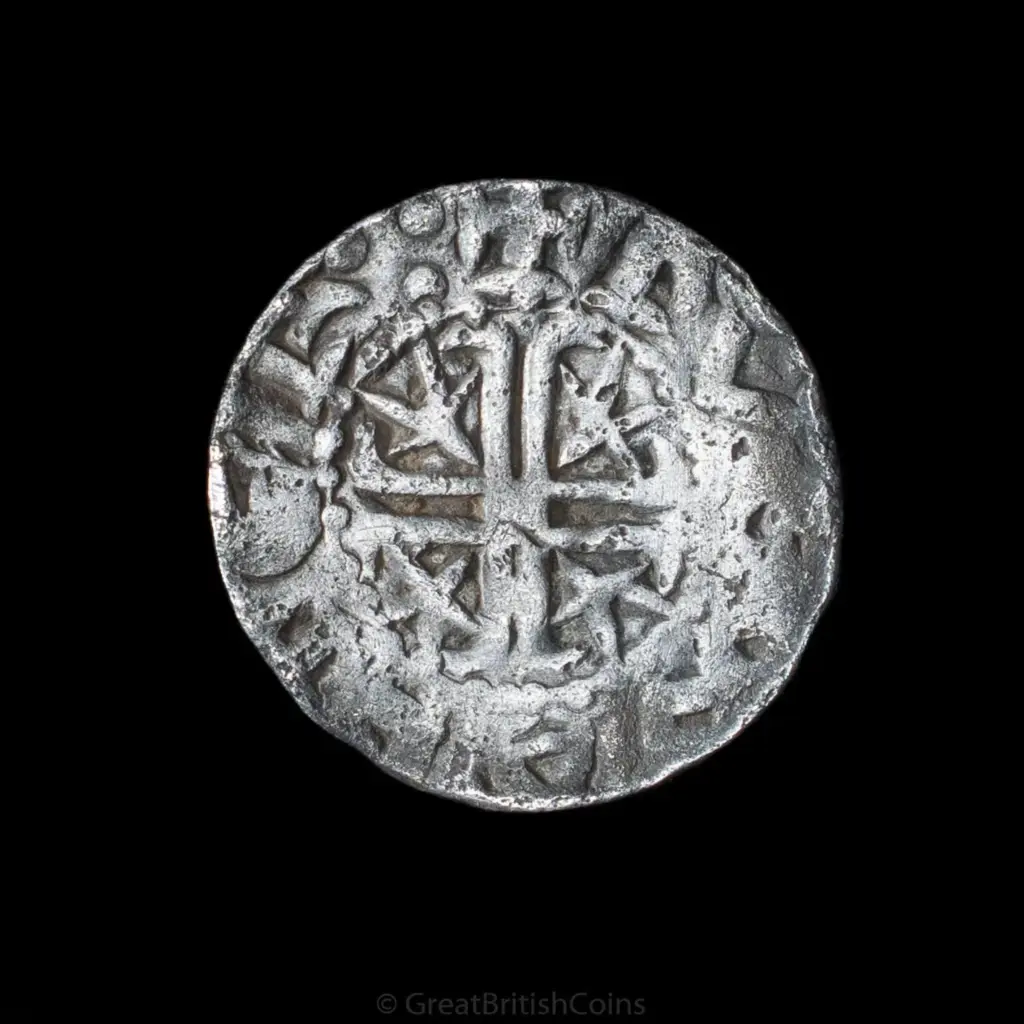
The discovery of the David I coin offers a glimpse into the early minting techniques employed in Scotland. Minting involved not just creating money, but also defining cultural and political narratives through designs and inscriptions. The cross-based design on the coin reflects both religious and royal symbols that were pivotal during the medieval period, emphasizing Scotland’s identity through its currency.
Additionally, examining the techniques and materials utilized in the minting process allows scholars to trace the evolution of numismatic practices over the centuries. The fine silver of the David I coin exemplifies the artisans’ skill and the trade networks that enabled access to such materials. As we explore these aspects, we also gain an appreciation of the socio-economic contexts that shaped Scottish society in the medieval era.
Implications of the David I Coin for Modern Understanding of Coinage
The rediscovery of the David I coin carries significant implications for modern understandings of medieval coinage. It highlights the limited historical documentation available on early Scottish minting practices, making such artifacts crucial for research. Coins like the one found near Penicuik are invaluable for decoding economic histories and examining the relationships between different regions within Scotland during the 12th century.
As historians and archaeologists continue to study this coin, it opens avenues for new research questions. The mysteries surrounding early Scottish coin minting prompt inquiries into trade routes, the socio-political environment, and the evolution of currency as a tool for economic governance. Therefore, items like the David I coin are not merely relics of the past; they act as entry points for a deeper exploration of historical narratives in Scotland.
Preserving Scotland’s Coinage Heritage for Future Generations
The preservation of unique artifacts like the David I coin is vital for ensuring that future generations can appreciate Scotland’s rich coinage heritage. National Museums Scotland has taken crucial steps to protect and showcase these artifacts, ensuring public engagement with Scottish history. The significance of the David I coin transcends beyond its monetary value; it encapsulates the tradition of craft, the legacy of royal authority, and the socio-economic conditions of its time.
By incorporating such artifacts into educational programs and exhibitions, museums serve not only as custodians of history but also as platforms for dialogue and learning. Visitors can connect with the past through real historical objects, fostering a sense of identity and continuity within Scottish culture. As we continue to explore and preserve the stories behind coins like the David I’s, we contribute to a broader understanding of Scotland’s historical legacy.
The Future of Scottish Numismatics: Insights from the David I Coin
The study of coins, or numismatics, is evolving with every new discovery, and the David I coin is a crucial piece in this ongoing exploration of Scotland’s financial history. This coin not only enriches the existing corpus of medieval coins but also inspires a fresh inquiry into currency use and production during this transformative era. Future research could delve deeper into comparative studies with other contemporary coinages across Europe, thereby situating Scottish practices within a broader continental context.
Moreover, advances in technology are enhancing the ways scholars can analyze coins. Non-invasive imaging techniques and material analysis can unveil details about the minting techniques, material sources, and even the economic implications of coin circulation. The David I coin, therefore, symbolizes not merely a historical artifact, but a catalyst for future discussions and discoveries in the field of numismatics.
Frequently Asked Questions
What is the significance of the David I coin in Scottish medieval coinage?
The David I coin is significant because it represents Scotland’s first homemade currency, introduced by King David I during his reign from 1124 to 1153. Dated to the 1130s, this medieval coin showcases the beginning of Scottish coin minting in Edinburgh, a pivotal moment in the evolution of Scottish medieval coinage.
Where was the first coin in Scotland minted?
The first coin in Scotland, known as the David I coin, was later minted in Edinburgh. This discovery redefines previous notions that Scotland’s earliest coins were only produced in Carlisle.
How does the David I coin relate to the history of Scottish coin minting?
The David I coin marks a turning point in Scottish coin minting, as it was the first coin to be produced in Scotland outside of Carlisle. It reflects King David I’s efforts to establish a distinct Scottish medieval coinage system during his reign.
Why is the recent discovery of a David I silver coin important for National Museums Scotland?
The discovery of the David I silver coin is crucial for National Museums Scotland as it enhances the understanding of early medieval coinage in Scotland. The coin will primarily be used for research and may eventually be put on display, showcasing Scotland’s rich history.
What features are notable on the David I coin?
The David I coin features a detailed portrait of the monarch’s head on one side and a distinctive cross-based design on the other, along with an inscription indicating its minting in Edinburgh, making it a unique example of early Scottish medieval coinage.
What can the David I coin teach us about medieval coinage production in Scotland?
The David I coin provides invaluable insights into medieval coinage production in Scotland, highlighting the minting practices of the time and helping to fill gaps in our understanding due to the scarcity of documentary sources explaining coin production methods.
How does the David I coin impact our understanding of Scotland’s medieval economy?
The David I coin enhances our understanding of Scotland’s medieval economy by illustrating the early use of locally minted currency, which was essential for trade and economic stability during King David I’s reign and beyond.
What happened to the David I coin after its discovery in 2023?
After its discovery, the David I coin was reported to Treasure Trove and allocated to National Museums Scotland, which paid a reward to the finder. It is intended for research and potential future public display as part of the collection.
| Key Points | Details |
|---|---|
| Earliest Coin Minted | Minted almost 900 years ago in Scotland, specifically in the 1130s. |
| Discovery | Found by a metal detectorist in a wooded area near Penicuik, Midlothian in 2023. |
| Historical Significance | First known silver coin minted in Scotland, indicating the beginning of Scottish coinage. |
| Valuation | Valued at £15,000, paid to the finder as a reward by authorities. |
| Minting Location | Previously thought to be minted only in Carlisle; this coin was minted in Edinburgh. |
| Portrait and Design | Features a portrait of King David I on one side and a cross-based design on the other. |
| Future Display | Expected to be used primarily for research, with hopes of future public display. |
| Context of Early Coinage | Foundation of royal burghs and the outcome of David I’s rule, including establishing the Scottish kingdom’s core institutions. |
Summary
The Scottish medieval coin is a pivotal discovery in the history of Scotland’s numismatic timeline, being the earliest known coin minted in the country almost 900 years ago. Found in Penicuik, this medieval silver coin from the reign of King David I marks a significant advancement in Scottish coinage, establishing that minting took place in Edinburgh. The implications of this discovery extend beyond monetary value, enriching our understanding of Scotland’s historical economy, governance, and the importance of royal authority in the medieval period.

