
Listen to this article
Nestled along the banks of the River Thames near Abbey Wood, Crossness Pumping Station is a stunning Grade I listed building that serves as one of the most remarkable historical sites in London. This architectural marvel, showcasing exquisite Victorian architecture, was originally constructed in response to the infamous ‘Great Stink’ of 1858 and played a vital role in London’s sewage history from 1865 until its decommissioning in 1956. With its intricate ornamental features and beautifully restored pumping engines, Crossness stands as a testament to the ingenuity and design prowess of Sir Joseph Bazalgette. The ongoing Crossness restoration efforts have revived this once-neglected site into a captivating attraction, allowing visitors to glimpse a vital chapter in the evolution of urban sanitation. Explore the spectacular interior of Crossness Pumping Station to appreciate how it melds engineering excellence with historic significance, making it a must-visit destination for anyone interested in London’s rich heritage and architectural wonders.
Located on the banks of the River Thames, the Crossness Pumping Station is not just an engineering site, but a significant historical landmark that reflects the grandeur of Victorian infrastructure. Known for its breathtaking design and essential contributions to managing London’s waste, this exceptional venue showcases how innovative urban planning tackled the severe sewage challenges of the 19th century. The intricate ironwork and restored machines within the station highlight its status as a pinnacle of Victorian engineering triumphs. Efforts to rejuvenate this site have turned it into a focal point for enthusiasts of architectural heritage, bringing to life an extraordinary example of London’s industrial past. Visiting Crossness reveals not only the beauty of its design, but also the pivotal role it played in shaping the sanitation landscape throughout the city.
The Historical Significance of Crossness Pumping Station
Crossness Pumping Station stands as a monument to London’s sewage history, having been part of the vital improvements made in the 19th century by the engineer Sir Joseph Bazalgette. Built in response to the infamous ‘Great Stink’ of 1858, this architectural marvel showcases the intersection of Victorian architecture and engineering innovation. It was designed not only to alleviate the public health crisis caused by raw sewage pollution but also to enhance the aesthetic landscape along the River Thames.
As one of the historical sites in London, Crossness represents a pivotal point in the development of the city’s sewage system. Its establishment marked the beginning of modern sanitation in London, which was essential for the growing population at the time. The site remains a testament to the ingenuity of the Victorian era, embodying both functional and decorative elements that characterize the architectural trends of the period.
Exploring the Victorian Architecture of Crossness
The Crossness Pumping Station is lauded for its striking Victorian architecture, which combines practical functionality with intricate design. Designed by the visionary Sir Joseph Bazalgette, the building features elaborate ornamental ironwork and stunning botanical motifs. This elaborate craftsmanship represents the peak of Victorian engineering, showcasing not only the capabilities of the materials but also the aesthetic sensibilities of the time.
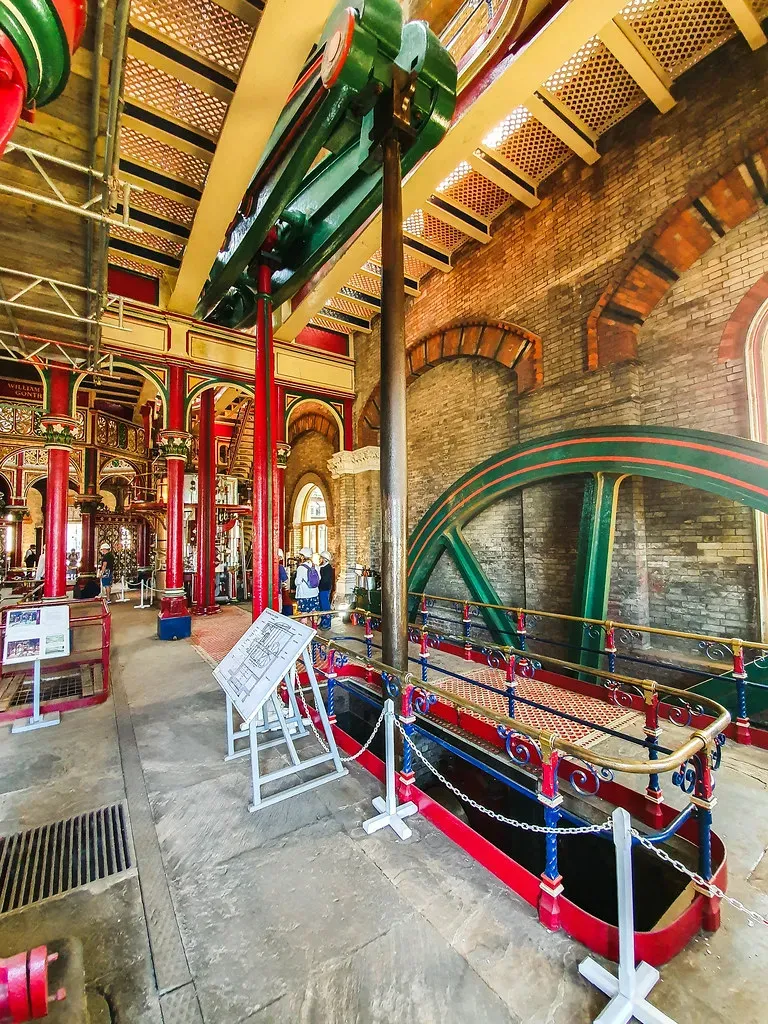
As visitors explore the octagonal iron section and its impressive pumping engines, they are struck by the ornate design that evokes a sense of grandeur akin to that of a cathedral. Such characteristics make Crossness not only an essential part of London’s sewage history but also a celebrated example of architectural marvels in London. The meticulous restoration efforts are essential to preserving this piece of history for future generations.
Restoration Efforts at Crossness Pumping Station
The Crossness restoration project has evolved into a labor of love for a dedicated community of volunteers who recognize the importance of preserving this historical site. Over the years, extensive efforts have been made to restore the magnificent building, particularly focusing on reviving the original pumping engines. One of the standout achievements is the restoration of one engine that has successfully resumed operations, delighting visitors during special open days organized by the Trust.
Preserving the Crossness Pumping Station not only honors the engineering feats of the past but also highlights the importance of maintaining historical landmarks in a rapidly evolving city like London. These restoration efforts have become increasingly crucial to preventing further decay and vandalism, affirming the community’s commitment to safeguarding this Victorian masterpiece for future generations to appreciate.
The Engine Room: A Marvel of Engineering
At the heart of Crossness Pumping Station lies the immense engine room, housing some of the largest rotative beam engines designed during the Victorian era. These pumping engines, engineered by Sir Joseph Bazalgette, were integral in transforming London’s sewage system into a modern infrastructure capable of handling the city’s mounting waste. Today, they stand as a testament to Victorian ingenuity and the era’s remarkable advances in engineering.
Within the engine room, visitors can observe the breathtaking craftsmanship of each engine, adorned with intricate cast ironwork, which reflects the aesthetic values of its time. The revival of at least one operational engine during restoration efforts allows for a glimpse into how this monumental piece of history once functioned, making Crossness an essential stop for those interested in both engineering and the rich history of London’s sewage systems.
Crossness Pumping Station: An Educational Experience
Crossness Pumping Station serves as more than just a historical site; it is an educational hub offering insights into London’s sewage history and Victorian architecture. With guided tours and exhibitions, visitors learn about the significance of the station in the context of the capital’s urban development and public health innovations. The narrative of how Crossness emerged as a solution to the dire ‘Great Stink’ crisis is not only informative but also provides a glimpse into the challenges faced during that era.
Furthermore, the station’s commitment to educational outreach is evident in its collaboration with local schools and community organizations. By engaging the public with hands-on learning experiences, Crossness fosters a greater appreciation for the engineering marvels of the past while emphasizing the importance of preserving historical sites in London. This educational aspect enriches the visitor experience, making Crossness a unique destination for those looking to understand the intersection of history, architecture, and engineering.
Visiting Crossness Pumping Station
Visiting Crossness Pumping Station is an opportunity to encounter one of London’s most stunning yet often overlooked historical treasures. Its prime location along the River Thames creates a picturesque setting, and the station’s ornate structure is a feast for the eyes. Open days are organized for the public, providing access to the interior spaces that reveal the building’s remarkable design and engineering.
As a Grade I listed building, Crossness is not only an example of Victorian architecture but also a portal to understanding the historical context of the era. Visitors can appreciate the scale of the restoration efforts and witness the beauty of the restored pumping engine in action. The combination of educational opportunities, visual splendor, and historical significance makes a visit to Crossness Pumping Station a must for anyone exploring the rich tapestry of London’s heritage.
The Legacy of Sir Joseph Bazalgette
Sir Joseph Bazalgette’s legacy is undeniably tied to Crossness Pumping Station and the transformation of London’s sewage system. His visionary ideas not only tackled the immediate crisis of sewage disposal but also laid the groundwork for the modern sanitation systems we have today. Bazalgette’s work at Crossness exemplifies his commitment to public health and urban planning, making him a significant figure in London’s history.
As we reflect on Bazalgette’s contributions, it becomes clear that the cross-section of engineering, architecture, and public service has had lasting implications beyond the Victorian era. The monumental structures he designed, like Crossness Pumping Station, continue to evoke admiration and respect, reminding us of the importance of innovation in modern engineering. Visitors to this site witness firsthand the enduring impact of Bazalgette’s work, making it a cornerstone of discussions about London’s historical infrastructure.
Preserving London’s Industrial Heritage
The restoration of Crossness Pumping Station aligns with the broader movement of preserving London’s industrial heritage. In a rapidly modernizing city, maintaining historical sites like Crossness is essential for future generations to understand the roots of urban development. These structures not only symbolize the ingenuity of past engineers but also remind us of the importance of sustainable design and conservation in our current age.
Efforts to restore and protect sites like Crossness focus on celebrating the architectural marvels that define London’s identity. By ensuring that such historical landmarks are preserved, we foster a culture of appreciation for our industrial past while promoting awareness of the engineering feats that have shaped our cities. Crossness stands as a symbol of the successful marriage between history, architecture, and community activism, exemplifying the shared responsibility to guard our heritage.
The Importance of Community Involvement
Community involvement has been a driving force behind the successful restoration and maintenance of Crossness Pumping Station. Local volunteers, passionate about preserving this historical site, have dedicated countless hours towards its upkeep and promotion. Their hard work ensures that the fascinating narratives of London’s sewage history are shared with the public, bridging generations through storytelling.
Involving the community is crucial in the preservation of such landmarks as it fosters a sense of ownership and pride. Moreover, events organized by the Crossness Engines Trust not only promote education but also encourage local engagement, connecting people to their city’s rich history. This spirit of community can transform how we value and protect our shared heritage, making Crossness an inspiring example of collaborative effort and commitment.
Frequently Asked Questions
What is the historical significance of Crossness Pumping Station in London?
Crossness Pumping Station is a key historical site in London, built in response to the ‘Great Stink’ of 1858. It played a vital role in the development of London’s sewage system, designed by the renowned engineer Sir Joseph Bazalgette. This Victorian architectural marvel was operational from 1865 to 1956, marking a significant transformation in the city’s sanitation and public health.
How can visitors experience the Victorian architecture of Crossness Pumping Station?
Visitors to Crossness Pumping Station can explore its stunning Victorian architecture through open days organized by the Crossness Engines Trust. The site features ornate cast ironwork and impressive pumping engines, showcasing the grandeur of 19th-century engineering. Restoration efforts have preserved the building’s beauty, allowing guests to appreciate this architectural gem.
What makes Crossness Pumping Station an architectural marvel in London?
Crossness Pumping Station is considered an architectural marvel due to its intricate design and the impressive scale of its machinery. The station’s octagonal iron section and ornamental botanical decorations reflect the artistry of Victorian architecture, while the massive rotative beam engines are among the largest ever created. This combination of functionality and beauty positions the station as a masterpiece of engineering.
What restoration efforts have been made at Crossness Pumping Station?
Significant restoration efforts at Crossness Pumping Station have helped preserve its historical and architectural integrity. Volunteers from the Crossness Engines Trust have worked tirelessly for over a decade to restore one of the original pumping engines to working order, allowing it to operate during open days. These efforts ensure that the legacy of this crucial historical site in London continues to be celebrated.
How does Crossness Pumping Station relate to London sewage history?
Crossness Pumping Station is a central figure in London sewage history due to its role in revolutionizing the city’s waste management system. Built to combat the dire sewage crisis of the mid-19th century, it facilitated the removal of waste from the city and helped prevent pollution of the River Thames. The station’s construction marked a turning point in public health and urban infrastructure in London.
Can you describe the interior features of Crossness Pumping Station?
The interior of Crossness Pumping Station is renowned for its awe-inspiring features, including four large original pumping engines housed in a beautifully restored space. The station boasts intricate cast ironwork and decorative elements that exemplify Victorian craftsmanship, making it a must-visit for fans of architectural history.
Why is Crossness Pumping Station considered a masterpiece of engineering?
Crossness Pumping Station is hailed as a masterpiece of engineering due to its innovative design and the scale of its pumping technology, which was cutting-edge for its time. The functionality of the station, combined with its elaborate Victorian architecture, makes it a unique example of how engineering and aesthetics can harmoniously coexist.
What events are held at Crossness Pumping Station for the public?
Public events at Crossness Pumping Station include open days when visitors can tour the facility, see the restored engine in operation, and learn about its history. These events provide a unique opportunity to explore one of London’s most significant historical sites and appreciate its architectural beauty and engineering achievements.
| Key Points | Details |
|---|---|
| Location | Crossness Pumping Station is situated alongside the River Thames near Abbey Wood. |
| Historical Significance | Built in response to the ‘Great Stink’ of 1858 and operated as a sewage pumping station from 1865 to 1956. |
| Architectural Features | Grade I listed with ornate architectural details and botanical decorations in the octagonal iron section. |
| Restoration Efforts | Extensive restoration done by volunteers has preserved its beauty and one engine is now operational. |
| Cultural Impact | The opening ceremony had notable guests including Albert Edward, the Prince of Wales. |
| Current Status | Decommissioned in the 1950s; currently open for public visits and operational during special events. |
Summary
Crossness Pumping Station is a remarkable architectural and historical landmark in South London, cleverly disguised in its majestic appearance yet functioning crucially in the city’s sewage system from the 19th century onward. This Victorian marvel not only represents significant engineering accomplishments but also reflects the ongoing commitment to preserving its heritage for future generations. It serves as a vivid reminder of London’s history, influencing both the city’s development and public health, making it a must-visit site in London.