Listen to this article
China is conducting military drills around Taiwan, intensifying tensions in the region and raising alarms over Taiwan’s security. These Taiwan Strait military exercises aim to simulate the occupation and blockade of critical areas on the island, representing a stark warning against perceived separatist forces. Mobilizing its army, navy, air force, and rocket force, China is unleashing live-fire drills as part of its extensive military operations labeled “Justice Mission 2025.” This show of strength follows the announcement of an $11 billion U.S. arms package for Taiwan, provoking fierce backlash from Beijing, which has imposed sanctions on U.S. defense companies. As Taiwan fortifies its defense strategies in response, the regional geopolitical landscape continues to shift, prompting urgent discussions about China Taiwan relations and the implications for Taiwan’s future.
With rising military tensions, the recent escalated drills by the Chinese military around Taiwan have captured global attention. Characterized as readiness exercises, these maneuvers are perceived as a direct challenge to Taiwan’s autonomy and a reaction to external influences complicating China Taiwan dynamics. The situation underscores Taiwan’s increased focus on defense strategies, which have come into sharper relief following diplomatic and military developments involving the United States. As military aircraft and naval vessels probe the waters near Taiwan, a heightened security alert is evident, demonstrating the critical nature of Taiwan’s strategic positioning in the face of aggressive Chinese military operations. The implications of these events raise crucial questions about the future security of the Taiwan Strait and regional stability.
China Military Drills Taiwan: Strengthening Posture
China’s recent military exercises around Taiwan, dubbed ‘Justice Mission 2025’, mark a significant escalation in the ongoing tensions between the two entities. These drills simulate the blockade and possible seizure of crucial areas in Taiwan, effectively serving as a stark warning to any so-called ‘separatist forces.’ The mobilization includes air, naval, and rocket forces, implying a comprehensive show of military strength. This response has been strategically timed following the U.S. announcement of a substantial arms package to Taiwan, highlighting the increasingly complex geopolitical dynamics in the Taiwan Strait.
In this context, China’s military operations are not solely a display of might but also a strategic maneuver aimed at deterring Taiwan’s defense strategies. By executing such large-scale drills, China sends a clear message about its intentions regarding Taiwan’s sovereignty and its stance against perceived external influences. This military posturing underscores the heightened security alert in the region, as Taiwan prepares to defend itself amidst rising provocations from Beijing, further complicating China-Taiwan relations.
Taiwan’s Response to Military Exercises
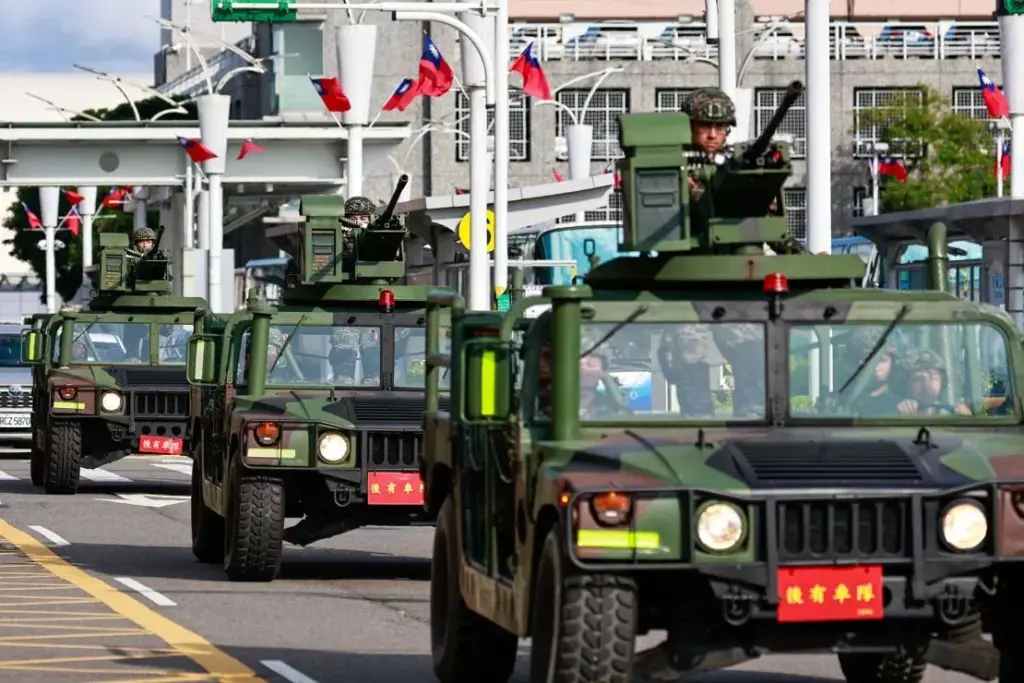
In light of the ongoing Chinese drills, Taiwan has heightened its military readiness, responding both diplomatically and operationally. The Taiwanese presidential office has vehemently condemned the drills, describing them as a direct challenge to international norms and urging the global community to pay attention to the escalating threats. The Taiwanese defense ministry has reported increased reconnaissance activities, identifying numerous Chinese military aircraft and naval vessels near its airspace, thus placing all defense forces on high alert to safeguard Taiwan’s territory.
Taiwan’s proactive defense strategies involve activating missile systems and closely monitoring the situation. The commitment to maintaining a stable status quo has been reinforced by President Lai Ching-te’s assurances that Taiwan will not provoke conflict, yet remains steadfast in its determination to resist any form of coercion from China. This balanced approach reflects the sentiment of many Taiwanese citizens who prefer to maintain their current degree of autonomy without formally declaring independence, opting instead for enhanced defense preparations in case of any aggressive actions by China.
International Implications of China’s Drills
The implications of China’s military exercises extend beyond the immediate Taiwan Strait, affecting broader international relations and security dynamics in East Asia. The rigorous military drills serve as a severe warning against any external forces that may consider intervening in the Taiwan Strait, a region marked by strategic significance due to its shipping lanes and military access. The involvement of the U.S. and the potential for other nations to support Taiwan in this sensitive issue elevates the stakes, potentially leading to increased tensions that could impact regional stability.
As China continues to assert its military capabilities, neighboring countries like Japan are also reassessing their defense positioning. Recently, Japan’s discussions about possible intervention in Taiwan have piqued Beijing’s ire, illustrating the shifting alliances and defense strategies in response to China’s assertive actions. The interconnectedness of these military operations underscores the need for ongoing diplomatic dialogues to mitigate the risks of conflict while addressing the security concerns of all parties involved.
Taiwan’s Defense Initiatives Amid Rising Tensions
In response to continuous military threats, Taiwan is enhancing its defense initiatives to prepare for any potential aggressive actions from China. This year’s military exercises, including the notable Han Kuang exercise, have been the largest in Taiwan’s history, demonstrating a strong commitment to national defense and the readiness of its armed forces. Additionally, advancements in air defense systems, such as the dome-like structure to protect against various hostile threats, signify Taiwan’s proactive stance against security challenges posed by China.
Taiwan’s focus on strengthening its military capabilities reflects a broader strategy to ensure that any attempts at aggression by China are met with a robust response. As Taiwan aims to maintain a credible defense posture, it also seeks to reassure its citizens of their safety while navigating the complex geopolitical landscape. This dual approach of preparation and deterrence plays a crucial role in Taiwan’s ongoing efforts to safeguard its sovereignty and security.
The Role of International Alliances in the Taiwan Strait
The increasing militarization of the Taiwan Strait calls into question the existing international alliances and their roles in regional security. Countries that have strong ties with Taiwan are reevaluating their strategic partnerships in light of China’s escalated military exercises. Understanding the implications of these drills, allies of Taiwan are likely considering the importance of coordinated defense efforts that may arise should tensions escalate further.
These alliances are pivotal not just for immediate military support, but also for surveillance and intelligence sharing that can bolster Taiwan’s defense strategies. As Taiwan navigates its security landscape, the potential for collaboration with Western allies—particularly the U.S.—becomes an essential factor in countering Chinese military assertiveness in the region. This international support not only strengthens Taiwan’s defense but also amplifies the message to China that aggressive actions will have far-reaching repercussions.
China’s Justification for Military Exercises
China’s assertion that its military exercises are a necessary response to perceived threats emphasizes its narrative of ‘peaceful reunification’ with Taiwan. Beijing frames these drills as protective measures necessary for safeguarding its territorial ambitions and maintaining national integrity. By portraying any dissent or call for independence as a challenge to sovereignty, China seeks to legitimize its military posturing and justify its actions on the international stage.
Furthermore, China’s depiction of the military exercises as a ‘shield of justice’ aims to build a nationalistic sentiment among its citizens, reinforcing the government’s stance against what it perceives as foreign intrusions into its internal affairs. This internal narrative is crucial for garnering public support for aggressive tactics, as it aligns with the broader goals of asserting China’s territorial claims and promoting a reunified vision for Taiwan under Beijing’s guidance.
Taiwan’s Civil Defense Preparedness
In light of the persistent military drills by China around Taiwan, the Taiwanese government is actively enhancing its civil defense preparedness. This involves public awareness campaigns aiming to educate citizens on emergency protocols, evacuation plans, and basic survival skills during potential crises. By fostering a culture of readiness, Taiwan seeks to empower its populace to remain resilient in the face of external threats while bolstering national unity.
Additionally, Taiwan’s transportation sector is adapting to the heightened alertness by rerouting flights away from areas near the drills, ensuring public safety and minimizing disruptions caused by military activities. This level of civil defense preparedness is critical in fostering a survivable homeland that reassures the public and underlines Taiwan’s commitment to protecting its citizens, irrespective of the political dynamics with China.
Economic Impact of Military Drills on Taiwan
China’s military exercises around Taiwan inevitably carry economic implications, particularly for industries reliant on stability and secure maritime routes. With the Taiwan Strait being a key shipping lane for international trade, any perceived threat from ongoing drills can lead to increased insurance premiums, deterring cargo vessels from transiting through the region. This economic uncertainty poses risks for Taiwan’s trade-oriented economy, compelling the government to reassess its maritime policies and responses.
Moreover, the influx of international arms support, as seen after the U.S. announced a significant arms package to Taiwan, indicates a shifting economic paradigm. Increased military spending might redirect financial resources from social programs to defense budgets, fundamentally altering Taiwan’s economic landscape. As domestic and international stakeholders react to these evolving dynamics, Taiwan must navigate a delicate balance between enhancing its defense capabilities and ensuring future economic growth.
Future Prospects for Taiwan amid Military Tensions
Looking ahead, the prospects for Taiwan amidst heightened military tensions remain complex and uncertain. As China continues its military exercises, the strategic calculations of both sides will play a crucial role in shaping the future landscape of cross-strait relations. Taiwan’s reliance on international support—both military and diplomatic—will be critical in bolstering its position and maintaining its autonomy against external pressures from Beijing.
In this volatile environment, Taiwan’s government must deftly manage its defense strategies while exploring avenues for dialogue and peace. The aspiration to maintain the status quo, supported by worldwide recognition of Taiwan’s democratic values, could serve as a foundation for future negotiations. However, the path forward will require vigilant monitoring of China’s military activities and the readiness to adapt strategies in response to the evolving geopolitical climate in the Taiwan Strait.
Frequently Asked Questions
What are the implications of China’s military drills around Taiwan?
China’s military drills around Taiwan, particularly the recent ‘Justice Mission 2025’ exercises, simulate a blockade and seizure of the island, serving as a direct warning against what Beijing terms as ‘separatist forces.’ These drills heighten tensions in the Taiwan Strait, impact China Taiwan relations, and prompt Taiwan’s defense strategies to activate its missile systems and prepare for potential aggressions.
How does Taiwan respond to Chinese military operations in the Taiwan Strait?
Taiwan’s defense ministry has condemned China’s military operations, labeling them a challenge to international norms. In response to the drills, Taiwan has activated its missile systems and is on high alert to protect its sovereignty and guard against possible incursions during the heightened security alert.
What is the significance of live-fire exercises in Chinese military drills around Taiwan?
Live-fire exercises are a major component of Chinese military drills around Taiwan, showcasing the preparation of the Chinese military for potential attacks. These exercises serve not only to intimidate Taiwan but also to project Chinese military capabilities to external forces, emphasizing China’s commitment to asserting control over the Taiwan Strait.
How have recent events influenced Taiwan’s defense strategies?
Recent events, including military drills by China and a significant arms package announcement from the U.S. to Taiwan, have prompted Taiwan to strengthen its defense strategies. The Taiwanese government is focusing on maintaining the status quo while enhancing its military readiness to deter potential Chinese aggression.
What are the potential consequences of escalating tensions between China and Taiwan?
The escalating tensions between China and Taiwan, marked by military drills and aggressive posturing from both sides, could lead to increased military confrontations, disruption of peace in the Taiwan Strait, and potential international repercussions involving external powers, particularly the United States.
What is the public sentiment in Taiwan regarding relations with China?
Polls consistently indicate that a majority of Taiwanese people prefer maintaining the status quo over formal unification with China or a declaration of independence. This sentiment reflects the island’s desire for continued sovereignty while avoiding aggressive actions that could provoke China.
What role do international relations play in China’s military drills near Taiwan?
International relations significantly influence China’s military drills near Taiwan; for example, U.S. arms sales to Taiwan provoke sharp protests from Beijing. The drills are often framed as responses to perceived foreign influences attempting to undermine China’s sovereignty, indicating China’s sensitivity to external military support for Taiwan.
How do military drills from both China and Taiwan impact regional security in East Asia?
The military drills by China and Taiwan contribute to a heightened state of alert and uncertainty in East Asia, impacting regional security. Both nations are enhancing their military capabilities amid fears of conflict, while neighboring countries like Japan are closely monitoring the situation, leading to an escalation in regional defense postures and alliances.
| Aspect | Details |
|---|---|
| Military Drills | China’s military drills simulate the seizure and blockade of Taiwan, showing readiness against ‘separatist forces’. Codenamed ‘Justice Mission 2025’, they involve the army, navy, air force, and rocket force. |
| Reaction to US Arms Package | The drills follow the US’s largest arms package to Taiwan, worth $11 billion, which angered Beijing and resulted in sanctions against US defense companies. |
| Taiwan’s Response | Taiwan condemned the drills as a challenge to international norms and reported Chinese military activity nearby. They are on high alert and have activated missile systems for defense. |
| Official Statements | China labels the drills a ‘shield of justice’ and a punishment for separatist forces. It emphasizes its stance against any external interference in Taiwan. |
| Taiwan’s Stance | Taiwan’s President insists on maintaining the status quo and emphasizes their sovereignty, aiming to avoid provocation while strengthening defense. |
| International Impact | Taiwan’s air traffic is affected by the drills, with flights redirected for safety. China’s military drills have also strained relations with Japan and led to protests. |
| Historical Context | China has been increasing military activities in the Taiwan Strait, especially following significant political events involving the US and Taiwan. |
| Media Portrayal | The Chinese military has released derogatory media depicting Taiwan’s leadership amidst escalating tensions. |
Summary
China military drills around Taiwan have heightened regional tensions, showcasing Beijing’s military capabilities and commitment to asserting control over the self-governing island. The recent exercises, designed to intimidate as well as threaten Taiwan, reflect a robust response to recent US arms support to Taiwan and underscore the fragile state of cross-strait relations. As both sides prepare for potential military conflict, the international community watches closely, urging restraint and dialogue to prevent escalation.