
Listen to this article
As the use of drones becomes increasingly popular in the UK, understanding UK drone regulations is essential for anyone looking to enjoy outdoor drone flying. Effective January 1, individuals intending to pilot drones weighing over 100g are required to pass a drone theory test UK administered by the Civil Aviation Authority (CAA) and obtain a Flyer ID. This new directive not only applies to seasoned drone enthusiasts but also to newcomers, many of whom may have received drones as gifts. With an estimated half a million individuals affected, it is crucial to stay informed about the CAA drone regulations 2024 and the Flyer ID requirements. By familiarizing yourself with the drone usage safety UK guidelines, you can ensure a positive experience while avoiding potential legal issues.
In light of recent legislation, the landscape of unmanned aircraft operation in the UK is undergoing significant shifts. The introduction of a mandatory theory test for drone operators signals a growing emphasis on responsible flying practices and adherence to regulatory standards. This affects not just the traditional hobbyist but also those venturing into this exciting technology for the first time. As recreational drone users prepare to navigate the new outdoor drone flying rules, grasping the essentials of compliance and registration becomes vital for ensuring safe and enjoyable flying. With these changes, novice and experienced pilots alike should focus on understanding the requirements to safely integrate drones into their outdoor activities.
Understanding the New CAA Drone Regulations 2024
As of January 1, 2024, the Civil Aviation Authority (CAA) in the UK has implemented new drone regulations that significantly alter the prerequisites for flying drones outdoors. These regulations now require all drone users planning to operate drones or model aircraft weighing 100g or more to pass a mandatory theory test. The introduction of the Flyer ID for lighter drones marks a substantial change, aiming to improve safety and awareness among all users, whether seasoned pilots or new enthusiasts. The objective is clear: to ensure that every drone operator is familiar with the rules governing their use, enhancing the overall safety of outdoor activities.
The CAA’s approach not only gives drone users a clearer understanding of their obligations but also simplifies compliance. Previously, only heavier drones (250g and above) required a Flyer ID, but now, lighter drones are included, effectively expanding the pool of registered drone operators. This change is projected to impact up to half a million individuals in the UK, reflecting the growing popularity of drone flying. As drone technology continues to advance and more people embrace this hobby, understanding the new CAA regulations becomes crucial in promoting responsible flying, mitigating risks, and preventing potential legal issues.
Flyer ID Requirements and Drone Theory Test
The Flyer ID serves as an essential certification for those wishing to fly drones outdoors. To obtain this ID, drone operators must successfully complete the online theory test administered by the CAA. This test covers a range of essential topics, including drone safety, airspace restrictions, and privacy issues relating to drone usage by individuals and businesses alike. The goal of this assessment is to ensure that pilots have a sound understanding of the responsibilities that come with operating a drone, fostering a culture of safety within the drone flying community.
In addition to acquiring a Flyer ID, those operating drones with cameras are required to register for an Operator ID. This two-tiered system is designed to enhance accountability and help enforce UK laws governing outdoor drone flying. Moreover, the CAA mandates that minors under 13 must be accompanied by a parent or guardian during the theory test, demonstrating the commitment to educating all age groups about safe drone operation. These measures are not merely bureaucratic; they are pivotal in ensuring that drone flying remains an enjoyable and safe activity for everyone.
Outdoor Drone Flying Rules: What You Need to Know
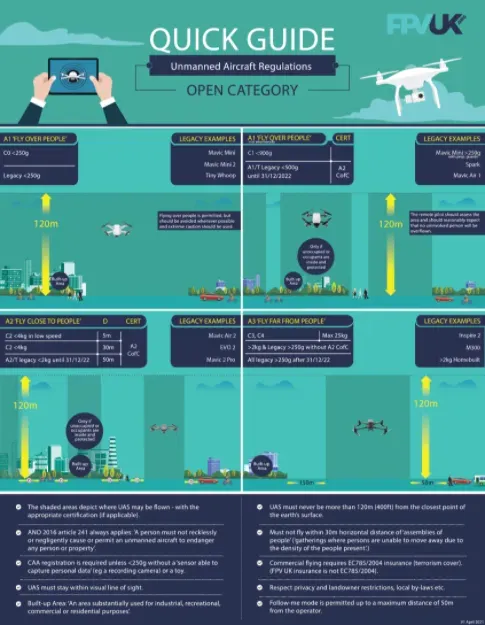
Flying a drone outdoors entails adhering to a series of regulations to guarantee safety for both the operator and the public. These include restrictions on flying near airports, over populated areas, and other no-fly zones. To assist drone users in navigating these rules, the CAA provides detailed guidelines and interactive maps that indicate where drone operation is permissible. Following these guidelines is crucial, as failure to comply can result in legal consequences, including hefty fines or imprisonment.
Moreover, drone operators are urged to respect the privacy of individuals when capturing imagery or video footage with their drones. This aspect is increasingly important as drones become more popular for recreational and commercial purposes. Understanding and implementing these outdoor flying rules can significantly impact the safe integration of drones into everyday life, promoting harmony and respect within communities, while also ensuring compliance with CAA regulations.
The Importance of Safety in Drone Usage in the UK
Safety is a paramount consideration for any drone user, and the recent CAA regulations emphasize this principle. By requiring the Flyer ID and Operator ID for drone operators, the emphasis is placed not only on regulatory compliance but also on the need for responsible flying practices. Users must understand the safety protocols associated with their drones, including maintaining visual line-of-sight during flight, avoiding congested areas, and using drones within specified altitude limits. Ensuring the safety of other individuals while operating drones is non-negotiable and helps in avoiding accidents.
Drone usage safety is a responsibility shared by all operators, and it is essential that communities are educated about the best safety practices. The CAA encourages drone users to participate in safety education programs and stay informed about drone technology advancements and their implications. By embracing a culture of safety first, drone pilots can foster positive experiences and diminish negative incidents, thus allowing for the continued expansion of recreational and professional drone use in the UK.
Impacts of New CAA Regulations on Drone Enthusiasts
The introduction of new regulations by the CAA, particularly the requirement for a Flyer ID for flying drones weighing as little as 100g, will likely have profound implications for both casual enthusiasts and serious drone operators. For many, this means that the joy of flying drones comes with added responsibilities and compliance requirements. While initially, this may seem cumbersome, it is a necessary step towards developing an organized and safe drone flying environment that promotes respect for privacy and safety.
Furthermore, with the expected rise in the number of registered drone operators due to these regulations, the CAA aims to establish a more structured framework for drone operations throughout the UK. This could lead to better guidelines, educational resources, and community support for novice drone pilots. Ultimately, embracing these new regulations could enhance the overall experience for drone enthusiasts, making flying safer for everyone involved.
Navigating Privacy Concerns in Drone Operation
As drones become more commonplace, privacy concerns associated with their usage have intensified. The CAA’s regulations underscore the necessity for drone operators to be acutely aware of the privacy implications when capturing images or videos with drones, particularly in residential areas or public spaces. Respecting individuals’ right to privacy is not just an ethical obligation; it is also a legal requirement under UK law. Drone operators must be cautious and considerate about where they choose to fly and what they film.
Interestingly, as part of the education stemming from Flyer ID requirements, the CAA encourages users to familiarize themselves with how to safeguard individuals’ privacy and navigate the challenging landscape of drone surveillance. Engaging in responsible behavior while operating drones will not only prevent conflicts but also promote mutual understanding between drone operators and the communities in which they operate.
Adapting to Changes in Drone Regulation Enforcement
The implementation of new drone regulations has stirred conversations among experts about the efficacy of enforcement in the UK. Dr. Alan McKenna from the University of Kent highlights that enforcement may largely depend on the resources allocated for monitoring compliance with CAA regulations. While most drone pilots may strive to adhere to these new rules, there will inevitably be some who may choose to flout the law, creating challenges for enforcement agencies.
The CAA recognizes these challenges and stresses the importance of building public awareness and education around responsible drone use. As drone technology evolves, so will the need for regulation and enforcement practices to adapt. By fostering a community of informed users who understand their responsibilities, the CAA aims to ensure that compliance with drone regulations becomes a shared value among enthusiasts, enhancing safety for all.
The Future of Drone Flying in the UK
Looking ahead, the future of drone flying in the UK appears to be both promising and challenging. With the implementation of the new CAA regulations, there is significant potential for the evolution of drone technology and its applications across various sectors such as delivery services, agriculture, and public safety. As more individuals receive drones as gifts and enthusiasts embrace the hobby, the key will be to maintain a balance between innovation and safety.
The growing number of registered drone operators under the new regulations could lead to fruitful developments in airspace management and legislation. Innovations in drone technology may also assist in refining compliance measures, thereby enhancing the safety of drone operations. Future regulations might even expand to accommodate advances in technology, making UK drone use safer and more efficient. The proactive stance by the CAA signifies a commitment to fostering an environment where drone flying can thrive under a framework of safety and responsibility.
Frequently Asked Questions
What are the new UK drone regulations for 2024 regarding Flyer ID requirements?
Starting January 1, 2024, anyone wishing to fly a drone or model aircraft weighing 100g or more outdoors must complete a theory test from the Civil Aviation Authority (CAA) to obtain a Flyer ID. This is a new requirement that previously only applied to drones weighing 250g or more.
What is the drone theory test UK and who needs to take it?
The drone theory test UK is an online test mandated by the CAA that assesses knowledge of safety and regulatory requirements for drone flying. All individuals intending to fly drones weighing 100g or more outdoors must pass this test to acquire a Flyer ID.
What are the outdoor drone flying rules in the UK under new regulations?
Under the new outdoor drone flying rules in the UK, drone users must register, obtain a Flyer ID, and ensure compliance with safety and operational regulations set by the CAA. This includes knowing where to fly and how to respect privacy when using drones.
Do children need a Flyer ID according to UK’s drone regulations?
Yes, children under 13 must obtain a Flyer ID while being accompanied by a parent or guardian during the theory test. Those aged 12 and younger also need supervision from someone over 16 while flying.
What happens if someone flies a drone without the necessary licenses under CAA drone regulations 2024?
Flying a drone or model aircraft without the necessary Flyer ID or Operator ID as specified under CAA drone regulations 2024 is illegal and can result in fines or, in serious cases, imprisonment.
How does the CAA ensure drone usage safety in the UK?
The CAA ensures drone usage safety in the UK through strict regulations such as requiring Flyer and Operator IDs, conducting safety assessments, and educating drone users on safe practices and privacy considerations when flying.
Why is it important to comply with UK drone regulations?
Complying with UK drone regulations is crucial for ensuring public safety, protecting privacy, and allowing for the responsible sharing of airspace as drone usage becomes more common across various sectors.
How will the new CAA drone regulations impact new drone owners in the UK?
New drone owners in the UK will need to familiarize themselves with the latest CAA regulations, including passing a theory test for a Flyer ID, ensuring compliance with safety rules, and understanding where and how to fly legally.
| Key Point | Details |
|---|---|
| New Flyer ID Requirement | From 1 January, anyone flying drones or model aircraft weighing 100g or more must pass an online theory test to obtain a Flyer ID. |
| Affected Individuals | An estimated 500,000 people in the UK will be affected by these new regulations. |
| Drones Classification Changes | Previously, a Flyer ID was only needed for drones weighing 250g or more; now it’s 100g or more. |
| Children and Flyer ID | Children under 13 must obtain a Flyer ID with a guardian present during the theory test. |
| Legal Consequences | Flying without the necessary IDs is illegal and can result in fines or imprisonment. |
| Enforcement Challenges | Experts suggest that while many will comply, some may try to evade regulations due to enforcement limitations. |
Summary
UK drone regulations are becoming increasingly stringent as new rules come into effect. Starting 1 January, all drone users operating devices that weigh 100g or more outdoors must now pass a theory test and obtain a Flyer ID. This change is significant as it aims to improve safety and compliance among the soaring number of drone users in the UK, with estimates suggesting up to half a million individuals will be impacted. The regulations not only enforce the necessity of registering drones but also emphasize responsible flying to protect privacy and the environment.

