
Listen to this article
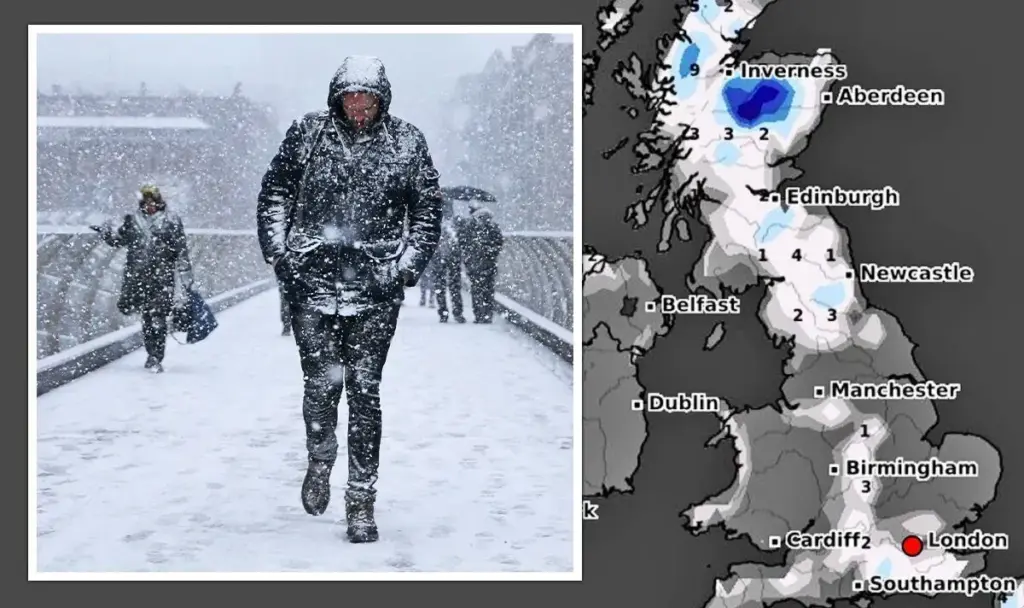
As Londoners prepare for the New Year, a cold weather warning has been issued, signaling a time for vigilance amidst dropping temperatures. The anticipated cold snap, expected after New Year’s Day 2026, highlights the potential impact of cold weather on public health and safety in the city. With conditions predicted to worsen, particularly as temperatures hover around 7-8°C, concerns have arisen over the cold health alert issued by the UK Health Security Agency (UKHSA). This yellow warning serves as a crucial reminder for residents to take precautionary measures against the significant health effects that could arise from prolonged exposure to cold. As frigid conditions settle in, it is vital to be aware of how these changes in the London weather could affect those most at risk, notably the elderly and individuals with existing health conditions.
As the winter season sets in, London braces for a chilling forecast characterized by alerts for extreme cold and its associated risks. The latest cold weather advisories indicate that residents must prepare for temperatures dropping to uncomfortable levels, which may have profound implications on health and wellbeing. Public health alerts emphasize the need for communal awareness and individual readiness as the city faces these low temperatures. Concerns about the effects of the cold spell are not limited to physical discomfort but extend to serious health implications. Thus, it becomes imperative for the community to look out for vulnerable groups during this cold snap.
Understanding the Cold Weather Warning in London
As we enter January 2026, Londoners are facing a significant cold weather warning aimed at safeguarding public health. The UK Health Security Agency (UKHSA) has issued a yellow alert, indicating that the city will experience lower-than-normal temperatures during this time. As a result, residents are urged to prepare for potential health risks associated with these frigid conditions. The warning underscores the importance of staying informed about the weather as it can have far-reaching consequences on individual well-being.
The cold weather warning reflects broader concerns regarding the impact of cold weather on health across the UK. With temperatures dropping to their lowest levels, there’s an increased likelihood of complications for vulnerable populations, including the elderly and those with pre-existing health conditions. Awareness of the cold weather warning is crucial as it can foster community support efforts to look out for those in need, particularly during periods of extreme weather.
Impact of Cold Weather on Health in London
The cold weather in London brings various health risks that residents must consider. With temperatures falling around 4-6C, the UKHSA emphasizes that this can trigger serious health issues, particularly for individuals over 65 and those with chronic illnesses. Heart attacks, strokes, and respiratory infections are among the worst-case scenarios that can arise due to prolonged exposure to cold temperatures. Moreover, the risk is compounded by potential staffing issues in health and care facilities, potentially leaving vulnerable individuals at greater risk.
In addition to immediate health threats, cold temperatures can have longer-term impacts on public health infrastructure. Increased demand for health services is anticipated as more people seek assistance due to chilly conditions. Hospitals may have to deal with a surging number of patients experiencing cold-related health problems. This scenario highlights the vital importance of community vigilance and support to ensure everyone remains safe during these challenging times.
Forecast for London Weather January 2026
As the New Year begins, the forecast for London reveals a significant dip in temperatures compared to the previous months. Residents can expect conditions that are uncharacteristically cold for this time of year, which may not only affect daily activities but also pose health hazards. The warnings suggest that such cold spells might be particularly harsh, resulting in an increased risk of health complications across various demographics.
The weather forecast also serves as a reminder for residents to adopt preventative measures. Staying indoors during peak cold hours, ensuring living spaces are adequately heated, and checking in on neighbors are critical steps to reduce the impact of these temperatures. By staying informed about London’s weather in January 2026, residents can better equip themselves to handle the cold effectively and prioritize their health and safety.
UKHSA Cold Warning: Protecting Public Health
With the UKHSA declaring a cold health alert, public health institutions are prepared to respond to the risks associated with the cold weather. The agency’s warnings underscore the necessity of proactive measures to protect at-risk populations. These entities are mobilizing resources and providing guidance for communities to mitigate Frostbite and hypothermia risks, particularly for senior citizens and individuals with health challenges.
Furthermore, effective communication about the UKHSA cold warning is essential. It helps to sensitize the public on the cold temperatures health effects and mobilize community action. Families are encouraged to plan accordingly, ensuring that they have sufficient heating and access to essential services. Leveraging community networks can be a valuable strategy in navigating the challenges posed by the cold weather and in ensuring that vulnerable individuals are not overlooked.
Cold Temperatures and Their Health Effects
As temperatures drop, one of the paramount concerns centers around the cold temperatures’ health effects on the population. The anticipated chilly conditions can lead to various complications, particularly in individuals with underlying health issues. Those who are most at risk include the elderly and those suffering from respiratory or cardiovascular diseases. In these groups, the cold can exacerbate existing health issues and lead to increased hospitalizations.
Moreover, the broader effects of cold weather cannot be ignored. The health implications extend beyond physical ailments, potentially affecting mental health as well. Seasonal Affective Disorder (SAD) may become more prevalent during winter months when daylight hours are shorter. Recognizing these effects is vital for addressing the comprehensive impact of cold weather and fostering a supportive environment.
Public Awareness: Staying Safe in Cold Weather
Public awareness is critical during colder months, especially when a yellow cold health alert is in effect. Education about the risks associated with low temperatures can empower communities to take action. Simple measures such as wearing layered clothing, staying inside during extreme cold spells, and keeping homes adequately heated can significantly reduce health risks.
Furthermore, local programs aimed at supporting vulnerable populations can play a crucial role. Initiatives that encourage community members to check in on each other can help identify those needing extra assistance. These community-based approaches serve as a reminder that we are all responsible for the health and safety of our neighbors, especially during challenging weather conditions.
Travel and Cold Weather Disruptions in London
Cold weather not only affects health but can also deeply impact travel and transportation systems across London. As temperatures plummet, roads can become icy, leading to hazardous driving conditions and potential accidents. Public transport may also face disruptions due to weather-related delays or cancellations. These scenario prompts residents to allow extra time for travel and to stay updated on transport services.
Moreover, understanding the interconnectedness of cold weather and travel disruptions is essential for planning daily commutes. Being informed about potential service interruptions can help alleviate stress and ensure that individuals can adapt their travel plans accordingly. Awareness of the forecast will enable better route planning, keeping safety and efficiency front of mind during the frigid winter months.
Community Support During Cold Weather Alerts
Community support plays a pivotal role in minimizing the impact of cold weather alerts. During periods of extreme cold, neighbors are encouraged to come together to check on each other, especially those who are elderly or have health issues that make them vulnerable. Creating strong community ties can foster an environment where residents look out for one another, making proactive efforts to help those in need.
Additionally, local charities and organizations often mobilize their resources during cold weather warnings to provide additional assistance. This may include offering warm meals, blankets, or safe transportation options for those without access to adequate heating. Collaborating with these resources can significantly enhance community resilience and ensure that everyone has the support they need to safely navigate the harsh winter months.
Key Precautions Amid Cold Health Alerts
During cold health alerts, it is essential to take specific precautions to protect individual and community health. Individuals are advised to stay indoors when the weather becomes particularly severe and to monitor indoor temperatures, ensuring they do not drop below recommended levels. Wearing layers of clothing and having warm beverages can also help mitigate the cold’s effects while maintaining comfort.
Moreover, focusing on nutrition and hydration is vital for maintaining overall health during the colder months. Individuals should aim to consume nutritious and warming meals to support their immune systems. By taking these precautions, communities can better position themselves to deal with the health challenges presented by cold weather effectively.
Frequently Asked Questions
What does the cold weather warning in London mean for residents in January 2026?
The cold weather warning for London indicates potential health risks due to expected low temperatures. Residents should be aware of the yellow health alert, which signals that temperatures may drop to around 4-6°C from New Year’s Day, potentially impacting vulnerable populations such as the elderly and those with existing health conditions.
How will the cold health alert impact Londoners in January 2026?
The cold health alert in London is expected to impact residents by increasing the risk of cold-related health issues. The UK Health Security Agency (UKHSA) warns that cold temperatures can lead to serious health problems including heart attacks and respiratory infections, particularly among older adults and those with underlying health conditions.
What precautions should be taken during the cold temperatures warning in London?
During the cold weather warning in London, it is crucial to take precautions such as checking on vulnerable family and friends, ensuring homes are heated appropriately, and minimizing outdoor exposure during extreme cold. The UKHSA recommends maintaining a warm indoor environment to protect against the health effects of cold temperatures.
What regions in the UK are affected by the cold weather warning besides London?
In addition to London, the cold weather warning impacts several other regions in the UK, including the East Midlands, West Midlands, South East, South West, East of England, Yorkshire, and the Humber, where similar yellow health alerts have been issued due to expected low temperatures.
What health issues are associated with the cold weather warning in London?
The cold weather warning in London is associated with increased health risks such as heart attacks, strokes, and respiratory infections. The UKHSA states that particularly vulnerable groups, including those aged 65 and over, are at a heightened risk during cold temperatures.
How long will the cold temperatures last according to the warning in London?
The yellow cold weather warning for London indicates that cold temperatures are predicted to last starting from New Year’s Day, with risks continuing in the following days, particularly affected by ongoing cold weather conditions across the region.
What should I do if I experience health problems due to the cold weather in London?
If you experience health issues related to the cold weather in London, seek medical advice promptly. It’s important to contact your healthcare provider or emergency services if you have symptoms of cold-related health problems, especially if you are part of a vulnerable group impacted by the cold temperatures.
Are outdoor activities safe during the cold weather warning in London?
Outdoor activities during the cold weather warning in London can be risky, particularly for vulnerable individuals. If outdoor activities are necessary, it is advised to dress warmly, limit exposure time, and be aware of the symptoms of cold-related health issues.
| Key Point | Details |
|---|---|
| Cold Weather Warning | A yellow weather warning has been issued for London due to expected low temperatures starting January 1, 2026. |
| Temperature Predictions | Temperatures in London are forecasted to be around 7-8C at the end of 2025 and drop to 4-6C on New Year’s Day. |
| Health Impact | The cold weather poses significant health risks, particularly to those over 65 and individuals with existing health conditions. |
| National Alerts | An amber health alert is in force in the North East and North West of England, with severe conditions expected. |
| Advice from UKHSA | Citizens are advised to check on vulnerable individuals as the harsh weather could lead to increased health risks. |
Summary
A cold weather warning for London has been issued in light of the dangerously low temperatures expected to impact the city as we enter 2026. With pronounced health risks for vulnerable populations, it’s crucial for residents to be aware of the potential impacts on health and social care services. As the weather dips, particularly from January 1, community members are encouraged to monitor the well-being of those at risk, including the elderly and individuals with pre-existing health conditions, to mitigate the adverse effects of the cold.