Listen to this article
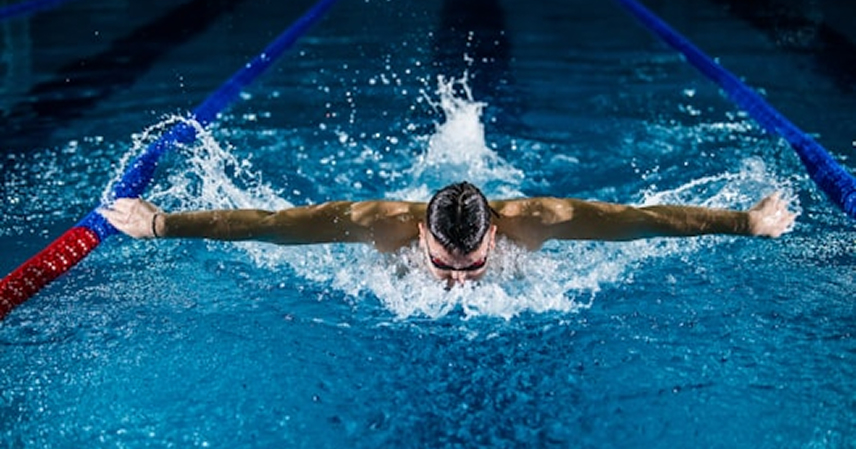
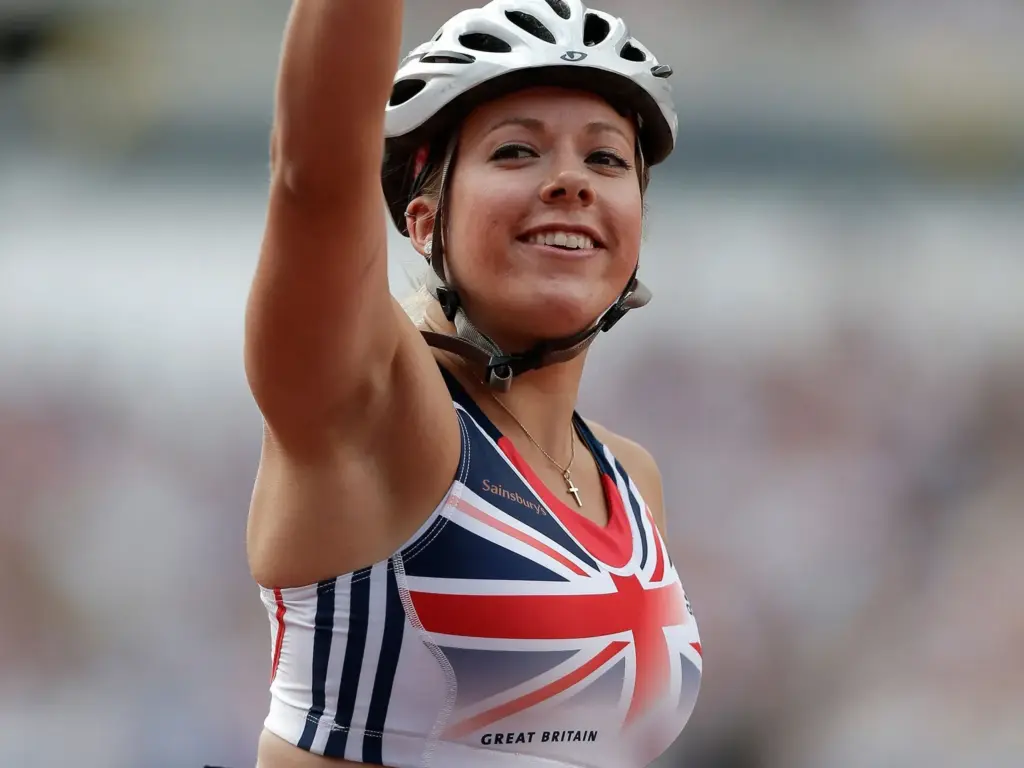
Women in sport have emerged as powerful catalysts for change, redefining perceptions of athleticism and breaking barriers that have long stood in their way. This significant transformation reflects not just the growing participation of female athletes, but also their widespread accomplishments that challenge gender equality in sports. From inspiring female athletes who make history to initiatives advocating empowerment in sports, the momentum is undeniable. However, the pursuit of equal pay in sports and a fair representation in media coverage remains essential to ensure a level playing field. As we celebrate their resilience and achievements, it becomes clear that women in sport are not just participants; they are pioneers reshaping the landscape of athletics.
The emergence of female competitors in athletics marks a pivotal shift in how society views women in physical endeavors. This phenomenon, often referred to as women’s sports, emphasizes the importance of breaking stereotypes and fostering inclusivity. With a commitment to promoting gender equality and empowerment in sports, these remarkable athletes inspire future generations to strive for greatness. Notable examples of inspiring female athletes, such as Serena Williams and Simone Biles, serve as symbols of strength and resilience, proving that success knows no gender barriers. As we delve into the world of women in sports, we uncover a rich tapestry of talent, struggle, and triumph that reflects the ongoing fight for recognition and equity.
The Historical Progression of Women’s Sports
The journey of women in sports has a rich and complex historical background that mirrors the broader fight for women’s rights. Beginning in the late 19th century, significant progress was achieved as female athletes started to gain recognition and representation in various sports arenas. Pioneers like Mildred “Babe” Didrikson Zaharias emerged during this era, proving that women could compete at high levels of athleticism and skill. Their endeavors challenged pre-existing beliefs and redefined norms surrounding gender and sports, creating pathways for future generations of female athletes.
As societal attitudes evolved, the increasing participation of women led to crucial policy changes and the establishment of leagues dedicated to women’s competitions. Notable events such as the inclusion of women’s events in the Olympic Games opened doors for increased visibility and recognition of female athletes. Historical milestones highlight the importance of advocacy and the relentless pursuit of equality in sports, underscoring the notion that women have always belonged in competitive environments.
Frequently Asked Questions
What challenges do women in sport face today?
Women in sport face several challenges, including gender inequality, unequal pay relative to their male counterparts, and underrepresentation in media coverage. Despite significant progress, female athletes often have to fight for equal opportunities and recognition, making initiatives like the #EqualPay movement essential for ensuring fairness in the sports community.
How can empowering female athletes impact society?
Empowering female athletes can have a profound impact on society by promoting gender equality, challenging stereotypes, and inspiring future generations. By showcasing exceptional talent and determination, these athletes serve as role models, encouraging young girls to participate in sports and pursue their dreams while raising awareness about important issues such as mental health and body positivity.
What role does media coverage play in promoting women’s sports?
Media coverage plays a crucial role in promoting women’s sports by providing visibility and recognition for female athletes. Unfortunately, women’s sports receive less coverage than men’s, which can limit opportunities for sponsorships and growth. Increased media attention can help celebrate women’s achievements and inspire more girls to engage in sports.
What is Title IX and how has it influenced women in sport?
Title IX is a landmark piece of legislation in the United States that prohibits discrimination based on gender in educational programs and activities, including athletics. It has significantly influenced women in sport by ensuring equal opportunities for female athletes in school sports programs, leading to increased participation and development of women’s sports across the nation.
What can organizations do to support female athletes?
Organizations can support female athletes by creating initiatives that promote gender equality, providing funding for women’s sports programs, and highlighting the accomplishments of female athletes through campaigns and media coverage. They can also work to establish mentorship programs that connect promising young athletes with experienced female role models.
Who are some inspiring female athletes breaking barriers today?
Some inspiring female athletes breaking barriers today include Serena Williams, a tennis champion who advocates for equal pay, Megan Rapinoe, a soccer player known for championing LGBTQ+ rights and gender equality, and Simone Biles, an Olympic gymnast who speaks openly about mental health. These athletes exemplify excellence and resilience in sports.
How does gender equality in sports benefit society as a whole?
Gender equality in sports benefits society by promoting inclusivity, encouraging participation from all genders, and challenging traditional gender roles. It fosters a culture of respect and teamwork that can translate to various life skills while also inspiring young girls and boys to reach their full potential, regardless of gender.
What are some key historical milestones for women in sport?
Key historical milestones for women in sport include the first women’s Olympic games in 1900, the establishment of Title IX in 1972, and the growing visibility of women’s leagues and tournaments worldwide. These milestones have paved the way for increased participation and recognition of female athletes across many sports.
What are the benefits of young girls participating in sports?
The benefits of young girls participating in sports include improved physical health, enhanced social skills, increased self-esteem, and greater resilience. Participation in sports empowers girls to develop teamwork, leadership skills, and a sense of discipline, all of which contribute to their personal growth and success in other areas of life.
How can parents encourage their daughters to pursue sports?
Parents can encourage their daughters to pursue sports by providing them with opportunities to try different activities, being supportive of their interests, and emphasizing the importance of physical fitness and teamwork. Encouragement from parents can help diminish societal pressures and enable young girls to thrive as athletes.
| Key Point | Description |
|---|---|
| Historical Context | Women were historically excluded from sports, confined to domestic roles, but began to challenge these norms in the late 19th and early 20th centuries. |
| Breaking Barriers | Women today are breaking barriers in competitive sports, with initiatives like Title IX promoting gender equality. |
| Fight for Recognition | Despite progress, women face challenges like unequal pay and low media coverage compared to men in sports. |
| Achieving Greatness | Women athletes have achieved incredible feats, acting as ambassadors for change and inspiring future generations. |
| Building Future Generations | Youth programs and parental support are crucial for encouraging young girls to participate in sports. |
Summary
Women in sport have made remarkable strides over the years, transforming the landscape of athletics and challenging deep-rooted societal norms. The journey from exclusion to empowerment highlights not only the achievements of female athletes but also their crucial role in inspiring future generations. As we acknowledge the barriers they continue to break, it becomes increasingly clear that the world of sports thrives on diversity and inclusion. The ongoing fight for recognition and equality only emphasizes the importance of advocating for women in all sporting arenas. Therefore, it is essential to celebrate women in sport, recognize their contributions, and foster an environment where all athletes can excel, free of gender bias.