Listen to this article
Getting started in sport can be an exhilarating experience, offering a unique blend of physical challenge and personal growth. For beginners, understanding how to approach sports activities can seem daunting; however, with the right beginner sports tips and resources, anyone can find their footing. It’s essential to explore various fitness options that not only enhance your health but also spark joy and engagement. Whether you’re considering team sports or individual pursuits, identifying how to start a sport tailored to your preferences is crucial. This guide aims to provide you with foundational insights to help you smoothly navigate your sporting journey.
Embarking on a new athletic journey is a rewarding endeavor, and there are many engaging paths to choose from when it comes to sports activities for beginners. If you’re contemplating how to dive into this vibrant world of physical fitness, it’s vital to equip yourself with helpful strategies and insights. Exploring athletic pursuits can open doors to improved health and well-being, while also connecting you with like-minded individuals. Additionally, focusing on foundational fitness and understanding the importance of goal-setting will set you on the right course. With the right mindset and resources, you can cultivate a fulfilling and transformative experience in sports.
Setting Realistic Goals for Beginner Athletes
When embarking on a new sporting journey, the first step is to establish clear and achievable goals. Understanding what you want to accomplish—whether it be weight loss, building strength, or increasing cardiovascular fitness—will guide your training and sport selection. It’s important to differentiate between short-term and long-term objectives; for example, aiming to run a 5K in three months could be a great short-term goal, helping to motivate your progress towards a long-term vision like completing a marathon. By framing your goals in a realistic manner, you can minimize disappointment and maintain motivation.
In addition to physical outcomes, consider including goals that focus on the enjoyment and social aspects of sports. For instance, participating in a local soccer league can cultivate a sense of community, while also helping you improve your fitness in a fun environment. Remember, the journey is just as important as the destination, making it essential to set goals that can evolve as you progress in your sporting endeavors.
Exploring Diverse Sports Activities
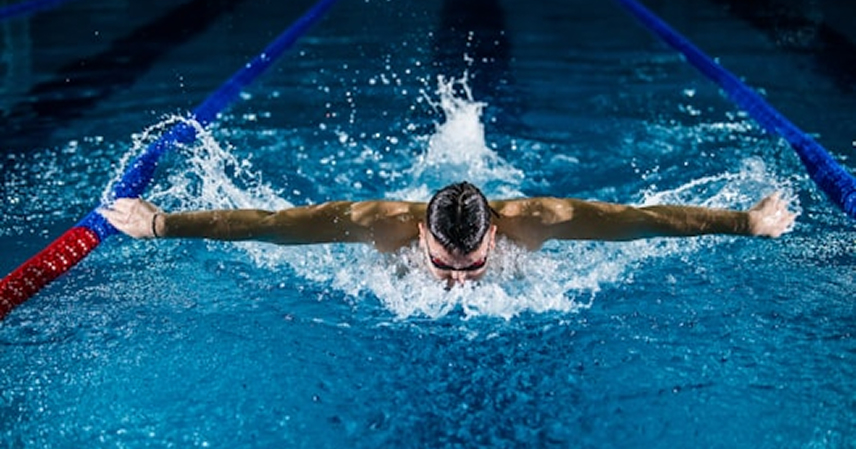
Beginner sports enthusiasts should embrace the variety of sports activities available, as trying out different options can be pivotal in determining what resonates with you. From team sports like basketball and soccer to individual pursuits like swimming or yoga, exploring various options helps you identify your interests and strengths. Many community centers and clubs offer programs specifically designed for beginners, so take advantage of these opportunities to experience different sports before committing fully.
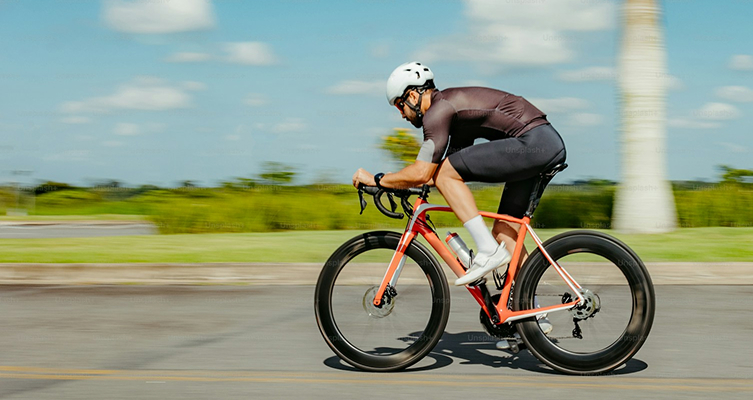
It’s also worth noting that engaging in multiple sports can enhance overall fitness and skill development. For instance, cycling can improve your cardiovascular endurance while complementary activities like strength training can build the muscle groups necessary for sports performance. As you explore, you may find that one sport helps improve your abilities in another, allowing for a more well-rounded fitness regimen.
Basic Fitness Foundations for New Athletes
Starting your sports journey with a strong fitness foundation is crucial for long-term success and injury prevention. Begin by incorporating basic cardio exercises like jogging, walking, or cycling into your weekly routine to enhance your endurance. Aiming for at least 150 minutes of moderate-intensity aerobic activity weekly can significantly boost your overall fitness. Strength training, on the other hand, is also essential; it helps build muscle and improves your ability to perform in various sports. You don’t need fancy equipment to get started; bodyweight exercises like squats and push-ups are excellent for beginners.
Flexibility shouldn’t be overlooked either. Stretching and yoga can enhance your range of motion and reduce the risk of injury during sports activities. Devote time to flexibility training at least 2-3 times a week. This balanced combination of cardiovascular fitness, strength, and flexibility forms a solid foundation that prepares you for the specific demands of your chosen sport.
Choosing the Right Equipment for a Sport
Selecting the appropriate equipment can greatly influence your performance and enjoyment in any sport. For beginners, it’s essential to research what gear is necessary for your chosen activities. For example, if you are planning to join a running club, investing in a good pair of running shoes can provide comfort and reduce the chance of injury. Similarly, if you are considering team sports, understanding what protective gear is necessary will help you feel more confident on the field.
While it may be tempting to purchase the latest high-end gear, it’s wise to start with the basics. As you learn and decide to stick with a particular sport, you can upgrade your equipment to better suit your needs. Remember, the goal is to find equipment that helps you perform at your best, without overwhelming you financially or complicating your initial entry into the sport.
The Benefits of Joining a Sports Community
Joining a community or club related to your sport can enhance your experience significantly. Being part of a group not only provides motivation and accountability, but it also offers valuable opportunities to learn and grow. Many sports clubs for beginners focus on creating an inclusive and supportive environment, making it easier for novices to start, especially if they feel intimidated by their lack of experience.
In addition to camaraderie, being part of a sports community opens doors to training sessions, workshops, and competitions that can enhance your skills. Connecting with experienced athletes can provide insights and tips, which can be invaluable for beginners. Moreover, these connections can lead to friendships that extend beyond the field or gym, making your sporting experience even more rewarding and enriching.
Mastering Technique in Sports Training
No matter which sport you choose, mastering the basic techniques is vital for safety and effectiveness. Beginners are often encouraged to take introductory classes or workshops where certified instructors can guide them through the foundational skills required for their sport. This structured approach minimizes the risk of injury and allows you to build a solid technique that becomes second nature as you progress.
In addition to formal training, practicing at home can be beneficial. You can utilize online tutorials or instructional videos to supplement your learning. However, nothing compares to hands-on coaching, which provides personalized feedback and the opportunity to correct mistakes right away. Prioritizing technique over speed or performance in training will set the stage for sustainable growth in any sport.
Creating a Consistent Practice Schedule
Establishing a consistent schedule is crucial for progress in any sport. By setting dedicated times each week for practicing, you not only develop discipline but also ensure that you make the time for fitness amidst your daily life. It can help to treat practice sessions like appointments—non-negotiable commitments that set the pace for your sporting journey.
Starting with shorter sessions several times per week is often more manageable for beginners than longer, infrequent practices. As you become more comfortable, you can increase the frequency and duration of your training. Consistency, combined with the gradual increase of your training volume, will contribute to long-term improvements and a sustainable routine.
Keeping Up with Sports Education and Trends
In the ever-evolving world of sports, staying educated is a critical advantage for beginners. Engage with current literature, watch videos, and participate in discussions within sports communities online. Following sports blogs and professionals on social media can also provide you with updated information regarding new training techniques, nutrition strategies, or recovery practices that enhance performance.
Furthermore, attending workshops or seminars hosted by experienced athletes or coaches can expand your understanding significantly. Keeping updated not only enhances your skill level but ensures you are making informed decisions about your training regimen, ultimately leading to better results in your sport.
The Role of Nutrition in Athletic Performance
Nutrition plays an essential role in your sporting success. A balanced diet full of wholesome foods provides the necessary fuel for workouts, enhancing endurance and overall performance. Beginners should focus on incorporating plenty of fruits, vegetables, whole grains, and lean proteins into their meals, as these nutrients support energy levels and recovery. Proper hydration is equally vital; ensure you are drinking enough water throughout the day and during workouts.
As you progress in your training and perhaps move to more intense sports, understanding how nutrition affects your performance becomes increasingly important. You may consider consulting with nutrition specialists who can provide tailored advice for your specific needs and demands. Remember, what you eat directly influences your ability to perform, recover, and enjoy your chosen sport.
Prioritizing Rest and Recovery in Sports
One of the most critical aspects of any training regimen is allowing adequate time for rest and recovery. New athletes often underestimate the importance of rest, believing that more training is always better. However, recovery days are essential for preventing injuries, reducing fatigue, and promoting muscle repair. Recognize that your body needs time to adapt after workouts, which can ultimately enhance performance in the long run.
Incorporating activities such as yoga or stretching on rest days can also aid recovery. Techniques like foam rolling can alleviate muscle soreness and improve flexibility. It’s essential to listen to your body; if you experience persistent fatigue or discomfort, reevaluate your training routine and ensure you incorporate enough recovery time.
Tracking Your Progress in Sports
Monitoring your sporting journey can provide motivation and direction. Setting measurable benchmarks—like improving your running time or increasing your number of completed workouts—enables you to see tangible progress over time. Consider logging your sessions in a journal or using mobile apps designed for fitness tracking to document workouts and achievements.
Reflecting on your progress is equally vital. Celebrate your milestones, both big and small, as they indicate growth and improvement. Use any setbacks as opportunities for learning rather than discouragement. Tracking your journey allows you to adjust your goals and training strategies, ensuring continual advancement in your sporting life.
Finding Enjoyment and Staying Motivated in Sports
Amidst the rigors of training and progress, never forget the joy that sports should bring to your life. Whether it’s the thrill of competition or the satisfaction of personal improvement, allow that passion to guide you through tough times. Infuse fun into your training by participating in sports challenges, group activities, or friend-based games that create excitement and camaraderie in your workouts.
Setting personal challenges can also keep your motivation high. You might plan a mini-tournament with friends or set up milestone competitions to boost engagement. Remember, maintaining a love for the sport is fundamental; fostering that enjoyment will help you stay committed long after the initial excitement wears off. Embrace the journey, strive for balance in your approach, and remember that every step you take is part of a gratifying adventure.
Frequently Asked Questions
What are the best sports for beginners to get started in sport?
When getting started in sport, popular activities for beginners include swimming, cycling, running, and team sports like basketball or soccer. These sports cater to various fitness levels and can be enjoyed either individually or as part of a community.
How do I choose the right sport to start as a beginner?
Choosing the right sport involves considering your interests, physical fitness level, and goals. Explore various sports activities for beginners by trying out different options and attending local clubs or community events to find what excites you.
What are some beginner sports tips for getting started in sport?
Key beginner sports tips include setting realistic goals, starting with basic fitness routines, choosing appropriate equipment, and prioritizing technique. Engage with a local sports community for support and motivation.
How should I prepare for starting a new sport?
To prepare for starting a new sport, build a strong fitness foundation through cardiovascular and strength-training exercises. Additionally, research the specific requirements and techniques related to the sport you want to pursue.
What essential fitness tips for beginners should I follow when getting started in sport?
Essential fitness tips for beginners include setting a consistent exercise schedule, focusing on a mix of cardio and strength training, and gradually increasing intensity as you progress. Don’t forget to listen to your body and prioritize recovery.
How can joining a community help when getting started in sport?
Joining a community or club offers valuable resources, motivation, and social interaction. Participating in a group can enhance your commitment to practice and provide opportunities to learn from experienced athletes.
What equipment do I need when getting started in sport?
The required equipment varies by sport. For running, invest in a good pair of running shoes. For team sports, gather basic gear that aligns with the activity. Initially, focus on essential items before upgrading your equipment.
Why is focusing on technique important when getting started in sport?
Focusing on technique is crucial to prevent injuries and enhance performance. Proper form ensures safety and efficiency, especially for beginners. Consider taking classes or following tutorials to learn the fundamentals.
How can I stay motivated while getting started in sport?
Staying motivated involves setting achievable goals, tracking your progress, and maintaining a fun environment. Incorporate enjoyable activities like sports games with friends, and celebrate small victories along the way.
What role does nutrition play when getting started in sport?
Nutrition is vital when starting any sport. A well-balanced diet supports energy levels and recovery. Prioritize fruits, vegetables, whole grains, and hydration to enhance your performance as you engage in sports activities.
| Key Point | Description |
|---|---|
| Understand Your Goals | Identify your objectives to choose the right sport for you. |
| Explore Various Sports | Experience different sports to discover what you enjoy. |
| Start with Basic Fitness | Build fitness through cardio, strength, and flexibility exercises. |
| Choose the Right Equipment | Invest in essential gear suitable for your chosen sport. |
| Join a Community or Club | Connect with others for support and shared experiences. |
| Focus on Technique | Learn proper techniques to enhance safety and performance. |
| Set a Consistent Schedule | Establish a routine for regular practice. |
| Stay Educated | Keep updated on new methods and practices in sports. |
| Pay Attention to Nutrition | Maintain a balanced diet and hydration to support activity. |
| Embrace Rest and Recovery | Prioritize rest days to allow the body to recover. |
| Track Your Progress | Document your achievements to stay motivated. |
| Stay Motivated and Have Fun | Keep the joy in your training by incorporating fun elements. |
Summary
Getting started in sport is an exciting journey that invites beginners and enthusiasts to engage in physical activity. By understanding your goals and exploring various sporting options, you lay the foundation for a fulfilling experience. Building a solid fitness base and equipping yourself with the right gear also play crucial roles. Joining a community can enhance motivation, while focusing on technique, consistent practice, and nutrition will further your progress. Embracing rest and tracking your achievements will help you stay on course. Ultimately, the key to a successful beginning in sport lies in enjoying the process and having fun!