
Listen to this article
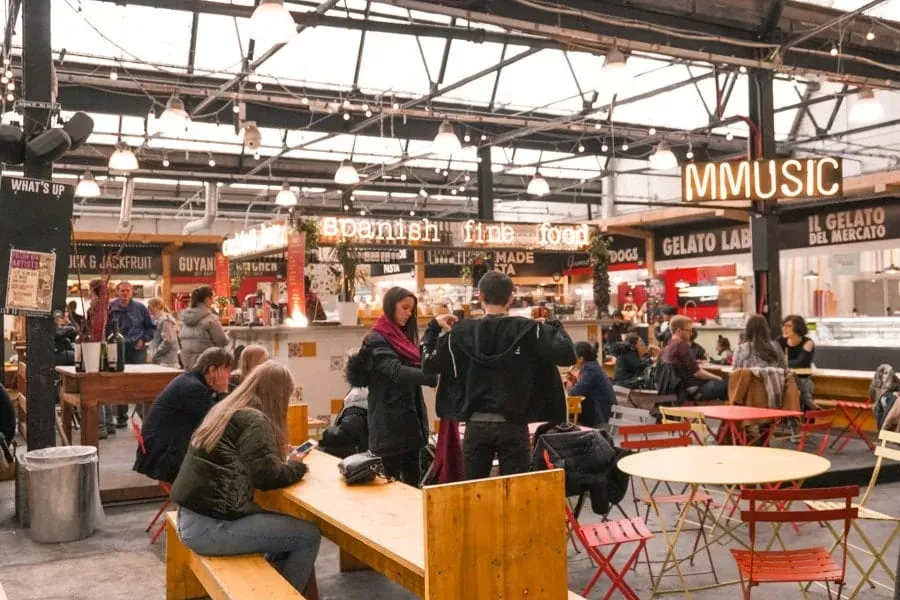
Mercato Metropolitano, a thriving food hall in South London, has become a beloved destination for culinary enthusiasts over its nine years of operation. Located in the heart of the Borough Triangle development, this vibrant marketplace offers visitors a diverse range of food stalls, showcasing local and international flavors. Despite its impending closure due to a significant Southwark housing project aimed at providing nearly 900 homes, Mercato Metropolitano plans to continue its beloved operations until late 2026. As part of the market relocation process, traders will find support through a comprehensive relocation package, ensuring a smooth transition during the construction phase. With 35% of the new housing designated as affordable, this development not only aims to reshape the neighborhood but also to retain the community spirit that Mercato Metropolitano embodies.
Mercato Metropolitano stands out as a culinary hotspot within South London, attracting food lovers and local residents alike. This dynamic food market is situated within the area earmarked for the Borough Triangle initiative, a comprehensive Southwark residential development. While the market prepares for its upcoming transition due to plans for new housing, it remains a focal point for community engagement and culinary diversity. The anticipated project promises to enhance the local landscape by incorporating affordable living spaces alongside commercial and communal areas, ensuring the area’s vibrancy continues. As changes unfold, Mercato Metropolitano will play a crucial role in linking the past with the exciting future of this evolving neighborhood.
The Future of Mercato Metropolitano Amid the Borough Triangle Development
Mercato Metropolitano has become a beloved food hall in South London, attracting locals and visitors alike for its diverse culinary offerings and vibrant community atmosphere. Despite the imminent changes brought about by the Borough Triangle development, the market will continue its operations until late 2026. This extension provides food lovers with the opportunity to savor the unique tastes and experiences offered by the hall as they explore what the future holds for the site. The ongoing presence of Mercato Metropolitano underscores its significance in the local cultural landscape, maintaining its appeal even as conversations about urban redevelopment unfold.
The Borough Triangle development, which plans to transform the area into a residential hub, has raised questions about the future of food and community spaces like Mercato Metropolitano. The demolition of the food hall is a bittersweet prospect for many, as it has served as a gathering point for food enthusiasts and local artisans. Nevertheless, the project’s promise of new residential units—including apartments marked as affordable housing—aims to meet the increasing demand for living spaces in Southwark. This balancing act between development and preservation shines a light on the complexities of urban planning in London, particularly regarding maintaining local culture while accommodating growth.
Impacts of the Borough Triangle Housing Project on Local Businesses
As the Borough Triangle development progresses, local businesses, particularly those within Mercato Metropolitano, are poised to experience significant changes. With plans for nearly 900 homes and associated commercial spaces, the project could attract a new demographic of residents who may support existing businesses and new ventures in the area. To this end, Mercato Metropolitano will continue to operate as a vital retail and community space, providing a platform for local traders to showcase their products. The market’s initiative to offer relocation packages for stallholders highlights a commitment to ensuring that local entrepreneurship and the rich culinary culture of South London are preserved amid the construction.
However, the temporary relocation of some market traders may bring challenges as businesses navigate transitioning their operations during the Borough Triangle project’s development phase. The potential disruption could affect foot traffic and customer loyalty as changes reshape the landscape. Nonetheless, with proper planning and collaboration with local authorities and developers, Mercato Metropolitano aims to adapt and thrive through this change, ensuring that both old and new residents continue to enjoy the vibrant atmosphere and variety of offerings that the food hall has provided.
Affordable Housing Initiatives in Southwark: A Focus on Community
Affordability remains a pressing issue in London, and the Borough Triangle development addresses this by allocating 35% of its housing units as affordable. This initiative is part of a broader commitment to creating inclusive communities in Southwark, where residents from all walks of life can find suitable accommodation options. With housing being a top priority for many residents, integrating affordable options into new developments is crucial for reducing the widespread housing crisis in the capital. As this project unfolds, it promises to contribute not only to housing but also to community cohesion in the area.
The emphasis on affordable housing in Southwark reflects a growing recognition of the need for diverse living options within urban developments. Residents will benefit from a combination of private and affordable units, helping to foster balanced communities where access to essential services, green spaces, and cultural hubs like Mercato Metropolitano can flourish. By weaving community spaces into the housing fabric, the Borough Triangle project is more than just a residential initiative; it is a blueprint for sustainable urban living that prioritizes economic inclusivity and social connection.
Navigating Market Relocation and Community Impact
As the Borough Triangle housing project gears up, the relocation of market traders from Mercato Metropolitano raises important questions about community impact. With the council affirming a relocation package for stallholders, there is hope that these businesses can continue to flourish in temporary or new spaces while construction occurs. It is essential for community stakeholders to advocate for arrangements that minimize disruption and support entrepreneurial resilience. The successful relocation of these traders is crucial to preserving the market’s diversity and cultural richness during this transitional period.
The experience of relocating market operations presents opportunities for innovation and renewal within South London’s food scene. Traders who adapt and find new avenues for their businesses can introduce their unique offerings to different neighborhoods, potentially cultivating new customer bases. Such changes might not only sustain the individual traders but also enrich the culinary landscape across the borough, ensuring that the spirit of Mercato Metropolitano lives on, even as its physical space evolves. Emphasizing support for these businesses during the transition can strengthen community ties and enhance the overall resilience of the local economy.
The Role of Community Centers in Urban Development
The planned inclusion of a community center in the Borough Triangle development emphasizes the importance of social infrastructure in urban settings. Community centers serve as vital hubs for residents to engage in various activities, access resources, and foster connections. By placing a community center within the development, it reinforces the idea that urban spaces should not only consist of residential units but should also prioritize the well-being and interactions of their inhabitants.
These centers often become focal points where culture, education, and support services converge. For a vibrant community to thrive, it is essential that residents have spaces in which they can collaborate and participate in local events, workshops, and classes. As Mercato Metropolitano has demonstrated with its various offerings, creating environments that encourage social exchange plays a critical role in community development. The integration of a community center will enhance the Borough Triangle’s mission to create a well-rounded living environment that nurtures relationships among residents.
Urban Green Spaces and Their Significance in South London
As part of modern urban development, the incorporation of green spaces is becoming increasingly important in South London, particularly with the Borough Triangle project plan. Green areas provide essential benefits not only for aesthetic purposes but also for health and wellness. They serve as lungs for urban areas, offering residents places to relax, engage in physical activities, and enjoy nature amidst the busy city life. The presence of parks and gardens enhances the overall quality of life, making neighborhoods more appealing to families and individuals alike.
Developing a community-centric approach often includes ensuring access to green spaces for all residents. This depiction of urban living enriches community interactions and promotes environmental sustainability. As the new housing units rise within the Borough Triangle project, planners must prioritize these green spaces to ensure a balanced environment that merges residential, commercial, and recreational areas. With a well-planned ecological footprint, the project can redefine urban living in Southwark, encouraging healthy lifestyles and community engagement, alongside the culinary vitality exemplified by Mercato Metropolitano.
The Cultural Significance of Food Halls in Urban Areas
Food halls like Mercato Metropolitano exemplify how culinary spaces can foster cultural exchanges and enhance the urban experience. They are more than just places to eat; they are venues where diverse food cultures converge, allowing visitors to explore various cuisines and local culinary talent. By offering a platform for local chefs and food artisans, food halls contribute to the preservation of cultural heritage while also promoting innovation in the culinary arts. As such, their presence within urban developments like the Borough Triangle is vital for enriching community life.
Moreover, food halls can act as catalysts for economic activity within the neighborhoods they inhabit. They contribute to job creation, attract foot traffic, and encourage local entrepreneurship. As the Borough Triangle project unfolds, the focus on preserving spaces for markets like Mercato Metropolitano highlights the essential role these venues play in connecting community members through shared dining experiences. By integrating cultural and food-oriented spaces within housing developments, planners can cultivate vibrant urban environments that celebrate their diverse cultural landscapes.
Supporting Local Producers: The Backbone of Mercato Metropolitano
At the heart of Mercato Metropolitano is a dedication to supporting local producers and artisans. This commitment not only elevates the culinary scene in South London but also strengthens the local economy. Food halls are notorious for prioritizing sustainability and the use of locally-sourced ingredients, promoting environmentally-friendly practices that resonate with the growing consumer consciousness. As the Borough Triangle project unfolds, it is crucial for developers and planners to preserve such platforms where local businesses can thrive.
The potential relocation of traders during the development phase raises important considerations for maintaining these crucial connections between producers and consumers. By ensuring that stallholders have access to resources and support during this transition, the unique offerings of Mercato Metropolitano can continue to engage and inspire guests. This effort contributes not only to the survival of local businesses but also to building a resilient community that values its heritage and supports its own.
Public Engagement in Urban Planning: The Case of Southwark
Public engagement plays a pivotal role in shaping urban projects like the Borough Triangle development. Citizen involvement ensures that the voices of residents are heard and that their needs and preferences influence planning decisions. Engagement efforts can take many forms, including town hall meetings, surveys, and community forums, allowing residents to share their insights and expectations for developments in their neighborhoods. Involving the community in the planning phase is essential to aligning the vision of projects with actual resident priorities.
In the context of Southwark, where the announcement of the Borough Triangle project has sparked various reactions, it is crucial to involve local stakeholders throughout the development process. By fostering open communication and collaboration between the community and planners, developers can ensure that projects meet the aspirations of the people they impact. Such transparency builds trust and ownership among residents, encouraging them to actively participate in the evolution of their community, especially concerning cherished spaces like Mercato Metropolitano that define their cultural identity.
Frequently Asked Questions
What is Mercato Metropolitano and what offerings are available in the food hall?
Mercato Metropolitano is a vibrant food hall located in south London, known for its diverse selection of culinary delights, cultural events, and community engagement objectives. It features a variety of stalls offering artisanal foods, international cuisines, and locally sourced produce, making it a popular destination for food enthusiasts.
How will the Borough Triangle development affect Mercato Metropolitano?
The Borough Triangle development will impact Mercato Metropolitano as it involves the approved demolition of the food hall to make way for nearly 900 new homes. Despite this, the food hall will continue to operate until late 2026, ensuring visitors can still enjoy its offerings during the transition.
What kind of housing will be included in the Borough Triangle development surrounding Mercato Metropolitano?
The Borough Triangle development surrounding Mercato Metropolitano will consist of approximately 900 housing units, including residential tower blocks rising up to 44 stories high. Notably, 35% of these units are designated as affordable housing in line with local council policies.
Will Mercato Metropolitano traders be affected by the market relocation due to new housing developments?
Yes, some traders at Mercato Metropolitano will be temporarily relocated during the construction phase of the Borough Triangle development. However, the Southwark council has confirmed a relocation package will be available to support these stallholders.
What community features are included in the Borough Triangle development along with Mercato Metropolitano?
In addition to Mercato Metropolitano, the Borough Triangle development will feature office space, a community center, and extensive public areas, ensuring that the project not only meets housing needs but also enhances community engagement and recreational opportunities.
When can we expect more information about the future of Mercato Metropolitano?
More detailed information regarding the future of Mercato Metropolitano and its operations post-development is expected to be announced early next year, providing clarity on the food hall’s ongoing role in the community.
What makes Mercato Metropolitano a significant part of Southwark’s cultural landscape?
Mercato Metropolitano plays a crucial role in Southwark’s cultural landscape by offering a unique food experience that celebrates local and international flavors, fostering a sense of community, and serving as a hub for social events and interactions in a rapidly developing area.
| Key Points |
|---|
| Mercato Metropolitano’s operational timeline: Will operate until late 2026 |
| New housing plans: Borough Triangle development approved with demolition of the food hall for 900 homes |
| Building details: Developments to include tower blocks up to 44 stories high, office space, community center, and public areas |
| Affordable housing: 35% of new units will be designated as affordable |
| Trader status: Some traders to be temporarily relocated; relocation package confirmed for remaining stallholders |
| Ongoing operations: Market intends to provide exciting opportunities for visitors in the meantime |
| Future announcements: More details about the market’s future expected early next year |
Summary
Mercato Metropolitano continues to be a vibrant food hall in south London, promising to operate until late 2026 despite impending development plans. With the approved Borough Triangle project set to bring about significant changes, including housing, offices, and public spaces, it’s crucial for locals and visitors alike to stay informed about the future of this beloved market. As adjustments are made for traders during the upcoming construction, Mercato Metropolitano eagerly anticipates providing enjoyable experiences for all, making it a vital part of the community narrative in the years to come.