
Listen to this article
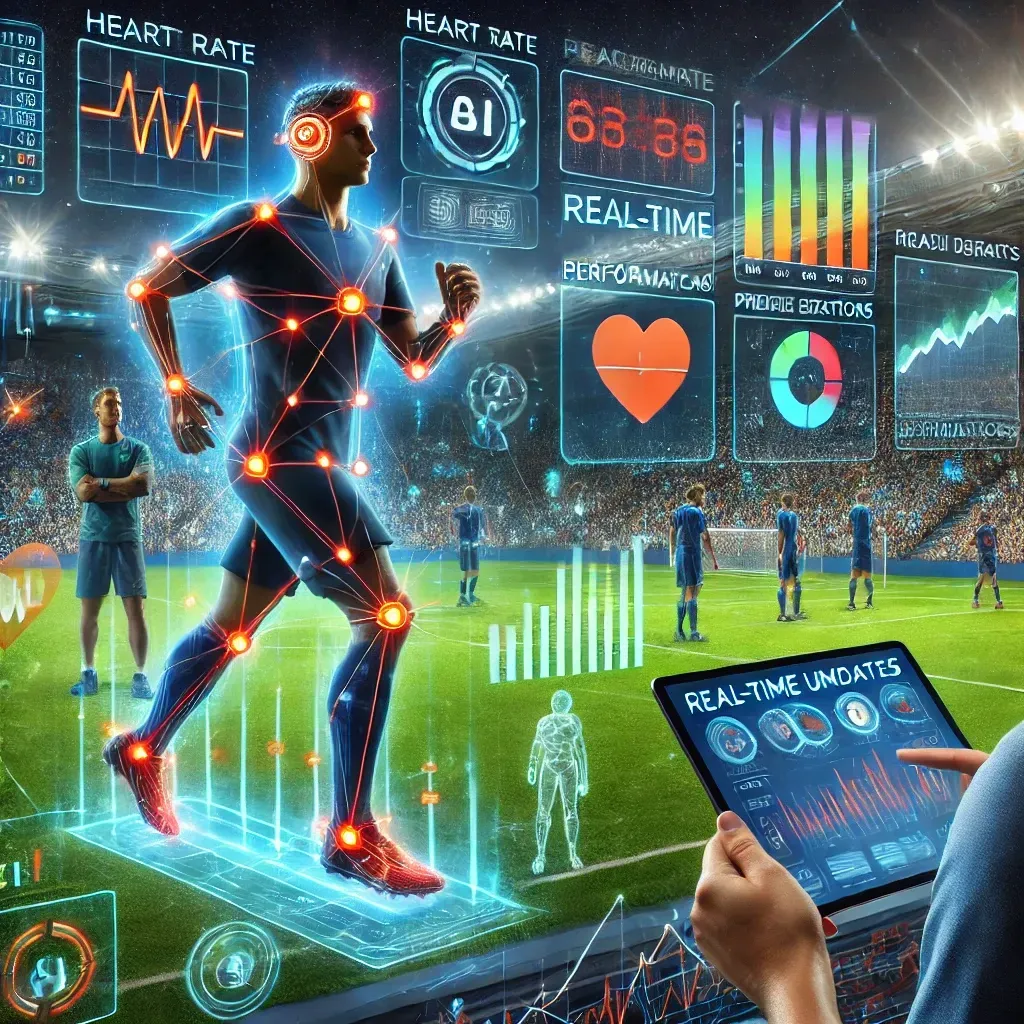
Technology in sports is revolutionizing the way athletes train, perform, and engage with fans, marking an era where innovation meets physical excellence. This dynamic intersection of sports and technology encompasses a range of advancements, from wearable technology that tracks performance metrics to data analytics in sports, enhancing strategic decision-making. Furthermore, virtual reality training is transforming traditional practice methods, allowing athletes to immerse themselves in simulated environments that replicate real-game scenarios without the risk of injury. The rise of e-sports is also reshaping the competitive landscape, appealing to a new generation of fans who embrace gaming as a legitimate sport. As broadcasting changes in sports evolve and augmented reality in sports engages viewers on new levels, it’s evident that technology is not just a tool but a driving force in the future of athletic competition.
The integration of modern innovations within the realm of athletics continues to reshape competitive environments, offering new horizons for training and audience engagement. Advancements such as fitness trackers and smart equipment provide invaluable insights into athlete performance, enhancing overall efficiency and effectiveness. Meanwhile, the utilization of big data analytics allows teams to make informed decisions regarding strategies and player recruitment based on comprehensive metrics. Moreover, the emergence of immersive training experiences through virtual and augmented realities provides athletes with unprecedented preparation techniques. These technological transitions not only redefine personal performance standards but also revolutionize how fans connect with their favorite sports and players.
The Impact of Wearable Technology on Athletic Development
Wearable technology has revolutionized the way athletes and coaches monitor performance. Smart devices such as heart rate monitors, GPS trackers, and fitness bands provide real-time feedback that can drastically enhance training regimens. Athletes can track vital metrics, including heart rate and distance covered, allowing for a detailed understanding of their performance dynamics during matches or training sessions. This data-driven approach ensures that training is tailored to individual needs, helping athletes push their limits safely and effectively.
Moreover, wearable technology is not only beneficial for performance tracking but also for injury prevention. By continuously monitoring physiological indicators and stress levels, these devices help in identifying signs of fatigue and potential injuries early on. This proactive management means athletes can adjust their training loads and recovery strategies accordingly. As a result, teams equipped with the latest wearable technology can maintain a higher level of performance while reducing the risk of injuries, thereby supporting long-term athletic development.
Data Analytics: Transforming Sports Strategy and Performance
The integration of data analytics in sports is fundamentally shifting how teams operate, especially regarding training and game strategy. Advanced analytics enables teams to break down extensive datasets from past performances, providing insights that were previously unattainable. Teams can analyze everything from player statistics to gameplay patterns, allowing them to craft personalized training regimes and tactical strategies that cater specifically to their strengths and weaknesses. This informed approach to game planning allows teams to capitalize on their competitors’ vulnerabilities.
Furthermore, data analytics extends its influence into player recruitment and management. Scouting has transformed from a subjective measure of talent to an empirical science, where statistics play a pivotal role in identifying potential superstars. Analytics help in assessing player performance trends and compatibility with team strategies, leading to smarter recruitment decisions. This trend not only maximizes a team’s competitive edge but also has economic implications, as proper investment in player development based on data translates into better performance outcomes and revenue.
Virtual Reality’s Role in Athletic Training
Virtual reality (VR) is emerging as a groundbreaking tool in sports training, allowing athletes to immerse themselves in simulated environments that replicate real-game scenarios without the associated physical risks. By utilizing VR, athletes can practice complex plays and strategies repetitively in a controlled setting, enhancing their mental acuity and familiarity with different tactical approaches. This mental preparation is vital in sports, where split-second decisions can determine the outcome of a game.
In addition to its application in training, VR also serves as a platform for fan engagement. By offering immersive experiences, fans can feel as if they are part of the game, enhancing their connection to the sport. This dual benefit of VR—improving athlete performance and enriching fan experiences—illustrates how technology keeps evolving to shape both competitive and spectator elements of sports.
Augmented Reality Enhancing Fan Experience
Augmented reality (AR) is reshaping how fans experience sports events, offering interactive features that enhance their engagement during games. From displaying real-time statistics and player information directly over the field view to incorporating engaging storytelling elements, AR enriches the spectator experience significantly. Fans in stadiums can access a world of data at their fingertips, creating a more informed and connected viewing experience while also fostering a sense of community among supporters.
Moreover, AR technology can be harnessed to provide enhanced replay options and highlight reels directly to fans’ devices during live games. By integrating AR applications with social media interactions, fans can share their experiences and opinions in real-time, creating a mixed-reality event that captures the spirit of the game. This level of interaction can drive deeper loyalty and engagement, ensuring that the fan experience evolves alongside technological advancements.
Broadcasting Changes: The Shift to Digital Platforms
The landscape of sports broadcasting is undergoing a transformative shift, moving from traditional television broadcasts to digital streaming platforms. This change not only provides viewers with more flexible and personalized options but also opens new avenues for sports organizations to connect with their audiences directly. Streaming services allow fans to watch their favorite teams live, on-demand, and from multiple devices, significantly changing viewing habits and expectations.
Moreover, social media has further democratized sports broadcasting, where platforms such as Twitter and Facebook serve as additional channels for real-time sports updates, player interactions, and behind-the-scenes content. This enhanced accessibility builds deeper relationships between fans and their favorite sports personalities. However, this transition also raises questions about broadcasting rights and traditional revenue models, compelling sports leagues and networks to rethink their strategies for sustaining profitability in an increasingly digital-focused world.
The Evolution of E-Sports in the Sporting Landscape
E-sports have emerged as a formidable force in the sporting world, capturing the attention of millions of fans and generating significant revenue through sponsorships and competitions. This rise represents a convergence where traditional sports and digital gaming overlap, appealing to younger audiences who are less inclined toward conventional sports. As e-sports grow, they present unique marketing and engagement opportunities for brands looking to tap into this vibrant community.
Furthermore, many traditional sports organizations and athletes are recognizing the potential of e-sports, leading to collaborations and sponsorship deals that bridge the gap between the two realms. As teams look to explore new revenue streams and attract diverse audiences, investing in e-sports can be seen as a strategic move that enhances visibility and market share in an increasingly competitive environment.
The Role of Technology in Injury Prevention
Injuries are a significant concern in sports, and technology is playing a crucial role in their prevention. Advanced monitoring systems and wearable devices allow for the continuous tracking of an athlete’s physical condition, helping to identify potential risks before they lead to severe injuries. By analyzing data from these devices, coaches and sports scientists can develop comprehensive training programs aimed at reducing injury risk and improving overall athlete resilience.
Additionally, technology such as biomechanical analysis tools can assess movement patterns and detect irregularities that might predispose athletes to injuries. These preventative measures are complemented by data analytics, which can predict injury likelihood based on player workload and performance metrics. As technology advances, its integration into risk management strategies in sports will continue to evolve, ultimately aiming to keep athletes healthier and on the field longer.
Data-Driven Decision Making in Team Management
In the modern sporting world, decision-making has become predominantly data-driven, allowing teams to refine their strategies and operational practices. The utilization of analytics extends beyond performance assessment to include strategic management decisions related to player development, contract negotiations, and even game strategy formulations. By leveraging extensive datasets, teams can make informed choices that enhance their competitive positioning and financial sustainability.
Furthermore, data analytics assists in optimizing resource allocation within sports organizations. By analyzing trends from training and game performance, teams can allocate budgets and investment more effectively—spending on what truly drives performance improvement. This focus on data-backed decision-making empowers teams not only in choosing players but also in planning their developmental pathways holistically, promoting sustained success across various seasons.
The Future of Technology in Sports Engagement
As technology continues to advance, its role in enhancing sports engagement is becoming increasingly critical. Innovations such as virtual and augmented reality experiences are driving new ways for fans to interact with their favorite sports and teams. By harnessing these technologies, sports organizations can create immersive experiences that deepen fan loyalty and encourage more significant levels of participation—whether through virtual meet-and-greets with athletes or interactive game features that keep fans engaged during live broadcasts.
Additionally, advancements in social media engagement tactics are shaping the way fans access content and connect with each other. As sports organizations look to engage their audience beyond just game days, employing technology to create vibrant online communities allows for year-round interactions. This ongoing engagement ensures that fans feel connected and invested, fostering a lifetime relationship with their respective sports.
Frequently Asked Questions
How is wearable technology impacting performance in sports?
Wearable technology is significantly enhancing athlete performance by providing real-time data on metrics such as heart rate, distance covered, and fatigue levels. Devices like smartwatches and fitness trackers enable athletes and coaches to tailor training programs, improve health monitoring, and adjust regimens to prevent injuries.
What role does data analytics play in modern sports?
Data analytics is transforming strategies in sports by analyzing vast amounts of performance data to inform training, player selection, and game strategies. Teams utilize big data to scout talents and optimize performance by understanding patterns over seasons, ultimately aiming for improved results.
How can virtual reality training benefit athletes?
Virtual reality training allows athletes to simulate various game scenarios to enhance their skills without physical strain. This technology provides a safe environment for practice, helping athletes train their mental and physical capacities simultaneously, leading to improved performance during actual competitions.
What are the advancements in augmented reality for sports audiences?
Augmented reality is enhancing fan experiences by providing real-time statistics, player information, and interactive elements during games. Fans can engage with analytics through AR devices, enriching their viewing experience and fostering a deeper connection with the sport.
How are broadcasting changes in sports affecting viewer accessibility?
Broadcasting changes, notably the shift to digital streaming platforms, are enhancing accessibility for sports fans. Viewers can now watch their favorite events anytime, anywhere, with personalized experiences through services like Netflix and Amazon, which revolutionize traditional sports broadcasting.
What is the significance of e-sports in the modern sports landscape?
E-sports represents a rapidly growing segment of the sports industry, attracting significant investment and sponsorships. With professional leagues and large audiences, traditional sports organizations are increasingly integrating e-sports, bridging the gap between conventional and competitive gaming.
How do wearables contribute to injury prevention in sports?
Wearable technology helps in injury prevention by monitoring athletes’ health metrics and biofeedback. This allows teams to detect early signs of fatigue or overexertion, enabling timely adjustments to training regimens, thereby reducing the risk of injuries.
What are the benefits of integrating data analytics in team strategy development?
Integrating data analytics into team strategy allows for more informed decision-making based on comprehensive performance analysis. It helps teams exploit opponents’ weaknesses by tailoring game plans, which can lead to improved outcomes and increased chances of winning.
How has technology changed the training environment for athletes?
Technology has changed the training environment through tools like VR and wearables, enabling athletes to practice safely and effectively while receiving immediate feedback on their performance metrics. This fosters an adaptable training atmosphere that can be tailored to meet individual needs.
What future trends can we expect in technology and sports?
Future trends in technology and sports include further integration of AI and machine learning for predictive analysis, expanded use of AR for immersive fan experiences, and continuous advancements in e-sports that will blur the lines between traditional and digital sports.
| Key Technology | Description |
|---|---|
| Wearable Technology | Devices like smartwatches and fitness bands monitor performance metrics and health, providing insights for athletes and coaches. |
| Data Analytics | Utilizing big data to analyze player performance, inform strategies, and scout talent based on comprehensive datasets. |
| Virtual and Augmented Reality | VR allows for simulated training scenarios, while AR enhances fan engagement with live stats and interactive experiences. |
| Broadcasting Innovations | Shift from traditional broadcast to streaming platforms, enhancing accessibility and interactivity for fans. |
| E-Sports | The rise of competitive gaming as a major force in sports, drawing large audiences and sponsorship opportunities. |
Summary
Technology in sports is reshaping the entire landscape of athletic performance and fan engagement. With advancements in wearable technology, sports analytics, and virtual reality, athletes are now able to maximize their performance through real-time data and enhanced training experiences. Furthermore, the rise of streaming services and e-sports presents new avenues for fans to connect with their favorite sports in interactive and dynamic ways. The future will see an increasingly seamless integration of technology into every aspect of sports, benefitting athletes and fans alike as they negotiate this new terrain.

