
Listen to this article
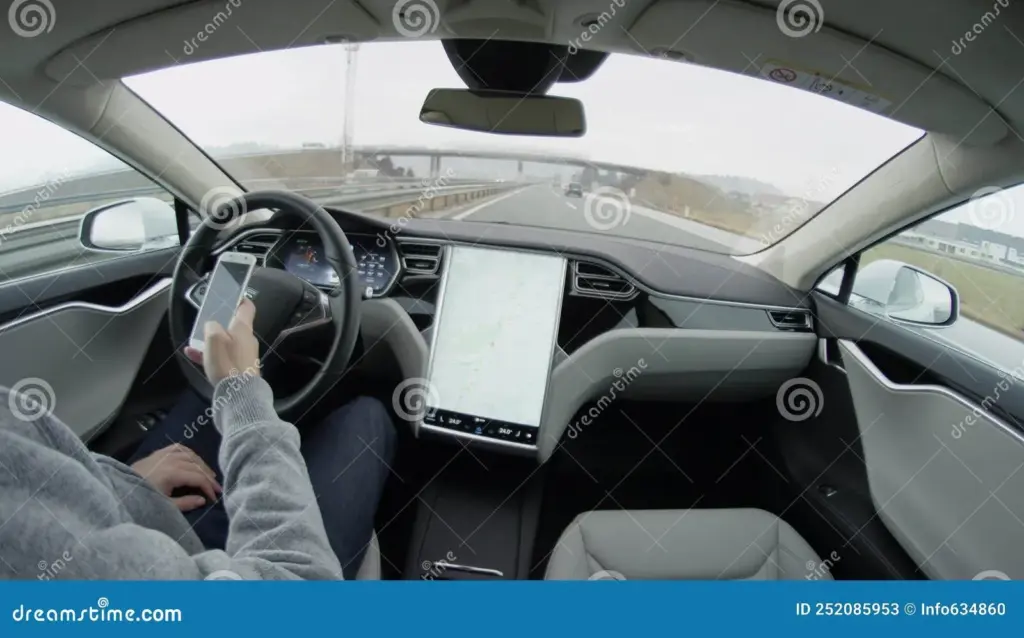
Texting while driving a self-driving Tesla raises significant questions about safety and responsibility in modern automotive technology. As self-driving cars become more prevalent, many wonder if it’s safe to engage in such distracted behavior while behind the wheel of an autonomous vehicle. Tesla’s Full Self Driving (FSD) software has been touted for its potential to handle driving tasks more effectively than humans, yet this leads to alarming safety concerns among experts and advocates. Elon Musk’s recent comments suggesting that it’s acceptable to text while utilizing this advanced technology have intensified the debate surrounding driver attentiveness and the implications of autonomous vehicle technology. With Tesla navigating the future of driving amid increased competition from other self-driving ventures, the intersection of convenience and safety remains at the forefront of discussions about the future of transportation.
Navigating the complexities of texting while behind the wheel of an autonomous Tesla invites a closer examination of driver distractions in the age of driverless vehicles. The emerging field of autonomous driving, particularly with advancements seen in Tesla’s capabilities, poses new dilemmas for users regarding their engagement behind the wheel. Concerns about the implications of texting during the operation of these advanced driving systems echo throughout industry discussions, especially as innovators like Elon Musk advocate for their acceptance. As the lines blur between driver responsibility and autonomous control, it becomes crucial to scrutinize whether the convenience of autonomous systems justifies potential lapses in driver vigilance. This conversation about self-driving vehicles and driver responsibilities will be essential to shaping the future trajectory of road safety.
The Safety Implications of Texting While Driving a Self-Driving Tesla
Texting while driving is a dangerous practice that has long been condemned by safety advocates and law enforcement. With the advent of self-driving cars, especially models like the Tesla equipped with Full Self Driving (FSD) technology, the debate has intensified. While proponents argue that these autonomous vehicle technologies may reduce the likelihood of accidents, the reality is that texting behind the wheel—whether in a conventional vehicle or a self-driving Tesla—remains a highly risky endeavor. Despite claims of enhanced safety from Tesla’s FSD, there are critical implications associated with diverting a driver’s attention to their phone, even if the car is capable of navigating autonomously.
Many experts assert that the fundamental responsibility of attentive driving cannot be completely abdicated, even with sophisticated systems like Tesla’s Autopilot and FSD. Elon Musk’s recent remarks suggesting that users could text while utilizing these systems have provoked significant backlash. As critics point out, data on Tesla’s safety performance lacks transparent, independent validation, which raises concerns about the risks posed by inattentive driving—essentially suggesting a false sense of security. Thus, while technology evolves, the imperative to remain focused on the road persists.
Evaluating Elon Musk’s Perspective on Texting and Driving Safely
Elon Musk’s comments about allowing drivers to text while engaging Tesla’s self-driving functions reveal a controversial stance that has split opinions significantly. Musk posits that using the FSD system to text may be safer than doing so in a traditional vehicle; however, this perspective overlooks the potential for critical distractions that can arise even with vehicles capable of autonomous navigation. This dichotomy raises questions about Musk’s prioritization concerning user safety and public perception. Although Musk aims to position Tesla as an innovator in autonomous driving, his cavalier attitude towards texting while driving appears to undercut the overarching mission of road safety.
Moreover, the possible entrenchment of risky behaviors in everyday driving habits could have far-reaching consequences. Advocacy groups argue that Musk’s remarks may inadvertently encourage unsafe practices among drivers, leading to a dangerous normalization of distracted driving in the age of self-driving cars. Critics emphasize the need for stringent guidelines and regulations surrounding the use of autonomous driving features—particularly those involving any distractions. Without clear regulatory frameworks, users might feel emboldened to engage in potentially hazardous activities, endangering not just themselves, but everyone sharing the road.
Technology vs. Responsibility: The Duality of Self-Driving Cars
The emergence of self-driving cars, particularly models like Tesla’s, presents a significant shift in how we view vehicle operation and driver responsibility. As the technology matures, it becomes crucial to establish clear boundaries on user behavior. Features like Tesla’s FSD are designed to handle complex driving tasks, but this does not alleviate the driver’s obligation to remain vigilant. Indeed, the interplay between cutting-edge autonomous vehicle technology and personal accountability is both complex and critical. Failure to recognize this duality could foster a dangerous mindset among drivers, potentially resulting in catastrophic outcomes.
As more players enter the autonomous vehicle arena, the pressure for Tesla to assert its dominance is climbing, especially against rivals like Waymo. While the competition advances, Tesla needs to clearly delineate the responsibilities of its drivers versus the capabilities of its software systems. Critics argue that Tesla’s approach risks blurring these lines, creating a false narrative that users can fully rely on the technology without maintaining attentiveness. This situation not only complicates the public’s understanding of safe driving practices but also threatens to shortcut essential safety protocols that protect both drivers and pedestrians alike.
The Role of Regulatory Bodies in Managing Autonomous Vehicle Safety
As self-driving cars gradually integrate into everyday life, the role of regulatory bodies becomes increasingly crucial. The National Highway Traffic Safety Administration (NHTSA), for instance, is tasked with ensuring that vehicle manufacturers prioritize safety and adhere to standards that protect all road users. Tesla faces intense scrutiny due to numerous incidents involving its advanced driving features, and regulatory investigations are now commonplace. These investigations emphasize the urgent need for a regulatory framework that governs not just the technology itself, but also the conditions under which it can be deployed.
However, as Tesla pushes for innovative advancements in autonomous technology, the challenge lies in developing comprehensive safety measures that prevent misuse of these systems. The regulatory landscape currently lacks clarity regarding the extent of a car manufacturer’s responsibility to ensure that drivers minimize distractions. Policymakers need to prioritize studies on the impact of technologies like FSD on driver behavior to formulate effective regulations that can mitigate risks without stifling innovation in the autonomous vehicle market.
Consumer Sentiment Toward Self-Driving Technology and Safety Concerns
Consumer sentiment towards self-driving technology remains mixed, particularly as more individuals begin to adopt Tesla’s FSD features. While a segment of the population is enthusiastic about the prospects of AI-assisted driving, there are pervasive safety concerns that linger in the collective consciousness. Critically, as consumers receive messaging from leaders like Musk that downplay the risks associated with distractions like texting, public trust in the technology can wane. User experiences highlight a disparity in how individuals perceive the capabilities of Tesla’s technology versus its actual performance on the road.
In addition, consumer feedback often reflects a desire for more transparent communication from Tesla regarding the risks of distracted driving while utilizing automated systems. Many potential buyers are increasingly cautious, weighing the convenience offered by self-driving technology against the potential dangers of becoming overly reliant on it. This sentiment can act as a guiding force for Tesla as it navigates its product offerings and approaches safety measures. Manufacturers must ensure that their messaging promotes responsible use of technology while maintaining a sincere commitment to consumer safety.
How Tesla’s Innovations Are Reshaping the Future of Driving
Tesla’s innovative contributions to the automotive sector have ignited a broader conversation about the future of driving. As the company pioneers developments in self-driving technology, it has sparked interest and competition from numerous other automakers seeking to implement autonomous vehicles on the road. Despite these exciting advancements, a crucial component of this evolution is the need to prioritize safety above all else. Tesla has made significant strides with its FSD features; however, as with any emerging technology, ample caution is still necessary to mitigate the risks associated with automated driving.
The ongoing advancements in autonomous vehicle technology promise to reshape not only how we drive but also how transportation systems function in urban environments. As more companies join the race to create their versions of self-driving cars, Tesla’s approach to safety regulations, distracted driving, and consumer education will undoubtedly serve as a case study for the industry. Navigating this new terrain responsibly will necessitate collaboration between automakers, regulators, and consumers to ensure a secure and efficient transition towards a world where autonomous vehicles become a staple of modern life.
Public Perception of Autonomous Vehicles and Legal Implications
Public perception of autonomous vehicles is evolving, with both enthusiasm for technological innovation and skepticism regarding safety. The legal landscape surrounding self-driving cars is also in a state of flux as regulatory bodies strive to catch up with rapid technological advancements. Legal implications for manufacturers like Tesla will hinge on how effectively they can manage consumer expectations regarding safety while minimizing distractions—especially the dangers posed by texting while utilizing self-driving features. Public trust is critical in this regard, and as stories of mishaps surface, they influence perceptions about the safety of such technology.
Furthermore, legal precedents are being established as courts begin to assess liability in accidents involving autonomous vehicles. Major decisions will likely shape not only Tesla’s future but also how the whole industry approaches developing self-driving technology. Issues such as accountability in case of malfunctions or accidents need decisive clarity. The interplay between user behavior and responsible technology rollout will have lasting legal ramifications that extend far beyond individual incidents, impacting the framework within which autonomous vehicles operate in society.
Understanding the Technology Behind Self-Driving Cars
Understanding the technology behind self-driving cars is crucial for consumers who may wish to utilize features such as Tesla’s Autopilot and Full Self Driving capabilities. The often complex algorithms and machine learning processes that power these systems are continuously evolving, and they depend on vast amounts of data collected from various driving scenarios to improve accuracy and safety. Tesla’s advancements in autonomous driving rely on neural networks and innovative sensor technologies, which aim to replicate human driving behavior while navigating increasingly complex environments.
While the foundation of self-driving technology presents exciting possibilities, it also raises concerns over reliability and performance under diverse conditions. Essential to the successful rollout of these technologies is a comprehensive understanding among drivers of how they function—primarily, users must be aware that autonomous doesn’t equal infallible and that attentive driving remains paramount. Continued education about these technologies, paired with user-friendly interfaces, will play a significant role in fostering a culture of responsible driving as these innovations become mainstream.
Looking Ahead: The Future Landscape of Tesla and Autonomous Driving
Looking ahead, Tesla’s strategic direction regarding autonomous driving technology will play a pivotal role in shaping the landscape of the automotive industry. As competition heats up, especially from rivals like Waymo, Tesla must consistently demonstrate its commitment to safety while pushing the boundaries of innovation. Achieving a balance between advancing self-driving capabilities and ensuring driver attentiveness is a critical challenge that the company faces. Anticipating regulatory changes and addressing public safety concerns will be crucial in influencing future consumer adoption.
As autonomous vehicle technology continues to evolve, the public’s willingness to accept such innovations will depend significantly on their perceived safety. Companies will need to engage openly with consumers about the limitations of technology like FSD and establish firm guidelines surrounding user behavior to mitigate risks effectively. The future of driving will very much depend on collaborative efforts among automakers, regulators, and the public to cultivate a safe and compliant environment for all road users.
Frequently Asked Questions
Is texting while driving a self-driving Tesla safe?
Texting while driving a self-driving Tesla is deemed risky, as even with advanced features like Full Self Driving (FSD), driver supervision is essential. Experts highlight that being distracted, even in a self-driving car, can lead to dangerous situations. While Elon Musk suggests it may be safer to text using Tesla’s software than manually, safety advocates warn against complacency.
What are the legal implications of texting while driving a self-driving Tesla?
Texting while driving any vehicle, including a self-driving Tesla, is illegal in many jurisdictions. Tesla’s autonomous vehicle technology claims driver assistance, but current laws still require drivers to remain attentive. Therefore, engaging in texting while relying on features like Tesla’s Autopilot can lead to legal ramifications.
What safety concerns should I consider when texting in a self-driving Tesla?
Safety concerns around texting in a self-driving Tesla include a potential false sense of security. Despite claims of advanced autonomous systems, experts caution that these systems can still fail, and distractions like texting may inhibit a driver’s response to unexpected situations. Staying focused on the road, even with FSD engaged, remains crucial.
How does Elon Musk’s stance on texting while driving a self-driving Tesla impact driver safety?
Elon Musk’s suggestion that drivers can text while using Tesla’s FSD software has raised concerns among safety advocates. His remarks may encourage risky behavior, undermining the importance of driver vigilance necessary for safely monitoring the vehicle, despite its autonomous capabilities.
Can I legally text while using Tesla’s Full Self Driving features?
Legally, texting while using Tesla’s Full Self Driving features is still considered distracted driving in many areas. Though Tesla’s technology allows for some automation, it does not absolve the driver of responsibility; therefore, prioritizing safety and avoiding texting is advisable.
What does Tesla’s Autopilot feature allow in terms of texting and driving?
Tesla’s Autopilot feature technically retains the need for driver supervision, meaning texting while using it can distract the driver. While Musk has indicated a leniency towards texting under certain traffic conditions, it’s essential to focus on driving to maintain overall safety.
How does the technology in self-driving Teslas compare to rivals like Waymo regarding texting and driving?
Compared to rivals like Waymo, Tesla’s self-driving technology, including FSD, is often scrutinized for its safety protocols. Waymo’s fully autonomous vehicles operate with stringent measures that may mitigate risks associated with texting and driving, while Tesla’s approach has led to concerns about encouraging distracted behavior.
What are the risks of texting while operating a self-driving Tesla?
The risks of texting in a self-driving Tesla include potential delays in reacting to emergencies, contributing to accidents despite the vehicle’s automation. Experts argue that the expectation of supervision means drivers should remain alert, which texting can severely compromise.
Are self-driving Teslas truly safe for multitasking like texting?
While Tesla markets its self-driving capabilities, multitasking such as texting is still considered unsafe. The technology is not yet foolproof, requiring driver attention and responsibility for safe navigation on the roads.
What do safety advocates say about texting while driving a Tesla with FSD?
Safety advocates strongly oppose texting while utilizing Tesla’s Full Self Driving technology, emphasizing that any form of driver distraction can lead to increased hazards on the road. They call for more stringent regulations to prevent such behaviors until self-driving capabilities are fully reliable.
| Key Point | Details |
|---|---|
| Self-Driving Testing | Geoff Perlman, a technology executive, praises Tesla’s self-driving capabilities but stays cautious. |
| Safety Concerns | Critics worry Musk’s comments on texting while driving may encourage dangerous behaviors and break laws. |
| Regulatory Scrutiny | Tesla faces investigations into the reliability of its self-driving software and safety claims. |
| Public Perception | Some Tesla owners admit to texting while using Autopilot, despite warnings and legality issues. |
| Market Competition | Tesla is competing with established players like Waymo, which has developed safer autonomous options. |
| Future of Self-Driving | Despite advancements, experts doubt whether Tesla’s technology can match regulatory requirements and safety. |
Summary
Texting while driving a self-driving Tesla raises significant safety concerns. Despite Elon Musk’s assertions that their software can handle such distractions, experts warn that it may create a false sense of security. Many users still utilize their phones while driving, potentially endangering themselves and others. As Tesla continues to innovate and compete with companies like Waymo, the balance between technology and safety must be carefully maintained.

