
Listen to this article
The concept of a customs union is increasingly at the forefront of discussions surrounding the UK’s trade policy, particularly in light of the Brexit impact on trade. As calls grow for a stronger economic relationship with the European Union, leaders like Paul Nowak, the general secretary of the Trades Union Congress, assert that entering a customs union would reduce trade barriers with the EU, the UK’s largest market. The current situation has raised concerns over living standards and the challenges that many families face after Brexit, making this dialogue all the more urgent. Politicians are wrestling with the potential implications of such an agreement, which could streamline trade but also limit the UK’s ability to establish independent global trade agreements. The TUC emphasizes that proactive measures in negotiating trade relations, including the possibility of a customs union, could help address the rising cost of living and bring about economic growth for all citizens.
In the evolving landscape of international trade agreements, the idea of a trade bloc or customs partnership has garnered significant attention, especially following the UK’s withdrawal from the European Union. There is an increasing emphasis on how these economic arrangements could influence the structure of UK trade policies and impact living standards in a post-Brexit world. Many stakeholders, including trade unions, are advocating for closer ties with the EU to mitigate some of the economic ramifications felt since Brexit. This approach, while complex, aims to foster a cooperative environment that could lead to beneficial economic outcomes, such as the lowering of tariffs and the easing of trade logistics. As the conversation unfolds, the need for a strategic reevaluation of relationships with trading partners remains a priority for economic sustainability.
The Call for a Customs Union with the EU
In light of economic challenges post-Brexit, the leader of the Trades Union Congress has emphasized the need for the UK to consider a customs union with the European Union. Paul Nowak argues that such a decision could significantly lower trade barriers, enabling smoother transactions with the UK’s largest trading partner. The idea is not just about reducing tariffs; it also encompasses creating a framework that could enhance trading conditions for UK businesses, which have struggled with the complexities introduced by Brexit. A customs union would foster an environment conducive to economic growth, which is increasingly critical for maintaining living standards in the UK.
Critics of re-establishing a customs union warn of the potential loss of the UK’s independence in entering global trade agreements. However, advocates like Nowak believe the immediate economic benefits, including reduced bureaucracy and increased trade fluidity, outweigh these concerns. Notably, the Labour Party’s recent inclinations towards negotiations about joining a tailored customs union align with this perspective. The broader dialogue surrounding the customs union indicates a potential shift in how policymakers view post-Brexit economic relationships, with an increasing recognition of the importance of collaboration with the EU.
Brexit’s Impact on Trade and Living Standards
Brexit has undeniably reshaped the landscape of UK trade policy, with repercussions felt across various sectors. The economic turbulence following the separation from the EU has raised concerns about falling living standards, as noted by trading unions and economic experts. Paul Nowak’s assertion that the poor Brexit deal has contributed to rising prices in supermarkets exemplifies the direct impact on consumers. Many families are finding it increasingly challenging to make ends meet, reflecting a broader crisis of living standards that necessitates urgent government intervention.
The Trades Union Congress has been vocal in its critique of the government’s approach to handling the aftershocks of Brexit, particularly regarding support for vulnerable communities. Reports from organizations like the Joseph Rowntree Foundation underscore a growing divide, with financial insecurity prompting many voters to reconsider their political affiliations. As Nowak urges the government to adopt more proactive measures, the call to address living standards resonates with the electorate, highlighting the essential connection between trade policy and the economic well-being of the populace.
Government Actions and Economic Growth
The TUC leader, Paul Nowak, acknowledged the recent government steps to alleviate some financial burdens on families, such as adjusting the two-child benefit cap. Nonetheless, he emphasizes that these measures alone are insufficient to rectify the broader economic malaise exacerbated by a lack of strategic trade policies following Brexit. The correlation between economic growth and improved living standards cannot be underestimated; Nowak insists that without tackling these issues head-on, the public’s faith in government will continue to erode.
Looking ahead, it is crucial for the government to prioritize policies that not only address immediate cost of living concerns but also lay the groundwork for sustainable economic growth. This includes exploring various options for engaging with EU trade frameworks, as proposed by Nowak. By actively seeking to lower barriers and enhance trading relationships, the government has the opportunity to not only improve economic statistics but also significantly impact the day-to-day realities of UK citizens, ultimately fostering a more resilient economy.
The Role of the Trade Union Congress in Economic Policy
As the umbrella organization for numerous trade unions representing over five million workers, the Trades Union Congress (TUC) possesses significant influence over economic policy discussions in the UK. Under Paul Nowak’s leadership, the TUC seeks to advocate for workers’ rights in an evolving economic context shaped by Brexit. The organization aims to ensure that the interests of working-class individuals remain at the forefront of political discussions, particularly as the country grapples with the consequences of leaving the EU.
Nowak’s vision extends beyond immediate economic reforms; he strives for lasting changes that will enhance job security and improve living standards for all workers. By pressing the government to uphold newly enacted employment rights, the TUC is pushing for a comprehensive approach that integrates trade policy with worker protections. This holistic view is vital to ensuring that the benefits of economic policies reach those who need them most, ultimately contributing to a fairer and more equitable society.
Navigating UK Trade Policy Post-Brexit
In the aftermath of Brexit, the UK finds itself at a crossroads regarding its trade policy. With the departure from the EU’s frameworks, the government has pursued new bilateral agreements, yet the efficacy of these efforts remains under scrutiny. Critics argue that a lack of comprehensive planning has hindered the potential benefits of these trade deals, as highlighted by trade union leaders who believe that re-establishing ties with the EU could mitigate some of the economic fallout experienced by UK businesses.
Navigating this new landscape requires not only innovative trade strategies but also a willingness to adapt to changing circumstances. The discourse around a tailored customs union reflects a broader realization that the UK’s economic prospects are closely intertwined with its relationship with the EU. By reevaluating trade agreements and strengthening ties with European partners, the UK government may find pathways to enhance economic growth and stability.
The Political Implications of Trade Negotiations
The calls for a customs union and a closer economic relationship with the EU come at a time of increasing discontent among voters regarding the political establishment. Paul Nowak’s warnings about dwindling faith in mainstream politics echo sentiments among constituents who feel their interests are not being adequately represented. If trade negotiations fail to address the needs of working people, there may be significant political fallout for those in power, as seen in shifting voter preferences toward alternative parties.
Political leaders must recognize that economic policies, particularly those related to trade, can significantly influence public opinion and electoral outcomes. As dissatisfaction grows over living conditions and economic security, the government must act decisively to align its trade strategies with the aspirations of its citizens. This alignment is crucial, as failing to do so may further alienate voters and embolden opposition parties advocating for more radical changes.
Future Challenges for the Labour Party
As Labour navigates its position in the political landscape, the challenges it faces are multifaceted, particularly in light of Brexit repercussions. With the party currently trailing behind Reform UK in the polls, leaders like Keir Starmer must confront public discontent regarding living standards and economic policies. The divergence of views within the party about rejoining customs unions signifies deeper ideological rifts that could impact its electoral strategies moving forward.
Labour’s ability to resonate with working-class voters will largely depend on how effectively it addresses economic issues—particularly those amplified by Brexit. By advocating for realistic trade solutions and demonstrating a commitment to improving living standards, the party could reinforce its position as a viable alternative to current government policies. As innovative approaches to trade and economic relations taking center stage, Labour must evolve to meet the demands of a changing electorate.
Public Sentiment on Economic Issues
Recent polling data indicates a growing disconnect between the electorate and traditional political parties, particularly regarding economic management and living standards. Many voters express feeling left behind as they contend with the rising costs of essential goods and services, influenced by the aftermath of Brexit. The conversations around customs unions and trade agreements have become pivotal in campaigns as parties seek to address the economic anxieties of constituents.
Public sentiment appears to favor solutions that not only promise economic growth but also prioritize equitable access to resources. The Trades Union Congress’s advocacy for comprehensive economic strategies highlights the critical need for political leaders to listen to the electorate’s concerns. Addressing these issues head-on may determine not just party fortunes but also the direction of economic policy in the years to come.
The Importance of Worker Protections in Trade Policy
Worker protections must be a fundamental component of any trade policy developed in the post-Brexit landscape. As the Trades Union Congress advocates for stronger rights for workers, it affirms the belief that economic growth should not come at the expense of job security and fair wages. Ensuring that workers have access to rights like sick leave and fair treatment can create a more stable workforce, which is essential for the nation’s economy.
Moreover, integrating worker protections into trade negotiations can enhance the credibility of the UK in the global market. By aligning economic interests with the welfare of its workforce, the government can promote a model of growth that is sustainable and humane. This balanced approach could serve to rebuild trust with voters who seek assurances that their livelihoods will be safeguarded as trade relationships evolve.
Frequently Asked Questions
What is a customs union and how does it relate to the EU customs union?
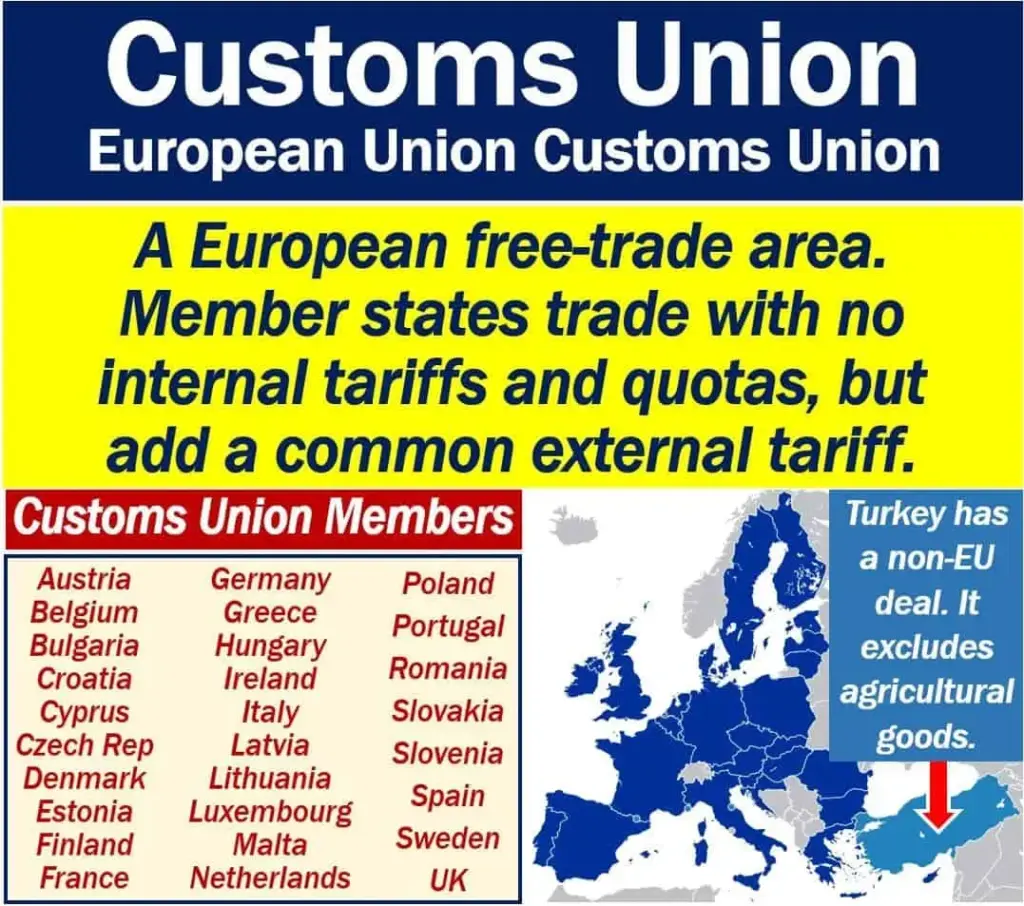
A customs union is an agreement between countries to eliminate tariffs and allow free trade on goods between member states while imposing a common external tariff on imports from non-member countries. The EU customs union is a specific example where EU member states cooperate on trade policies, enabling seamless economic exchange. This concept is crucial in discussions about the UK’s trade policy after Brexit.
How might the UK’s trade policy change if it rejoined the EU customs union?
If the UK rejoined the EU customs union, it would likely eliminate tariffs on goods traded with EU countries, potentially lowering consumer prices and boosting trade relations. However, it would also restrict the UK’s ability to negotiate independent trade agreements outside of the customs union, limiting economic flexibility.
What impact does Brexit have on trade and customs unions?
Brexit has created new trade barriers and complexities for the UK due to its exit from the EU customs union. These changes have increased costs and reduced trade efficiency, prompting calls for closer relations with the EU, including the possibility of a customs union to mitigate these issues and enhance trade flow with the EU.
How can a customs union affect living standards in the UK post-Brexit?
A customs union could enhance living standards in the UK by reducing tariffs on imported goods, leading to lower prices for consumers. This may alleviate some cost of living pressures experienced since Brexit, addressing concerns raised by trade union leaders about economic growth and the financial security of citizens.
What are the arguments for and against rejoining the EU customs union from a trade union perspective?
Proponents, like TUC leader Paul Nowak, argue that rejoining the EU customs union would remove trade barriers, benefiting industries and boosting economic growth. Critics, however, such as members of the Conservative Party, fear it could compromise the UK’s sovereignty in setting independent trade policies and diminish the benefits of Brexit.
What recent political actions have the Labour Party taken regarding the customs union and trade policy?
Recent actions include some Labour MPs supporting legislation to negotiate a tailored customs union with the EU. However, the Labour leadership has ruled out fully rejoining the EU customs union, emphasizing a desire to reset relations with Brussels while maintaining a distinct UK trade policy.
How does the Trade Union Congress view the economic relationship between the UK and the EU after Brexit?
The Trade Union Congress, particularly under the leadership of Paul Nowak, advocates for a close economic relationship with the EU, suggesting that a customs union could help mitigate the negative impacts of Brexit on trade and living standards, emphasizing the need for strong ties with Europe to support UK workers.
What are the potential benefits of a tailored customs union for the UK’s trade policy?
A tailored customs union could provide flexibility by allowing the UK to maintain certain trade rules while benefitting from reduced tariffs with EU partners. This could help boost trade, support domestic industries, and provide a more stable economic environment for UK citizens post-Brexit.
| Key Point | Details |
|---|---|
| Economic Relationship with EU | Paul Nowak calls for a closer economic and political relationship with the EU, highlighting it as essential for economic growth. |
| Customs Union Advocacy | Nowak urges the UK government to consider a customs union with the EU to lower trade barriers. |
| Political Landscape | Recent Labour MPs show support for negotiations on a tailored customs union, while the Conservative party opposes this move. |
| Impact of Brexit | Critics argue that a customs union could limit the UK’s ability to establish independent global trade agreements. |
| Cost of Living Crisis | Nowak emphasizes the urgency for the government to tackle living standards and the cost of living, linking it to past Brexit decisions. |
| Union Power | As TUC leader, Nowak represents millions and advocates for stronger workers’ rights and protections. |
| Political Strategy | Nowak suggests that political strategies need to focus on improving living standards to regain voter trust. |
| Recent Union Leadership | Andrea Egan’s election as Unison head signals a potential shift in union politics favoring government reform. |
Summary
The customs union remains a crucial topic of discussion in the UK, as leaders like Paul Nowak advocate for enhanced ties with the European Union. The potential benefits of a customs union, including reduced trade barriers, stand at odds with concerns over limiting the UK’s sovereignty in establishing independent trade agreements. With the backdrop of a rising cost of living crisis and pressure from both political camps, it is imperative for policymakers to carefully weigh the implications of facilitating closer economic relationships while addressing the needs and rights of workers. A constructive approach to a customs union could provide necessary relief amid economic uncertainty.

