
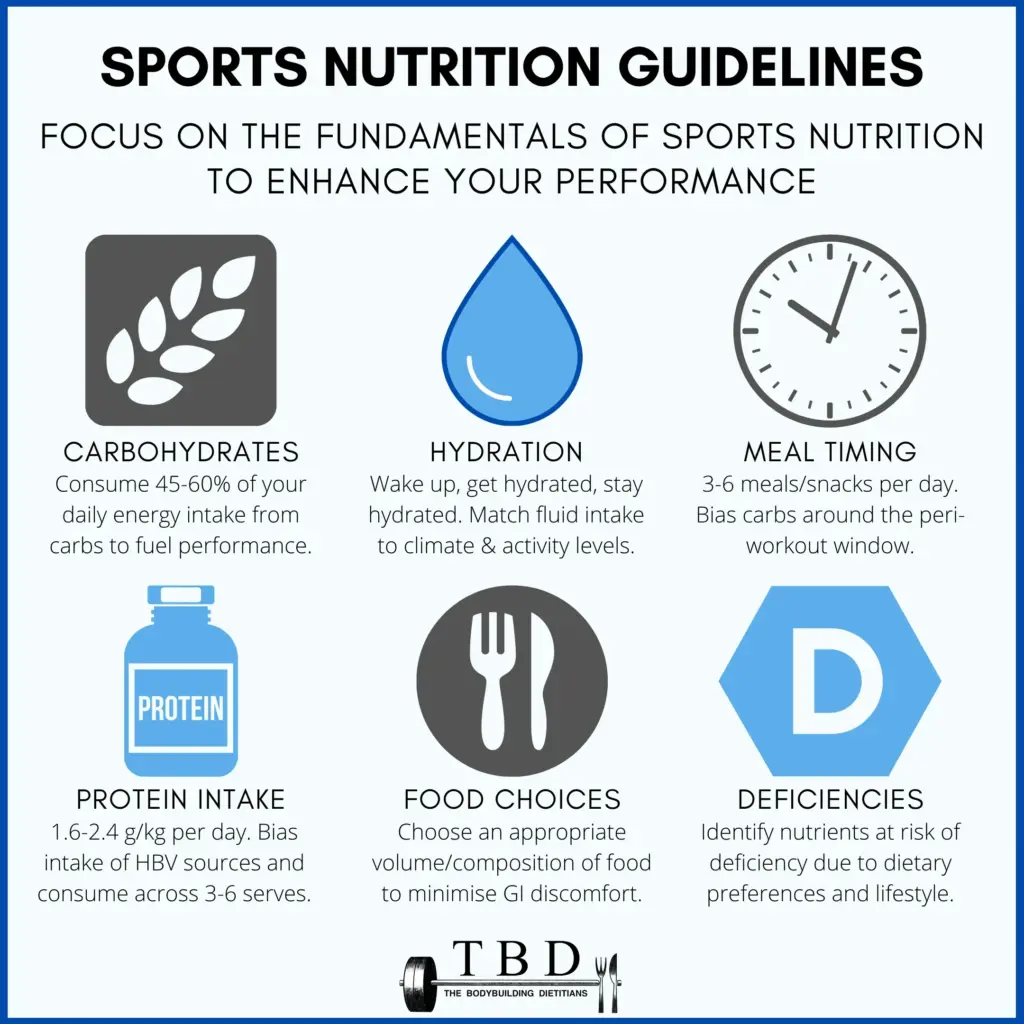
Listen to this article
Sport nutrition is vital for athletes striving to achieve their peak performance. It encompasses a well-balanced diet that fuels the body and aids in recovery, ultimately playing a crucial role in sports performance. Understanding the specific nutritional requirements, including macronutrients and hydration for athletes, can make a significant difference in performance outcomes. This guide will delve into essential components of athlete nutrition, such as the right balance of carbohydrates, proteins, and fats to sustain energy levels and strength. Equip yourself with the knowledge of an effective sports performance diet designed to optimize every aspect of your athletic journey.
In the competitive world of athletics, the concept often referred to as sports dietary science is increasingly recognized for its importance. This field focuses on the nutritional strategies necessary for athletes to thrive, emphasizing the need for a tailored approach to diet and hydration. Proper athlete nourishment involves understanding how to optimize food intake for energy, recovery, and overall health, which is fundamental for success in any sport. Key elements include not only macronutrients but also the timing of nutrient consumption and ensuring adequate hydration levels. Whether you’re an endurance runner or a strength trainer, mastering your nutrition can provide a distinct advantage in achieving your goals.
The Importance of Sport Nutrition for Athletes
Sport nutrition plays a pivotal role in optimizing athletic performance. It goes beyond simply fueling the body; it is about understanding how different nutrients influence physiological responses during exercise. Athletes who prioritize their nutrition can significantly enhance endurance, strength, and overall performance. A well-structured sport nutrition plan helps in managing energy levels, allowing athletes to train harder, recover faster, and minimize the risk of injuries. By focusing on specific dietary needs, athletes can ensure that their bodies are in peak condition, ready to meet the demands of their sport.
Incorporating a balanced diet rich in macronutrients, vitamins, and minerals is essential for athletes. The right mix of carbohydrates, proteins, and fats provides the energy required for various activities, while vitamins and minerals play critical roles in recovery and maintaining overall health. Additionally, understanding the individual needs based on sport type and intensity allows athletes to tailor their nutrition strategies effectively. This focused approach to sport nutrition not only enhances performance but also contributes to long-term health and sustainability in an athlete’s career.
Exploring Macronutrients: The Building Blocks of Athletic Performance
Macronutrients are critical for athletes as they provide the necessary energy and support metabolic functions vital for athletic performance. Carbohydrates are particularly important, serving as the primary fuel source for high-intensity exercise. Athletes are advised to consume varied sources of carbohydrates, such as whole grains, fruits, and vegetables, to maintain adequate glycogen stores. Understanding the appropriate carbohydrate intake based on training demands is essential for optimizing performance and preventing fatigue.
Proteins play a key role in muscle growth and repair, particularly after strenuous exercise. Athletes, especially those involved in strength training, require a higher protein intake to support muscle recovery and reduce soreness. It’s important for athletes to include complete protein sources, such as lean meats, dairy, and legumes, in their diets to ensure all essential amino acids are consumed. Meanwhile, fats, often overlooked, should not be neglected as they provide important fatty acids and serve as an energy source during lower-intensity exercise, underscoring the need for a well-rounded macronutrient approach.
Hydration: The Cornerstone of Athletic Endurance
Hydration is a fundamental aspect of sport nutrition that cannot be ignored. It is critical for maintaining optimal physiological function during athletic activities. Water aids in temperature regulation, nutrient transport, and joint lubrication, all of which are crucial during performance. Athletes need to develop a proactive approach to hydration, ensuring they are adequately hydrated before, during, and after exercise. This includes consuming an appropriate amount of fluids based on individual sweat rates, environmental conditions, and exercise duration.
Electrolytes also play a vital role in hydration, particularly during prolonged physical activities. When athletes sweat, they lose not only water but also essential electrolytes, which can lead to fatigue and decreased performance. Consuming sports drinks or electrolyte tablets during long events can help replenish both fluids and electrolytes. Therefore, a comprehensive hydration strategy is essential for athletes to enhance endurance and sustain performance levels.
Nutrient Timing: Optimize Performance with Strategic Eating
Nutrient timing is a strategic approach that athletes can adopt to maximize their performance and recovery. Consuming the right nutrients at key times around training and competitions can significantly affect an athlete’s energy levels and recovery speed. For instance, a meal rich in carbohydrates and moderate in protein should be consumed 3-4 hours before exercise to ensure that energy levels remain high. During exercise, quick-digesting carbohydrates can maintain blood sugar levels and energy.
Post-exercise nutrition is equally important, as it helps facilitate recovery and muscle repair. Consuming a balanced meal or snack containing both protein and carbohydrates within a two-hour window following training can enhance muscle recovery and replenish glycogen stores. Implementing these timing strategies effectively can make a substantial difference in an athlete’s overall performance, ensuring they are always at their best for training and competition.
Tailoring Nutrition to Different Athletic Needs
Every athlete has unique dietary needs based on their specific sport, body composition goals, and training regimes. Endurance athletes, for instance, require a higher intake of carbohydrates to sustain prolonged exertion, while strength athletes must prioritize proteins for muscle development and recovery. Understanding these differences is crucial in forming effective nutrition plans that cater to the demands of each sport, leading to improved performance.
Furthermore, weight-sensitive athletes, such as gymnasts or wrestlers, may need a more controlled approach to their caloric intake while ensuring they do not compromise on essential nutrients. Customized nutrition strategies can address these considerations, allowing athletes to meet their performance goals without sacrificing health or energy levels. A tailored approach to sport nutrition ensures that each athlete can achieve their peak performance.
Micronutrients: Essential Support for Athletic Performance
Micronutrients, albeit required in smaller amounts, play a crucial role in optimizing athletic performance. Vitamins and minerals support various bodily functions, including energy production, muscle contraction, and recovery. Key micronutrients such as iron, calcium, and vitamins C and E are integral to maintaining overall health and enhancing performance. For instance, iron is critical for oxygen transport, while calcium supports strong bones and muscle function.
Athletes must ensure they do not overlook their micronutrient intake, as deficiencies can lead to decreased performance and health risks. Consuming a variety of fruits, vegetables, nuts, and whole grains can help meet the necessary requirements. In some cases, supplementation might be warranted, especially for athletes on restrictive diets. Regular monitoring of vitamin and mineral levels can help athletes align their diet with their performance needs.
The Role of Supplements in Athletic Nutrition
While a well-balanced diet should provide all necessary nutrients, supplements can sometimes play a role in optimizing athletic performance. Many athletes turn to protein powders, vitamin D, creatine, and other supplements to fill gaps in their diets or to meet specific performance goals. It is essential, however, for athletes to consult with a sports nutritionist to ensure any supplement used is safe and effective for their individual needs.
Supplements can assist with recovery and performance, particularly when training intensity and volume are high. They might also benefit those with dietary restrictions who struggle to meet their nutritional requirements through food alone. Importantly, athletes should be aware of the potential risks, including contamination and the legality of certain substances in their sport.
The Fundamentals of a Performance Diet
Building a performance diet involves understanding the right balance of macronutrients, micronutrients, and hydration strategies tailored to individual requirements. Athletes should focus on whole foods that provide optimal nutrition, ensuring they consume a variety of nutrient-dense foods that meet their energy needs. This includes whole grains for carbohydrates, lean proteins for muscle health, and healthy fats for sustained energy.
Additionally, meal planning is critical for athletes striving for peak performance. Preparing meals in advance helps ensure that athletes do not skip meals or default to unhealthy options. Integrating a variety of foods can also help prevent monotony in meals, making it easier to stick to a nutritious diet. Ultimately, a well-rounded performance diet is foundational for achieving athletic goals.
Leveraging Technology for Nutritional Tracking
In the modern era, technology has become an invaluable tool for athletes looking to optimize their nutrition and overall performance. Various apps and devices can track dietary intake, monitor hydration levels, and analyze nutrient profiles, giving athletes insight into their eating habits. This data can help athletes make informed decisions about their nutrition and adjust their intake according to training demands.
Moreover, tracking technology can provide motivation and accountability, as athletes can set goals and monitor progress over time. Utilizing these tools allows athletes to better understand their nutritional needs, helping them fine-tune their diets for optimal performance. It can also provide valuable feedback, ensuring that athletes are meeting their hydration and nutrient targets consistently.
Frequently Asked Questions
What is sport nutrition and why is it important for athletes?
Sport nutrition refers to the dietary practices that enhance athletic performance and recovery. It is critical for athletes because it fuels the body, aids in recovery, prevents injuries, and optimizes training outcomes.
How do macronutrients impact sports performance diet?
Macronutrients, including carbohydrates, proteins, and fats, are crucial in a sports performance diet. Carbohydrates provide energy, proteins support muscle repair, and healthy fats contribute to overall hormonal balance and energy, optimizing athletic output.
What are the recommended macronutrient ratios for athletes?
Athletes should aim for a macronutrient distribution of approximately 55-65% carbohydrates, 15-25% proteins, and 20-35% healthy fats, adjusted based on the intensity and type of their sport.
How can hydration for athletes affect performance?
Hydration is vital for athletes as it maintains body temperature, lubricates joints, and supports nutrient transport. Proper hydration practices can improve performance levels and prevent dehydration-related fatigue.
What should an athlete eat before a workout?
Prior to a workout, athletes should consume a meal rich in carbohydrates and moderate in protein about 3-4 hours before exercise to ensure sustained energy and optimal performance.
What is nutrient timing and how does it benefit athletes?
Nutrient timing involves strategically consuming nutrients around workout sessions. It enhances exercise performance and recovery by ensuring the body has the necessary fuel pre- and post-exercise.
What are some essential micronutrients for athletes?
Important micronutrients for athletes include calcium for bone health, iron for oxygen transport, and vitamins C and E for recovery. Ensuring adequate intake can support overall health and improve performance.
Do athletes need supplements to support their nutrition?
While it’s best for athletes to get nutrients from whole foods, supplements may be beneficial for filling dietary gaps. However, consulting a sports nutritionist before starting any supplements is essential.
How do dietary needs vary between different types of athletes?
Dietary needs differ based on an athlete’s sport; endurance athletes typically require higher carbohydrates, strength athletes focus on protein, and weight-sensitive athletes need careful calorie management while maintaining nutrient intake.
What role do carbohydrates play in athlete nutrition?
Carbohydrates are the primary energy source for athletes, especially for those in endurance sports. They help maintain energy levels during prolonged activities and are crucial for optimal sports performance.
| Key Points | Details |
|---|---|
| Importance of Sport Nutrition | Crucial for fueling athletes, aiding recovery, preventing injuries, and enhancing performance. |
| Macronutrients Overview | Includes carbohydrates, proteins, and fats that provide energy and support body functions. |
| Carbohydrates | Primary energy source; recommended intake is 6-10 grams per kg of body weight per day. |
| Proteins | Important for muscle repair; recommended intake is 1.2 to 2.0 grams per kg of body weight per day. |
| Fats | Necessary for hormone production; 20-35% of total daily calories should come from fats. |
| Micronutrients | Vitamins and minerals are vital for metabolism and health; important for recovery. |
| Hydration Importance | Water is essential for temperature regulation, joint lubrication, and nutrient delivery. |
| Nutrient Timing | Strategic consumption around workouts for better performance and recovery. |
| Special Considerations | Nutritional needs vary by sport, body goals, and training; tailor your diet appropriately. |
| Supplements | Consult a nutritionist to determine if supplementation is necessary. |
Summary
Sport nutrition is essential for athletes seeking optimal performance. Understanding the significance of macronutrients such as carbohydrates, proteins, and fats, along with adequate hydration and timing of nutrient intake, can lead to enhanced performance and quicker recovery. Athletes should focus on a tailored diet that aligns with their specific training needs and goals. This strategic approach not only mitigates injury risks but also supports sustained energy levels during workouts. Additionally, proper awareness of micronutrient intake can further empower athletes in reaching their peak capabilities. By prioritizing sport nutrition, athletes can effectively enhance their training outcomes and improve their overall athletic journey.

