
Listen to this article
The Bayeux Tapestry, a remarkable 70-meter-long embroidery depicting the historic Battle of Hastings, is about to embark on a journey from France to the British Museum. This exquisite piece of art, which plays a pivotal role in Anglo-French history, will be insured for an impressive £800 million during its loan period. Such coverage is facilitated by the Government Indemnity Scheme, which protects cultural treasures against potential loss or damage while on display. By participating in this deal, the two nations are not only preserving their shared heritage but also showcasing the tapestry’s intricate storytelling to a wider audience. As excitement builds for the British Museum exhibition, the anticipation surrounding this iconic artifact intensifies, reminding us of its significance in world history.
The celebrated textile known as the Bayeux Tapestry is an artistic narrative that encapsulates a crucial moment in English history, where Norman forces, led by William the Conqueror, overtook England in 1066. This celebrated piece of heritage is set to make a significant appearance in London’s renowned museum, further reinforcing its role in Anglo-French historical relations. Insured under a comprehensive Government Indemnity Scheme, the tapestry’s display will be safeguarded against damage, ensuring that audiences can appreciate its detailed artistry. The impending exhibition not only highlights the significance of the tapestry itself but also underscores the collaborative cultural exchanges between nations. With the prospect of sharing remarkable artefacts, including Anglo-Saxon treasures, the upcoming event promises to shed new light on a shared past.
Significance of the Bayeux Tapestry
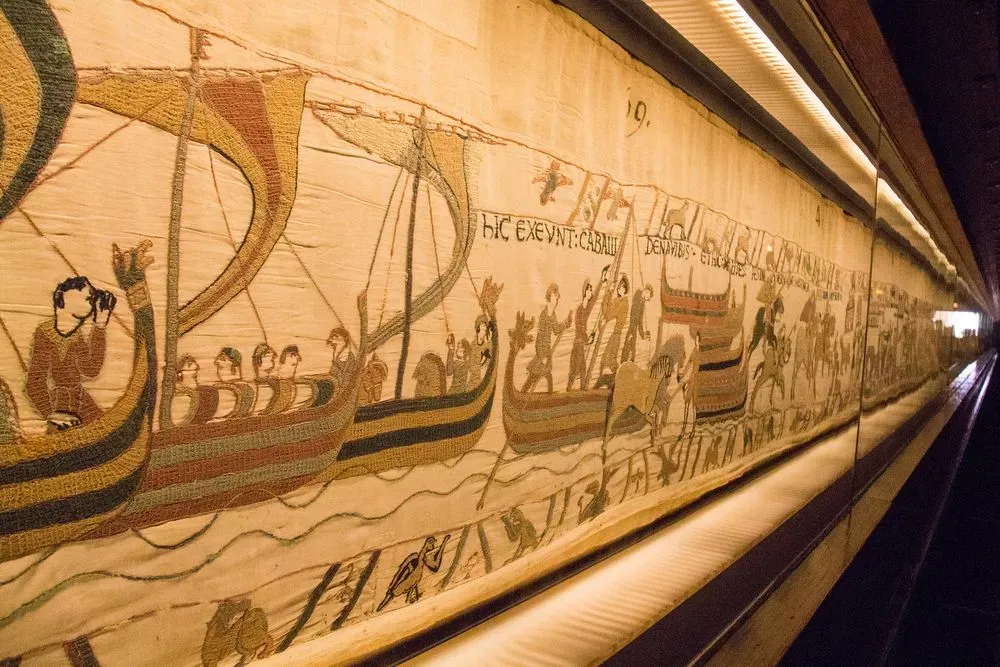
The Bayeux Tapestry holds immense cultural and historical significance as it vividly depicts the events of the Battle of Hastings in 1066. This embroidered narrative not only serves as an artistic masterpiece but also provides insights into the Anglo-French history, showcasing the complexities of power, politics, and conflict during that era. Each scene is intricately designed, featuring an array of characters, from warriors to nobles, which brings the historical events to life and emphasizes the tapestry’s importance as a historical document.
Furthermore, the tapestry’s significance is amplified by its longevity, having survived nearly a millennium, symbolizing resilience and the enduring nature of art. The British Museum’s upcoming exhibition underscores the importance of preserving such artifacts through initiatives like the Government Indemnity Scheme, which ensures that significant pieces of history remain accessible to the public while adequately protected from the risks associated with transportation and display.
The Process of Insuring the Bayeux Tapestry
As the Bayeux Tapestry prepares for its journey to the British Museum, the insurance process plays a crucial role in safeguarding this valuable piece of heritage. The estimated valuation of £800 million will allow the tapestry to be covered under the Government Indemnity Scheme, providing essential protection against loss or damage during its transit and exhibition. This step is vital not just for the safety of the tapestry but also for the peace of mind of those involved in its logistics and display.
The Government Indemnity Scheme is a testament to the UK’s commitment to preserving cultural heritage, enabling institutions to exhibit high-value pieces without incurring prohibitive insurance costs. This scheme not only makes exhibitions more feasible but also promotes international collaboration, as evidenced by the exchange of artifacts between the UK and France during this loan. It showcases how governments can come together to support cultural initiatives while minimizing financial burdens.
Concerns Over the Tapestry’s Condition
Despite the preparations for the Bayeux Tapestry’s loan, concerns have been raised regarding its condition. Some French art experts argue that the tapestry, nearly 1,000 years old, might be too delicate for transport. Such apprehensions highlight the intricacies involved in exhibiting historical artifacts, where the balance between accessibility and preservation is often tested. While French officials have denied that the tapestry is in a fragile state, the dialogue around its condition underscores the challenges of managing such invaluable pieces of history.
The debate around the tapestry’s condition is crucial not only for its safe transit but also for broader discussions about the longevity of historical artifacts. Experts recommend that comprehensive assessments and conservation efforts be a part of any loan agreement, especially for items like the Bayeux Tapestry that are irreplaceable. This examination is not simply a protective measure but also an opportunity for further study and appreciation of the craftsmanship and artistry invested in these historical narratives.
Impacts of the British Museum Exhibition
The forthcoming exhibition of the Bayeux Tapestry at the British Museum is poised to have a significant impact on the appreciation of Anglo-French history. By displaying this iconic piece, the museum aims to provide visitors with a deeper understanding of the cultural and historical connections between the two nations. This display will not only attract historians and art enthusiasts but will also engage a wider audience, showcasing the tapestry’s unique narrative that intertwines with the fabric of English history.
Moreover, such exhibitions underscore the importance of cultural exchange, as the UK will reciprocate by lending significant artifacts to France. The showcasing of the Bayeux Tapestry alongside items from the Sutton Hoo burial site and the Lewis chess pieces illustrates a commitment to celebrating shared heritage and fostering dialogue between nations. The exhibition serves as a platform to educate the public about the intertwined histories of England and France, enriching the experience and knowledge of visitors.
Government Indemnity Scheme: A Protective Measure
The Government Indemnity Scheme (GIS) plays a pivotal role in facilitating public access to significant artworks, such as the Bayeux Tapestry. By offering a safety net for high-value loans, GIS alleviates concerns surrounding the costs of commercial insurance, which often deter institutions from exhibiting such treasures. This scheme enables cultural exchange and preserves history while making it financially viable for museums and galleries to showcase invaluable artifacts.
In protecting artifacts like the Bayeux Tapestry from loss and damage during transportation and display, GIS ensures that audiences can experience these works of art firsthand. The estimated savings of £81 million for museums and galleries demonstrate the practical benefits of this initiative, allowing funds that would have gone toward insurance to instead be directed toward education, programming, and conservation efforts.
A Look at the Bayeux Tapestry Loan Agreement
The loan agreement between the British Museum and the Bayeux Museum marks a significant event in the cultural exchange between England and France. This agreement allows the tapestry to be displayed for several years while its home museum undergoes renovations. Such collaborations not only enhance the visibility of historical treasures but also cultivate goodwill and diplomatic relations through shared cultural initiatives.
As part of the loan agreement, both museums are tasked with ensuring the safety and preservation of the tapestry throughout its stay in London. This incorporates careful planning for transportation logistics, display conditions, and ongoing conservation efforts. Ultimately, this partnership exemplifies how international cooperation can lead to greater appreciation for historical artifacts, fostering a shared understanding of history among diverse audiences.
Showcasing Anglo-French History Through Art
The Bayeux Tapestry is not merely an artwork; it is a historical narrative that encapsulates the rich and complex relationship between England and France. By showcasing this tapestry, the British Museum offers visitors a lens through which they can explore the nuances of Anglo-French history, illustrated dramatically through the eyes of artists from the 11th century. Each scene weaves together elements of conflict, power, and cultural intersection, sparking discussions about the legacy of these historical events in contemporary society.
This exhibition serves a broader purpose beyond showcasing a singular piece of art; it symbolizes the ongoing dialogue about identity and heritage between the UK and France. The tapestry’s artworks evoke questions about national narratives and collective memory, prompting audiences to reflect on the past while recognizing its influence on the present. The collaborative effort to exhibit the tapestry creates a foundation for future cultural partnerships and exchanges.
Final Thoughts on the Bayeux Tapestry’s Journey
As the Bayeux Tapestry embarks on its journey to the British Museum, it symbolizes the collaboration and mutual respect between France and the UK. This loan is not just a logistical endeavor; it represents a cultural milestone that celebrates shared history and artistry. The tapestry’s rich narrative serves as a reminder of the power of storytelling through art and the ways in which cultural artifacts can connect us across time and distance.
In conclusion, the upcoming exhibition of the Bayeux Tapestry offers a unique opportunity for audiences to engage with a fundamental piece of heritage that has shaped Anglo-French history. The careful planning and insurance provided under the Government Indemnity Scheme speak to the commitment of both nations to preserve and honor their shared past. As viewers gather to witness this magnificent tapestry, they will not only appreciate its artistry but also reflect on the historical ripples that continue to affect us today.
Frequently Asked Questions
What is the significance of the Bayeux Tapestry in Anglo-French history?
The Bayeux Tapestry is a crucial artefact depicting the Battle of Hastings in 1066, illustrating the conflict between William the Conqueror and Harold Godwinson. This embroidery not only showcases artistic skill but also serves as a historical document reflecting the tumultuous Anglo-French relations during that era.
How is the Bayeux Tapestry inscribed for its loan to the British Museum?
The Bayeux Tapestry is insured for £800 million while on loan to the British Museum, with coverage provided under the Government Indemnity Scheme. This scheme allows for significant savings on insurance costs, ensuring the tapestry is protected during its transit and exhibition.
What is the Government Indemnity Scheme and how does it protect the Bayeux Tapestry?
The Government Indemnity Scheme (GIS) offers insurance for the Bayeux Tapestry while it is exhibited in the UK. This program significantly reduces the financial burden on public museums, enabling them to display high-value works like the tapestry without incurring prohibitive commercial insurance costs.
What concerns exist about transporting the Bayeux Tapestry?
There are concerns from some French art experts regarding the delicate state of the Bayeux Tapestry, suggesting it may not withstand transportation. However, French officials have denied these claims, emphasizing their commitment to safely deliver this nearly 1,000-year-old art piece to the British Museum.
How long will the Bayeux Tapestry be on display at the British Museum?
The Bayeux Tapestry is set to be displayed at the British Museum from September 2024 until July 2027, coinciding with renovations at its current home, the Bayeux Museum.
What other items will be loaned to France in exchange for the Bayeux Tapestry?
In exchange for the Bayeux Tapestry, the British Museum plans to loan several significant artefacts to France, including 7th-century Anglo-Saxon artefacts from the Sutton Hoo burial site and the historical 12th-century Lewis chess pieces.
Why is insurance for the Bayeux Tapestry necessary during its exhibition?
Insurance for the Bayeux Tapestry is essential to protect against potential risks such as loss or damage during its travel and display. The £800 million valuation reflects its historical, cultural, and monetary significance, necessitating comprehensive protection.
What benefits does the Government Indemnity Scheme provide for art exhibitions?
The Government Indemnity Scheme enables public institutions in the UK to exhibit priceless works like the Bayeux Tapestry by covering insurance costs that would otherwise be prohibitively expensive. This scheme saves museums approximately £81 million annually.
How does the loan of the Bayeux Tapestry enhance British-French cultural relations?
The loan of the Bayeux Tapestry from France to the British Museum symbolizes a significant cultural exchange, reinforcing friendships and cooperation between the two nations, especially through shared historical narratives of Anglo-French history.
What can visitors expect to see in the Bayeux Tapestry during the exhibition?
Visitors to the Bayeux Tapestry exhibition at the British Museum will experience this embroidered masterpiece depicting 58 scenes, with 626 characters and 202 horses, illustrating the dramatic events surrounding the Norman conquest of England.
| Key Point | Details |
|---|---|
| Insurance Value | The Bayeux Tapestry is insured for an estimated £800 million during its loan to the British Museum. |
| Loan Duration | The tapestry will be on display at the British Museum from September 2023 until July 2027. |
| Cultural Significance | It depicts the Battle of Hastings, a pivotal event in 1066, showing 58 scenes, 626 characters, and 202 horses. |
| Indemnity Scheme | The Government Indemnity Scheme covers transit, storage, and exhibition, making it cost-effective for museums. |
| Concerns about Transportation | Some experts argue the tapestry is too delicate to be moved, but officials deny these claims. |
| Reciprocal Loan | In exchange, the British Museum will loan artifacts to France, including Anglo-Saxon and chess pieces. |
Summary
The Bayeux Tapestry, an exquisite medieval embroidery, is set to make its journey from France to London in 2023, marking a significant cultural event. Insured for a remarkable £800 million, this iconic piece of art will be displayed at the British Museum as the Bayeux Museum undergoes renovations. With its rich historical narrative capturing the Battle of Hastings and its careful preservation under the Government Indemnity Scheme, the display promises to attract numerous visitors and emphasize the importance of art in bridging history between nations. This collaboration not only highlights the tapestry’s significance but also strengthens Franco-British cultural ties.