Listen to this article
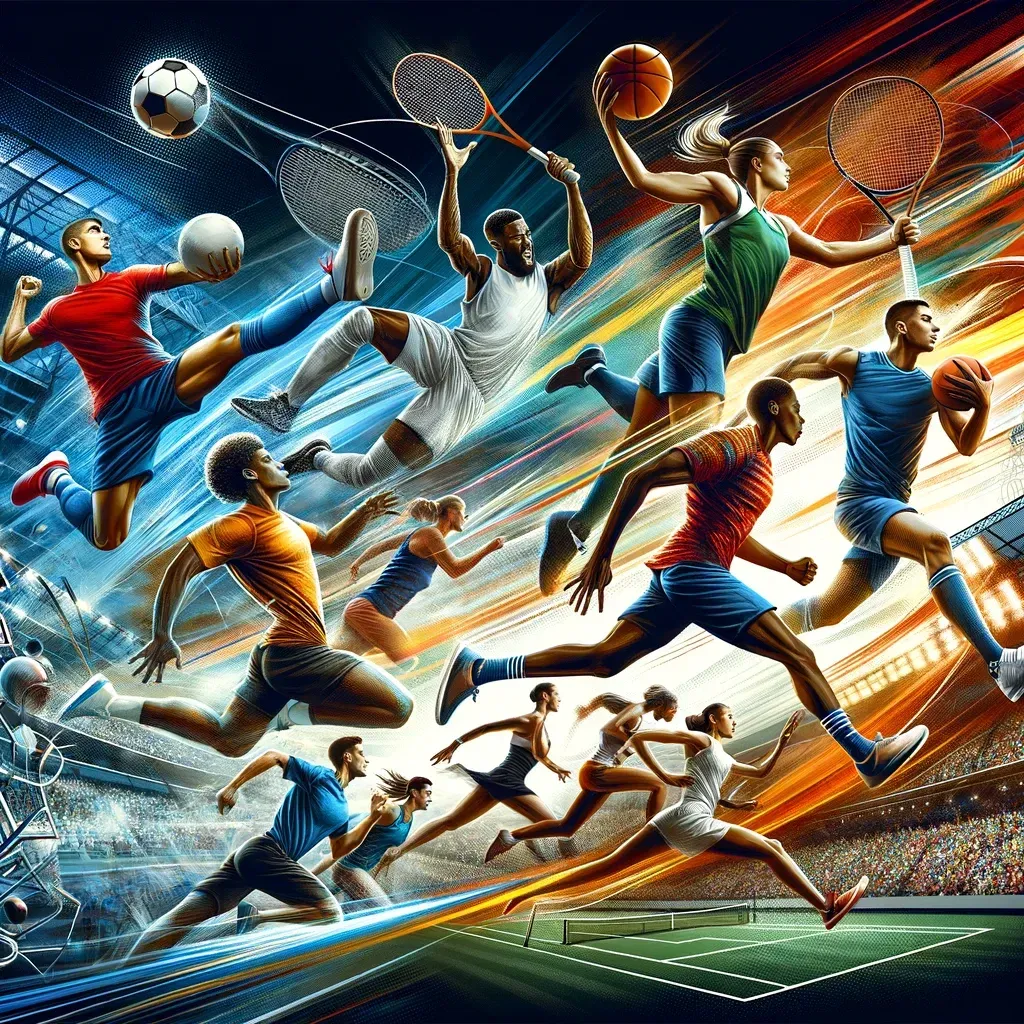
The Global Language of Sport is a dynamic force that brings people together across diverse cultures, fostering unity and understanding in an increasingly interconnected world. From the thrilling excitement of sports events worldwide, such as the FIFA World Cup and the Olympic Games, to the local soccer matches that ignite community spirit, sport serves as a powerful platform for cultural exchange. Engaging in athletics not only entertains but also promotes social change, showcasing the potential of sports to break down barriers and celebrate cultural diversity in sports. As athletes and fans alike unite under the same passion for the game, they create shared experiences that transcend age, ethnicity, and nationality. This powerful language of sport reminds us that, despite our differences, we are all connected through the love of competition and camaraderie.
Sports function as a universal medium, uniting individuals from various backgrounds through the joy of physical competition and shared experiences. This collective engagement in athletic events—from local games to international championships—highlights the profound impact of sports on global unity and community bonding. By exploring the connections formed through sporting endeavors, we recognize how sporting culture champions inclusivity and celebrates the richness of cultural diversity. Whether it’s community leagues bringing together neighbors or grand international tournaments empowering athletes, alternative expressions of this global phenomenon reflect its ability to inspire profound social change. Ultimately, this exploration reveals how the realm of athletics serves as a cornerstone for deeper understanding and collaboration across different societies.
The Universality of Sport in Connecting Diverse Cultures
Sports have proven to be a bridge that connects individuals from various cultures, backgrounds, and beliefs. Whether it’s the traditional games rooted in local history or globally recognized competitions like soccer and basketball, the unifying factor remains the love for the game. This engagement transcends age, gender, and social standing, creating an inclusive environment where sports enthusiasts can share their passions, form friendships, and appreciate each other’s uniqueness. Such communal experiences help to break down barriers that often divide us and highlight the ethical principles of respect and understanding.
Moreover, various sports events worldwide serve as platforms showcasing cultural diversity. Events such as community soccer games and local marathons invite participants to immerse themselves in a rich tapestry of traditions, customs, and shared human experiences. The interactions that arise during these competitions foster respect and camaraderie among individuals, encouraging cross-cultural appreciation. Ultimately, the universality of sport reflects our innate drive for connection, as we unite through shared experiences that disregard superficial differences.
Celebrating Diversity in Global Sports Events
Global sports events like the Olympics and World Cup exemplify the extraordinary ability of sports to bring together individuals from diverse cultural backgrounds. These grand spectacles not only celebrate athletic excellence but also promote inclusivity, as athletes and fans unite under the shared ideals of teamwork and perseverance. The participation of countries from every corner of the globe allows for a rich exchange of cultural practices, traditions, and values, creating an environment of mutual respect and learning.
Additionally, these events inspire inclusive programs that address issues like gender equality in sports. The rise of female athletes breaking records and societal barriers during these competitions serves not only to empower women but also encourages young girls worldwide to pursue their dreams in sports. Celebrating such diversity within the realm of sports highlights the importance of inclusion, reinforcing that every individual, regardless of background, brings value to the sporting world.
Overcoming Cultural Barriers Through Sport
Sports have a remarkable capacity to bridge cultural divides, fostering understanding among people from different backgrounds. Participating in or observing a sporting event instills a shared passion that transcends language and nationality. This common ground invites interactions that foster community engagement while promoting the values of friendship and respect. By engaging with one another in sporting contexts, individuals can embrace their differences and focus on the shared love for the game, ultimately strengthening social bonds.
Community-focused sports programs play an essential role in overcoming cultural barriers. Initiatives like Football for Hope utilize sports as a tool to promote social change and foster inclusion among marginalized groups. These programs empower participants by providing opportunities for development and education, while simultaneously promoting intercultural understanding. As a result, through shared sporting experiences, individuals learn to appreciate the richness of cultural diversity, emphasizing the importance of unity while dismantling stereotypes.
Economic Impact of Sports in Society
Sports serve as a significant economic catalyst that can transform communities and nations. Major events such as the World Cup or the Olympics attract thousands of visitors, generating substantial revenue through tourism and investments in infrastructure. The benefits reaped from hosting such prestigious events extend far beyond short-term economic gains. Instead, they create lasting legacies through improved facilities and job opportunities, stimulating local economies and enhancing global visibility.
Furthermore, sports foster international relations by creating connections among nations. Increased visibility through these events promotes cultural exchange and collaboration, strengthening ties between countries. The investment in sports infrastructure not only benefits the present but is essential for future economic growth, as communities harness the power of sports to drive social and economic development. By recognizing the economic potential of sports, nations can create comprehensive strategies that leverage athletic events, enhancing their position on the global stage.
The Educational Value of Sports in Youth Development
The realm of sports plays a crucial role in youth education, teaching valuable life skills such as teamwork, discipline, and leadership. Integrating sports programs into educational systems allows students to enhance their physical health while developing essential interpersonal abilities. Participants learn to navigate conflicts, work cohesively toward common goals, and appreciate the significance of diverse perspectives within their teams, ultimately preparing them for future challenges.
Additionally, sports scholarships offer immense opportunities for young athletes seeking to advance their education while pursuing their passion for sports. By providing financial support and mentorship, these scholarships enable talented individuals from challenging backgrounds to access higher education, paving the way toward brighter futures. The combination of sports and education fosters a holistic approach to personal development, contributing significantly to the growth of well-rounded individuals who can positively impact society.
The Role of Technology in the Future of Sports
As technology advances, it continually shapes the landscape of sports, enhancing how fans experience events and interact with their favorite athletes. Innovations like virtual reality and streaming services allow fans worldwide to engage in real-time during games, creating unique opportunities to connect over a shared passion. This deeper engagement fosters community among sports fans, breaking down geographical barriers and cultivating a global culture of inclusivity.
Moreover, technology is essential in promoting transparency and integrity in sports. Enhanced data analytics are increasingly used to ensure fair play, combat doping, and validate performances. By ensuring that all athletes have an equal opportunity to succeed, technology plays a pivotal role in maintaining the integrity of sports as a unifying force for all. Looking ahead, technological advancements will contribute significantly to fostering equitable environments where all individuals can thrive in the world of sports.
Challenges Facing the Integrity of Sports
While sports have been instrumental in unifying cultures and fostering community, they are not without their challenges. Issues such as doping scandals, corruption, and gender inequality often threaten the core values that sports represent. These challenges necessitate proactive measures by governing bodies, ensuring fairness and transparency remain at the forefront of athletic competitions. Tackling these issues head-on is crucial in preserving the integrity of sports as a global unifying force.
Furthermore, it is vital to promote inclusivity and equal representation in sports, addressing barriers that prevent certain groups from achieving success. By raising awareness and implementing comprehensive strategies aimed at dismantling systemic inequalities, we can create an environment that celebrates diversity and actively fosters talent from all backgrounds. Ensuring that sports remain an avenue for everyone, regardless of their background, will ultimately enhance their role as catalysts for social change.
The Connection Between Sports and Social Change
Sports have long been recognized as a powerful instrument for social change, fostering community engagement and inspiring action on pressing social issues. Through awareness campaigns and initiatives aimed at enhancing inclusivity, sports help to bring attention to vital themes such as gender equality and racial justice. Organizations across the globe are using their platforms to advocate for positive change, encouraging fans and athletes to work collectively towards a more equitable society.
Additionally, sports initiatives targeted at underprivileged communities exemplify the significant impact athletics can have on social issues. Programs that focus on youth engagement and empowerment through sports often address various societal challenges, including poverty, education disparities, and mental health awareness. By utilizing the universal language of sport as a means for advocacy, these initiatives represent a promising approach to driving change within communities and promoting a more compassionate world.
Fostering Unity and Understanding Through Sports
The global language of sport plays a pivotal role in fostering unity and understanding among diverse populations. Through the communal enjoyment of sports, individuals partake in experiences that emphasize shared values such as teamwork, perseverance, and respect. These universal principles nurture a spirit of camaraderie, bridging cultural divides and helping to cultivate a sense of belonging among fans and participants alike.
Moreover, participation in community sports events facilitates profound interpersonal connections, where individuals can engage in meaningful dialogue while working towards shared goals. Such encounters transcend cultural and linguistic barriers, reinforcing the idea that sports are more than just games—they are a powerful testament to our shared humanity. By promoting unity through sports, we can continue to inspire future generations to appreciate differences and collaborate harmoniously in an increasingly diverse world.
Frequently Asked Questions
What is the concept of the global language of sport?
The global language of sport refers to the way sports transcend cultural and linguistic barriers, uniting individuals around shared passions and experiences. This idea highlights sports as a universal medium for connection and understanding across diverse backgrounds.
How do sports and culture intersect in the global language of sport?
Sports and culture are deeply intertwined in the global language of sport, as each culture influences its unique athletic traditions. Events like the Olympics and World Cups showcase this intersection by celebrating cultural diversity while promoting unity among participants from various nations.
What role does unity in sports play in fostering social change?
Unity in sports serves as a powerful catalyst for social change by bringing together individuals from different backgrounds. Initiatives like Football for Hope use sports to promote peace and understanding, addressing societal issues while fostering a sense of community.
How do sports events worldwide promote cultural diversity?
Sports events worldwide, such as the FIFA World Cup and the Olympics, promote cultural diversity by providing platforms where athletes and fans from various nations can engage and learn from each other, creating a shared appreciation for different cultures.
What impact do sports have on gender equality in the global language of sport?
Sports play a crucial role in advancing gender equality by empowering female athletes and challenging stereotypes. The growing participation of women in sports highlights their capabilities and fosters an inclusive environment that encourages future generations to embrace athleticism.
How do sports help overcome cultural barriers?
Sports help overcome cultural barriers by fostering shared experiences among people, transcending language and nationality. Events and community sports programs create environments where individuals connect through their love of the game, promoting mutual respect and understanding.
In what ways do sports contribute to economic development globally?
Sports contribute to economic development globally through major events that generate revenue, boost tourism, and create job opportunities. Investments in sports infrastructure can provide lasting economic benefits, enhancing a city’s global visibility and reputation.
What educational benefits do sports provide to students?
Sports provide educational benefits by developing essential life skills such as teamwork, discipline, and leadership among students. Participation in sports programs promotes physical health while teaching students to cooperate and embrace diversity.
What challenges does the global language of sport face today?
Challenges facing the global language of sport include issues like doping, corruption, and inequality. Addressing these concerns is vital to ensuring that sports remain a fair and inclusive platform for all individuals, regardless of their background.
How are technology and the future of sports shaping the global language of sport?
Technology is reshaping the future of sports by enhancing how fans engage with games and each other. Innovations like virtual reality create opportunities for deeper connections among global sporting communities, further enriching the global language of sport.
| Aspect | Key Points |
|---|---|
| Universality of Sport | Sports engage people globally regardless of age, gender, or socioeconomic status, fostering connections through shared experiences. |
| Celebrating Diversity Through Sports | Major events like the Olympics showcase athletes from various cultures, promoting camaraderie and understanding between nations. |
| Overcoming Cultural Barriers | Sports bridge divides by facilitating shared experiences that foster community engagement across different backgrounds. |
| Sports as an Economic Catalyst | Major sporting events boost tourism and local economies, leaving lasting economic impacts on host cities. |
| Educational Impact of Sports | Sports help develop crucial life skills in students, while also providing opportunities for education through scholarships. |
| Challenges and the Future of Sports | Integrity issues in sports need addressing to maintain its role as a force for unity and respect. |
Summary
The global language of sport has the remarkable ability to unite people across cultures, celebrating our shared humanity. Through varied forms of play and competition, sports offer a common ground for individuals from all walks of life, fostering understanding and promoting collaboration. Initiatives like the Olympics and FIFA World Cup exemplify how athletic events bring diverse nations together, showcasing cultural diversity and camaraderie. Moreover, the economic benefits that stem from sports underscore their significance in global society, providing economic growth and educational opportunities. However, to sustain these benefits, it is essential to address challenges such as inequality and corruption within the industry. As we move forward, embracing technology and promoting inclusivity will strengthen the role of sports as a vital force for unity and progress in our increasingly interconnected world.