Listen to this article
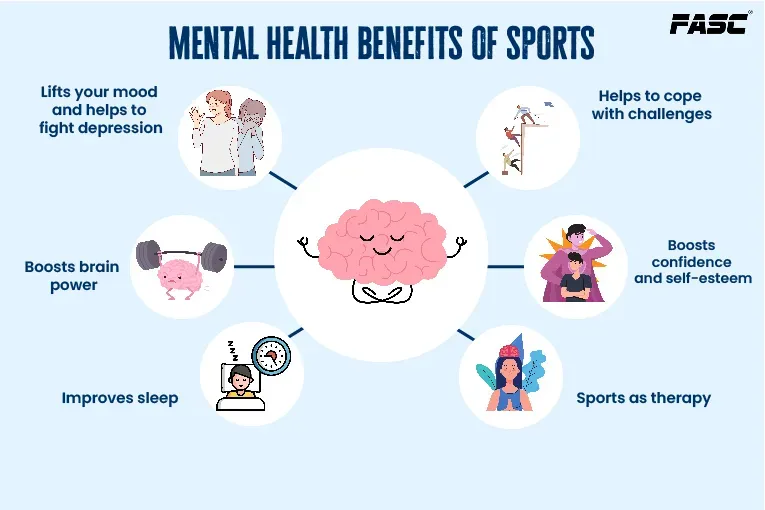
Engaging in sport offers remarkable mental health benefits that can significantly enhance overall well-being. Studies show that participation in sports can reduce symptoms of anxiety and depression, making it a powerful tool for improving mental health. Whether through the stress relief that comes from physical activity or the camaraderie found in team sports, the positive impacts are undeniable. Sports and mental health are closely linked, with exercise for mental well-being providing not just physical fitness but also a structured environment conducive to personal growth. By incorporating mental health sports activities into your routine, you can cultivate resilience and boost your self-esteem, enriching your daily life.
The psychological advantages of participating in athletic activities are profound and multifaceted. When individuals engage in physical exercise, they not only improve their physical health but also support their emotional stability and resilience. This can manifest as a reduction in stress levels or a significant enhancement of mood through the production of endorphins. Additionally, sports serve as a medium for social interaction, fostering community ties and friendships that are vital for mental health. Overall, embracing physical activities and sports helps individuals navigate life’s challenges while nurturing both their body and mind.
The Importance of Physical Activity for Mental Health
Physical activity is essential for maintaining both physical and mental health. Regular engagement in exercises, such as running, swimming, or team sports, can significantly improve mood and reduce feelings of anxiety and depression. Studies indicate that the endorphin release from physical activities not only enhances mood but also contributes to emotional stability. Consequently, individuals who make physical activity a regular part of their life experience better mental health outcomes.
Furthermore, exercise serves as a natural remedy for various mental health issues. Activities that engage both the body and mind can lead to improved cognitive functioning and reduce the severity of mental health disorders. By incorporating sports into daily routines, individuals can build a sustainable lifestyle that promotes long-term mental well-being.
Exploring the Benefits of Team Sports
Team sports offer unique advantages that enhance collective goals, collaboration, and communication skills. Participating in team sports not only helps participants to stay physically active but also builds strong friendships and support systems. The social interaction inherent in such activities acts as a buffer against loneliness and depression, vital for nourishing mental health.
Moreover, the sense of belonging that comes with team sports nurtures a positive self-image and enhances self-esteem among participants. Sharing victories and challenges with teammates cultivates a supportive environment that fosters personal growth and resilience, making team sports an invaluable asset for mental health and wellness.
Using Sports as a Tool for Stress Relief
Sports provide an effective outlet for stress relief by engaging both the mind and body. When individuals participate in physical activities, their bodies release hormones that counteract stress, reducing levels of cortisol and promoting relaxation. This biochemical response is vital for mental wellness, making sports an excellent outlet for managing day-to-day stressors.
Engaging in sports allows individuals to channel their frustrations and anxieties into productive energy, which can lead to improved moods and mental clarity. Furthermore, many people find that after a rigorous game or workout, they feel rejuvenated and more equipped to handle life’s challenges, emphasizing the role of exercise in mental health maintenance.
Building Resilience Through Sports Participation
Sports inherently teach individuals how to cope with both triumphs and setbacks. Athletes who face losing a match or overcoming an injury develop coping mechanisms and mental resilience that translate into everyday life. This ability to face adversity aids significantly in managing stress and building healthier emotional responses.
Additionally, the goal-oriented nature of sports encourages participants to persist despite difficulties, fostering perseverance. Each training session and every competition teaches vital life skills that extend beyond the sporting field, contributing to an individual’s overall mental health and emotional stability.
The Role of Sports in Boosting Self-Esteem
Participating in sports provides opportunities for individuals to achieve personal milestones, promoting a sense of accomplishment. Scoring a goal or completing a race can significantly elevate self-esteem and reinforce a positive body image. This boost in self-worth is essential for fostering a healthy mental state and combating feelings of inadequacy.
Moreover, the recognition from peers and coaches reinforces achievements within sports, further amplifying self-confidence. As individuals gain confidence through sports, they often experience enhanced motivation in other areas of life, creating a positive feedback loop for mental health.
Enhancing Social Connections Through Sports
Sports are a powerful medium for social engagement and creating lasting friendships. Involvement in sports teams, community leagues, and social clubs encourages interpersonal connections that can significantly benefit mental health. These social bonds provide a support network that can help individuals navigate life’s challenges and mitigate feelings of isolation.
Additionally, the shared experiences and camaraderie found in sports foster a sense of community that enriches emotional well-being. Being part of a group enhances feelings of belonging, which is crucial for maintaining good mental health.
Mindfulness and Mental Presence in Sports
Practicing mindfulness in sports encourages focus and awareness, which are essential components of mental health. Athletes often employ techniques that enhance their concentration, allowing them to remain grounded during high-pressure situations. This mindfulness practice helps in reducing anxiety and stress, contributing to an overall sense of calmness.
Moreover, engaging in sports mindfully can improve emotional regulation. When individuals learn to be present during activities, they can carry this skill into their daily lives, enabling them to handle stressors more effectively and maintain a balanced mental state.
Finding the Joy in Sports for Mental Wellness
Engaging in sports should primarily be a source of joy. Finding activities that align with personal interests can stimulate excitement and enthusiasm, which are vital for mental health. By participating in enjoyable sports, individuals are more likely to remain consistent with their physical activity, leading to sustained mental health benefits.
Moreover, enjoying sports with friends or family can amplify these positive experiences. Socializing while engaging in physical activities makes the experience enjoyable and enhances the mental health benefits, creating a more fulfilling routine that balances well-being.
Practical Tips for Incorporating Sports into Your Daily Life
Incorporating sports into your daily routine is easier than it may seem. Simple steps include setting aside dedicated time for physical activity, whether through joining a sports club, engaging in a recreational league, or choosing solo activities like running or swimming. Establishing a routine can enhance commitment and make it a part of your lifestyle.
Additionally, involving loved ones in sports activities promotes social engagement while keeping the experience fun. Whether it’s arranging regular sports meet-ups or participating in family sports days, creating shared experiences can significantly boost mental well-being by fostering community ties.
Frequently Asked Questions
What are the mental health benefits of engaging in sport?
Engaging in sport has numerous mental health benefits, such as reducing symptoms of depression and anxiety, improving mood through the release of endorphins, and enhancing self-esteem. This physical activity fosters a sense of achievement and belonging, which are vital for overall mental well-being.
How does exercise for mental well-being relate to team sports?
Participating in team sports promotes mental well-being by fostering relationships, creating a sense of community, and providing emotional support. The camaraderie and shared goals in team sports can also significantly decrease stress levels.
Can sports activities help with stress relief?
Yes, sports activities are excellent for stress relief as they lower cortisol levels and promote the release of endorphins. Engaging in physical activity allows individuals to manage stress more effectively, building resilience along the way.
What role do mental health sports activities play in boosting self-esteem?
Mental health sports activities boost self-esteem by allowing individuals to set and reach personal goals. Accomplishments, whether small or big, contribute positively to one’s self-worth and can significantly enhance confidence.
Are there specific mental health benefits of team sports?
Team sports offer unique mental health benefits such as improved social connections, reduced feelings of isolation, and enhanced emotional support from teammates, which are critical for mental health.
How can engaging in sport foster social connections?
Engaging in sport fosters social connections by bringing individuals together in a group setting, whether through team sports, community leagues, or group classes, which encourages friendships and emotional support.
What mindfulness benefits are associated with sports?
Mindfulness in sports helps enhance focus, improve emotional regulation, and reduce stress and anxiety. Practicing mindfulness during physical activity allows individuals to stay grounded and present, impacting overall mental well-being positively.
How can I incorporate exercise for mental well-being into my daily routine?
You can incorporate exercise for mental well-being by joining local sports teams, trying different individual sports, setting personal goals, and involving loved ones in your sporting activities. This blend creates a fun, social, and beneficial routine.
What is the link between resilience and sports participation?
Participation in sports teaches resilience by exposing individuals to both victories and losses, helping develop coping strategies that improve emotional health and equip them to handle life’s challenges effectively.
How do sports promote a sense of belonging and community?
Sports promote a sense of belonging and community by providing shared experiences and facilitating friendships among participants, which fosters a supportive environment that is essential for mental health.
| Key Points | Description |
|---|---|
| Connection Between Sports and Mental Health | Physical activity, including sports, boosts mood, alleviates depression and anxiety, and builds discipline. |
| Stress Reduction and Resilience Building | Engaging in sports reduces stress hormones, fosters camaraderie, and teaches resilience through wins and losses. |
| Boosting Self-Esteem and Confidence | Achieving sports goals enhances self-worth and provides a sense of belonging through team participation. |
| Social Connections and Community Building | Sports promote social interactions, fostering friendships and support networks to combat isolation. |
| Mindfulness and Focus | Sports encourage mindfulness, improve concentration, and help regulate emotions for better mental health. |
| Practical Ways to Incorporate Sports | Join local teams, try individual sports, set goals, be open to new activities, and involve friends. |
Summary
The mental health benefits of engaging in sport are substantial and well-documented. Regular participation in sports plays a pivotal role in improving emotional well-being, reducing stress levels, and fostering resilience. Sports activities not only enhance physical fitness but also contribute to increased self-esteem and confidence, as individuals achieve personal milestones. Furthermore, engaging in sports cultivates social connections and communities, providing much-needed support and camaraderie that can alleviate feelings of isolation. Activities that promote mindfulness, such as focusing on technique and presence during gameplay, further empower individuals to better manage their mental states. By integrating sports into daily routines, individuals can unlock a multitude of benefits that enhance not only their physical health but also their mental wellness.