
Listen to this article
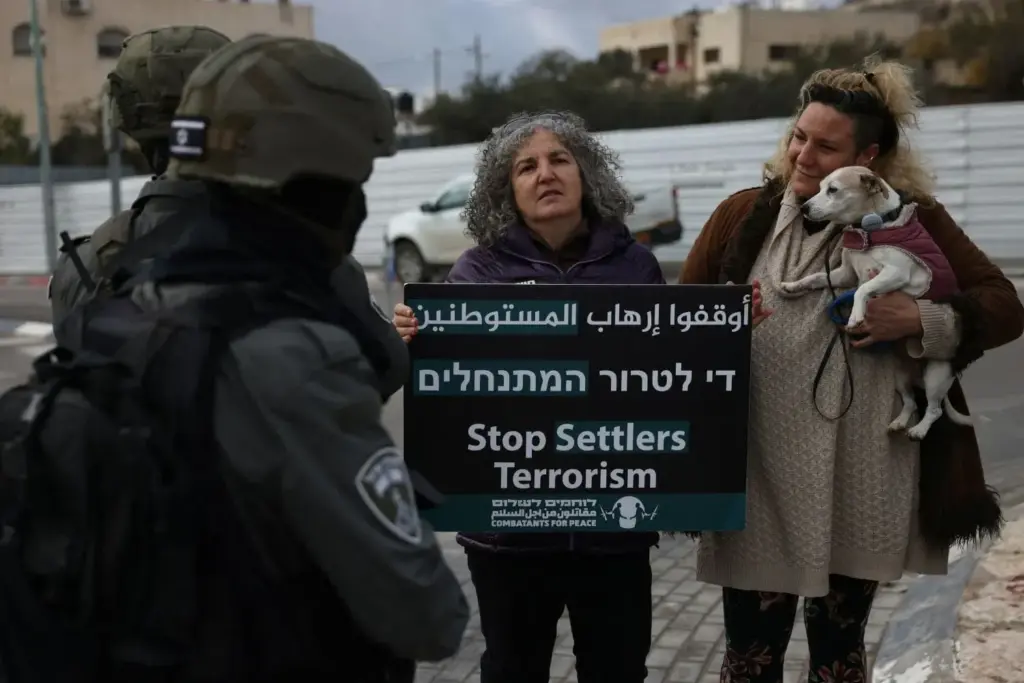
Israel settlements in the West Bank have become a focal point of escalating tensions in the Middle East, drawing both regional and international scrutiny. The expansion of Israeli settlements often faces criticism for its perceived violation of Palestinian rights and international law violations. Reports indicate that such developments exacerbate the West Bank conflict, hindering prospects for lasting peace. For many Palestinians, the ongoing settlement expansion contributes to a sense of entrapment and cycles of unrest that seem unending. As the international community watches, many are left wondering when decisive action will be taken to address these contentious issues.
The issue of Israeli neighborhoods in disputed territories has sparked significant debate and controversy, especially surrounding their impact on regional stability. The ongoing dispute over these territories highlights the broader implications for peace negotiations, human rights, and international diplomatic relations. As these settlements continue to grow, they deepen the complexities of the conflict between Israelis and Palestinians, challenging efforts to achieve a harmonious coexistence. Furthermore, the ramifications extend far beyond local tensions, influencing global perceptions of justice and fairness in the region. Amid rising Middle East tensions, the call for a renewed commitment to diplomatic solutions has never been more critical.
Understanding Israeli Settlement Expansion in the West Bank
Israeli settlement expansion in the West Bank has long been a contentious and complex issue within the Israeli-Palestinian conflict. The growth of these settlements demonstrates a clear defiance of international legal standards, particularly the Fourth Geneva Convention, which prohibits the transfer of an occupier’s civilian population into occupied territories. This expansion not only exacerbates existing tensions in the Middle East but also plays a significant role in undermining the possibility of a two-state solution, a pivotal goal for many international peace efforts.
As communities grow within these settlements, Palestinians often face significant restrictions on their movement and access to resources, which many describe as systematic oppression. This situation highlights the infringement upon Palestinian rights and raises alarms among international human rights advocates. The expansion’s ramifications are not merely geopolitical; they profoundly affect daily life for those living in the West Bank, deepening feelings of frustration and hopelessness among the affected populations.
The Impact of International Law Violations on the Conflict
The ongoing Israeli settlement activity is often criticized as a blatant affront to international law. Numerous United Nations resolutions have called for the cessation of settlement expansion, citing its illegality and the potential to spark further conflict. However, the lack of cohesive responses from the international community leads to a sense of impunity for Israel, as they continue to prioritize settlement growth over diplomatic resolutions.
Variances in international law adherence not only complicate the path to peace but also contribute to the escalating tensions within the region. When considerable powers fail to impose sanctions or other measures against violations, it signals a tacit acceptance of such actions, further emboldening those who pursue aggressive policies. The community of nations must adopt a more proactive stance to hold accountable those infringing on the rights of the Palestinians, mitigating the cycle of violence and despair.
Consequences of Settlement Growth on Palestinian Communities
As Israeli settlements grow in the West Bank, the Palestinian community increasingly feels the weight of oppression. Many Palestinian families report feelings of entrapment, where their homes and livelihoods are threatened by encroaching settlements. Access to farmland, water resources, and essential services becomes limited, effectively confining them to lesser living conditions. This not only leads to economic deprivation but also erodes the cultural fabric of Palestinian society as families are displaced and communities are fragmented.
The psychological impact on the Palestinian people cannot be underestimated. Living under constant threat of displacement fosters a pervasive sense of despair and hopelessness, similar to the perception of being trapped within an expansive prison. Such conditions fuel resentment and mistrust towards the Israeli government, leading to increased support for resistance efforts. It’s essential to understand these dynamics as they are pivotal in analyzing the broader Israeli-Palestinian conflict.
The Role of the International Community in the Israeli-Palestinian Conflict
The role of the international community is crucial in addressing the Israeli-Palestinian conflict, particularly regarding settlement expansions. Numerous nations and international organizations have condemned the growth of Israeli settlements in the West Bank as illegal under international law. However, the actual response has often been limited, amounting to statements of disapproval without tangible actions. This passivity allows the situation to develop unchecked, as Israel continues to expand its territory with minimal resistance from global powers.
Calls for more immediate and firm responses have grown louder, as many believe that without external pressure, Israel will maintain its current course. The effectiveness of diplomatic measures, including possible sanctions or leveraging economic aid, could play a transformational role in bringing about change. The international community must unite and assertively advocate for Palestinian rights while holding Israel accountable to uphold international laws if there’s to be any hope for a peaceful resolution.
Cultural Perspectives on Israeli Settlement Issues
The cultural landscape surrounding Israeli settlements in the West Bank is rich with perspectives that go beyond politics. Artists, poets, and writers from both Israeli and Palestinian backgrounds have expressed their sentiments through various mediums, illuminating the human side of the conflict that statistics often obscure. For many, the experiences of living amidst expanding settlements inspire poignant artwork and literature, serving as both a form of resistance and a mechanism for expressing despair.
These cultural narratives provide a critical lens through which to understand the broader implications of settlement expansion. By sharing stories and fostering dialogue, both communities can work towards a shared understanding of their struggles. Initiatives that promote cultural exchanges have the potential to bridge divides, highlighting the narrative of co-existence, while also addressing the associated injustices that settlements perpetuate.
Exploring the Historical Context of West Bank Settlements
To fully grasp the implications of current Israeli settlements in the West Bank, it is essential to delve into the historical context behind their establishment. Following the 1967 Six-Day War, Israel began establishing settlements in the occupied territories, claiming security needs and historical connections as justifications. Over the decades, these settlements have transformed from small outposts into large communities, supported by government policies and funding that reflect a commitment to expanding Israeli land ownership.
However, this history is fraught with tension and conflict, as the expansion of these settlements has consistently led to land disputes, violence, and a persistent cycle of retaliation. Critics argue that this ongoing land acquisition severely undermines prospects for peace by altering demographics and making a functional two-state solution increasingly impractical. Understanding this historical backdrop is vital for any meaningful dialogue about future resolutions to the conflict.
The Economic Ramifications of Settlement Expansion
Settlement expansion in the West Bank has far-reaching economic implications for both Israelis and Palestinians. For Palestinians, the growth of these settlements often translates into reduced access to land and resources, which are critical for their agriculture-driven economy. Restrictions on their ability to cultivate crops or access markets only exacerbate their economic struggles, leading to increased unemployment and poverty rates within the territories.
Conversely, the Israeli settlements benefit from government incentives and investments, creating economic advantages for settlers. Infrastructure development often favors these communities, leading to better access to services and jobs. The disparity in economic advantages between Israeli settlers and Palestinian residents highlights an ongoing imbalance that perpetuates social tensions and raises questions about fairness and rights in the region.
Public Opinion and the Settlement Debate
Public opinion regarding Israeli settlements in the West Bank remains deeply divided, both within Israel and globally. Many Israelis support settlements, viewing them as a legitimate expression of national security and historical claim, while others vehemently oppose them, citing the need for peace and coexistence with Palestinians. This debate encompasses a spectrum of views, influenced by political affiliation, personal experiences, and the perceived realities on the ground.
Outside of Israel, global opinion has increasingly leaned towards the support of Palestinian rights, with many advocating for an end to occupation and the expansion of settlements. Activism and awareness campaigns have galvanized support for Palestinian causes, raising awareness of the implications of settlement policies. This shift in public sentiment emphasizes the importance of dialogue and advocacy in addressing this deeply entrenched conflict.
Navigating Future Prospects for Peace in the Region
The expansion of Israeli settlements raises critical questions about the future of peace in the West Bank. To navigate towards a resolution, both sides must confront the uncomfortable realities that settlements present to any potential peace agreements. A collective approach that prioritizes dialogue, trust-building measures, and the upholding of international laws is essential to foster a conducive environment for negotiations.
As international stakeholders engage with the diverse elements of this conflict, emphasizing the need for mutual respect and acknowledgment of rights will be pivotal. The hope for a sustainable peace lies in a commitment to addressing the grievances on both sides, ultimately leading to a future where both Israelis and Palestinians can coexist with dignity and freedom.
Frequently Asked Questions
What are the implications of Israeli settlement expansion in the West Bank?
Israeli settlement expansion in the West Bank has significant implications for both Palestinian rights and international relations. It exacerbates the West Bank conflict by encroaching on Palestinian land, which is deemed illegal under international law. This ongoing expansion increases tensions in the Middle East and hinders the prospects for a peaceful resolution.
How do international law violations relate to Israeli settlements in the West Bank?
Israeli settlements in the West Bank are widely regarded as violations of international law, specifically the Fourth Geneva Convention, which prohibits the transfer of an occupier’s civilian population into occupied territory. These international law violations contribute to the ongoing West Bank conflict and undermine Palestinian rights, leading to heightened tensions in the region.
Why are Palestinian rights significant in the context of the West Bank conflict?
Palestinian rights are crucial in the West Bank conflict as they encompass the right to self-determination, freedom of movement, and protection from displacement due to Israeli settlement expansion. These issues reflect broader human rights concerns and are essential for facilitating a just and lasting peace in the Middle East.
What role does the international community play in addressing Israeli settlement expansion in the West Bank?
The international community is expected to monitor and address Israeli settlement expansion in the West Bank, as it often constitutes violations of international law. However, the lack of significant sanctions or enforcement actions against Israel raises concerns about the international community’s willingness to prioritize Palestinian rights and ease Middle East tensions.
What are the societal impacts of Israeli settlement expansion on Palestinian communities in the West Bank?
Israeli settlement expansion impacts Palestinian communities in the West Bank by restricting access to resources, limiting freedom of movement, and leading to forced displacement. Many Palestinians, including Christians, describe their circumstances as akin to living in a prison, emphasizing the urgent need for international intervention to uphold their rights and mitigate the conflict.
How does the expansion of Israeli settlements contribute to Middle East tensions?
The expansion of Israeli settlements in the West Bank raises tensions in the Middle East by undermining peace negotiations and fueling resentment among Palestinians. This expansion is often viewed as a unilateral Israeli action that disregards the rights of Palestinians, further complicating efforts to reach a sustainable resolution to the Israeli-Palestinian conflict.
| Key Point | Details |
|---|---|
| Israel’s Plans for Settlement Expansion | The report highlights Israel’s decision to expand settlements in the West Bank, which violates international law. |
| International Attention Required | The issue deserves more coverage than a brief mention in media outlets like The Guardian. |
| Consequences for Palestinians | Palestinian Christians express feelings of imprisonment due to the living conditions created by the settlements. |
| Call to Action | There is a pressing question regarding when the international community will intervene. |
| Absence of Sanctions | The lack of significant sanctions might lead Israel to ignore international mandates regarding settlements. |
| Diverse Perspectives | The Guardian’s letters section illustrates various cultural and poetic responses to the situation. |
Summary
Israel settlements in the West Bank present a critical issue that requires urgent international scrutiny. The recent expansion of these settlements, described as a flagrant violation of international law, highlights a growing challenge that Palestinians face daily, feeling entrapped by worsening conditions. Many voices, including Palestinian Christians, articulate their struggles, urging action from the global community. It is vital for nations to reassess their diplomatic stances and consider tangible responses, as the absence of sanctions may embolden further disregard to international agreements. The ongoing discourse, manifested through various reflections in public forums, signals the pressing need for resolution in this profoundly impactful matter.