Listen to this article
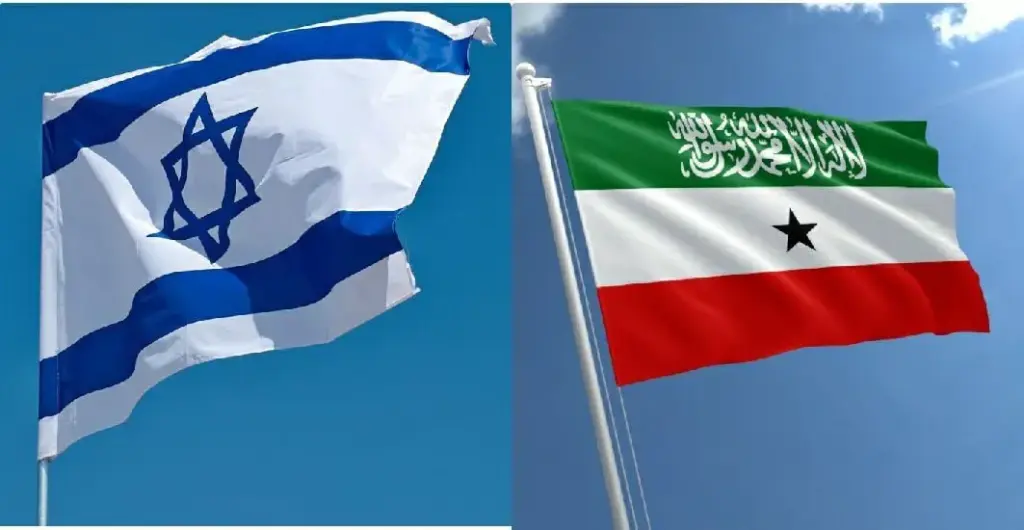
Israel Somaliland recognition marks a significant turning point in international relations, as Israel becomes the first country to officially acknowledge Somaliland’s independence. Prime Minister Benjamin Netanyahu’s announcement highlights the potential for enhanced cooperation in critical sectors such as agriculture, health, and technology with this self-declared state. Somaliland’s President, Abdirahman Mohamed Abdullahi, hailed this event as a “historic moment,” setting the stage for broader Somaliland independence aspirations on the global stage. The recognition not only bolsters Somaliland’s standing but also presents new opportunities for regional diplomacy amidst the evolving landscape of Middle East relations. However, it also raises questions about Somalia sovereignty and the implications of such unilateral actions, as traditional allies in the region respond with swift condemnation of Israel’s move.
The formal acknowledgement of Somaliland’s status by Israel is a historic event that reshapes existing dynamics in international diplomacy and Middle Eastern relationships. With Israel’s leap forward in recognizing Somaliland’s autonomy, discussions regarding its status have been reignited, drawing attention from global powers. This unprecedented development aligns with an escalation in regional aspirations for autonomy and self-governance, particularly following other nations’ moves within the framework of the Abraham Accords. The implications are profound, presenting challenges along with opportunities as the region navigates the delicate balance between supporting newly emergent states and upholding longstanding national sovereignty. Moreover, these shifts could redefine alliances within the horn of Africa and beyond, emphasizing the need for strategic oversight in foreign policy responses.
Israel’s Historic Recognition of Somaliland
In a groundbreaking move, Israel has officially recognized Somaliland as an independent nation, marking a significant milestone in international diplomacy. Prime Minister Benjamin Netanyahu’s announcement of this recognition has been hailed by Somaliland’s leadership as a ‘historic moment’ that could pave the way for increased global recognition. This action not only reaffirms Israel’s diplomatic foothold in the increasingly complex geopolitical landscape but also opens doors for Somaliland as it seeks to establish its independence on the world stage. The recognition may strengthen Somaliland’s diplomatic relations with other nations, potentially leading to broader acceptance and cooperation across various sectors.
The implications of Israel’s recognition extend beyond mere diplomatic acknowledgment; this gesture symbolizes a significant shift in Middle East relations, particularly regarding the notion of sovereignty and self-determination. By recognizing Somaliland, Israel is engaging in a nuanced diplomatic strategy that could influence other nations to reevaluate their positions on Somaliland’s independence. This reflects a growing trend in the international community where alternative alliances are fostered, particularly in the light of the Abraham Accords, emphasizing partnerships that prioritize regional stability and development.
Impact on Somaliland’s International Status
The recognition from Israel is poised to enhance Somaliland’s international status, granting it a foothold in diplomatic discussions and negotiations. With Israel’s support, Somaliland may gain access to vital international markets, thus invigorating its economy which has long been stunted by diplomatic isolation. This economic potential is vital for Somaliland as it continues to seek development in various sectors, including agriculture, health, and technology, areas where Israel has expressed willingness to collaborate. Bolstered by this newfound recognition, Somaliland can enhance its bargaining power as it navigates its path toward full international acceptance.
Furthermore, this recognition may act as a catalyst for other countries to acknowledge Somaliland’s statehood. As nations consider their diplomatic relations in the context of shifts in power dynamics, Israel’s move may encourage a domino effect, prompting other nations to reassess their relationships with Somaliland. This could potentially lead to more investment opportunities and collaborations that foster regional development and security in both the Horn of Africa and the broader Middle Eastern context.
Somalia’s Reaction to Israel’s Recognition
Somalia’s government has responded vehemently to Israel’s recognition of Somaliland, vehemently asserting its stance on the territorial integrity and sovereignty of Somalia. Prime Minister Hamza Abdi Barre’s ‘categorical and unequivocal rejection’ illustrates the deep-rooted tensions that still exist within the region. The condemnation from various foreign ministers highlights a united front amongst Somalia’s neighbors who are concerned that such unilateral recognition might encourage further fragmentation of state sovereignty in the region.
Additionally, this response touches on the larger narrative of Somalia’s sovereignty and its longstanding issues with the recognition of Somaliland’s independence. The backlash reflects fears that Israel’s actions could inspire other nations to challenge territorial claims and independence movements within their borders, raising concerns about international law’s precedents regarding sovereignty. The situation underscores the delicate balance that needs to be achieved in Middle East relations, especially as Somalia seeks to maintain its unity amidst these shifting dynamics.
Strategic Alliances and Regional Stability
The recognition of Somaliland by Israel comes amidst efforts to foster stability and strategic alliances in the region accelerated by the Abraham Accords. These agreements have paved the way for normalization of relations between Israel and several Arab nations, showcasing a trend towards fostering cooperation over conflict. Somaliland’s aspirations to join the Abraham Accords indicate its strategic alignment with countries that prioritize economic opportunities and regional peace, further signaling its desire to partake in a broader, collaborative international framework.
Israel’s interest in forming partnerships with Somaliland reflects the changing dynamics of Middle East relations where longstanding rivalries may give way to new forms of alliances. As countries reassess their diplomatic strategies in light of shifting geopolitical realities, Somaliland’s emerging partnerships could potentially contribute to greater stability in the Horn of Africa and beyond, signaling a transformative period where cooperation supersedes historical grievances.
Concerns Over Precedent in International Law
Israel’s recognition of Somaliland raises significant concerns about the implications for international law, particularly regarding the principle of territorial integrity. The united front from Somalia and its allies warns against setting a precedent that could encourage other nations to pursue fragmented sovereignty claims, undermining established norms in international diplomacy. The fears articulated by the foreign ministers of Somalia, Egypt, Turkey, and Djibouti revolve around the potential destabilization the recognition might provoke across the region, impacting the broader landscape of Middle Eastern and African relations.
In a world where nation-states are often challenged by separatist movements, this recognition adds a layer of complexity that could lead to further disputes over sovereignty. The assertion from these nations against unilateral actions highlights the necessity for dialogue and negotiation over contentious issues related to statehood and territorial claims. This scenario serves as a reminder of the intricate interplay between diplomacy and law, necessitating careful consideration of how recognition and support for independence impact global relations and conflict resolution.
The Role of Israel in Somaliland’s Future
As Israel takes steps to formalize its diplomatic relations with Somaliland, its role could be pivotal in shaping the future of this breakaway region. The intention to establish cooperation in critical sectors like agriculture, health, and technology demonstrates Israel’s commitment to fostering economic development in Somaliland. Such involvement aligns with Israel’s strategic interests in promoting stability in the Middle East, emphasizing partnership as a tool for peace-building in a region often marred by conflict.
Moreover, Israel’s engagement with Somaliland reflects a broader diplomatic strategy aimed at strengthening ties across Africa and the Middle East. By investing in Somaliland’s development, Israel not only enhances its image as a supportive partner for emerging nations but also positions itself as a key player in regional geopolitics. This relationship serves the dual purpose of expanding Israel’s influence while simultaneously contributing to Somaliland’s aspirations of self-governance and global recognition.
Somaliland’s Aspirations to Join the Abraham Accords
The move to seek inclusion in the Abraham Accords symbolizes Somaliland’s desire to align itself with a forward-thinking diplomatic initiative that emphasizes peace and mutual cooperation. Somaliland’s President, Abdirahman Mohamed Abdullahi, views this aspiration as a means to secure stability not only for Somaliland but also for the broader region. In attempting to join these accords, Somaliland is positioning itself within a larger narrative of reconciliation that has the potential to alter the course of its international relations.
Engaging with the Abraham Accords could provide Somaliland with critical platforms for dialogue and economic partnership, allowing it to showcase its potential as a sovereign entity. The Accords have proven effective in fostering relationships among diverse nations, and Somaliland’s inclusion could further the reach of these cooperative efforts into the Horn of Africa. Achieving this integration would not only validate Somaliland’s claims to independence but also enhance its legitimacy on the global stage.
Economic Cooperation Between Israel and Somaliland
Economic cooperation between Israel and Somaliland is anticipated to flourish following the recognition, with sectors like agriculture and technology taking center stage. Israel’s agricultural technology has the potential to address some of the critical development challenges faced by Somaliland, such as water scarcity and food security. By leveraging Israeli expertise, Somaliland hopes to enhance its agricultural productivity and sustainability, ultimately leading to improved livelihoods and economic resilience.
In addition, the pursuit of technological collaboration could stimulate innovation and boost Somaliland’s economy. Israel’s reputation as a ‘start-up nation’ brings important opportunities for investment in tech-driven industries that could help modernize Somaliland’s economy. The establishment of such partnerships not only fosters growth but positions Somaliland as a competitive player in the global market, showcasing the transformative potential of international cooperation.
Diplomatic Tensions and Regional Reactions
Israel’s recognition of Somaliland has inevitably led to heightened diplomatic tensions within the region, provoking responses from neighboring countries like Somalia. The strong rejection from Somalia’s government signals that the ramifications of this recognition are far-reaching and cannot be overlooked. Diplomatic efforts by countries like Egypt, Turkey, and Djibouti to address these tensions highlight the ongoing struggles related to sovereignty and recognition in the Horn of Africa, stressing the need for comprehensive dialogue.
This scenario underscores the intricate nature of Middle East relations, where gestures of recognition can lead to significant fallout and alter the dynamics of regional camaraderie. The international community’s response will be crucial in determining the next steps, as Somalia and its allies push back against actions perceived as threats to their territorial integrity. This situation calls for a nuanced understanding of diplomatic relationships and the critical balance between support for self-determination and the preservation of international law.
Frequently Asked Questions
What is the significance of Israel Somaliland recognition for Somaliland’s independence?
Israel’s recognition of Somaliland as an independent nation marks a historic moment, potentially legitimizing Somaliland’s claims for sovereignty and encouraging other countries to recognize its independence. This diplomatic recognition may bolster Somaliland’s standing on the international stage and facilitate access to global markets.
How does Israel Somaliland recognition relate to the Abraham Accords?
Israel Somaliland recognition is seen as an extension of the Abraham Accords, which aimed to normalize relations between Israel and several Arab nations. Somaliland’s leadership has expressed interest in joining these accords, highlighting their commitment to regional peace and stability, further enhancing Israel’s diplomatic footprint in the region.
What has been the response from Somalia regarding Israel Somaliland recognition?
The Somali government has strongly rejected Israel Somaliland recognition, characterizing it as an attack on Somalia’s sovereignty. Somalia’s Prime Minister condemned the move, reflecting the broader regional tensions surrounding Somaliland’s push for independence and the implications on Somalia’s territorial integrity.
What diplomatic actions has Israel taken following its recognition of Somaliland?
Following the recognition, Israel has aimed to establish full diplomatic relations with Somaliland, including the appointment of ambassadors and the opening of embassies. This includes planned cooperation in agriculture, health, and technology sectors to foster closer ties between the two nations.
What are the potential consequences of Israel’s recognition of Somaliland for Middle East relations?
Israel’s recognition of Somaliland may complicate Middle East relations, particularly with countries like Somalia, Egypt, and Turkey, which oppose unilateral actions that could destabilize the region. This recognition could set a precedent that affects how regions and nations are recognized under international law.
How does Somaliland’s quest for independence converse with Somalia’s stance on sovereignty?
Somaliland’s quest for independence conflicts with Somalia’s stance on sovereignty, as the latter views Somaliland’s moves as a challenge to its territorial integrity. The recognition by Israel intensifies this conflict, with Somalia asserting that such actions undermine its sovereignty and promote division in the region.
What role does Israel diplomacy play in the recognition of Somaliland?
Israel diplomacy is crucial in the recognition of Somaliland, as it reflects Israel’s strategic interests in strengthening relations with African nations. By recognizing Somaliland, Israel positions itself as a regional partner, contributing to economic cooperation while addressing broader diplomatic goals in the Middle East and Africa.
How might Israel Somaliland recognition influence international relations in the Horn of Africa?
Israel Somaliland recognition could significantly influence international relations in the Horn of Africa by encouraging other nations to consider recognition of Somaliland. This could alter diplomatic alignments, enhance Somaliland’s access to international partnerships, and increase tensions with Somalia and its allies.
| Key Points | Details |
|---|---|
| Israel Somaliland Recognition | Israel officially recognized Somaliland as an independent nation. |
| Prime Minister’s Announcement | Netanyahu announced immediate cooperation in agriculture, health, and technology with Somaliland. |
| Somaliland’s Reaction | President Abdullahi calls it a “historic moment” and aims to join the Abraham Accords. |
| Somalia’s Stance | Somalia’s PM rejected Israel’s recognition, viewing it as an attack on sovereignty. |
| International Response | Egypt, Turkey, Djibouti, and Somalia condemned the recognition. |
| Diplomatic Developments | Agreement on establishing full diplomatic relations including embassies. |
| Broader Implications | This recognition could encourage other nations and bolster Somaliland’s international standing. |
Summary
Israel Somaliland recognition marks a significant shift in international relations, as Israel becomes the first nation to officially recognize Somaliland’s independence. This landmark decision not only enhances Somaliland’s diplomatic standing but also instigates a potential wave of recognition from other countries, further integrating Somaliland into the global community. The move has drawn criticism from Somalia and other nations concerned about the implications for regional stability and sovereignty. As developments unfold, the impact of this recognition may reshape the dynamics in the Horn of Africa, fostering both opportunities and tensions in diplomatic relations.