Listen to this article
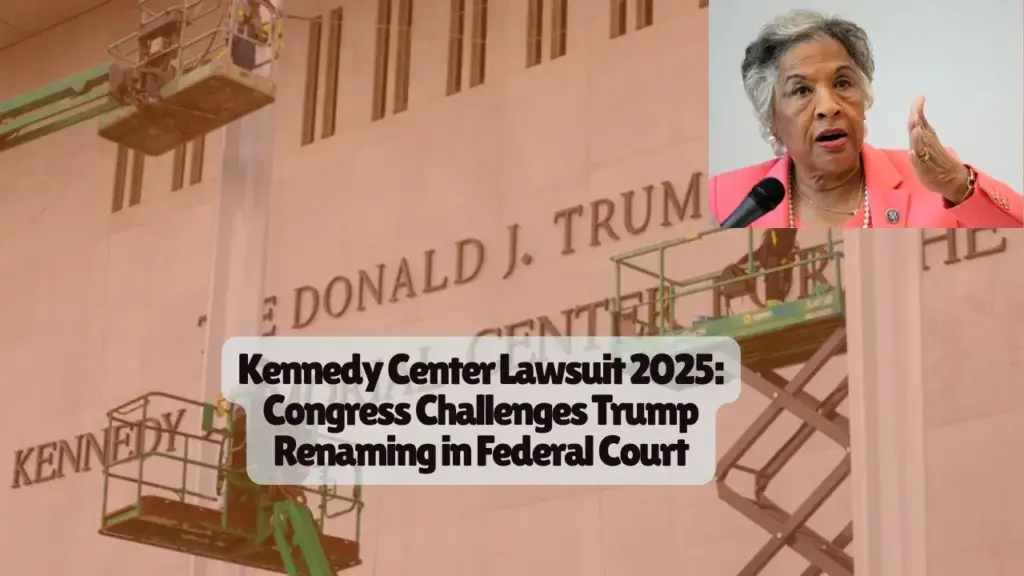
The recent Trump Kennedy Center lawsuit has ignited a firestorm of controversy surrounding the renaming of the John F. Kennedy Center for the Performing Arts. Filed by Democratic US Representative Joyce Beatty, this legal challenge aims to strip President Donald Trump’s name from the iconic arts center, a move that she argues breaches federal law which mandates that any name change requires congressional approval. The renaming, which occurred after Trump appointed several allies to the Kennedy Center’s board, has been met with fierce opposition and has fueled debates about the proper reverence due to President Kennedy’s legacy. Critics assert that this shift not only undermines the center’s original purpose as a tribute to the late president but also symbolizes a troubling trend in politicizing cultural institutions. As the lawsuit progresses, it adds another layer to the Trump Kennedy controversy, capturing the attention of lawmakers and citizens alike who are invested in the future of American arts and culture.
The legal battle concerning the Kennedy Center, often referred to as the Trump arts center since the controversial renaming, showcases the tensions between political influence and cultural respect. Joyce Beatty has taken a stand against what she views as an unlawful act of the Trump administration, pushing back against the recent decision that has transformed the center with a new name that she contends violates established legislation. By invoking a lawsuit against Trump, Beatty joins a growing chorus of dissenters who feel that such changes undermine the essence of the Kennedy Center’s commitment as a living memorial. With longstanding traditions and performances now on the line, this dispute raises important questions about the governance of cultural institutions and the integrity of their founding principles. As the narrative unfolds, the Kennedy Center renaming case continues to be a pivotal moment in examining the intersection of arts, politics, and historical memory.
Joyce Beatty’s Lawsuit Against the Trump Kennedy Center Renaming
Democratic US Representative Joyce Beatty has taken a bold step in challenging the recent renaming of the Kennedy Center, which now bears President Donald Trump’s name. Her lawsuit claims the renaming is illegal, arguing that such a significant change requires an act of Congress. Beatty’s concerns echo the sentiments of many who believe that the Kennedy Center should remain a historic tribute to the late President John F. Kennedy, rather than a platform for political agendas. This controversy is further fueled by her assertion that the board meeting, where the renaming was voted upon, was conducted in a manner that suppressed dissenting voices, a troubling sign in a democratic society.
The lawsuit against Trump is not just an isolated issue; it reflects broader concerns regarding the politicization of cultural institutions. Critics argue that the Trump-Kennedy Center renaming is emblematic of the ongoing disputes over civic memory and how public spaces should honor historical figures. Beatty’s stance is particularly significant coming from a prominent board member, illustrating the fractures within the board itself, which has shifted dramatically under Trump’s administration.
In her legal challenge, Beatty highlights the notion that the Kennedy Center represents a ‘living memorial’ to President Kennedy, emphasizing its role beyond mere entertainment and reflecting national values. This lawsuit illustrates a clash of ideals about how historical legacies should be preserved and honored. The backlash against the renaming has sparked discussions about corporate influence in the arts, leading to a heightened awareness of conflicts between political affiliations and cultural appreciation. As institutions like the Kennedy Center face scrutiny, the outcomes of lawsuits like Beatty’s could set precedents regarding the management and representation of publicly funded cultural venues.
The Political Landscape: Trump’s Influence on the Kennedy Center
The political maneuvering behind the Kennedy Center’s renaming illuminates the deeper ties between the arts and politics in America. Since taking office, Trump has effectively reshaped the board by appointing allies, a dynamic that raises questions about the impartiality of the center’s operations. By securing significant funding for renovations—reportedly around $257 million—Trump has positioned himself as a benefactor of the arts, further complicating the narrative around his controversial name association. This melding of finances and governance is particularly striking in the context of public arts institutions, which traditionally aim to transcend partisan divides.
As the Trump Kennedy Center becomes a focal point of political contention, its newly adopted name has generated widespread criticism. Many see it as an attempt to leverage cultural prestige for political gain, a move that not only alters the legacy of the center but also impacts artists and performers affiliated with it. The withdrawal of notable figures like musician Chuck Redd from annual events underscores the cultural backlash against the renaming. The ongoing debate around the Trump-Kennedy Center serves as a reminder of the challenges faced by publicly funded arts institutions in navigating their mission of inclusivity while remaining apolitical.
This situation resonates on many levels, connecting to broader discussions about the future of arts funding under political administrations. The historical precedence of naming rights and their impact on community identity poses a challenging conversation for policymakers and artists alike. With lawsuits like Beatty’s emerging, it becomes clear that the evolving narrative of institutions like the Kennedy Center will likely be shaped by ongoing legal battles and public sentiment, revealing a pivotal moment in the relationship between culture and politics.
Reactions to the Trump Kennedy Center Name Change
The renaming of the Kennedy Center to the Trump-Kennedy Center has triggered a wave of reactions from lawmakers, artists, and the general public. Many have expressed their outrage on social media, particularly members of the Kennedy family who have publicly denounced the decision. Joe Kennedy III’s remarks highlight the belief that turning the Kennedy Center into a tribute for Trump diminishes its significance as a memorial to a revered president. The strong emotional responses reflect how deeply intertwined cultural institutions are with national identity and collective memory, emphasizing the need for careful stewardship of public spaces.
Prominent artists like Chuck Redd cancelling his long-standing Christmas concert further exemplifies the fallout from this renaming. Such actions signal a refusal to endorse or participate in an institution that they feel no longer represents their values. The situation at the Kennedy Center reflects a broader cultural schism within the arts community regarding how political affiliations can impact their venues and programming. In a climate where cultural representation is increasingly scrutinized, the implications of the Trump Kennedy Center transition extend well beyond its walls.
As reactions unfold, the Kennedy Center now finds itself at the crossroads of artistic expression and political controversy. The ramifications of the name change may affect not only its reputation but also future collaborations, funding opportunities, and the artists’ willingness to engage with the center. Many hope that the ensuing debate surrounding the Trump Kennedy Center will foster a renewed commitment among artists and lawmakers to uphold the original mission of cultural institutions—to serve as inclusive platforms for diverse artistic expressions and narratives.
The Cultural Impact of the Trump Kennedy Center Renaming
The cultural ramifications of renaming the Kennedy Center are profound, affecting perceptions of not only the institution but also the arts at large in America. By associating the center with Donald Trump, a polarizing political figure, the renewed branding risks alienating audiences who feel that the arts should be distinct from partisan politics. Many argue that institutions like the Kennedy Center should honor historical icons, preserving the legacy of figures like President Kennedy rather than using them for contemporary political capital. This has sparked a critical dialogue about the role of cultural venues as neutral grounds for artistic expression versus platforms for political narratives.
Furthermore, the backlash against the Trump Kennedy Center could lead to increasing divisiveness within the arts community. Some artists fear that their ability to express themselves or engage with the institution may be compromised by the political climate it now represents. Calls are already emerging for a more inclusive dialogue around the future of the center, urging leaders to consider the opinions of artists and the public when shaping its identity and mission.
The potential fallout from this renaming may redefine how cultural institutions navigate their responsibilities to both the public and the narrative of history. Without careful consideration of community values and historical significance, institutions risk losing their relevance and community trust, prompting reconsideration of how they engage with artists, policymakers, and patrons alike. Ultimately, the manner in which the Trump Kennedy Center navigates this challenging moment could serve as a lesson for similar institutions in maintaining their integrity amidst changing political landscapes.
Legal Implications of the Joyce Beatty Lawsuit
Joyce Beatty’s lawsuit against the Trump Kennedy Center introduces significant legal questions about the governance of public institutions. The claim that renaming requires an act of Congress highlights existing regulations governing federal memorials and emphasizes the legal complexities involved in modifying grave historical tributes. If the court sides with Beatty, it may underscore the necessity for Congress to maintain control over naming rights and could set a precedent for other public entities, ensuring that political whims do not dictate the legacy of historically significant sites.
Moreover, this lawsuit symbolizes a growing trend where legislators are challenging the executive’s influence over cultural institutions. The outcome may ultimately influence the power dynamics between Congress and the presidency, especially concerning federal funding and governance of public arts organizations. As the legal proceedings unfold, the lawsuit will be closely monitored by both supporters and opponents of the renaming, potentially steering the dialogue on who ultimately holds authority over national treasures like the Kennedy Center.
Public Sentiment Surrounding the Trump Kennedy Renaming
Public sentiment regarding the Trump Kennedy Center renaming is overwhelmingly polarized, reflecting the broader national divide. Many feel disenfranchised by the shift in identity from a center honoring President Kennedy’s legacy to one that serves as a monument to a currently controversial political figure. The arts community’s response, marked by cancellations and vocal opposition, indicates a deep-seated anxiety regarding political influence over artistic spaces, prompting debates about the values represented within cultural institutions.
As public backlash continues, it remains crucial for organizations like the Kennedy Center to gauge audience sentiment carefully. Engaging with diverse voices from the community, including artists, patrons, and historians alike, may help foster a more thoughtful and inclusive dialogue around the legacy of the center. The ongoing debate surrounding the Trump Kennedy Center could serve as a catalyst for cultural introspection and greater community engagement in determining the future of public institutions.
The Future of the Kennedy Center Amidst Controversy
The future of the Kennedy Center hangs in the balance as the legal and public discourse surrounding its recent name change unfolds. With growing calls for accountability and representation, the center’s leadership may have to reassess its direction in light of public opinion. Navigating this complex landscape presents both challenges and opportunities to redefine its mission, ensuring that it remains a pillar of the arts community while also upholding its historical responsibilities as a memorial. The response to Joyce Beatty’s lawsuit and the ensuing legislative conversations surrounding it may greatly influence the institution’s path forward.
In the wake of this controversy, a proactive approach may serve to mend relations with the public and the arts community. Engaging in discussions about the necessary roles that cultural institutions play in promoting inclusivity and historical significance can pave the way for a more harmonious coexistence of public interest and artistic expression. The Kennedy Center’s evolution during this moment may facilitate a reimagining of what it means to be a cultural institution in the 21st century, ensuring it serves as a true reflection of America’s diverse tapestry while honoring its past.
Implications of the Trump Kennedy Center Name Change for Artists
The implications of the Trump Kennedy Center name change extend beyond politics and into the realm of artistic expression. For artists and performers who have relied on this significant cultural institution for opportunities, the name change raises concerns about their association with a space now perceived as politically charged. The question of artistic integrity comes to the forefront, as some artists opt to distance themselves from the renaming and what it represents. This trend could lead to a chilling effect, potentially stifling creative partnerships and programming once viewed as integral to the center’s mission.
Moreover, the renaming could alter funding dynamics, as patrons and sponsors re-evaluate their connections to an institution embroiled in controversy. Artists may feel compelled to choose between their professional affiliations and personal principles, complicating performance opportunities and collaborations. The need for a united voice within the arts community to affirm shared values and the importance of inclusive, apolitical spaces has never been greater. Moving forward, addressing these challenges will be critical to ensuring that the Kennedy Center remains a vital hub for artistic innovation and expression.
Responses from the Trump Administration Regarding the Lawsuit
In response to Joyce Beatty’s lawsuit regarding the Trump Kennedy Center renaming, the Trump administration has positioned itself as a proactive force in preserving and modernizing the arts center. Officials assert that Trump’s initiatives have bolstered the Kennedy Center’s finances and revitalized its programming, arguing that the renaming reflects a new trajectory of success. This rhetoric underscores a broader narrative that positions political leadership as integral to the preservation and enhancement of cultural institutions, further entrenching the administration’s stance in the ongoing debate.
The administration’s messaging has sparked further discussions about the intersection of politics and the arts, raising questions about who decides the legacy of cultural institutions. The appeal to a financial narrative can sometimes overshadow the historical imperatives that give such spaces their significance. As the lawsuit progresses, the responses from the administration will likely be scrutinized by both supporters and dissenters alike, further complicating the landscape of arts governance and the negotiation of cultural identities.
The Broader Context of Political Naming Controversies
The controversy surrounding the Trump Kennedy Center renaming is not an isolated incident; it reflects a broader trend of political naming conflicts that have emerged across the United States. As public spaces increasingly bear the names of individuals with controversial legacies, communities are grappling with the implications of these choices in representing their values. This dynamic raises pertinent questions about how names can reflect the principles of inclusivity and social justice, particularly within spaces meant to serve the public.
As more institutions face similar controversies, the implications for cultural memory and historical narratives become critical. Changing the names of existing monuments and institutions can lead to public uproar and legal battles, as demonstrated by Beatty’s lawsuit. The discussions generated by the Trump Kennedy Center renaming can serve as a meaningful framework for communities to explore how they are represented in public spaces and, ultimately, who gets to decide that representation.
Frequently Asked Questions
What is the Trump Kennedy Center lawsuit filed by Joyce Beatty?
The Trump Kennedy Center lawsuit is a legal action initiated by Democratic US Representative Joyce Beatty, challenging the renaming of the John F. Kennedy Center for the Performing Arts to the Trump-Kennedy Center. Beatty alleges that the renaming was illegal as it required an act of Congress, claiming that Congress intended for the center to serve as a permanent memorial to President Kennedy.
Why is Joyce Beatty suing regarding the Trump Kennedy Center renaming?
Joyce Beatty is suing in response to the board’s decision to rename the Kennedy Center to the Trump-Kennedy Center, which she argues violates federal law requiring Congressional approval for naming changes. The lawsuit claims that the procedure followed in renaming the center was not compliant with legal requirements.
How has the renaming of the Kennedy Center to the Trump-Kennedy Center caused controversy?
The renaming of the Kennedy Center to the Trump-Kennedy Center has sparked significant controversy, particularly among artists and lawmakers. Critics argue that it undermines the center’s legacy as a memorial to President Kennedy and is viewed by some as a politically motivated action by Trump and his allies.
What are the implications of the lawsuit against Trump regarding the Kennedy Center?
The implications of the lawsuit against Trump concerning the Kennedy Center may include potential legal avenues to restore the original name and uphold the center’s intended purpose. If Beatty’s lawsuit succeeds, it could set a precedent for how cultural institutions are managed and named in the future, particularly those established as memorials.
What is the response of the White House to the Trump Kennedy Center lawsuit?
The White House has defended the renaming of the Kennedy Center to the Trump-Kennedy Center, claiming that President Trump improved the center’s finances and overall status. A spokesperson stated that the decision to rename the center was a unanimous vote by the board, reflecting a new direction for the institution.
What has been the reaction from the public and artists to the Trump Kennedy Center renaming?
The public reaction to the renaming of the Kennedy Center to the Trump-Kennedy Center has been predominantly negative, with significant backlash from artists like Chuck Redd, who canceled long-planned events at the venue. Many view the renaming as an affront to the legacy of President Kennedy and call for its reversal.
What changes occurred within the Kennedy Center’s board that led to the naming controversy?
Following Trump’s inauguration, he appointed several allies to the Kennedy Center’s board and subsequently a vote was held to rename the center to the Trump-Kennedy Center. The shift in board membership raised concerns about the politicization of the center and the motives behind the renaming.
Can the name of the Kennedy Center be changed without Congressional approval?
According to Joyce Beatty’s lawsuit, the name of the Kennedy Center cannot be changed without Congressional approval, as established by federal law that designates its name in honor of President Kennedy, making any renaming efforts potentially illegal.
What actions did President Trump take regarding the Kennedy Center prior to the lawsuit?
Before the lawsuit, President Trump oversaw significant renovations at the Kennedy Center and secured approximately $257 million in congressional funding for its repair. He also replaced board members with allies who would later vote to rename the center, leading to the ongoing controversy.
How has the Kennedy family reacted to the renaming of the Kennedy Center?
Members of the Kennedy family, including Joe Kennedy III, have publicly criticized the renaming of the Kennedy Center to the Trump-Kennedy Center, arguing that it disrespects the center’s legacy as a living memorial to President Kennedy and should remain unchanged.
| Key Points |
|---|
| Democratic Representative Joyce Beatty filed a lawsuit to remove Trump’s name from the Kennedy Center. |
| The Kennedy Center was renamed to the Trump-Kennedy Center following a board vote. |
| Beatty alleges the renaming is illegal and requires an act of Congress. |
| Beatty claims she was muted during discussions about the name change. |
| The lawsuit criticizes the move as reminiscent of authoritarianism. |
| The White House supports the renaming, claiming it enhances the center’s prestige. |
| Notable criticism includes the cancellation of events, such as Chuck Redd’s jazz concert. |
| The Kennedy Center aims to commemorate President Kennedy, and the name change is contested by the Kennedy family. |
| Construction of the Kennedy Center began in the 1950s, named after Kennedy posthumously. |
Summary
The Trump Kennedy Center lawsuit has sparked significant controversy, focusing on a legal challenge filed by Representative Joyce Beatty to reverse the renaming of the John F. Kennedy Center for the Performing Arts to the Trump-Kennedy Center. This case raises crucial questions about governance and the historical legacy associated with President Kennedy, emphasizing the tension between current political maneuvers and the center’s foundational purpose as a tribute to the former president. Critics argue that renaming the center undermines its memorial status and challenges democratic norms, while supporters claim it reflects a new era of success for the venue.