
Listen to this article
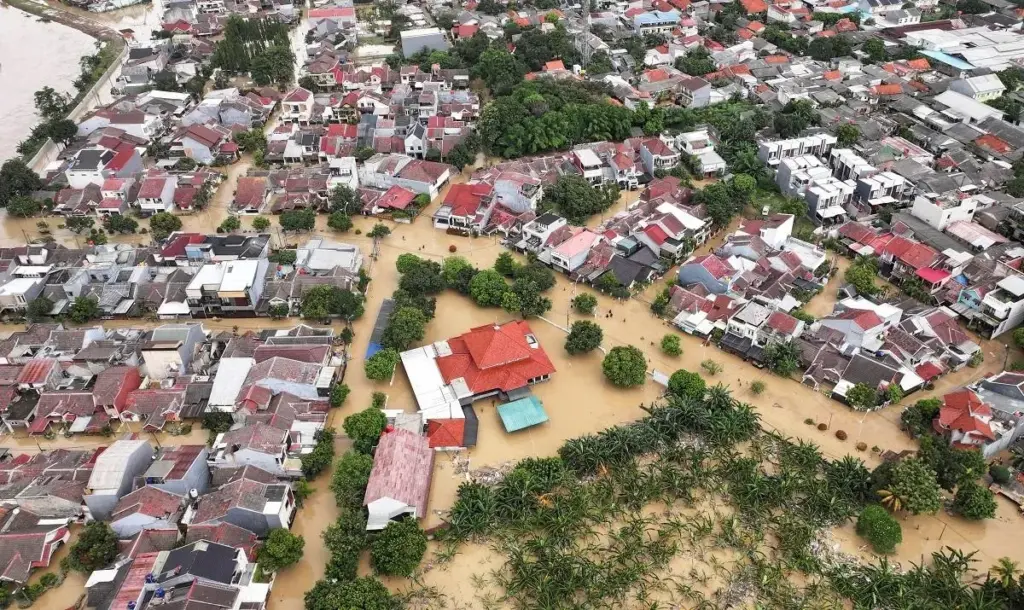
In the wake of the devastating *Indonesia floods*, communities, particularly in Aceh, are desperately raising white flags as they demand urgent flood aid. Following a catastrophic cyclone that resulted in over 1,000 fatalities and displaced countless families, the frustration towards the slow Indonesia disaster response has reached a boiling point. Survivors are pleading for help, while the Prabowo administration has controversially rejected international aid, claiming that the government is capable of managing the crisis. As conditions deteriorate, accusations of disorganization and insensitivity have emerged regarding flood aid controversies surrounding the administration’s response. It is clear that the community’s suffering is a stark reminder of the urgent need for effective and compassionate disaster management in Indonesia.
In light of the recent catastrophic events, the situation in Indonesia has sparked widespread attention and concern, particularly regarding relief efforts in Aceh. The severe flooding has triggered a wave of outcry from residents, who symbolize their plight with white flags. Local efforts to secure immediate assistance highlight the critical need for a coordinated disaster relief strategy. The government’s stance on foreign aid, particularly during such dire circumstances, raises questions about Indonesia’s approach to managing large-scale disaster situations. As the community continues to face significant hardships, it becomes increasingly imperative for leaders to prioritize effective aid responses and foster international support.
Understanding the Indonesia Floods Relief Challenge
In the wake of the devastating floods that have recently swept through Indonesia, understanding the intricacies of the relief effort is critical. Flooding in Aceh has revealed significant gaps in the government’s disaster response protocol. Local communities, experiencing the brunt of the catastrophe, are taking to the streets with white flags as a message of desperation and a plea for immediate action. This response has galvanized international awareness and spurred discussions on Indonesia’s approach to disaster management, particularly under the current leadership of President Prabowo Subianto.
Despite the glaring need for a more robust aid strategy, the Prabowo administration continues to resist accepting international support, arguing that Indonesia can manage the crisis independently. This stance raises questions about the efficiency and effectiveness of national relief efforts. As rescue and recovery operations falter amid rising anger and frustration from affected populations, the coordination between government agencies and local health organizations becomes imperative for improving outcomes in the face of dire circumstances.
Aceh Floods: A Repeat of Historical Catastrophe
The agonizing memories of past tragedies loom large in Aceh as communities endure the effects of the recent flooding. Many residents draw parallels between the current situation and the 2004 Boxing Day tsunami, which had a transformative impact on disaster management in Indonesia. The swift international response following the tsunami helped expedite recovery, presenting a compelling contrast to the delayed assistance perceived today. This history frames the current discontent, as people recall the rapid support that allowed them to rebuild their lives and communities after such a significant natural disaster.
As the scars of the tsunami still linger in the cultural memory of Aceh, the slow-paced response to the current floods has fueled public protests and calls for urgent government intervention. Victims, including families that lost everything, echo sentiments of betrayal and frustration at the state’s inadequacy in addressing the humanitarian crisis. The imperative to reform disaster preparedness and responsiveness is stronger now than ever, as communities vow to turn their despair into action, demanding not just acknowledgment but tangible relief.
The Controversy Surrounding Flood Aid in Indonesia
The refusal of the Prabowo administration to accept international aid during the ongoing flood crisis has sparked significant controversy, raising moral and ethical questions about governance. This stance reflects broader challenges in Indonesia’s disaster response framework. Critics highlight the administration’s preference for maintaining national image over addressing pressing humanitarian needs. Amid accusations of inefficiency and arrogance, the central government’s resistance remains a source of increased public scrutiny, complicating the narrative of national sovereignty and self-reliance.
As the situation unfolds, the debate surrounding flood aid in Indonesia is not just about immediate relief but also about long-term policies surrounding disaster management. Accusations of negligence are juxtaposed against the government’s insistence that it can manage the crisis, further fueling tensions. The call for international assistance resonates loudly among citizens, many of whom feel abandoned by their leaders during one of the worst flooding events in recent history. With the stakes rising, the need for a unified national response that includes both local initiatives and international aid becomes clear.
Residents Demand Attention Amidst Rising Anger
Amidst the chaos and destruction, residents of Aceh have reached a boiling point of frustration as they continue to suffer from dire shortages of basic necessities such as food, water, and medical supplies. The horror of survivors has surfaced through protests, where symbolic white flags represent not surrender, but a clarion call for help and international solidarity. Protesters have taken to the streets to vocally demand that their government acknowledges the severity of their plight and accepts foreign assistance to alleviate suffering.
The profound sense of urgency is illustrated by the heart-wrenching testimonies of residents who have lost their homes and livelihoods. As community members band together, the outcries signal a collective plea for swift action and relief. Their resilience amid despair has captured national attention, challenging the narrative promoted by the Prabowo administration regarding the effectiveness of its disaster management efforts. The community’s bold stance resonates deeply, suggesting that only through combined efforts can they hope to achieve timely disaster relief.
International Perspectives on the Indonesia Disaster Response
The international community has watched with bated breath as events unfold in Aceh, with various nations extending offers of aid to assist in the flood recovery. However, the Prabowo administration’s rejection of foreign assistance complicates diplomatic relationships and limits the potential for collaborative recovery efforts. This reaction raises critical questions about Indonesia’s strategic interests and prioritizes national sovereignty at the expense of timely and effective disaster relief.
Critics argue that this stance sends a message of resistance to global cooperation, potentially jeopardizing future aid relationships. As the floods have highlighted vulnerabilities within the country, an opportunity for constructive partnerships in disaster management appears to be missed. The push and pull of international relations surrounding disaster response highlight the complexities of governance during crises, where public pressure and the need for aid clash against political considerations and sovereignty.
Prabowo Administration Under Fire: Economic Challenges and Governance
The economic landscape in Indonesia poses significant challenges to the Prabowo administration’s capacity to effectively deliver aid to flood-affected regions. Rising unemployment and inflation have intensified economic pressures, exacerbating public discontent. Many citizens are rightly questioning the prioritization of policies like the billion-dollar school meals initiative amidst a humanitarian disaster. Increased economic strain has intertwined with governance failures, as citizens demand accountability from their leaders.
Public protests against rising living costs highlight a growing sense of urgency for reform, prompting individuals to hold the government accountable for its choices. Economic resilience, once a hallmark of Prabowo’s campaign, is now being tested by natural disasters, challenging the administration’s narrative. The precarious balancing act between addressing economic concerns and responding adequately to humanitarian crises introduces significant stakes for governance in Indonesia.
Communities Rebuild During a Time of Crisis
As communities grapple with the aftermath of the floods, the spirit of resilience shines through the devastation. Local leaders and organizations are stepping up, taking initiative in the absence of a cohesive national response. Volunteer groups have emerged, providing local aid and assistance to those most affected by the floods, showcasing a communal effort to reclaim their lives and rebuild their neighborhoods.
However, these grassroots efforts underscore the inevitable reality: while communities exhibit immense fortitude, they are battling against overwhelming odds without adequate support. The disparity between local determination and the central government’s sluggish response cannot be overstated. In a time of crisis, grassroots movements demonstrate an essential truth: communities are often the first responders, stepping in to support one another when government systems fall short.
The Role of Social Media in Shaping Public Sentiment
Social media has emerged as a powerful tool during the current flooding crisis in Indonesia, galvanizing public sentiment and mobilizing grassroots movements. Platforms like TikTok and Twitter have allowed residents to share their harrowing experiences, capturing the world’s attention. Viral posts and images of white flags have spread beyond local borders, inviting international discussions regarding the unfolding crisis and the stagnant government response.
However, the digital sphere carries both advantages and drawbacks. While social media fosters a sense of solidarity and awareness, it also amplifies discontent and frustrations aimed at the government. The outpouring of anger directed towards the Prabowo administration showcases an emerging narrative, framing the government as disconnected from the realities faced by flood victims. As citizens increasingly turn to these platforms to advocate for change, the relationship between social media activism and government accountability grows more critical.
Looking Ahead: The Future of Disaster Response in Indonesia
As Indonesia moves forward from the floods, urgent discussions regarding comprehensive disaster response policies and frameworks remain essential. It is increasingly clear that past strategies will not suffice against the realities of climate change and increasing vulnerability to natural disasters. Policymakers must prioritize reforms that enhance the effectiveness and transparency of the disaster management system to ensure the safety and well-being of communities.
The pressing challenges faced by flood-affected populations underscore the necessity for investment in infrastructure resilience, rapid response capabilities, and community engagement in disaster preparedness planning. The potential for a collaborative approach involving international actors and local communities may elevate Indonesia’s disaster response to new levels. As the nation heals and rebuilds, prioritizing accountability and responsiveness could redefine the way future disasters are managed in Indonesia.
Frequently Asked Questions
What is the current situation in Aceh concerning the Indonesia floods relief?
The Aceh province is experiencing significant difficulties following a series of deadly floods that have displaced hundreds of thousands and claimed more than 1,000 lives. Residents are demanding faster Indonesia floods relief as they lack basic necessities such as clean water, food, and medical supplies. Protests have erupted calling for acceptance of international aid, highlighting the slow response from the local and central government.
How is the Prabowo administration handling flood relief efforts in Indonesia?
The Prabowo administration has faced criticism for its response to the recent floods, with many accusing it of being slow and disorganized. Despite claims of allocating approximately 60 trillion rupiah ($3.6 billion) for reconstruction, the government’s refusal to accept international aid raises concerns about the efficacy of Indonesia’s disaster response efforts.
What are the main criticisms of the Indonesia disaster response to the Aceh floods?
Critics have noted that the Indonesia disaster response is reactive and poorly managed, with significant delays in providing necessary aid. The Prabowo administration’s rejection of foreign assistance is perceived as an attempt to maintain control over the situation rather than prioritize the immediate needs of flood victims in Aceh.
Why did residents in Aceh raise white flags during the floods crisis?
Residents in Aceh raised white flags as a distress signal to draw attention to their dire needs during the flood crisis. This act symbolizes their desperation for Indonesia floods relief and calls for international solidarity, as they feel abandoned by their government amidst ongoing struggles for basic necessities.
What role does international aid play in the current Indonesia floods relief efforts?
International aid is crucial for effective Indonesia floods relief, yet the Prabowo administration has declined assistance from foreign nations, aiming to control the narrative of disaster recovery. This decision has sparked protests in Aceh, where residents are appealing for international support to address the ongoing humanitarian crisis.
What past disaster experiences influence the response to current floods in Indonesia?
The experience of the devastating 2004 Boxing Day tsunami shapes current expectations for disaster response in Indonesia. Following the tsunami, the country received swift international assistance and recovery efforts. In comparison, the slow response to the Aceh floods has led many to express frustration and disappointment with the government’s current approach.
How can local communities in Aceh improve their situation during the floods disaster?
Local communities in Aceh can benefit from organizing grassroots movements to demand faster Indonesia floods relief and better disaster response from the government. Establishing networks to distribute aid more efficiently and promoting awareness about their needs can also help amplify their plight and gain international support.
What are the long-term implications of the Prabowo administration’s handling of the Indonesia floods relief?
The long-term implications of the Prabowo administration’s handling of Indonesia floods relief could significantly affect public trust and political stability. A perceived failure to manage such a crisis may lead to increased dissent, impacting future governance and the administration’s credibility, especially in light of ongoing social and economic issues.
| Key Points | Details |
|---|---|
| Raising White Flags | Residents in Aceh raise white flags in protest against slow government response to floods. |
| Flood Impact | Floods caused by a cyclone claimed over 1,000 lives and displaced thousands. |
| Government Response | President Prabowo Subianto rejects foreign aid and claims the situation is under control. |
| Public Anger | Protests in Aceh demand more effective relief efforts and foreign support. |
| Historical Context | Residents draw painful comparisons to the quicker aid response after the 2004 tsunami. |
| Government’s Image | Prabowo’s administration faces criticism for being out of touch and disorganized. |
Summary
Indonesia Floods Relief has become a pressing issue as residents in Aceh express their frustration and despair over the government’s slow response to devastating floods. Communities affected by the flooding face severe shortages of essentials and are desperate for effective aid and support. The protests, marked by the raising of white flags, symbolize not surrender but a plea for international solidarity in their time of need. With a history of quicker responses to disasters, the public’s disappointment is growing, and it remains crucial for the Indonesian government to acknowledge the urgency of this crisis and seek effective solutions.

