Listen to this article
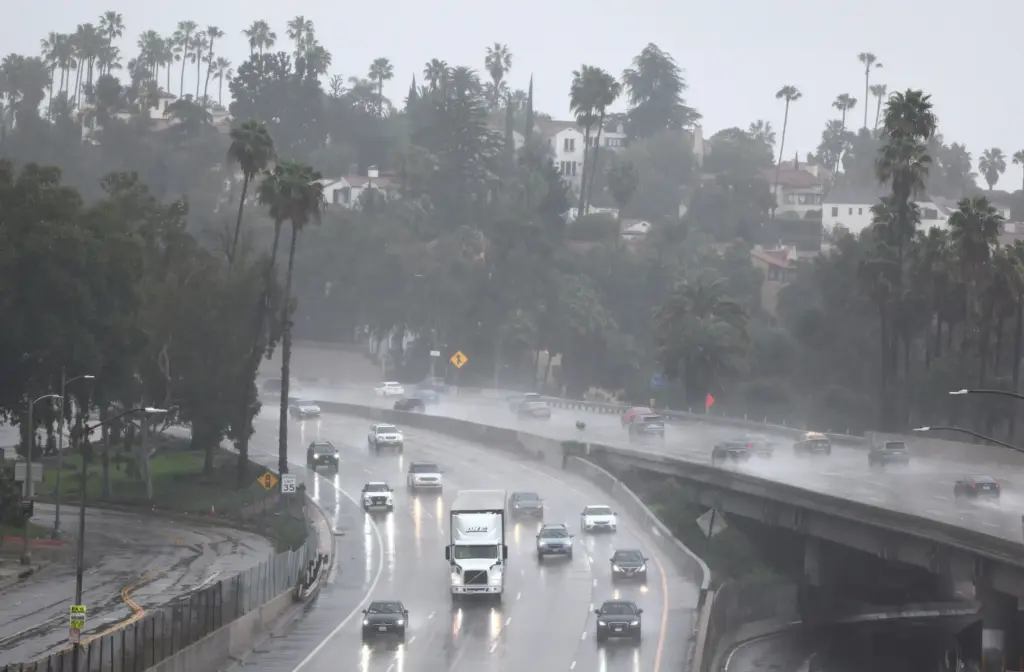
California rainstorms have a reputation for bringing dramatic changes to the landscape, but this season, they have wreaked havoc across the state. In recent weeks, heavy rain has triggered deadly California floods and dangerous mudslides, particularly impacting areas like Los Angeles. As the rain continues, officials have declared a state of emergency in California, urging residents to heed flood safety tips to protect themselves and their property. With up to 11 inches of rainfall recorded in certain regions, the heavy rain impacts have led to widespread evacuations and significant road closures. Californians must remain vigilant as these storms pose real threats to safety and infrastructures, making the understanding of flood risks crucial during such turbulent weather.
In the Golden State, severe wet weather systems have recently generated powerful rain events that are causing significant distress among communities. These torrential downpours have led to extensive flooding and landslides, affecting urban and rural areas alike. Residents in cities like Los Angeles are particularly on high alert as emergency declarations have been made to address the situation effectively. The combination of heavy precipitation and hilly terrains can lead to catastrophic consequences, requiring individuals to familiarize themselves with flood preparedness fundamentals. As California faces these challenging climatic conditions, awareness and proactive measures become essential to navigating the risks associated with such drastic weather changes.
Understanding the Impact of California Rainstorms
California rainstorms can have severe consequences, particularly when they bring heavy rainfall over short periods. During the recent incidents, torrential downpours resulted in significant flooding across various regions, specifically Los Angeles County, where some areas received up to 11 inches of rain. Such extreme weather events are often exacerbated by earlier conditions like drought or wildfires, which destabilize the landscape and increase the risk of mudslides and flash floods.
The devastating effects of these rainstorms were underscored by the incidents leading to fatalities and substantial community disruptions. At least three people lost their lives due to the storms, highlighting the critical nature of preparedness during such weather events. The declaration of a state of emergency by California officials is a necessary response to manage the risks associated with heavy rainfall and to mobilize resources for affected areas.
California Flood Safety Tips
When heavy rain is forecasted, being proactive about safety can significantly mitigate risks associated with flooding. Residents in flood-prone areas, particularly around Los Angeles, should have an emergency plan in place that includes preparation kits stocked with essential supplies like food, water, medical needs, and important documents. Regularly reviewing flood safety tips and local emergency protocols can enhance readiness for unexpected weather emergencies.
Additionally, staying updated through local news and official weather communications helps residents understand real-time risks and necessary precautions. For instance, understanding the signs of flash flooding and knowing safe evacuation routes can save lives during emergency situations, particularly where mudslides and water accumulation create dangerous conditions.
The Role of Atmospheric Rivers in California’s Weather
Atmospheric rivers are significant contributors to California’s heavy rainstorms, carrying large amounts of moisture from the tropics. These weather phenomena occur when narrow bands of concentrated moisture flow through the atmosphere, leading to intense precipitation upon landfall. The recent storms, identified as being linked to multiple atmospheric rivers, provided much-needed precipitation but also resulted in catastrophic flooding and mudslides, particularly in burn scar regions from previous wildfires.
Understanding the interplay between atmospheric river events and local topography is essential for stakeholders involved in flood management and emergency response. Addressing how these forces affect water systems can help California better prepare for such storms in the future and mitigate their impacts on communities.
Los Angeles Mudslides and Their Consequences
Mudslides are a frequent hazard in Los Angeles, especially following heavy rain events that can displace loose soil and debris. The recent rainstorms have highlighted this danger, as areas scarred by wildfire were particularly susceptible to landslides. For instance, in Altadena, mudslides occurred after intense rainfall, underscoring the vulnerability of regions affected by fire damage.
The consequences of mudslides extend beyond immediate property damage; they can disrupt transportation, obstruct access to essential services, and pose significant risks to human safety. Communities in Los Angeles must remain vigilant and informed about mudslide risks, particularly during peak storm seasons, to ensure proper preventive measures are enacted.
State of Emergency in California: Responses and Actions
The declaration of a state of emergency in California showcases the seriousness with which officials respond to natural disasters. In the wake of severe rainstorms, Governor Gavin Newsom’s decision to issue the emergency response underscores the urgency to mobilize resources for rescue operations and restoration efforts. This proactive measure allows local authorities to expedite assistance to communities most affected by flooding.
With over 100,000 residents experiencing power outages, the need for rapid infrastructure repair and support became immediate. Emergency services coordinated with local agencies to ensure that residents were evacuated from flood-prone areas and provided necessary aid. Such swift actions are critical to sustaining safety and mitigating further risks associated with the aftermath of heavy rain.
Flash Flooding Risks During Holiday Weather
Flash flooding represents one of the most dangerous outcomes of heavy rainfall, particularly during holiday periods when travel peaks. The recent storms in California amplified these risks, with flash flood warnings issued across various regions, including the San Francisco Bay area. Understanding the timing and potential for sudden flooding is vital during busy travel weeks, ensuring that families can plan accordingly.
Travelers should be aware of road conditions and access updated weather warnings to avoid getting stranded in flood zones. Preparing for holiday travel by checking weather forecasts and having contingency plans can greatly reduce dangers associated with flash floods. Local officials also play a crucial role in communicating safe travel information during such high-risk periods.
The Importance of Community Preparedness
Community preparedness is essential when facing the unpredictability of California’s weather patterns, especially during winter months impacted by severe rainstorms. Initiatives aimed at educating residents on flood safety tips and the importance of having emergency protocols in place can significantly enhance collective security. Neighborhoods should engage in discussions on preparedness during community meetings or through local outreach programs.
Moreover, organizing community drills can equip residents with the knowledge and skills needed to react effectively during emergencies. Empowering individuals with the right information helps foster a culture of safety, ensuring that when rainstorms strike, communities are both resilient and ready to face potential challenges together.
Long-Term Effects of Heavy Rain on California’s Ecosystem
The impact of heavy rain on California’s ecosystem can be both beneficial and detrimental. On one hand, much-needed rainfall replenishes water sources after prolonged droughts, aiding local agriculture and wildlife. On the other hand, excessive rainfall can lead to soil erosion, water contamination, and destruction of habitats, thereby destabilizing the local ecosystem for years to come.
The challenge lies in balancing the benefits of significant rainfall against the risks of flooding and mudslides. Conservation efforts and landscape management practices that focus on sustainability can help mitigate negative effects and harness the positive contributions of rainstorms, ultimately leading to more resilient ecosystems in the face of climatic variations.
Monitoring and Predicting Weather Patterns in California
Effective monitoring and prediction of weather patterns are vital for minimizing the impacts of heavy rain and associated flooding in California. The US Weather Prediction Center plays a crucial role in forecasting storms and flooding events, enabling residents to prepare adequately. Leveraging technology to provide real-time weather updates can equip communities with the knowledge to react swiftly and safely.
Investing in advanced meteorological research and technology is also essential for better understanding climate trends and preparing for future scenarios. Continuous improvements in forecasting models can lead to more accurate predictions, ultimately reducing the potential devastation caused by California’s heavy rainstorms and enhancing public safety.
Frequently Asked Questions
What should I know about California rainstorms and their potential impact on local communities?
California rainstorms can lead to severe weather conditions, resulting in flash floods and mudslides. Local communities, especially in areas like Los Angeles and San Bernardino County, should stay informed about ongoing weather alerts and evacuations. Heavy rainfall can cause rivers to overflow, leading to life-threatening situations and necessitating emergency responses.
How do California rainstorms lead to floods and mudslides in Southern California?
California rainstorms, particularly those from atmospheric rivers, can deposit significant amounts of rain in short periods, overwhelming drainage systems. In areas like Los Angeles, heavy rain can trigger mudslides, especially in wildfire-affected zones where vegetation has been removed, increasing flood risks and prompting emergency declarations across the state.
What precautions should I take during California rainstorms to ensure my safety?
During California rainstorms, it’s crucial to stay indoors if possible, avoid driving through flooded areas, and heed evacuation orders. Residents should prepare emergency kits, stay updated with local news on flood safety tips, and follow guidelines issued by public safety officials to mitigate risks associated with heavy rain impacts.
What is the current state of emergency for California due to rainstorms?
As of recent events, California Governor Gavin Newsom declared a state of emergency for several counties, including Los Angeles, due to persistent rainstorms causing floods and mudslides. This acknowledges the serious threat to public safety and allows for mobilization of state resources to assist impacted communities.
What are the dangers of mudslides in California rainstorms?
Mudslides during California rainstorms pose significant dangers to life and property, particularly in hilly or recently burned areas where the ground is unstable. They can occur rapidly, burying homes, blocking roads, and sometimes leading to injuries or fatalities. Residents in high-risk areas should stay informed and vigilant during severe weather.
How can I prepare for heavy rainstorms and potential flooding in California?
To prepare for heavy rainstorms and possible flooding in California, residents should create an emergency plan, maintain an emergency kit with essentials, and stay informed about weather warnings. Utilizing flood safety tips, like having an evacuation route and knowing the locations of community shelters, can enhance safety during unexpected severe weather events.
Why do California rainstorms often result in power outages?
California rainstorms, especially those with strong winds, can lead to power outages by knocking down trees and power lines. As seen recently, storms left tens of thousands of residents without power, demonstrating the storm’s strength and the likelihood of infrastructure disruption during severe weather events.
What are the recent statistics on casualties related to California rainstorms and flooding?
Recent California rainstorms have tragically resulted in several fatalities, including individuals affected by falling trees and flood-related incidents. Accurate statistics can vary based on the severity of the storms, but local officials continually assess and report on the impact to ensure public awareness and safety.
What role do atmospheric rivers play in California rainstorms?
Atmospheric rivers are critical to California rainstorms, transporting large amounts of moisture from the tropics and leading to intense rainfall. During significant storms, these phenomena can cause heavy precipitation, leading to floods and mudslides, which significantly impact areas like Los Angeles and beyond.
| Key Point | Details |
|---|---|
| Heavy Rainstorms | California experienced significant rainstorms leading to floods and mudslides. |
| Casualties | Three deaths were reported due to the storms as of Christmas night. |
| Affected Areas | Los Angeles County received up to 11 inches of rain, prompting emergency actions. |
| State of Emergency | Governor Gavin Newsom declared a state of emergency for affected counties. |
| Power Outages | Around 100,000 residents lost power due to the storm conditions. |
| Evacuations | Warnings were issued for residents in San Bernardino County. |
| Response Efforts | Emergency responders carried out rescues, including trapped individuals. |
| Weather Conditions | Wind speeds exceeded 100 mph in some areas, indicating severe conditions. |
| Impact of Wildfires | Mudslides occurred in areas that suffered from previous wildfires. |
Summary
California rainstorms have caused devastating effects across the state, resulting in floods and mudslides that have led to multiple fatalities and substantial property damage. Heavy rainfall has been recorded, particularly in Los Angeles County, prompting emergency actions and evacuations. The recent storms are part of a weather pattern characterized by atmospheric rivers, bringing significant moisture during a peak travel season, heightening the need for caution and safety among residents and travelers.