
Listen to this article
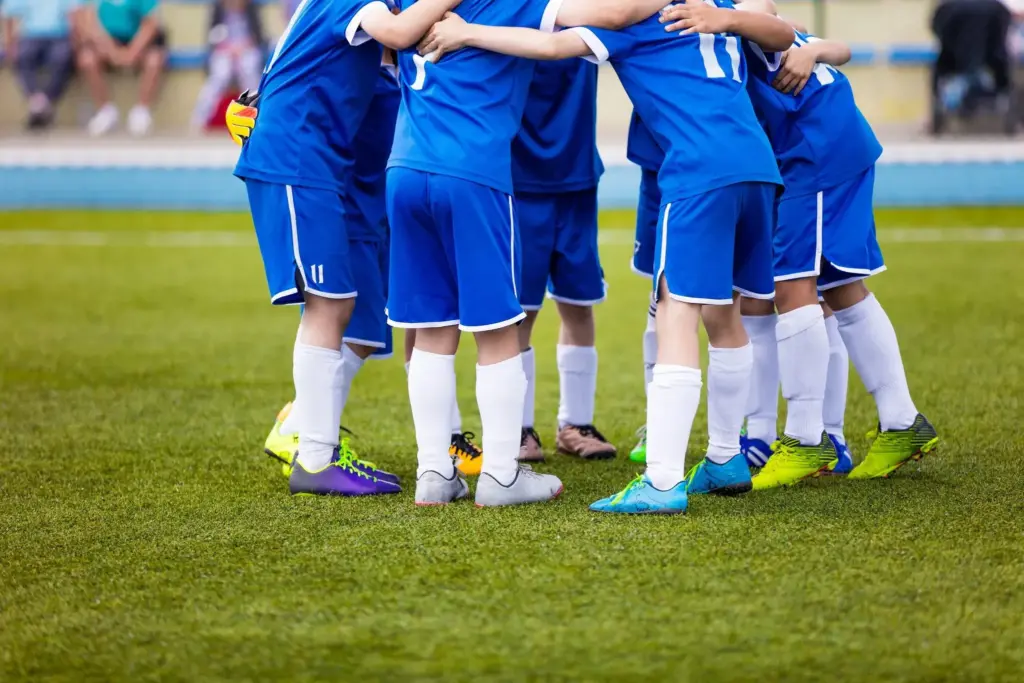
Youth participation in sport is crucial for fostering development and growth among young individuals. Beyond the thrill of competition, engaging in youth sports offers a myriad of benefits that enhance physical health, boost mental well-being, and promote social connections. The importance of sports for youth cannot be overstated; it serves not only as a platform for physical activity for children but also cultivates valuable life skills. Through team sports for youth, participants learn teamwork, resilience, and discipline, all vital for navigating the challenges of life. With each game played and goal achieved, youth engagement in sports lays the groundwork for lifelong positive habits and personal growth.
Engaging young individuals in athletic activities plays a significant role in their overall development and well-being. Activities related to sports for adolescents promote essential physical fitness, mental health benefits, and social interaction. The importance of organized sporting events extends beyond mere entertainment; they encourage youth to adopt active lifestyles while fostering camaraderie and teamwork. Furthermore, through participation in these activities, youth develop critical life skills such as leadership, time management, and resilience. As we recognize the value of athletic involvement, it becomes clear that fostering participation in sport is pivotal for nurturing healthy, well-rounded futures.
The Profound Benefits of Youth Sports Participation
Youth participation in sports has far-reaching implications that extend beyond just physical fitness. Engaging in sports fosters essential life skills such as teamwork, discipline, and resilience, which are necessary for personal growth. For instance, children who participate in team sports learn to work collaboratively towards a shared goal, helping them develop a sense of community and belonging. Additionally, the skills and experiences gained through sports can contribute to improved academic performance and enhanced interpersonal relationships.
Moreover, youth sports participation is linked to a decrease in obesity rates, as physical activity is a critical component of a healthy lifestyle. Regular involvement in sports not only encourages children to be active but also instills lifelong habits of fitness and health awareness. As youth engage in various sports, they become more adept at understanding the importance of physical activity for their overall well-being, which can set a precedent for healthier choices into their adult years.
Frequently Asked Questions
What are the benefits of youth participation in sport?
Youth participation in sport provides numerous benefits including improved physical health, enhanced mental well-being, and essential social skills. Engaging in sports helps combat childhood obesity, boosts self-esteem, and fosters teamwork, preparing young individuals for life beyond the playing field.
Why is youth sports important for mental health?
Youth sports participation is crucial for mental health as it provides a healthy outlet for stress and anxiety. Sports release endorphins that elevate mood and help adolescents develop resilience by managing wins and losses, contributing to improved emotional stability.
How does physical activity for children contribute to their development?
Physical activity through youth sports contributes significantly to children’s overall development. It enhances coordination, strength, and endurance, while also promoting a lifetime of healthy habits that reduce the risk of chronic diseases.
What role do team sports play in youth engagement?
Team sports play a vital role in youth engagement by fostering relationships, teaching cooperation, and improving communication skills. Participating in team sports encourages youth to work towards common goals, building camaraderie and a sense of belonging.
How can youth participation in sports improve social skills?
Youth participation in sports enhances social skills by providing opportunities for interaction and teamwork. Engaging with peers in sports settings helps children develop communication skills and build relationships that can extend beyond the sports field.
What skills can youth develop through participation in sports?
Youth can develop various skills through participation in sports such as leadership, time management, discipline, and commitment. Being part of a team teaches young athletes how to motivate others and balance multiple responsibilities effectively.
Why should communities support youth sports programs?
Communities should support youth sports programs because they contribute to healthier lifestyles, improved mental health, and social cohesion. Investing in these programs fosters the growth of young individuals and strengthens community ties.
How does participation in sports affect youth self-esteem?
Participation in sports positively influences youth self-esteem by providing a sense of achievement and belonging. Overcoming challenges in sports and receiving team support can significantly boost confidence and personal fulfillment.
What barriers exist to youth participation in sport?
Barriers to youth participation in sports include socioeconomic challenges, lack of facilities, and gender disparities. Addressing these issues is essential to ensure equitable access to sports opportunities for all young people.
How can families encourage youth participation in sports?
Families can encourage youth participation in sports by promoting an active lifestyle, providing access to sports programs, and supporting children in their sports endeavors. Engaging in family sports activities also reinforces the importance of physical activity.
| Key Points | Description |
|---|---|
| Importance of Youth Participation | Youth participation in sport fosters overall development and growth beyond physical activity. |
| Physical Health Benefits | Helps combat obesity, promotes cardiovascular health, and enhances muscular strength. |
| Mental Health Benefits | Relieves stress, boosts self-esteem, and develops resilience in youth. |
| Social Development | Teaches teamwork, communication skills, and helps build friendships. |
| Lifelong Skills Development | Cultivates leadership, time management, discipline, and commitment. |
| Barriers to Participation | Socioeconomic factors, access to facilities, and gender disparities impact youth participation. |
Summary
Youth participation in sport is a crucial element for comprehensive development and growth in young individuals. Engaging in sports not only improves physical health but also enhances mental well-being and fosters social skills that are vital for success in life. The diverse benefits, ranging from improved self-esteem to building lifelong relationships, positively influence the path toward becoming well-rounded adults. However, addressing barriers such as affordability and access to facilities is essential to ensure that every young person has the opportunity to participate. Prioritizing youth sports programs will ultimately lead to healthier individuals and stronger communities.

