
Listen to this article
Technology in sports enhancement is revolutionizing how athletes train and compete, making groundbreaking advancements that were once thought impossible. From wearable technology that monitors performance metrics to data analytics in sports that guides training regimens, innovations are transforming the athletic landscape. Athletes are now able to leverage tools such as biomechanics and performance analysis to refine their technique and reduce injury risks. Additionally, virtual reality training is providing immersive experiences that enhance skill acquisition and mental readiness. With advanced sports equipment designed for optimal performance, it’s clear that the future of athletics is increasingly intertwined with technology.
The evolution of athletic performance has been significantly influenced by technological advancements that are reshaping engagement in sports. Innovations such as fitness trackers and performance monitoring tools are increasingly integrated into training routines, allowing athletes to gain insights and optimize their performance. These modern advancements encompass various domains, including the use of biomechanical analysis to improve athletic movements and virtual training environments that simulate real-world conditions. Furthermore, sophisticated data analytics enable teams to make informed decisions that enhance strategic gameplay. As these technologies continue to develop, they promise to further elevate the standards of sporting excellence.
The Evolution of Wearable Technology in Sports
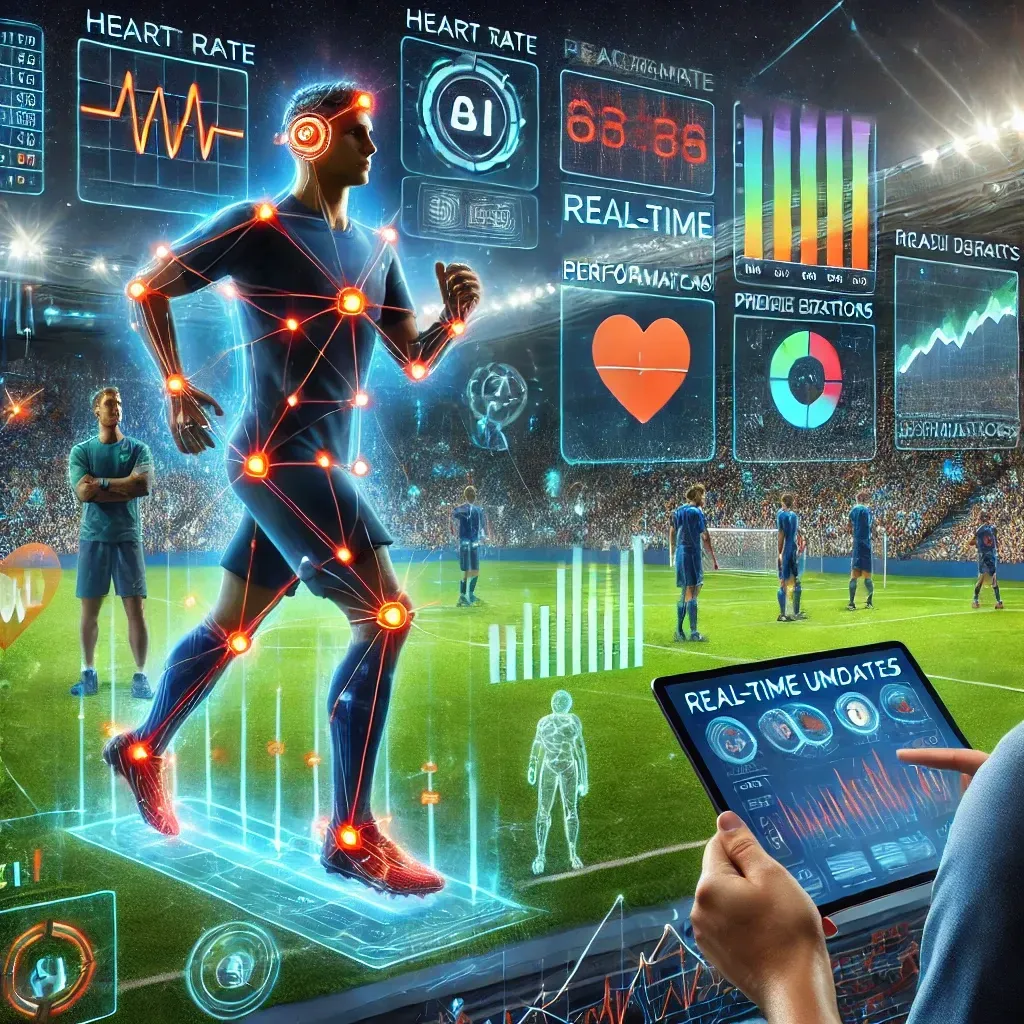
Wearable technology is revolutionizing the way athletes train and compete. From smartwatches to advanced fitness trackers, these devices are equipped with sensors that collect real-time data on various physical metrics, including heart rate, body temperature, and even blood oxygen levels. Athletes use this data to monitor their health status, assess their fitness levels, and track their training progress. Furthermore, the integration of wearable technology into training regimens promotes data-driven performance analysis, enabling athletes to make informed decisions about their workouts and recovery.
The continuous development of wearable technology has led to more sophisticated devices that provide insights into biomechanics and overall movement efficiency. For instance, smart garments can analyze body posture and technique, allowing athletes to refine their performance with precision. This evolution not only aids in achieving peak performance but also minimizes the risk of injuries, reassuring both athletes and coaches about training safety.
Integrating Biomechanics for Enhanced Performance
Biomechanics is an essential branch of science that focuses on the mechanical aspects of human motion. In the context of sports, applying biomechanical principles helps athletes optimize their movements to enhance performance and reduce the risk of injury. Utilizing tools such as motion capture technology and high-resolution video analysis enables coaches to scrutinize athletes’ techniques in minute detail. For example, through biomechanical analysis, coaches can identify inefficiencies in a runner’s stride or a swimmer’s stroke, leading to targeted improvements.
Moreover, biomechanical assessments provide invaluable data that informs training adjustments. By understanding how the body moves in relation to sports-specific tasks, athletes can implement tailored exercises that bolster strength and flexibility in areas that contribute to performance. This scientific approach empowers athletes to achieve optimal form and function, thus prolonging their careers and delivering consistent performances in competitions.
The Impact of Advanced Sports Equipment on Performance
Advanced sports equipment plays a pivotal role in the ongoing quest for enhanced athletic performance. Sporting goods manufacturers invest substantially in research and development to create innovative products that provide a competitive edge. For example, the use of cutting-edge materials in tennis rackets allows players to generate more power without compromising control. Similarly, advancements in cycling gear, such as aerodynamically designed helmets and lightweight frames, help athletes cut through wind resistance more effectively, improving speed and efficiency.
In addition to improved gear, the integration of technology in equipment design is changing the landscape of sports performance. High-tech swimwear made from hydrodynamic fabrics minimizes drag, enabling swimmers to achieve optimal glide through water. Such innovations illustrate the significant impact of advanced sports equipment on performance outcomes, inspiring athletes to push the boundaries of what is possible.
Data Analytics: Transforming Sports Performance Monitoring
Data analytics has emerged as a cornerstone in the world of sports, revolutionizing performance monitoring and athlete training. By analyzing vast amounts of data collected during training and competitions, coaches can pinpoint trends in an athlete’s performance, identify strengths, and weaknesses, and tailor training programs to enhance individual capabilities. This personalized approach helps athletes optimize their efforts and track improvements over time, ensuring they reach their full potential.
Moreover, data analytics not only aids in athlete training but also enhances team strategy and competition analysis. Coaches can employ statistical tools to assess opponents’ performance patterns, contributing to tactical decisions during games. The ability to predict outcomes based on data-driven insights represents a significant shift towards a more analytical approach in sports management and performance optimization.
Harnessing Virtual Reality for Training and Rehabilitation
Virtual reality (VR) is a groundbreaking technology that has transformed training methodologies for athletes in various sports. VR environments enable athletes to engage in realistic simulations that replicate high-pressure scenarios without physical risks. This innovative approach allows players to practice crucial skills such as decision-making, situational awareness, and response times in immersive settings, fostering deeper learning and retention.
In addition to training enhancements, VR has found a vital role in rehabilitation processes. Injured athletes can use VR systems to maintain engagement through decision-making exercises, preserving their sports-related skills while recovering. This technology not only aids in retraining motor skills but also helps athletes regain confidence before returning to competitive action.
Exploring the Future of Technology in Sports
The future of sports technology promises to be even more integrated and transformative. As innovations continue to emerge, we can anticipate the advent of new wearables that will capture even more precise data on performance and health metrics. Additionally, advancements in artificial intelligence may enhance how data is interpreted, providing actionable insights that were previously unattainable. This evolution underscores the growing reliance on technology to push the boundaries of athletic performance.
Furthermore, developments in material sciences are expected to lead to lighter, more durable sports equipment that enhances performance without compromising safety. The continuous intersection of technology with athletics not only augments training regimens but also redefines the competitive landscape. Thus, as technology advances, it’s crucial for coaches, athletes, and organizations to remain adaptable in their approaches to harness these tools effectively.
Ethical Considerations in Sports Technology
As technology continues to weave itself into the fabric of professional sports, ethical considerations become increasingly pertinent. The disparity in access to advanced technology and training resources between elite athletes and amateurs raises questions regarding fairness in competition. While cutting-edge equipment and analytics provide benefits to those who can afford them, it may inadvertently widen the gaps between athletes of different socioeconomic backgrounds.
In addition, the potential for technology to enhance performance raises concerns about the integrity of competition. Regulatory bodies must establish clear guidelines to ensure that innovations do not violate ethical standards or the spirit of sport. Striking a balance between embracing technological advancements and maintaining a level playing field requires ongoing dialogue and oversight, ensuring that sports remain competitive and fair for all.
The Influence of Data Analytics on Team Strategy
In modern sports, data analytics serve as a critical component in shaping team strategy and performance. Coaches leverage comprehensive performance data to develop strategies that maximize athletes’ strengths and exploit opponents’ weaknesses. By analyzing player statistics, game footage, and performance trends, teams can refine their tactical approaches, tailoring their game plans to effectively counter different styles of play.
The strategic implementation of data analytics extends beyond immediate game plans; it contributes to long-term athlete development as well. With intricate analysis of players’ performances over time, teams can identify patterns that inform recruitment decisions and investment in player development. Thus, data analytics forms the bedrock of a disciplined, informed approach to building competitive teams that thrive in the dynamic landscape of sports.
Maximizing Training Efficiency Through Technology
The convergence of innovative technologies in sports training enables athletes to maximize their efficiency and effectiveness during practice sessions. With tools such as motion analysis software and wearable devices, athletes can receive immediate feedback about their performance, allowing for real-time adjustments that enhance skill development. This feedback loop is crucial for nurturing talent and refining techniques, promoting continuous improvement.
Moreover, technology offers tailored training regimens based on individual athlete data, ensuring that each training session is uniquely beneficial. Coaches can analyze metrics from wearable technology to adjust workloads and recovery strategies effectively, reducing the risk of overtraining while optimizing performance gains. Investing in this data-driven approach strengthens athletes’ training routines, ultimately leading to peak performance at crucial moments.
Frequently Asked Questions
How does wearable technology improve performance analysis in sports?
Wearable technology enhances performance analysis in sports by providing real-time data on an athlete’s physiological metrics, such as heart rate and energy expenditure. This data enables coaches and athletes to tailor training regimens, optimize recovery, and monitor health metrics, significantly improving overall performance.
What role do biomechanics play in sports enhancement technology?
Biomechanics is crucial in sports enhancement technology as it studies the mechanical aspects of movement. By utilizing advanced motion analysis and sensor technologies, athletes can refine their techniques for better efficiency and reduced injury risk, ultimately leading to improved performance in their respective sports.
How can data analytics in sports benefit athletes’ training?
Data analytics in sports benefits athletes by providing insights into performance trends, training load, and injury prevention. By analyzing these data points, coaches can create personalized training programs that cater to an athlete’s specific needs, enhancing their overall training effectiveness and competitiveness.
In what ways is advanced sports equipment impacting athletic performance?
Advanced sports equipment impacts athletic performance by utilizing innovative materials and designs that improve efficiency, strength, and control. For instance, high-tech tennis rackets or aerodynamic bikes help athletes perform better by optimizing their physical capabilities and reducing barriers to peak performance.
What are the benefits of virtual reality training for athletes?
Virtual reality training offers athletes the chance to simulate competitive scenarios, improving their decision-making, situational awareness, and technical skills in a risk-free environment. Additionally, VR can aid in rehabilitation, helping athletes regain confidence and skills during their recovery.
How does sports technology influence injury prevention?
Sports technology influences injury prevention through biomechanical analysis and data analytics, allowing athletes to monitor their movements and performance metrics. Identifying inefficiencies and fatigue patterns helps coaches adjust training to minimize injury risks effectively.
What methods are used in performance analysis through biomechanics?
Performance analysis through biomechanics employs motion capture technology, high-speed video analysis, and wearable sensors to track and evaluate an athlete’s motions. These methods help coaches and athletes understand and improve movement mechanics, enhancing performance and safety.
How does data analytics in sports aid in game strategy?
Data analytics in sports aids game strategy by evaluating player performance and opponent tendencies through statistical analysis. Coaches can use insights from data to formulate tactical decisions during games, improving the team’s overall competitive edge.
Why is the ethical use of technology in sports enhancement important?
The ethical use of technology in sports enhancement is essential to maintain fairness in competition. As technological advancements could potentially create disparities between athletes, it is vital to ensure that innovations comply with regulations and uphold the integrity of sports.
How can athletes benefit from incorporating virtual reality into their training routines?
Athletes benefit from incorporating virtual reality into their training routines by engaging in immersive practice scenarios that enhance skill acquisition, decision-making, and tactical awareness. This innovative approach allows them to experience competitive pressure while minimizing physical strain.
| Key Points | Details |
|---|---|
| Wearable Technology | Devices such as fitness trackers, smartwatches, and advanced sensors that provide real-time data on performance metrics. |
| Biomechanics and Motion Analysis | Study of movement efficiency using technologies like motion capture, allowing for performance optimization and injury prevention. |
| Innovative Sports Equipment | Advances in gear performance, such as lightweight tennis rackets and aerodynamic cycling gear, enhance athletic efficiency. |
| Data Analytics | Utilizing data to track performance, create tailored training regimens, and optimize game strategies through statistical analysis. |
| Virtual Reality Training | Simulations of competitive scenarios for skill practice without physical risks, beneficial for training and rehabilitation. |
| Ethical Considerations | Issues of fairness and accessibility in technology use among athletes, alongside adherence to sports regulations are crucial. |
Summary
Technology in Sports Enhancement is revolutionizing the world of athletics by integrating advanced tools and methodologies that improve performance and training efficiency. From wearable devices that allow athletes to monitor their performance in real-time to sophisticated data analytics that customize training programs, the impact of technology is profound. Moreover, innovations in equipment design, such as enhanced sports gear for better performance, and VR training simulations are setting new standards in athletic preparation and recovery. Although technological advancements bring incredible opportunities, they also present ethical challenges regarding fairness and accessibility in sports, emphasizing the need for balanced integration in competitive environments. As technology continues to evolve, its influence on sports will redefine the boundaries of human performance.

