
Listen to this article
Mental health and sports intersect in remarkable ways, highlighting the powerful influence physical activity can have on our emotional well-being. Numerous studies on the impact of sports on mental health illustrate how engaging in physical activities can decrease anxiety, boost self-esteem, and enhance overall mood. The benefits of sports for mental health extend beyond mere exercise; they include improved social connections and a profound sense of achievement. Through sports therapy, individuals can experience transformative effects, harnessing exercise and mental well-being to cope with stress and emotional challenges. This article explores these dynamics, offering insights into how participation in sports can not only improve physical health but also bolster mental and emotional resilience.
The relationship between athletic activity and psychological wellness is increasingly recognized in contemporary discourse. Many individuals have turned to physical engagement as a means to uplift their spirits and combat mental health struggles. The therapeutic advantages associated with sports, such as fostering community bonds and enhancing self-worth, have sparked interest in exploring the realm of fitness as a holistic approach to well-being. In particular, concepts like mindfulness through sports have gained traction, emphasizing the importance of being present and focused during physical exertion. This exploration seeks to underscore the significance of incorporating sports as a vital element in improving one’s mental state and overall quality of life.
The Transformative Power of Sports on Mental Well-Being
In recent years, there has been growing interest in the transformative effects of sports on mental well-being. Engaging in sports not only facilitates physical fitness but also plays a critical role in enhancing one’s mental health. Through regular participation in sports, individuals can experience a significant reduction in stress levels, increased feelings of happiness, and improved emotional health. The act of exercising leads to the release of endorphins, which are hormones responsible for triggering positive feelings in the body.
Furthermore, the transformative power of sports extends beyond mere physical activity. Many athletes report a profound change in their outlook on life and increased resilience against mental health challenges. The discipline, focus, and commitment required to excel in sports can foster a strong sense of purpose, which is vital for mental well-being. Engaging in sports promotes a lifestyle centered around health, positivity, and social engagement, further enhancing mental resilience.
Frequently Asked Questions
What is the impact of sports on mental health?
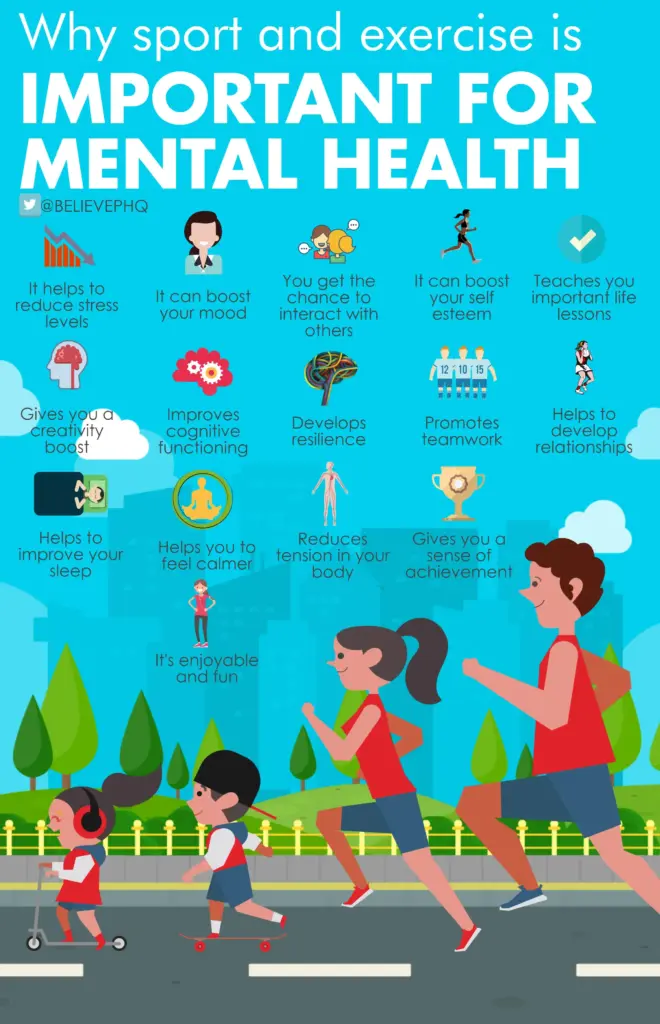
The impact of sports on mental health is profound. Engaging in sports regularly boosts mood by releasing endorphins, alleviates anxiety and depression symptoms, and improves overall mental well-being. Furthermore, physical activity fosters social connections and boosts self-esteem, contributing to a healthier mental state.
What are the benefits of sports for mental health?
The benefits of sports for mental health include enhanced mood, reduced stress and anxiety, improved self-esteem, and stronger social bonds. Participating in sports can lead to personal achievements that bolster confidence and provide a sense of belonging, all of which contribute positively to mental health.
How does sports therapy improve mental well-being?
Sports therapy improves mental well-being by incorporating physical activity into therapeutic practices. It helps individuals cope with anxiety and depression through structured exercise, motivating recovery, and providing emotional outlets. This form of therapy promotes physical fitness, reinforcing a positive routine that enhances mental stability.
Can exercise and mental well-being be linked?
Yes, exercise and mental well-being are closely linked. Regular physical activity through sports can lead to better emotional health by reducing anxiety and enhancing mood. It also plays a crucial role in improving cognitive functions, allowing for more effective stress management and emotional regulation.
How do sports and self-esteem correlate?
Sports and self-esteem are correlated as engaging in physical activities often leads to improved self-image and confidence. Achieving personal or team goals in sports fosters a sense of accomplishment, reinforcing an individual’s self-worth and resilience against mental health challenges.
What role does mindfulness through sports play in mental health?
Mindfulness through sports involves concentrating on the present moment while participating in activities. This practice can alleviate racing thoughts and negative emotions, enhancing emotional regulation and clarity. Mindfulness nurtured in sports creates a positive mental state and reduces stress levels.
How do social connections from sports enhance mental health?
Social connections from sports enhance mental health by reducing feelings of loneliness and promoting a sense of community. Team sports, in particular, foster friendships and support networks, essential for emotional resilience, which can counteract mental health issues.
Is there a connection between sports and academic performance?
Yes, there is a strong connection between sports and academic performance. Regular participation in sports enhances cognitive functions, such as concentration and memory, which improves academic results. Better performance in school can also elevate self-esteem, supporting overall mental health.
What types of mental health issues can be addressed through exercise-based therapy?
Exercise-based therapy, including sports, has been shown to effectively address mental health issues such as anxiety and depression. It serves as a motivational tool, encouraging individuals to engage in healthy behaviors that can significantly improve their emotional well-being.
How can someone get started with sports for mental health benefits?
To get started with sports for mental health benefits, choose an activity that interests you, whether it’s team sports or individual exercises. Begin gradually by setting realistic goals, participating consistently, and seeking social support through community groups or clubs to enhance the overall experience.
| Key Points | Details |
|---|---|
| Physical Activity and Its Link to Mental Health | Regular sports participation can significantly reduce anxiety and stress, enhances mood via endorphin release, and improves sleep quality, boosting mental health. |
| Social Connections through Sports | Participating in team sports creates a sense of community, improves social skills, and offers emotional support which combats loneliness and isolation. |
| Boosting Self-Esteem and Confidence | Achieving goals in sports enhances feelings of achievement and increases self-esteem, contributing to better mental well-being and resilience. |
| Mindfulness and Focus | Sports require concentration, providing a distraction from stress, and enhancing emotional regulation and clarity through mindfulness practices. |
| Sports as Therapy | Sports can serve as a therapeutic tool, facilitating recovery from mental health issues and offering a positive routine that enhances stability. |
| Academic and Work Performance Enhancements | Regular sports participation enhances cognitive functions, leading to better academic and work performance, ultimately reducing stress and boosting job satisfaction. |
Summary
Mental health and sports are intrinsically linked, showcasing how physical activity significantly enhances mental well-being. Engaging in sports not only promotes physical fitness but also plays a crucial role in reducing symptoms of anxiety and depression, fostering social connections, boosting self-esteem, and enhancing overall emotional resilience. The benefits of sports extend beyond individual health, impacting social dynamics and improving cognitive performance, which can lead to better outcomes in academics and the workplace. Thus, integrating sports into one’s lifestyle is a powerful strategy for anyone aiming to improve their mental health.

