Listen to this article
Sportsmanship is an essential quality that embodies respect, fairness, and integrity, transcending the boundaries of athletic competitions. Its importance in today’s competitive world cannot be understated, extending beyond the sports field to impact our professional and personal lives. Practicing good sportsmanship fosters healthy relationships and character development, highlighting the significance of respect in sports, business, and everyday interactions. This blog will explore the critical role sportsmanship plays in shaping our social fabric, its relevance for youth development, and how we can embody these values in various arenas. By nurturing sportsmanship, we not only enhance our own character but also contribute positively to our communities.
The concept of fair play is pivotal in numerous endeavors, representing a set of principles that guide interactions in competitive environments, whether in sports or beyond. Upholding values like respect, ethical behavior, and camaraderie is crucial across different situations, including business negotiations and educational settings. The essence of respecting opponents and cooperating towards mutual growth reflects the broader implications of sportsmanship values. Character development flourishes when individuals embody these ideals, fostering a positive atmosphere that encourages collaboration rather than rivalry. Hence, embracing principles akin to sportsmanship can significantly affect how we engage with others, enhancing social dynamics and community relations.
The Fundamental Values of Sportsmanship
Sportsmanship is founded on several core values that shape an individual’s character both on and off the field. Respect is one of the most important tenets; it provides the foundation for fair play and acknowledgment of opponents’ efforts. In any competitive environment, respecting rivals helps foster healthy relationships that encourage mutual growth. Integrity, another vital value, ensures that all participants adhere to established rules and policies, making the competition fair and enjoyable for everyone involved. Without these fundamental principles, the essence of sportsmanship is lost, and the spirit of competition deteriorates.
In addition to respect and integrity, graciousness characterizes true sportsmanship. This means celebrating victories without arrogance and accepting defeats with humility. Individuals who embody graciousness manage to uplift others, creating a positive environment where everyone involved can thrive. The significance of these values extends beyond sports; they form the backbone of ethical interactions in all areas of life, including business and personal relationships. By internalizing these core values, individuals not only enhance their performance in sports but also contribute to a more respectful and ethical world.
Sportsmanship in Business and Professional Settings
Applying the principles of sportsmanship in business can transform workplace dynamics and promote a culture of collaboration. Just as athletes respect their opponents, business professionals should recognize competitors’ strengths and initiatives. This acknowledgment can lead to partnerships instead of rivalries, fostering innovation and growth. By maintaining integrity in business practices, professionals build trust with clients and colleagues, which is essential for long-term success. Upholding sportsmanship ensures that ethical standards are met, ultimately enhancing the workplace atmosphere and improving overall morale.
Furthermore, sportsmanship in corporate environments encourages healthy competition, where employees strive for excellence while supporting each other. This cooperative spirit can lead to higher productivity and job satisfaction, creating a more engaging workplace. For example, recognizing team members for their efforts in achieving common goals is a direct reflection of sportsmanship. By championing ethical approaches, companies cultivate environments where individuals feel valued, boosting retention rates and attracting talent. In this sense, sportsmanship becomes a vital strategy for sustainable business growth.
Character Development Through Sportsmanship
Engaging in sportsmanship is a powerful tool for character development, particularly in youth. Through sports, children learn essential life skills such as teamwork, perseverance, and respect for others. Practicing sportsmanship enables young athletes to experience success and failure in a safe environment, teaching them how to handle both graciously. This process builds resilience as they understand that losing can be as informative as winning, thus shaping their character for future challenges in life beyond sports.
Moreover, sportsmanship promotes emotional intelligence among youth, as they learn to empathize with teammates and opponents. This emotional awareness is crucial for developing healthy relationships and effective communication skills. Young athletes who practice sportsmanship are more likely to show kindness and fairness in all their interactions, whether in school, at home, or within their communities. Additionally, youth who embody these values will carry them into adulthood, thereby nurturing a more compassionate society.
Respect in Sports: A Cornerstone of Fair Play
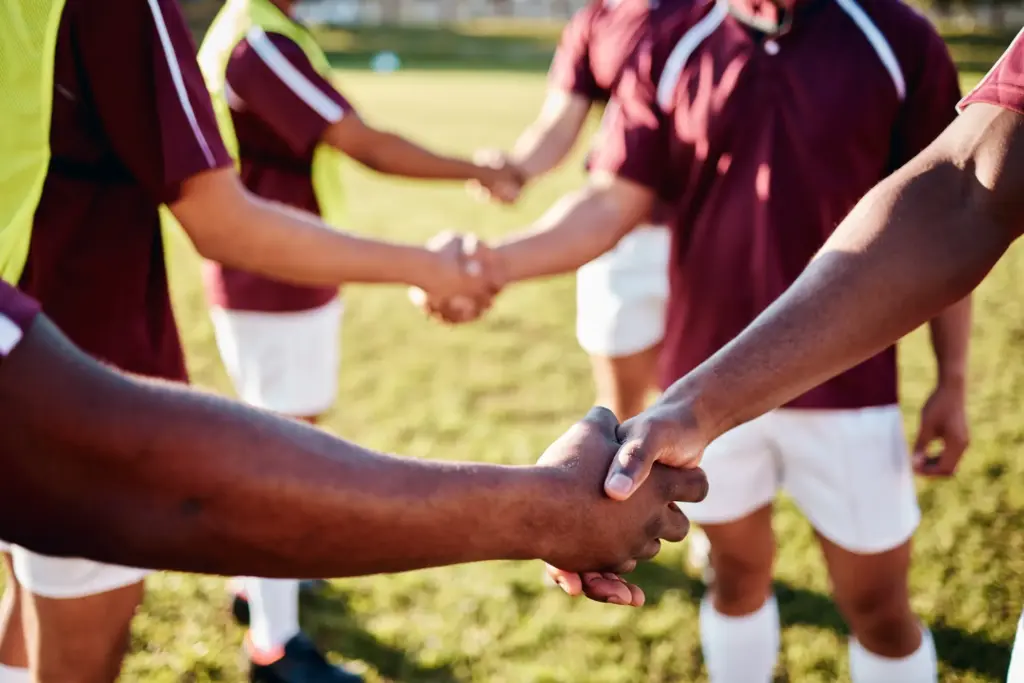
Respect is a cornerstone of sportsmanship, playing a vital role in establishing a fair competition framework. Athletes who respect their opponents demonstrate maturity and a deeper understanding of the game. This mutual respect not only enhances the competitive spirit but also promotes a positive atmosphere where everyone can enjoy the experience. When respect is prioritized, it diminishes the likelihood of conflicts and enhances cooperation, ensuring that all participants can thrive.
In addition, fostering respect in sports reflects the broader societal values of tolerance and inclusivity. Athletes who appreciate the efforts of their rivals contribute to a culture that values sportsmanship over winning at all costs. This respectful mindset nurtures a sense of belonging among competitors and fans alike. By instilling the principle of respect in sports, organizations and coaches can create an environment that celebrates ethical competition and inspires future generations to uphold these ideals in all aspects of life.
Emphasizing Sportsmanship for Youth Development
Promoting sportsmanship among youth is fundamental for their personal and social development. By integrating sportsmanship principles into youth sports programs, coaches teach children the importance of fairness, respect, and ethical behavior. These lessons resonate well beyond the playing field, offering young people skills that will benefit them throughout their lives. For instance, children learn to handle challenges with dignity, whether achieving success or facing setbacks, preparing them for future endeavors.
Additionally, when sportsmanship is prioritized in youth activities, it fosters a sense of community and belonging. Young athletes discover the significance of working together towards collective goals, creating friendships based on mutual respect and support. This supportive atmosphere is crucial for building self-esteem and confidence, encouraging youth to become active and engaged citizens. The cultivation of sportsmanship among young people lays the foundation for future leaders who value integrity and respect in every aspect of their lives.
Integrating Sportsmanship into Educational Systems
Educational institutions play a pivotal role in shaping values related to sportsmanship among students. Integrating sportsmanship into school curriculums promotes ethical behavior, respect for others, and critical thinking. Schools can teach these principles not only in physical education classes but also in academic settings. Encouraging discussions about integrity and collaboration in group projects helps students appreciate diverse perspectives and develop social skills necessary for their future.
Furthermore, by organizing competitions and emphasizing the importance of sportsmanship, schools can create an environment that celebrates positive behavior. Events that reward teams not just for victory but also for demonstrating respect, cooperation, and fairness help reinforce these values. As students engage in competitive activities while adhering to sportsmanship principles, they develop a sense of social responsibility that extends beyond the classroom. Ultimately, fostering sportsmanship within educational systems nurtures ethical individuals prepared to contribute positively to society.
Cultivating Sportsmanship Through Community Engagement
Community involvement is a powerful vehicle for promoting sportsmanship at a grassroots level. Local sports clubs and organizations can create programs that encourage ethical play and respect among participants of all ages. Workshops and community events can center around discussions related to sportsmanship, allowing individuals to share experiences and learn from one another. This collective engagement cultivates an environment of inclusivity and understanding, strengthening community bonds.
Additionally, celebrating acts of good sportsmanship within the community showcases the importance of these values. Highlighting positive behaviors, such as athletes helping opponents, fosters a culture where respect is valued above winning. Community leaders can organize recognition events that honor individuals or teams exemplifying sportsmanship. By emphasizing these moments, communities encourage future behavior that aligns with the principles of fairness and respect, creating a more unified environment.
The Role of Coaches in Promoting Sportsmanship
Coaches play a crucial role in instilling the values of sportsmanship in their athletes. Their influence extends beyond technical skills, as they are responsible for shaping the character of young competitors. Coaches who prioritize sportsmanship cultivate a culture in which players learn to appreciate their opponents and play fair. By modeling respectful behavior and providing guidance on ethical decision-making, coaches lay the groundwork for successful athletes who also become respectable citizens.
Moreover, coaches can implement specific training sessions focused on sportsmanship, encouraging athletes to engage in discussions about ethical conduct in sports. Through role-playing scenarios or reflections on personal experiences, athletes can gain a deeper understanding of the importance of these values. When coaches emphasize sportsmanship as a core principle, they help athletes recognize its significance not only in sports but also in their daily lives, promoting a culture of respect and integrity.
Celebrating Exemplary Sportsmanship in Sports and Beyond
Recognizing acts of exemplary sportsmanship is essential for reinforcing positive behavior among athletes. Celebrating these moments inspires others to emulate such actions, fostering a culture of respect and cooperation. Many organizations, both in sports and in the broader community, have initiated awards and recognition programs that highlight individuals or teams that demonstrate outstanding sportsmanship. Such initiatives not only validate the efforts of those who lead by example but also encourage a shift in focus from purely winning to valuing ethical conduct.
Incorporating sportsmanship awards in competitive events can serve as motivation for participants to engage in fair play and mutual respect. When athletes see their peers being recognized for their positive behavior, it generates a desire to conduct themselves similarly. This celebration of values helps elevate the significance of sportsmanship, encouraging a balanced and enjoyable competitive spirit. Ultimately, celebrating exemplary sportsmanship contributes to a thriving culture where integrity, kindness, and respect reign supreme across all realms of life.
Frequently Asked Questions
What is the importance of sportsmanship in sports?
The importance of sportsmanship in sports lies in its ability to uphold values like fairness, respect, and integrity. It promotes healthy competition and creates a positive environment where athletes can grow, learn, and enjoy their sport, regardless of winning or losing.
How does sportsmanship contribute to character development in youth?
Sportsmanship significantly contributes to character development in youth by teaching essential life skills such as resilience, teamwork, and respect for others. Emphasizing these values helps young individuals grow into respectful and responsible adults.
What role does respect in sports play in fostering teamwork?
Respect in sports is crucial for fostering teamwork as it encourages collaboration, communication, and mutual support among team members. When athletes respect one another, it leads to a more cohesive unit that works together towards common goals.
How can sportsmanship influence business relationships?
Sportsmanship can positively influence business relationships by promoting collaboration over competition. Upholding values like respect and integrity in business interactions creates a more congenial work environment and fosters better partnerships.
What are some examples of sportsmanship for youth?
Examples of sportsmanship for youth include congratulating opponents after a game, playing fairly without cheating, helping injured players, and showing humility during wins and losses. These actions instill respect and ethical behavior in young athletes.
Why is teaching the importance of sportsmanship vital in schools?
Teaching the importance of sportsmanship in schools is vital as it instills values of respect, integrity, and fairness in students. Such teachings create a supportive learning environment where students can thrive academically and socially.
How can adults model sportsmanship for younger generations?
Adults can model sportsmanship for younger generations by demonstrating respectful behavior during competitive events, acknowledging others’ efforts, and discussing the significance of fair play and ethical conduct in personal and professional settings.
What are the benefits of sportsmanship for community building?
The benefits of sportsmanship for community building include fostering unity among community members, encouraging ethical behavior in local sports, and creating a positive atmosphere that attracts participation and engagement in community activities.
How does sportsmanship impact emotional well-being?
Practicing sportsmanship positively impacts emotional well-being by reducing stress and conflict. By fostering mutual respect and support among individuals, it promotes a more positive outlook and emotional intelligence.
What strategies can be employed to cultivate sportsmanship in competitive settings?
Strategies to cultivate sportsmanship in competitive settings include setting clear expectations for behavior, celebrating acts of good sportsmanship, incorporating sportsmanship awards, and facilitating discussions on integrity and respect among participants.
| Aspect | Explanation |
|---|---|
| Definition | The ethical and moral dimensions of sports, encompassing values such as fairness, respect, and integrity. |
| Respect for Opponents | Recognizing the efforts and skills of competitors fosters a positive environment. |
| Graciousness | Humility in victory and grace in defeat enhance relationships and respect. |
| Integrity | Adhering to the rules reflects ethical conduct, strengthening individual character. |
| Application in Business | Upholding sportsmanship principles leads to collaboration and a positive work environment. |
| Application in Education | Encourages respect and cooperation among students, enhancing the learning experience. |
| Application in Personal Relationships | Mutual respect fosters strong bonds and conflict resolution. |
| Character Development | Increases resilience, patience, and the ability to deal with adversity. |
| Emotional Well-being | Fostering respect contributes to decreased stress and conflict, enhancing overall well-being. |
| Community Building | Valuing sportsmanship leads to thriving communities united by ethical play. |
Summary
Sportsmanship is a crucial concept that extends beyond the realm of athletics into all aspects of life. It encompasses values like integrity, respect, and graciousness, which hold significant importance in today’s competitive landscape. By embracing sportsmanship, individuals can improve their relationships, create healthier environments, and foster personal growth. This culture of respect and camaraderie not only enhances the quality of sports but also enriches our daily interactions and objectives, contributing to a more harmonious society.