
Listen to this article
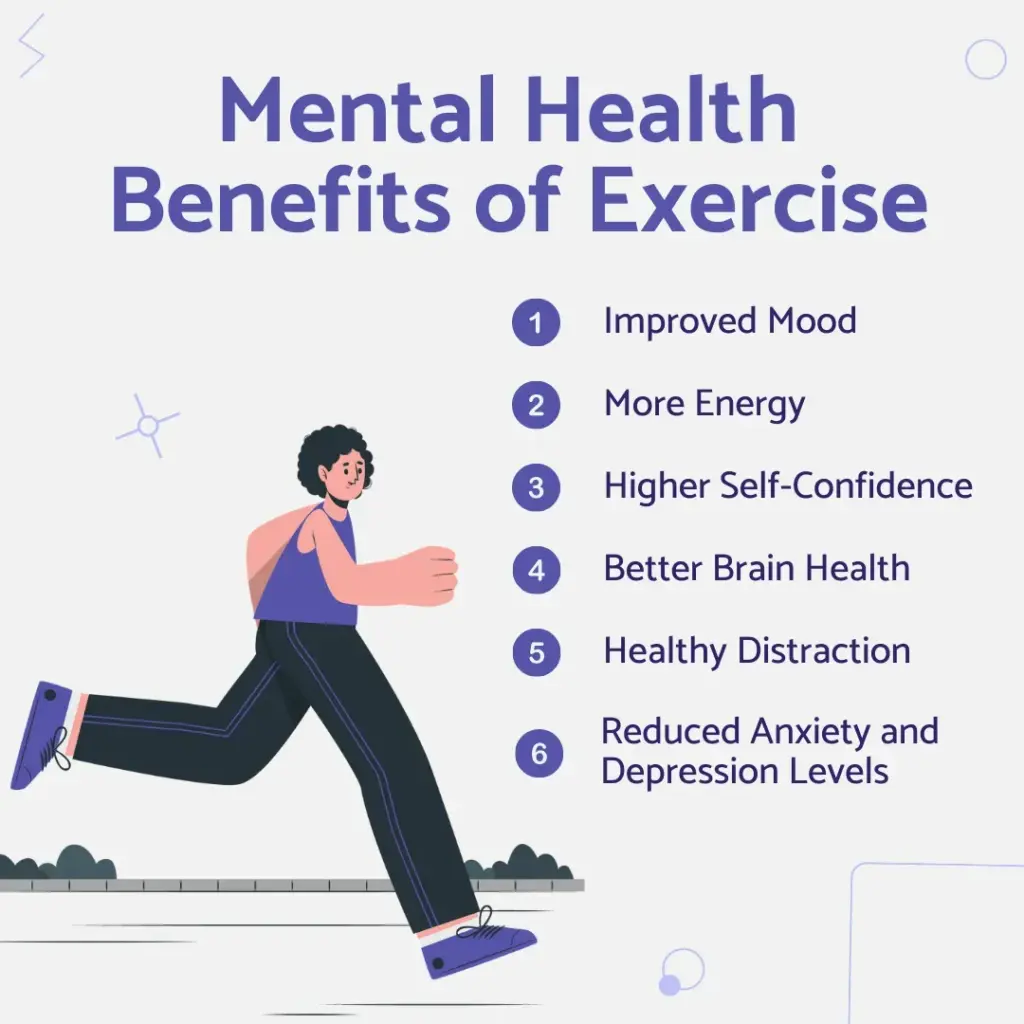
Physical activity is not only crucial for physical fitness but also plays a significant role in enhancing mental health. Engaging in regular exercise provides numerous exercise benefits for mental health, including the release of endorphins that elevate mood and alleviate stress. Research highlights how stress relief physical activity can combat anxiety and depression, improving overall emotional well-being. Additionally, social interaction through exercise, such as group workouts or team sports, fosters meaningful connections that can diminish feelings of isolation. For those seeking a holistic approach to well-being, finding ways to incorporate aerobic exercise and mental health strategies into daily life is essential.
The importance of movement for emotional wellness cannot be overstated. Activities that increase heart rate and promote social engagement, such as dancing, swimming, or participating in a fitness class, contribute significantly to psychological resilience. Not only does exercise improve mood through physiological changes in the brain, but it also helps build valuable social connections that are fundamental for happiness. Understanding how active lifestyles enhance emotional health encourages individuals to prioritize physical engagement as a means to achieve better mental clarity and stability. As research continues to affirm these connections, integrating physical activity with mental health practices is becoming a vital part of personal wellness strategies.
The Link Between Physical Activity and Mental Well-Being
Physical activity is fundamentally intertwined with mental well-being, serving as a powerful antidote to various psychological issues. Engaging in regular exercise releases endorphins, neurotransmitters that enhance mood and foster a sense of happiness. Studies suggest that just a single session of aerobic activity can lead to immediate mood improvements, illustrating how exercise can act as a quick fix to feelings of anxiety or depression. Moreover, the continuous practice of physical activity has been shown to sustain these benefits, contributing to long-term improvements in mental health.
In essence, physical activity acts as a natural antidepressant. Activities like jogging, cycling, or swimming not only get the body moving but also stimulate brain functions that can delay the onset of mental decline and alleviate symptoms of anxiety and stress. Understanding this connection between physical exercise and mental health highlights the importance of integrating regular activity into our daily lives. Whether it’s a brisk walk in the park or a full workout session, the impact on mental well-being is profound and far-reaching.
Boosting Mood Through Exercise Benefits
Numerous studies affirm the direct correlation between exercise and mood enhancement. When we engage in physical activity, our bodies release endorphins, often dubbed ‘happy hormones,’ which act as natural mood lifters. The more intense the exercise, the more endorphins are released, leading to that euphoric feeling often referred to as the ‘runner’s high.’ This biochemical response not only uplifts mood momentarily but also plays a long-term role in reducing the symptoms of anxiety and depression.
Additionally, focusing on multi-purpose exercises that incorporate both cardio and strength training can yield even greater benefits for emotional health. Aerobic exercises specifically have been linked to increased serotonin levels in the brain, which plays a crucial role in regulating mood. As such, incorporating a variety of exercises into one’s routine can help stabilize mood and provide a comprehensive boost to mental health.
Stress Relief Through Physical Activity
Stress relief is one of the most recognized benefits of engaging in physical activity. When we experience stress, our bodies produce cortisol, a hormone that, in elevated levels, can negatively affect our mental health. Regular physical exercise is a highly effective way to manage stress because it helps reduce cortisol levels significantly, leading to a calmer state of mind. Engaging in activities such as running, swimming, or yoga not only alleviates stress but also equips individuals with better coping mechanisms.
Moreover, physical activity provides a constructive outlet for frustration and anxiety, allowing individuals to channel their feelings into something productive. The rhythmic nature of exercises, especially those practiced in a group setting, can foster feelings of community and support, further alleviating stress. Thus, incorporating physical activity into daily routines can serve as a strong buffer against the pressures of everyday life.
The Role of Social Interaction in Exercise
Social interaction can significantly enhance the mental health benefits obtained from physical activity. Participating in team sports or group classes creates opportunities for social connection, which helps to alleviate feelings of isolation and loneliness. These social bonds are vital in fostering a supportive environment that encourages not only personal growth but also emotional resilience. Engaging with others during exercise can lead to increased motivation and accountability, making the overall experience more enjoyable.
Additionally, interpersonal connections formed through shared physical activities can serve as a protective factor against mental health challenges. The camaraderie established in group sports or fitness classes can enhance a sense of belonging and community, which is crucial for maintaining mental health. As such, the benefits of exercise indirectly extend beyond physical advantages, significantly nurturing emotional well-being through social engagement.
Aerobic Exercise’s Impact on Mental Health
Aerobic exercises, such as running, cycling, and swimming, are particularly effective in boosting mental health due to their ability to increase heart rate and stimulate endorphin production. These activities not only enhance physical fitness but also promote mental clarity and emotional stability. Research shows that people who engage in regular aerobic activity report lower levels of anxiety and depression, showcasing the powerful impact these exercises have on mental well-being.
Furthermore, studies indicate that aerobic exercise can improve cognitive function, as increased blood flow to the brain promotes neurogenesis—the growth of new brain cells. This is especially beneficial for older adults, as it helps maintain mental acuity and decreases the risk of cognitive decline. Embracing aerobic activities is a proactive approach toward enhancing both physical and mental health, emphasizing the holistic nature of well-being.
Enhancing Self-Esteem Through Physical Activity
One of the remarkable benefits of regular physical activity is enhanced self-esteem. As individuals engage in exercise, they often witness improvements in their physical appearance and fitness levels, leading to a greater sense of self-worth. Achieving fitness goals, whether it’s increasing endurance or strength, can instill a sense of accomplishment that translates into higher confidence levels and a more positive self-image.
Moreover, the endorphin release during physical activity boosts not only mood but also self-perception, as individuals begin to feel more in control of their bodies and lives. This new-found confidence can empower individuals to confront mental health challenges with a more robust resilience, further enhancing their overall quality of life. Therefore, fostering a routine of physical activity serves as a vehicle for building self-esteem along with physical health.
Incorporating Exercise into Your Daily Life
Incorporating physical activity into your daily life doesn’t have to be daunting. Start by setting small, achievable goals, such as a 15-minute daily walk or a short yoga session. Gradually increasing the duration as you become more comfortable can help create a sustainable habit that promotes mental health and physical fitness simultaneously. The key is to find activities that you genuinely enjoy, which can transform exercise from a chore into a rewarding experience.
Additionally, seeking companionship through workout buddies can further enhance motivation and enjoyment. Exercising with a friend not only provides accountability but adds a social dimension that can significantly amplify the mental health benefits. Establishing a routine that fits with your lifestyle, while ensuring you listen to your body’s needs, is essential in making physical activity a consistent part of your life.
Mindfulness and Mental Health Through Yoga
Yoga is an exceptional form of physical activity that encompasses physical movement, breathing techniques, and meditation, providing a unique approach to mental health. By focusing on the present moment, yoga helps to reduce anxiety and stress through mindful practices that promote relaxation and emotional balance. The combination of physical postures and breath control creates a holistic experience that nurtures not only the body but also the mind.
The mental health benefits of yoga extend beyond relaxation; they also encompass improved focus and cognitive flexibility. Regular practitioners often report enhanced clarity and concentration, making it an ideal addition to any mental wellness toolkit. By intertwining physical movement with mindfulness, yoga fosters a deeper connection with oneself, empowering individuals to navigate daily stresses with greater ease.
Creating a Balanced Exercise Routine for Mental Wellness
Creating a balanced exercise routine that encompasses various types of physical activity is key to maximizing mental health benefits. A well-rounded program should include aerobic exercises, strength training, and flexibility practices, which together can address both physical fitness and emotional resilience. This variety not only prevents monotony but ensures that all aspects of mental health are addressed effectively.
Moreover, integrating mindfulness practices, such as yoga or meditation, into your routine can enhance the overall experience. This holistic approach allows individuals to enjoy the physical benefits of exercise while also reaping the mental health advantages of stress relief and improved cognitive function. By focusing on a balanced and enjoyable routine, one can create a sustainable lifestyle that significantly enhances mental well-being.
Frequently Asked Questions
What are the exercise benefits for mental health?
Regular exercise provides numerous benefits for mental health, including reduced symptoms of anxiety and depression, improved self-esteem, and enhanced overall mood. Engaging in physical activity releases endorphins, which elevate mood and promote feelings of happiness.
How do endorphins influence mood during physical activity?
Endorphins, often dubbed ‘feel-good hormones,’ are released during physical activity, leading to an enhanced mood and feelings of euphoria. This natural chemical response is a key reason exercise is recommended for improving mental health.
Can physical activity relieve stress effectively?
Yes, physical activity is a powerful stress relief method. It lowers stress hormones like cortisol and helps to alleviate tension, making it an effective tool for managing stress and anxiety.
What role does social interaction play in exercise and mental health?
Social interaction during physical activity, such as team sports or group classes, fosters connections that can alleviate feelings of loneliness and isolation. This social aspect greatly contributes to improved mental well-being.
Is aerobic exercise beneficial for mental health?
Absolutely! Aerobic exercise, such as running, cycling, and swimming, significantly enhances mental health by boosting endorphin levels and improving overall mood, making it vital for maintaining better psychological well-being.
How can exercise improve self-esteem?
Regular physical activity leads to improved physical fitness and can help with weight management, both of which enhance self-esteem. Achieving fitness goals also fosters confidence, contributing to better mental health.
What types of physical activity are best for enhancing mental health?
Activities such as aerobic exercises, yoga, and strength training are particularly effective for mental health. Aerobic exercises boost endorphins, yoga alleviates anxiety, and strength training improves body image.
How can I start incorporating physical activity for better mental health?
Begin by setting realistic goals and choosing enjoyable activities. Incorporating short sessions of exercise into your routine and possibly finding a workout buddy can motivate you to stick with it.
What are the cognitive benefits of exercise on mental health?
Exercise promotes blood flow to the brain, which enhances cognitive function by increasing the growth of new brain cells. This leads to improved concentration, memory, and overall mental clarity.
Is it important to listen to my body when exercising for mental health?
Yes, listening to your body is crucial. It helps prevent burnout or injury while ensuring that your exercise routine remains enjoyable and beneficial for your mental health.
| Aspect | Key Points |
|---|---|
| Understanding Mental Health | Encompasses emotional, psychological, and social well-being; influenced by genetics and life experiences. |
| Connection Between Exercise and Mental Health | Exercise is linked to positive mental health outcomes through endorphin release, stress reduction, self-esteem boost, social interaction, and enhanced cognitive function. |
| Benefits of Physical Activity | Includes aerobic exercises, yoga, and strength training for significant mental health advantages. |
| Tips for Incorporating Exercise | Set realistic goals, choose enjoyable activities, find workout buddies, stick to routines, and listen to your body. |
Summary
Physical activity mental health is critically interconnected, revealing how exercise can dramatically enhance your overall well-being. Engaging in physical activities not only improves physical fitness but also plays a pivotal role in fostering emotional resilience and psychological stability. Regular exercise leads to the release of endorphins that uplift mood while reducing stress and anxiety levels. Furthermore, it enhances self-esteem by promoting physical changes and provides essential social interaction opportunities, particularly in group sports and classes. As we acknowledge the science behind these benefits, it’s clear that integrating physical exercise into our routines is vital for nurturing a healthier mind and life.

