
Listen to this article
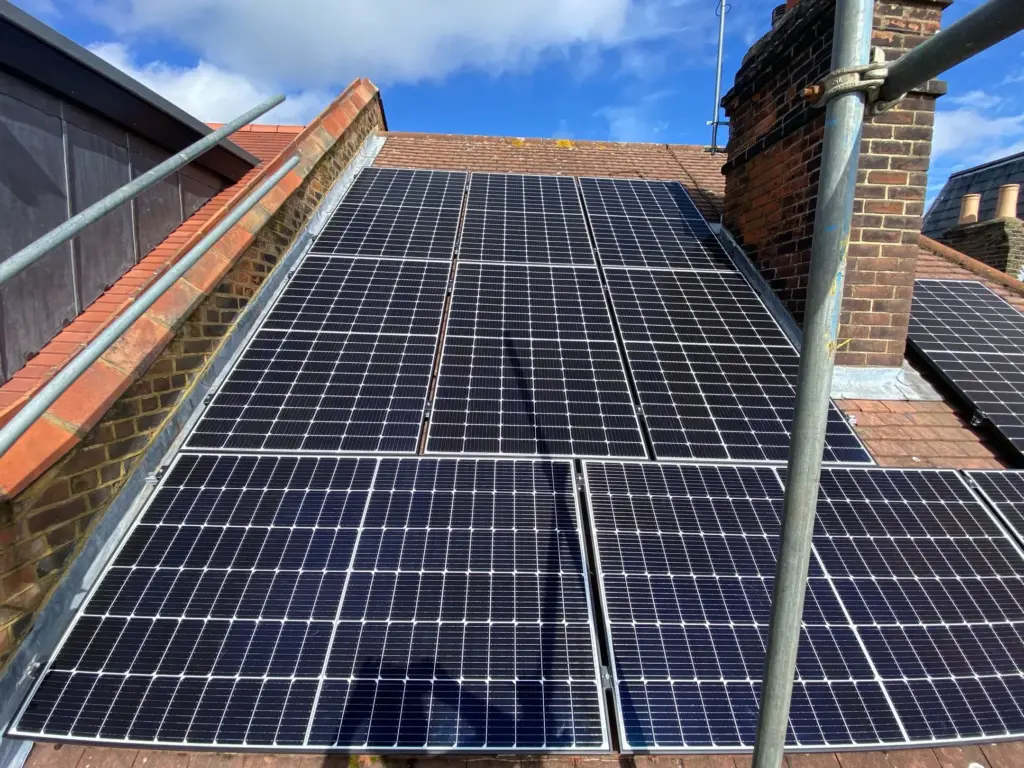
Solar panels in East London have become a beacon of renewable energy innovation, particularly at St Paul’s West Hackney church. With an impressive installation of over 100 solar panels, this church is now able to generate approximately 70% of its energy needs, thanks to a significant investment in green technology. The project, partially funded by local community groups and Hackney Council’s Community Energy Fund, exemplifies the growing trend of sustainable energy efforts in urban areas. By adopting solar energy solutions, the church not only enhances its energy savings but also sets a compelling example for other community organizations striving to become more environmentally friendly. As more churches like St Paul’s aim to cut down on their carbon footprint, the impact of community-driven renewable energy initiatives becomes increasingly important in the fight against climate change.
The shift towards solar energy solutions in East London is contributing significantly to the region’s green landscape. At the forefront of this movement, St Paul’s West Hackney has successfully integrated solar panels and heat pumps that exemplify eco-friendly practices. This commitment to harnessing renewable resources demonstrates how places of worship can transform into models of sustainability, paving the way for community engagement and energy efficiency. Moreover, the initiative not only addresses local energy needs but also reinforces the importance of sustainable practices among neighboring institutions, including temples and schools. As cities adapt to the challenges of climate action, such examples of community energy development are crucial for inspiring broader adoption of green technologies.
The Impact of Solar Panels in East London
St Paul’s West Hackney church, located in East London, has made significant strides toward sustainability with the installation of over 100 solar panels. This initiative, backed by a £170,000 investment, has allowed the church to harness the power of renewable energy to generate approximately 70% of its energy needs. The parish’s transition to green technology not only reduces its carbon footprint but also exemplifies how traditional institutions can adapt to modern energy challenges.
The renewable energy produced by the solar panels contributes significantly to energy savings, making it a vital asset for the community. As the church continues to lower its dependence on fossil fuels, it serves as a model for other organizations and institutions in East London, showcasing how community energy projects can flourish with the right support and investment. The successful implementation of solar technology opens doors for further innovations in sustainable practices within the community.
Community Involvement and Renewable Energy Funding
The funding for the solar panel project at St Paul’s church came from a collaborative effort involving Stokey Energy, Hackney Council’s Community Energy Fund, and the London Olympics Legacy Fund. This community-driven initiative highlights the importance of local engagement in renewable energy projects, illustrating how collective efforts can lead to substantial environmental changes. With contributions from various sectors, including local authorities and community groups, the project demonstrates that financing green technology is possible through innovative partnerships.
As local organizations and councils like Hackney aim to replicate this success across other religious institutions, the potential impact on energy savings can be tremendous. This initiative not only fosters a sense of community but also actively engages residents in discussions around sustainable energy use. By investing in renewable technologies, such as solar panels, East London can take great strides toward a greener future and inspire other regions to follow suit.
Transforming Churches into Energy Powerhouses
The transformation of St Paul’s West Hackney church into what Stokey Energy describes as a ‘solar powerhouse’ is a groundbreaking example of how churches can leverage green technology. By adopting solar energy and air source heat pumps, the church now produces 46MWh of electricity annually. Such projects have the potential to revitalize not only the churches themselves but also the surrounding communities by demonstrating the benefits of renewable energy.
Most churches struggle with heating costs due to poor insulation, making energy-efficient upgrades essential. With the installation of these solar panels and heat pumps, St Paul’s is addressing both financial and environmental concerns. This initiative significantly reduces the thermal leakage that often plagues older buildings, showing that sustainability can coexist with the historical and architectural integrity of churches.
The Role of Local Governments in Supporting Green Initiatives
Hackney Council’s leadership in promoting renewable energy solutions is crucial for the implementation of sustainable practices throughout the borough. The council’s initiative, which includes plans to install solar panels on 27 residential blocks, exemplifies the commitment to reducing carbon emissions and enhancing community energy. By prioritizing green technology in their climate budget, local governments play an instrumental role in fostering sustainable development.
As local authorities look to diminish their carbon footprint, projects like St Paul’s West Hackney church highlight the potential for synergy between community-driven efforts and government support. This partnership is vital in driving change, as it ensures that resources are allocated effectively, benefiting residents through reduced energy bills and improved environmental conditions.
Future Greener Practices for the Church
Father Brandon Fletcher-James has expressed a vision for continuing to enhance St Paul’s commitment to sustainability beyond the current solar panel initiative. He believes that there are numerous opportunities to implement greener practices within the daily operations of the church, ranging from administration to governance. This proactive approach underscores the importance of having leaders who are dedicated to environmental stewardship in places of worship.
The church’s ongoing quest for sustainability could inspire other institutions within the community to assess their environmental impact. By integrating further green practices and technologies, churches throughout East London can collectively contribute to a more sustainable future. Encouraging discussions and collaborations about renewable resources will pave the way for innovative solutions to withstand the challenges posed by climate change.
Celebrating Community Energy Success Stories
The successful implementation of solar panels at St Paul’s West Hackney is a noteworthy success story in the realm of community energy. As local organizations and residents come together to champion green technology, projects like this serve to raise awareness of the benefits of renewable energy. By showcasing tangible results from community initiatives, broader engagement in sustainable practices can be achieved.
Such success stories inspire others to get involved in community energy projects, thereby creating a network of support and shared experiences. These collaborative efforts demonstrate the power of local commitment towards achieving significant environmental goals, reinforcing the message that collective action can lead to impactful changes in energy consumption and conservation.
Benefits of Renewable Energy for Local Communities
Renewable energy projects, particularly those led by communities, offer a multitude of benefits for local residents. They not only provide reliable and sustainable power sources but also significantly reduce energy costs for churches and their surrounding communities. In the case of St Paul’s West Hackney, the church’s investment in solar panels is expected to yield significant savings that can be redirected to other community services.
Moreover, local engagement in renewable energy initiatives fosters a sense of pride and ownership among community members. This engagement cultivates an environment where residents feel empowered to advocate for further sustainability efforts, leading to a more environmentally conscious community that values green technology and energy efficiency.
Inspiring Other Churches to Adopt Green Technology
The success of St Paul’s West Hackney church serves as a beacon of inspiration for other churches looking to adopt green technology. By sharing insights and experiences, Father Fletcher-James and community leaders encourage dialogue on how to effectively implement solar panels and other sustainable practices. As churches learn from one another, the integration of renewable energy can spread to various religious institutions throughout East London.
This trend towards sustainability is increasingly critical as climate change becomes a pressing concern for communities globally. By recognizing the potential of renewable energy, other churches can strengthen their commitment to environmental stewardship while also reaping the economic benefits associated with energy savings. Through shared knowledge and collaboration, the movement towards green technology can gain momentum across the region and beyond.
Long-Term Vision for Sustainable Community Energies
As the conversation around sustainable energy continues to evolve, the long-term vision for the St Paul’s West Hackney church encompasses a framework for ongoing environmental responsibility. The hope is to explore innovative practices that can further minimize the church’s ecological footprint, creating a sustainable model that other institutions can emulate. This plan positions the church to not only serve its congregation but also actively contribute to the community’s overall sustainability goals.
Furthermore, developing a long-term vision for community energy can lead to meaningful changes at various levels—from reducing local carbon emissions to influencing policy decisions that prioritize renewable energy investments. By fostering a culture that values sustainability, communities can build a resilient future that supports both ecological health and economic prosperity.
Frequently Asked Questions
What are the benefits of installing solar panels in East London communities?
Installing solar panels in East London, like at St Paul’s West Hackney church, provides multiple benefits, including reduced energy costs and reliance on renewable energy. With the church generating around 70% of its energy from solar panels, community members can enjoy energy savings while contributing to a sustainable environment.
How does St Paul’s West Hackney utilize solar panels for energy savings?
St Paul’s West Hackney utilizes 104 solar panels and four air source heat pumps to generate approximately 46MWh of electricity annually. This green technology not only reduces the church’s energy costs significantly but also serves as an inspiring model for other East London churches aiming for energy efficiency and sustainability.
What role does community energy play in solar panel projects in East London?
Community energy plays a vital role in solar panel projects in East London by funding and supporting initiatives like the one at St Paul’s West Hackney. Organizations such as Stokey Energy, in partnership with local councils, help communities harness renewable energy, making a positive environmental impact.
What is the expected return on investment for solar panels in East London churches?
Churches in East London, such as St Paul’s West Hackney, anticipate recovering their investments in solar panels within a few years. For instance, St Paul’s projected a £40,000 investment could be recovered within four years through energy savings and reduced utility bills, thanks to its investment in green technology.
How is Hackney Council promoting renewable energy through solar panels?
Hackney Council is actively promoting renewable energy by installing solar panels on various buildings, including churches and community centers. Their initiative aims to decarbonize energy systems across East London, leveraging funding from the city’s climate budget to enhance energy savings and sustainability in the community.
What are some common concerns about installing solar panels in churches?
Common concerns about installing solar panels in churches include the initial investment costs, structural integrity of the buildings, and potential thermal leakage. However, projects like that at St Paul’s West Hackney demonstrate that with proper planning and community support, these challenges can be effectively managed to achieve significant energy savings.
What future initiatives are planned for green technology in East London churches?
Future initiatives for green technology in East London churches involve exploring additional sustainable practices and technologies, as indicated by Father Brandon Fletcher-James of St Paul’s West Hackney. This may include enhancing administrative processes and governance to further improve environmental friendliness in daily operations.
How do solar panels contribute to sustainability in East London churches?
Solar panels contribute to sustainability in East London churches by providing a renewable energy source, decreasing reliance on fossil fuels, and reducing overall carbon footprints. The installation at St Paul’s West Hackney is a prime example, demonstrating how such green technology can transform buildings into energy-efficient spaces.
| Key Point | Details |
|---|---|
| Installation of Solar Panels | St Paul’s West Hackney church installed over 100 solar panels and four heat pumps. |
| Cost of Investment | The total investment for the green technology installation was £170,000. |
| Energy Generation | The church now generates approximately 70% of its energy from solar panels and heat pumps. |
| Projected Savings | The parish expects to recover its £40,000 investment in four years. |
| Community Involvement | The project was funded by Stokey Energy, Hackney Council, and the London Olympics Legacy Fund. |
| Government Support | The Department for Energy Security and Net Zero praised the church’s efforts as a model for community energy initiatives. |
| Future Plans | Father Fletcher-James plans to explore more ways to make the church environmentally friendly. |
| Replicating the Initiative | Hackney Council aims to implement similar projects across other community buildings. |
Summary
Solar panels east London have become a significant advancement in the quest for sustainable energy. St Paul’s West Hackney church’s project showcases how community-driven initiatives can effectively reduce energy costs and promote environmental responsibility. With the installation of over 100 solar panels and heat pumps, the church not only generates a considerable percentage of its energy but also serves as a model for other initiatives in the area. The involvement of local government and community groups exemplifies a collaborative approach to achieving greener solutions that can impact both the church and the wider community in East London.