
Listen to this article
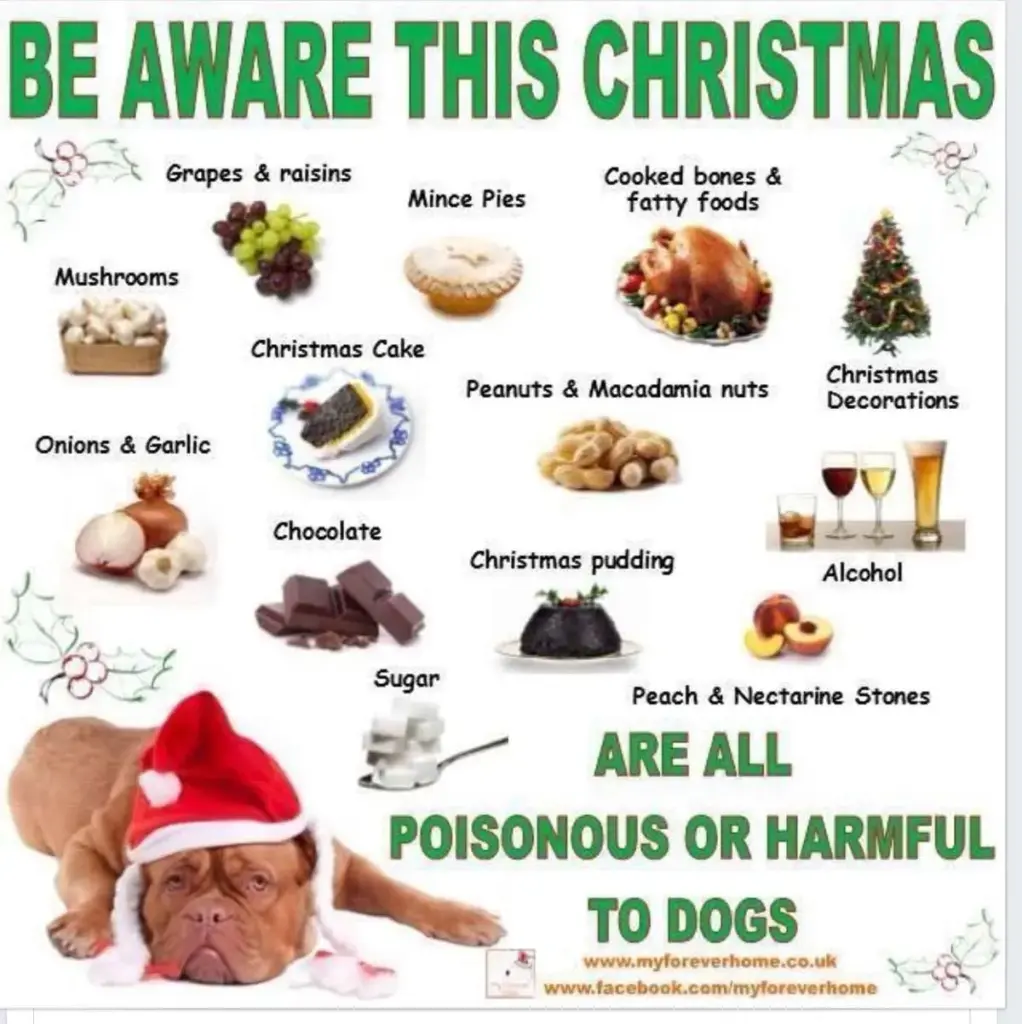
As the holiday season approaches, dog owners should be aware of dangerous Christmas foods for dogs that can lead to serious health issues. While festive feasts are a time for indulgence, certain foods that delight our taste buds can be harmful — or even toxic — to our furry companions. Common holiday treats like chocolate, cooked bones, and rich dishes can wreak havoc on your dog’s digestive system, leading to unexpected veterinary bills. To ensure Christmas dog safety, it’s vital to keep an eye on what your pets eat, remembering that many foods dogs can’t eat may be lurking within reach. By following some simple holiday pet care tips and avoiding toxic foods for dogs, you can ensure that your four-legged friend remains healthy and happy throughout the festivities.
As we gather around the table to celebrate the holiday season, it’s important to think of our beloved pets and their well-being. This time of year can be particularly risky for our canine companions if they gain access to certain festive dishes that are not suited for them. Just like us, our dogs can encounter dangers with foods high in sugar, fat, or those that are outright toxic. From savory treats to sweet delights, understanding what to avoid will not only help maintain dog health during the holidays but also keep those expensive vet visits at bay. Let’s dive deeper into the common pitfalls of holiday dining that can pose serious threats to your dog’s health.
The Dangers of Festive Treats: Foods Dogs Can’t Eat During Christmas
As the holiday season approaches, dog owners often indulge their furry companions with festive foods. However, it’s crucial to be aware of which treats can pose a serious risk to their health. Many common Christmas dishes include harmful ingredients that are toxic to dogs. For instance, chocolate is a notorious holiday hazard due to its theobromine content, which is highly toxic and can lead to severe health issues or even death if ingested in sufficient quantities. Other treats, like Christmas cake and mince pies, often contain raisins or currants, which have been linked to kidney failure in dogs. Thus, while it might seem like a loving gesture, feeding dogs holiday table scraps can result in hefty vet bills and serious health ramifications.
Moreover, foods high in fat and sugar, such as pigs in blankets and cranberry sauce, are also detrimental to canine diets. The rich and fatty content of such dishes can trigger conditions like pancreatitis in dogs, leading to vomiting, lethargy, and other severe digestive problems. Keeping your dog away from these festive foods is essential for maintaining their health during the holiday season.
To ensure dog health during the holidays, pet owners must prioritize their canine’s safety and well-being over the temptation of sharing Christmas goodies. Instead of offering harmful foods, consider preparing special dog-friendly meals or treats. Simple ingredients such as plain turkey meat without bones or skin can be safe alternatives. Even simple fruits like slices of apple or carrot can provide a tasty yet healthy distraction for your dog. Furthermore, creating a separate area for your pet during family gatherings can help minimize their exposure to dangerous foods, reducing the likelihood of any unfortunate mishaps.
Understanding Toxic Foods for Dogs: A Holiday Guide
The holidays can be a joyous time for families, but they can also pose risks to our furry friends if we aren’t careful. Understanding the implications of toxic foods for dogs is vital for every pet owner during this festive season. Items like cooked bones, particularly from turkey, can splinter and cause blockages or serious injuries within a dog’s digestive system. It’s advisable to set clear boundaries regarding what food your dog can access, which can prevent accidental ingestion of harmful items while you enjoy your holiday feasts.
In addition to cooked bones, stuffing is another popular dish to watch out for during Christmas. Many stuffing recipes include onions and garlic, which are known to be toxic to dogs regardless of whether they are cooked or raw. Therefore, during meal preparations, it’s essential to keep your dog away from the kitchen to prevent any accidental spills that could lead to ingestion of these harmful ingredients.
Incorporating dog safety into your holiday planning, especially regarding food, is crucial. Consider discussing with family and friends the importance of not feeding your pets from the dinner table. Informing guests about dangerous Christmas foods for dogs can help create a safer environment for your furry companion. Educating everyone, including children, about what foods are acceptable can reinforce a culture of safety and prevent mishaps. The festive season is a time for joy and giving, and ensuring your dog is safe from toxic foods is a significant part of loving them properly.
Essential Tips for Holiday Pet Care
The Christmas season is a time of joy, but it’s also a time when pet owners need to be particularly vigilant about their pets’ safety. During celebrations, it’s easy for dogs to accidentally consume food they’re not supposed to eat. To avoid any emergencies, create a list of dog-friendly foods and snacks that you can offer during the festive season. Items like pumpkin puree or sweet potatoes can be a tasty and safe treat for your dog, ensuring they feel included in the holiday excitement without risking their health.
Additionally, keeping festive decorations out of reach is another vital aspect of holiday pet care. Many traditional decorations, such as tinsel, ornaments, and lights, can be harmful if chewed or swallowed. Supervision is key, especially when new elements are introduced to your home during the holiday season. Teaching your dog boundaries can help keep them safe and prevent potential dangers caused by festive decorations.
Additionally, maintaining a regular routine can help reduce anxiety in pets during the holidays. Dogs thrive on routine, and the disruptions caused by holiday festivities can lead to stress and behavioral issues. Ensure your dog receives their regular exercise and meal times to keep them comfortable and happy. Remember that keeping your dog calm during family gatherings can prevent them from becoming anxious or overly excited, which can lead to risky behaviors, including scavenging for food that is harmful to their health.
Keeping Your Dog Healthy During Festive Feasts
The holidays often come with an abundance of food, and while it may be tempting to share with your furry friend, staying vigilant about what they consume is essential for their health. Transitioning a dog’s diet suddenly can lead to digestive issues, so maintaining their usual meals during this time is critical. Instead of sharing rich holiday leftovers, provide extra love and attention to your pets through engaging activities—think playtime, long walks, or doggy puzzles that keep them mentally stimulated.
Moreover, be proactive about monitoring the foods that are left around the house. As tempting as it may be to include your pet in the banquet, keeping trays of food out of their reach can help prevent accidents. Setting up a designated area for your dog during holiday gatherings can significantly reduce the likelihood of them snatching up hazardous foods. It’s always better to err on the side of caution during busy festive times to ensure your pup remains safe and healthy.
In addition, consider creating special holiday treats specifically designed for dogs using safe ingredients. Homemade dog treats can be made from simple ingredients like oat flour, pumpkin, and peanut butter (without xylitol), providing a fun way to include them in your festivities. This ensures that your dog enjoys a special treat while still promoting their health. Consulting your veterinarian about what human foods are safe for dogs can also provide valuable insights, further enhancing your pet’s holiday experience while keeping them free from harmful foods.
Recognizing Symptoms of Mixed Holiday Treats
As many dog owners may not always realize, the holiday joy can sometimes lead to unintentional issues when pets get into dangerous food items. Recognizing the signs that your dog has consumed something harmful is crucial for quick action. Symptoms such as vomiting, diarrhea, or low energy levels warrant immediate consultation with your veterinarian. Often, timing is everything, and quick responses can make a significant difference in treatment effectiveness. Ignoring these signs can have devastating outcomes, especially if the dog has consumed highly toxic foods.
Moreover, monitoring your dog’s attitude and energy levels during this festive period is vital. If your normally active dog shows signs of lethargy or reduced appetite, it might be time to assess what they may have ingested. Keeping track of all food items that could potentially come into contact with your pet can prevent such health crises. If you suspect your dog has ingested something dangerous, contact your vet immediately, providing them with any food packaging as this information can aid in providing appropriate care.
Preparation: Pet-Proofing Your Home for Christmas
Preparing your home for the holiday season involves ensuring it is safe for all members of the family, including your dog. Pet-proofing is essential, especially when it comes to food hazards and festive decorations. Consider creating a dog-free zone in your kitchen to keep them away from hazardous cooking activities and enticing but dangerous foods. This simple act can drastically reduce the risks of your pet accessing harmful items commonly found during holiday preparations.
Additionally, keeping trash bins secured is crucial, as discarded food scraps can harbor dangers that might attract your dog, leading to health emergencies. Utilizing pet-proof containers or keeping trash in a location your dog cannot access will further safeguard their well-being during the holiday season. This proactive approach ensures that your furry family member can celebrate the season alongside you without the risk of harm.
Another vital step in preparing your pet for the holiday festivities is ensuring that all holiday decorations are out of reach. This includes corded lights, ornaments, and tinsel, as these can lead to gastrointestinal obstructions if ingested. Whenever possible, choose pet-friendly decorations, and regularly check on any decorations that may become dislodged or fall, as curiosity can sometimes lead dogs to investigate. Creating a festive yet safe environment is key to a joyful holiday that safeguards your pet’s well-being.
The Importance of Vet Awareness During the Holidays
During the holiday season, the role of your veterinarian becomes even more critical in ensuring your dog’s safety. Familiarize yourself with the closest veterinary emergency services in case your pet encounters any food-related issues. Being prepared can make all the difference in health outcomes for dogs who ingest toxic foods during festive times. Keeping your vet’s contact information readily accessible will provide peace of mind, knowing you can quickly act in case of emergencies.
Moreover, communicating with your veterinarian about any special dietary needs or risks can promote proactive care during Christmas celebrations. This could involve discussing safe alternatives or preventative measures for keeping your dog safe from hazardous foods. Regular check-ups can also be essential during this period to ensure your pup remains healthy and fully protected as you embrace the holiday spirit.
Establishing a rapport with your veterinarian enables you to take a more informed approach to your pet’s health. It allows for personalized advice tailored to your dog’s unique needs, especially during potentially conflicting holiday feasts. By investing in vet awareness and care management during the holidays, you are setting the stage for a healthier and more enjoyable festive season. Furthermore, regular communication can help you navigate any unexpected health challenges that might arise as your dog navigates through the holiday festivities.
Frequently Asked Questions
What are the dangerous Christmas foods for dogs I should avoid?
During the festive season, it’s crucial to keep your dog safe from dangerous Christmas foods. Key items to avoid include chocolate, cooked turkey bones, pigs in blankets, Christmas cake, pudding, mince pies, cranberry sauce, and stuffing. Each of these foods contains ingredients that could be harmful or toxic to dogs.
Why is chocolate a dangerous food for dogs at Christmas?
Chocolate is one of the most dangerous Christmas foods for dogs due to its theobromine content, which dogs cannot metabolize effectively. Even small amounts can lead to serious health issues, including vomiting, diarrhea, and in severe cases, seizures or death.
Can I give my dog leftover turkey skin during the holidays?
No, it’s best to avoid giving your dog leftover turkey skin. As a high-fat food, it’s considered one of the dangerous Christmas foods for dogs as it can lead to pancreatitis, causing severe health problems.
Are raisins in Christmas cake harmful to dogs?
Yes, raisins, commonly found in Christmas cake and pudding, are toxic to dogs and can lead to kidney failure. This makes them one of the most dangerous Christmas foods for dogs, so they should be completely avoided.
What should I do if my dog eats something toxic during Christmas?
If your dog consumes any toxic holiday foods, such as chocolate or pudding, contact your veterinarian immediately. Bringing the food packaging can help the vet determine the best course of action and treatment for your dog.
How can I ensure my dog’s safety during holiday meals?
To ensure your dog’s safety during holiday meals, keep all dangerous Christmas foods for dogs out of reach, and stick to their regular diet. Providing safe treats, such as fruits or vegetables that are dog-friendly, is a great alternative.
Is cranberry sauce safe for dogs during Christmas?
While cranberry sauce is not toxic, it is high in sugar, which can be harmful to dogs. It’s better to keep cranberry sauce off their holiday menu to avoid potential health issues related to sugar intake.
What are the signs of dog poisoning from holiday foods?
Signs of poisoning in dogs after eating dangerous Christmas foods can include vomiting, diarrhea, lethargy, loss of appetite, or unusual behavior. If you notice these symptoms after they’ve eaten holiday treats, seek veterinary assistance immediately.
What dog-safe foods can I offer during Christmas celebrations?
Instead of dangerous Christmas foods for dogs, consider offering dog-safe treats such as plain cooked carrots, apples (without seeds), or green beans. These are festive choices that won’t endanger your pet’s health.
Why is it important to educate myself about holiday pet care?
Educating yourself about holiday pet care is essential to prevent accidents involving dangerous Christmas foods for dogs. Understanding which foods can harm your dog helps ensure a safe and enjoyable holiday for both you and your pet.
| Dangerous Food | Reason to Avoid | Symptoms if Ingested |
|---|---|---|
| Chocolate | Contains theobromine which is toxic to dogs. | Vomiting, diarrhea, seizures, and in severe cases, death. |
| Pigs in blankets | High in fat and salt; can cause pancreatitis. | Vomiting, lethargy, fever. |
| Christmas cake, pudding, and mince pies | Contains raisins, which can cause kidney failure. | Abdominal pain, vomiting, diarrhea, lethargy. |
| Cranberry sauce | High in sugar; can cause spikes in blood sugar. | Dehydration, lethargy. |
| Cooked bones | Can splinter and cause blockages or tears in digestive system. | Choking, abdominal pain, blockages. |
| Stuffing | Contains onions/garlic which are toxic to dogs. | Vomiting, diarrhea, lethargy. |
Summary
Dangerous Christmas foods for dogs are a serious concern for pet owners during the festive season. It is crucial to keep your dog away from various festive treats such as chocolate, pigs in blankets, and Christmas cake, as these foods can lead to severe health issues or even be life-threatening. Keeping these dangerous foods out of your dog’s reach and opting for safe alternatives is essential to ensure their health and safety during the holiday celebrations.