Listen to this article
The Honduras presidential election 2023 has captured widespread attention amid a backdrop of controversy and political tension in Central America. Recently, Nasry Asfura was declared the victor in a tumultuous election marred by allegations of fraud and technical glitches that delayed the counting of votes. Asfura’s win, with 40.3% of the ballots cast, has ignited debates about the integrity of the electoral process, especially given the conservative candidate’s backing from US figures like Donald Trump. In a country grappling with challenges to its democracy, protests erupted as supporters of rival candidate Salvador Nasralla accused Asfura’s team of misconduct and manipulation. As the nation bristles with uncertainty, the international community watches closely, hoping for a peaceful transition despite the lingering shadows of political strife and claims of electoral malfeasance in Honduras.
The 2023 elections in Honduras have sparked significant intrigue surrounding the fate of the nation and the democratic processes at play. As the newly elected leader, Nasry Asfura, steps into power, the stage is set for a potentially charged political atmosphere filled with accusations and unrest. The fallout from such contentious electoral practices raises important questions about governance in a region often fraught with political instability and division. Opponents allege irregularities in the vote count, while the ramifications of foreign influence, particularly from the US, loom large over discussions of national sovereignty and voter rights. In the wake of widespread protests and allegations of an ‘electoral coup’, the future of Honduras hangs in a delicate balance, calling for a careful navigation through its complex political landscape.
Honduras Presidential Election 2023: An Overview
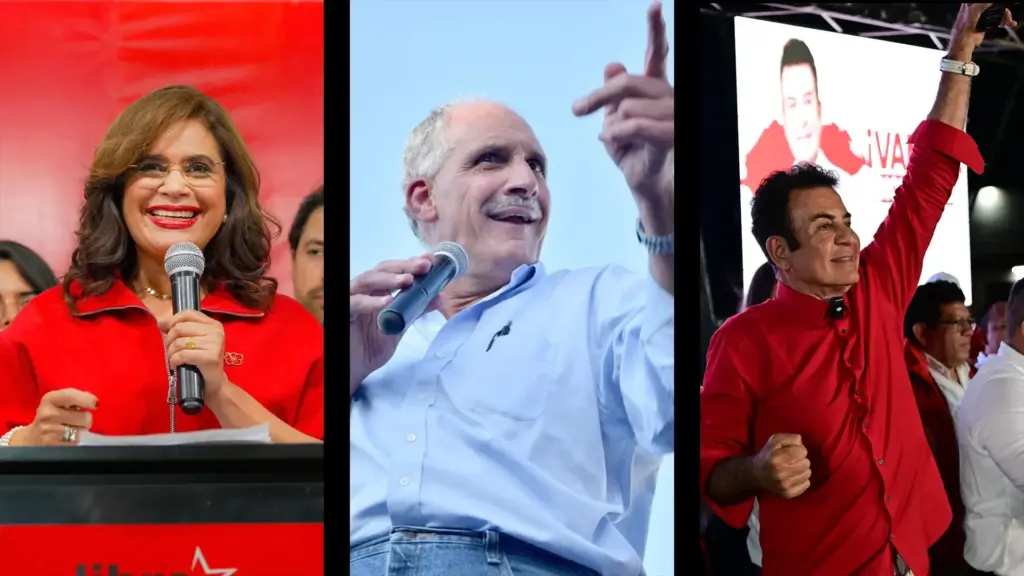
The 2023 Honduras presidential election concluded with a victory for Nasry Asfura of the National Party, celebrated as a significant moment for the party’s conservative leadership. After weeks of delays and allegations surrounding the election’s integrity, official results stated Asfura received 40.3% of the votes against Salvador Nasralla’s 39.5%. This close race reflects the current political dichotomy in Honduras, often influenced by external factors, notably former US President Donald Trump’s support for Asfura, which added to the tensions surrounding the election. Asfura’s statement post-election promises to honor the voters’ choice and restore trust in a fractured electoral process, yet lingering doubts remain amidst allegations of electoral fraud and system disruptions that marred the election’s credibility.
The aftermath of the Honduras presidential election has seen protests, accusations of fraud, and a divided public, revealing deep-seated challenges in Honduran democracy. The National Electoral Council (CNE) experienced significant criticism for technical difficulties that arose during the vote counting, contributing to allegations of manipulation and mistrust. As the dust settles, officials urge respective parties to safeguard democracy and ensure a peaceful transition—a crucial step amid calls from figures like US Secretary of State Marco Rubio for unity and cooperation to address ongoing political and economic instability in the region.
The Role of Trump in Honduras Elections
Donald Trump’s influence on the Honduras elections has been a matter of heated debate, particularly with his backing of Nasry Asfura and the National Party. Trump’s endorsement was coupled with warnings of dire consequences for Honduran democracy if the electoral process threatened his candidate’s victory. Such overt political maneuvers by a foreign leader underscore the increasing involvement of U.S. politics in Central America’s electoral landscape, raising concerns about sovereignty and democratic integrity in Honduras. Trump’s prior actions, including the controversial pardon of former president Juan Orlando Hernandez, further illustrate the intertwining of U.S. foreign policy and local politics.
The implications of Trump’s intervention stretch beyond the immediate election outcome. The former president’s threats to withdraw support have created a climate of fear and uncertainty that resonates among voters and candidates alike. As the election unfolded amid economic challenges and public dissatisfaction, the weight of Trump’s words reportedly impacted voter perceptions and campaign dynamics. The broader consequences of U.S. involvement in Honduras elections reflect not only on the domestic political landscape but also on the regional political tensions that continue to challenge Central America.
Electoral Fraud Allegations in Honduras Elections
Allegations of electoral fraud during the 2023 Honduras elections have triggered widespread unrest and skepticism among the population. Following the vote, many citizens, particularly supporters of the opposition, voiced their concerns over the chaotic counting process and the delays caused by technical failures. Reports indicated that up to 15% of ballot sheets required manual counting due to issues with the electronic system, prompting accusations of manipulation and deceit. This skepticism was aggravated by statements from outgoing President Xiomara Castro, who accused Asfura’s camp of orchestrating an ‘electoral coup.’ Such allegations reflect the fragile state of democracy in Honduras, where trust in electoral institutions is already under strain.
The protests and claims of fraud highlight an ongoing struggle within Honduras, where politicians grapple with the legitimacy of the elections and the role of external influences. The combination of perceived electoral misconduct and public protests demonstrates the need for electoral reforms to strengthen confidence in the democratic process. Amid protests in the capital, the call for transparency and accountability grew louder, revealing an electorate eager for a system that upholds democratic integrity and fairness, rather than one marred by fraud allegations and controversy.
Central America Political Tensions Post-Election
Following the Honduras presidential election, Central America is once again thrust into the spotlight, revealing a complex tapestry of political tensions across the region. The outcome of the elections, combined with ongoing challenges in governance and public dissent, has the potential to exacerbate existing issues within neighboring countries. As the United States engages with the new Honduras administration, the broader implications of regional security and immigration policies are critical in shaping the relationship between Central America and the U.S. Hence, the stability of Honduras might directly affect the geopolitical climate in Central America and the strategies employed to tackle issues such as illegal immigration and economic development.
As political tensions simmer, it is crucial for leaders in Central America to adopt an approach that emphasizes collaboration and engagement among nations. The potential for conflict arising from political disputes or economic inequalities cannot be overlooked. The post-election landscape urges administrations in the region, including Honduras, to navigate these complexities thoughtfully, fostering dialogue to address grievances while strategically engaging with international partners. Ultimately, the capacity of Central American nations to achieve stability and mutual cooperation can be tested as they seek to address both internal and external pressures in the wake of a contentious election cycle.
Public Response to Honduras Election Results
In the wake of the Honduras presidential election results, public sentiment has been sharply divided, with significant segments of the population expressing dissatisfaction over the perceived integrity of the voting process. The close nature of the results, combined with the backdrop of technical failures and widespread allegations of fraud, has sparked outrage among supporters of Salvador Nasralla and other opposition figures. Demonstrations across Honduras, particularly in the capital, Tegucigalpa, have highlighted an electorate demanding transparency and fairness in their democratic processes. The tension visible in the streets serves as a clear indication of the populace’s wariness towards the electoral system and its perceived vulnerabilities.
The response to the election results also underscores broader social issues within Honduras, where trust in political institutions has eroded over years of mismanagement and corruption. Voters are now confronting an uncertain future, grappling with political instability that could hinder progress on pressing economic and social challenges. As protests continue, the message from frustrated citizens emphasizes the urgent need for reforms that can revitalize faith in democratic systems. It remains essential for the newly elected leaders to listen to the public outcry and commit to processes that honor the will of the people while ensuring their voices are heard in shaping the nation’s future.
Honduras: Challenges to Democracy
The recent election in Honduras has palpably illustrated the challenges facing democracy in the nation. High-stakes political tensions, exemplified through allegations of fraud and interference by external figures, have driven home the fragility of democratic principles in the country. Following the election, voices like that of Xiomara Castro have surfaced, framing the possible outcome as an ‘electoral coup,’ reflecting a society still grappling with serious questions about the health of its political institutions. Political dynamics that have historically favored authoritarianism risk undermining citizens’ trust and involvement in the democratic process.
Moreover, the involvement of international figures such as Donald Trump can complicate internal politics in Honduras, raising questions about the sovereignty of its democratic institutions. As allegations of fraud filter through public discourse, the focus shifts towards the necessity for robust frameworks that uphold electoral integrity. Strengthening these frameworks may serve not only to ensure fair elections but also to address broader systemic issues that have inhibited genuine democratic progress in Honduras and across Central America.
The Role of International Observers in Honduran Elections
International observers have often played a pivotal role in evaluating the fairness and transparency of elections worldwide, including the recent 2023 Honduras presidential election. Their presence during the election process aims to bolster confidence in the integrity of the electoral system and provide an objective assessment of the electoral environment. This external observation is particularly critical in light of allegations of fraud and manipulation, as seen in the aftermath of the recent voting. Calls for independent verification of the election results emerged as protests intensified, showcasing how essential international oversight can be in stabilizing democratic institutions.
The involvement of international bodies also serves to send a message of accountability to local officials and candidates, reassuring the public that their electoral rights are being monitored globally. Moving forward, the lessons learned from this election and the accompanying scrutiny can provide a roadmap for improvements in future electoral processes, promoting fairness and public confidence. Enhancing collaboration with international electoral commissions may advocate for more rigorous standards and protocols, ultimately leading to stronger democratic practices in Honduras.
Implications of Election Results for Future Governance
The outcome of the Honduras presidential election carries significant implications for the nation’s future governance and policy direction. With Nasry Asfura at the helm, the electorate is closely watching how his administration will interpret its mandate in tackling pressing issues, such as economic inequality, security challenges, and corruption. His victory, backed by promises of transparency and improvement in governance, invites both optimism and skepticism from voters who are eager to see tangible changes amid a history of political disillusionment. The newly elected officials face the dual challenge of meeting public expectations while upholding democratic norms to rebuild trust in governmental institutions.
Moreover, the Asfura administration’s relationship with international allies, particularly the United States, will be crucial in navigating Honduras’ complex socio-economic landscape. The questions surrounding U.S. influence in Central America, compounded by Trump’s previous threats concerning funding and support, will shape not only domestic policy but also regional cooperation. It remains essential for Asfura and his administration to champion policies that prioritize inclusivity and social justice, ensuring that the voices of all Hondurans are represented within the democratic framework.
The Future of Political Stability in Honduras
In the wake of the recent elections, the political stability of Honduras hangs in the balance, contingent upon how well the new administration can address existing grievances and foster trust among its citizens. The deeply ingrained divisions exposed by the electoral process raise concerns about the possibility of social unrest if citizens feel their voices are marginalized. As Honduras navigates through political turbulence, prioritizing dialogue and reconciliation among opposing factions will be key to promoting a stable governance structure capable of confronting pressing societal challenges.
Looking ahead, the future of Honduras’ political landscape will rely heavily on the leadership’s commitment to implementing effective reforms that resonate with the populace. The challenge lies in overcoming entrenched political practices that have historically impeded democratic progress. Continuous engagement with communities, transparent communication, and effective problem-solving approaches can lead Honduras towards a more resilient political future, enhancing the strength of its democracy and ultimately benefiting the entire Central American region.
Frequently Asked Questions
What were the main allegations of fraud in the Honduras presidential election 2023?
The Honduras presidential election 2023 was marred by allegations of fraud, particularly from supporters of Salvador Nasralla, who claimed that ‘corrupt individuals’ manipulated the vote count. There were significant delays attributed to technical outages during the counting process, causing many to question the integrity of the election results.
How did Nasry Asfura win the Honduras presidential election 2023?
Nasry Asfura was declared the winner of the Honduras presidential election 2023 with 40.3% of the votes, narrowly edging out Salvador Nasralla, who received 39.5%. Despite allegations of fraud and technical problems delaying the counting process, Asfura’s win was backed by significant support from the US, including an endorsement from former President Trump.
What role did Trump play in the Honduras presidential election 2023?
In the Honduras presidential election 2023, former President Trump endorsed Nasry Asfura, emphasizing the importance of his victory. Trump also warned that significant consequences would follow if the results were overturned, indicating his influence on the election dynamics and issues surrounding US support for Honduras.
What challenges does Honduras democracy face following the 2023 presidential election?
Following the Honduras presidential election 2023, challenges to democracy include widespread allegations of fraud, claims of an ‘electoral coup’ by outgoing President Xiomara Castro, and ongoing political tensions. These issues have led to protests and heightened scrutiny of the electoral process, raising concerns about future governance.
How were technical issues a factor in the Honduras presidential election 2023?
Technical issues played a significant role in the Honduras presidential election 2023, with delays in vote counting attributed to a private company’s maintenance work that was not properly communicated. This caused frustration among voters and allegations of corruption, as around 15% of the tally sheets had to be counted manually due to these mishaps.
What impact could the Honduras presidential election 2023 have on Central America political tensions?
The outcome of the Honduras presidential election 2023, with its accompanying allegations and protests, could exacerbate existing political tensions in Central America. The close results and claims of interference may disturb the region’s stability and influence relationships with the US, particularly regarding issues like immigration and economic cooperation.
What do the election results imply for US-Honduras relations after the 2023 election?
The election results of the Honduras presidential election 2023 suggest a continuation of close ties between the US and Honduras, especially with Asfura’s alignment with US interests. US Secretary of State Marco Rubio indicated a desire for cooperation in areas such as security and immigration, signaling potential stability and partnership in the region.
| Key Points |
|---|
| Nasry Asfura declared winner of the 2023 Honduras presidential election with 40.3% of the vote from the National Electoral Council (CNE). |
| Salvador Nasralla from the Liberal Party received 39.5% of the vote and alleged manipulation in the vote count. |
| Election held on November 30; results were delayed due to technical problems and allegations of fraud. |
| Former President Trump supported Asfura, implying there would be consequences if his lead was overturned. |
| US Secretary of State Marco Rubio urged respect for election outcomes for a peaceful transition of power. |
| Protests occurred across Honduras due to perceived election fraud, led by supporters of the ruling Libre party. |
| Outgoing President Xiomara Castro accused the election of being interfered with and an ‘electoral coup.’ |
| Asfura’s National Party pardoned former President Hernandez, previously jailed in the US for drug and weapons charges. |
| The vote-counting faced issues, requiring manual counting of approximately 15% of tally sheets. |
| US looks forward to working with Asfura’s administration to strengthen bilateral ties and focus on security cooperation. |
Summary
The Honduras presidential election 2023 has concluded with Nasry Asfura emerging as the victor amidst a backdrop of controversy and protest. Significant delays in vote counting and allegations of fraud marred the electoral process, leading to widespread demonstrations from supporters of the losing candidate. Despite the challenges, international leaders, including US officials, have expressed support for the transition of power and emphasized the importance of respect for democratic outcomes. As Honduras moves forward under Asfura’s leadership, the implications of the election result will continue to resonate in both domestic and international spheres.