
Listen to this article
Livable cities in Europe are becoming increasingly recognized for their ability to blend urban vitality with a high quality of life. Cities like Copenhagen, often touted as one of the best cities to live in Europe, showcase a remarkable cycling culture that not only promotes physical health but also reduces air pollution. Meanwhile, living in Vienna offers access to stunning parks and a reliable public transport system, allowing residents to enjoy the outdoors amidst a bustling urban environment. Further south, Barcelona’s innovative urban planning initiatives aim to reclaim space for pedestrians and cyclists, enhancing livability and community interaction. London, with its extensive green spaces, serves as a reminder of the importance of nature in our urban landscapes, even as it grapples with the challenges of modern traffic and safety.
European metropolises are increasingly being recognized as beacons of livability, offering diverse experiences that cater to the needs of their residents. From the bike-friendly streets of Copenhagen to Vienna’s harmonious parks and shared spaces, these cities exemplify thoughtful urban design aimed at improving health and well-being. Places like Barcelona are redefining their urban landscapes with creative planning, emphasizing pedestrian-friendly environments while adding greenery to urban areas. Meanwhile, the abundance of parks in cities like London showcases the critical role of nature in enhancing urban life, despite ongoing challenges related to traffic safety. Collectively, these cities illuminate the path toward healthier, more sustainable living conditions in urban settings.
The Best Cities to Live in Europe: A Closer Look at Quality of Life
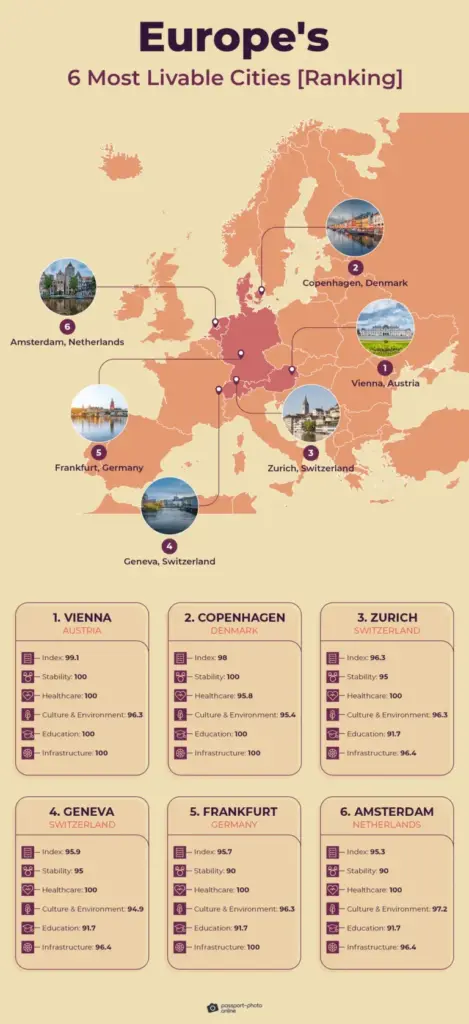
When it comes to identifying the best cities to live in Europe, certain capitals stand out not only for their stunning architecture and rich culture but also for their commitment to enhancing the quality of life for residents. Cities like Vienna, Copenhagen, and Zurich are frequently recognized in global quality of life rankings, largely due to their robust public services, efficient transportation networks, and extensive green spaces. The integration of environmental health measures into urban planning plays a significant role in attracting residents who seek healthier lifestyles.
Moreover, cities such as Vienna showcase an outstanding balance between urban development and nature, often providing ample parks and recreational areas that contribute to residents’ well-being. With social housing projects that encourage mixed-income neighborhoods, Vienna exemplifies how a city can promote inclusivity while also maintaining high living standards, thereby solidifying its reputation as one of the most livable cities in the world.
Copenhagen’s Cycling Culture: A Model for Urban Transportation
Copenhagen is often hailed as an international leader in cycling culture, with approximately 30-40% of its inhabitants commuting by bike. This impressive figure highlights the city’s dedication to creating a bike-friendly environment, with well-planned cycling lanes and a transportation infrastructure that prioritizes cyclists over cars. The emphasis on cycling not only helps reduce carbon emissions but also significantly improves air quality, directly contributing to the health and happiness of residents.
The city’s success story can be attributed to conscious investments in sustainable urban planning aimed at reducing reliance on motor vehicles. Initiatives that include bike-sharing programs and extensive repair facilities encourage residents to embrace cycling as a viable form of transport, further solidifying Copenhagen’s status as one of the best cities to live in Europe for environmentally conscious individuals.
Living in Vienna: Green Spaces and Social Equity
Living in Vienna offers residents a unique blend of rich history and modern amenities, making it one of the most sought-after cities in Europe. The city boasts an extensive network of green spaces, which are not only enjoyable but also serve as crucial components in promoting health equity among its diverse population. Unlike many other capital cities, Vienna has ensured that access to these parks is well-distributed, allowing residents from all neighborhoods to benefit from nature and recreational opportunities.
Moreover, the city’s commitment to social housing has transformed urban living, providing affordable options for a variety of income levels. This integration promotes a sense of community and belonging, allowing people of different backgrounds to share resources like parks and recreational facilities, which enhances their quality of life and fosters social cohesion.
Barcelona’s Urban Planning Innovations
Barcelona has garnered attention globally for its innovative urban planning strategies, particularly the implementation of superblocks, which prioritize pedestrian access and reduce vehicle traffic in certain neighborhoods. This initiative not only enhances air quality but also creates vibrant, walkable areas that contribute to a higher standard of livability. The concept of superblocks allows residential areas to flourish by reducing noise and pollution, making them more attractive for families and individuals looking for a peaceful urban environment.
Despite the challenges posed by a warming climate, Barcelona continues to push for improvements in urban living conditions. Researchers advocate for the expansion of these superblocks to achieve their original vision, emphasizing that such urban transformations have the potential to save lives and promote healthier lifestyles for residents. These innovations in urban planning position Barcelona as a standout city on the European stage, showcasing how adaptable cities can be in improving livability.
The Role of Green Spaces in London’s Urban Landscape
London is often dubbed the green capital of Europe, thanks to its vast array of parks and open spaces that provide a breath of fresh air amidst the bustling urban life. With numerous parks like Hyde Park and Regents Park spanning across the city, residents have access to nature, which is essential for physical and mental well-being. The importance of these green spaces cannot be overstated, as they offer a refuge for relaxation and recreation, thus enhancing the quality of life for Londoners.
However, access to these green areas poses challenges due to increased vehicle congestion and a lack of safe pedestrian and cycling infrastructure. Experts like Audrey de Nazelle point out that while London is rich in natural parks, the journey to reach them can be fraught with danger, potentially discouraging residents from utilizing these valuable spaces. A newfound focus on improving access to parks through better planning and safety measures can further empower London to achieve its full potential as a livable city.
Environmental Health and Urban Living in Europe’s Capitals
With growing concerns about environmental health in urban areas, cities across Europe are actively working to address the impacts of pollution and traffic-related injuries. The conversations surrounding livable cities often include discussions around the air quality and health outcomes related to urban design. Capitals like Copenhagen and Vienna have shown that prioritizing green infrastructure and sustainable transit options can lead to healthier living conditions and a decrease in pollution-related illnesses.
Experts emphasize that cities must continue to innovate and invest in public health measures to tackle the environmental risks that lead to significant health disparities. As urban living evolves, integrating health considerations into city planning is crucial to ensuring that future urban developments cater to the well-being of all residents while also being environmentally responsible.
Future Trends in Urban Living Across Europe
Looking ahead, the future of urban living in Europe will likely be influenced by ongoing climate challenges and the push for sustainable practices. Innovations in urban planning, such as those seen in Barcelona’s pursuit of comprehensive superblock systems, could become increasingly common as cities strive to enhance walkability and reduce their carbon footprints. As awareness of health and environmental issues grows, cities will need to adapt to the demands of their populations who are seeking safer, healthier environments.
Furthermore, the trend towards urban sustainability will not only shape transport and green spaces but also influence housing policies and social norms. Cities that prioritize equitable access to resources and embrace inclusivity will likely position themselves as leaders in urban living, setting a benchmark for others to follow while attracting new residents who value a high quality of life.
Creating Family-Friendly Communities in Urban Areas
Family-friendly communities are becoming a priority for urban planners across Europe, as cities recognize the need to create safe, accessible, and enjoyable environments for families. This involves designing neighborhoods with ample parks, safe play areas for children, and facilities that encourage family engagement and activities. The role of urban spaces in promoting family well-being is crucial, as they provide opportunities for connection and interaction among residents.
Moreover, cities like Vienna are leading the way in fostering social equality through their commitment to integrating family needs within urban planning. By developing inclusive parks that cater to families from various socioeconomic backgrounds, these cities create vibrant community spaces that promote health and well-being, ultimately enhancing the overall livability for families.
The Importance of Community Engagement in Urban Development
Community engagement plays a vital role in the successful development of urban spaces. In cities like Copenhagen and Vienna, involving residents in the planning process has led to the creation of tailored solutions that address the specific needs of the community. When citizens feel their voices are heard, they are more likely to support initiatives that enhance livability and contribute positively to their neighborhoods.
This participatory approach empowers local populations and encourages them to take ownership of their environment, fostering pride and cohesion within communities. The ongoing dialogue between residents and city planners can lead to innovative solutions that not only address current issues but also anticipate future challenges in urban living.
Frequently Asked Questions
What are some of the best cities to live in Europe?
Some of the best cities to live in Europe include Copenhagen, Vienna, Barcelona, and London. These cities are praised for their quality of life, extensive green spaces, effective urban planning, and cycling culture, making them ideal places for residents.
How does Copenhagen’s cycling culture contribute to livability?
Copenhagen’s cycling culture significantly enhances livability by encouraging active transportation, reducing traffic congestion, and improving air quality. Approximately 30-40% of the population commutes by bike, supported by extensive infrastructure that prioritizes cyclists over cars.
What is it like living in Vienna?
Living in Vienna offers a high quality of life with abundant green spaces, a well-integrated public transport system, and accessible social housing. This city is often ranked as the most livable city in the world due to its focus on health equity and community amenities.
How is urban planning in Barcelona improving livability?
Barcelona’s urban planning initiative, which includes the creation of superblocks, is designed to reduce vehicle traffic in urban areas, promoting walkability and better air quality. These efforts aim to enhance the overall health and livability of the city for its residents.
What role do green spaces play in London’s livability?
Green spaces are a crucial aspect of London’s livability, offering residents recreational opportunities and a respite from urban life. However, accessibility to these parks remains a challenge due to traffic conditions and pedestrian safety concerns.
| City | Key Features | Health Benefits | Challenges |
|---|---|---|---|
| Copenhagen | Extensive bike lanes; focus on reducing car space. | Encourages physical activity; cleaner air. | Sustained car traffic and air pollution concerns. |
| Vienna | High-quality social housing; abundant green spaces. | Reduces health inequalities; positive living conditions. | Access to parks may still vary between neighborhoods. |
| Barcelona | Implementation of superblocks and green corridors. | Improved health and livability; encourages walking. | High temperatures and traffic congestion persist. |
| London | Vast green spaces and parks. | Enhances well-being and recreational access. | Dangerous road conditions for pedestrians and cyclists. |
Summary
Livable cities in Europe are defined by their green spaces, strong infrastructure, and the health benefits they provide to their residents. Copenhagen, Vienna, Barcelona, and London exemplify how urban planning can prioritize health and environmental sustainability. While each city offers unique features that enhance the quality of life, challenges such as traffic congestion and air pollution remain issues to tackle. By continually improving these urban environments, Europe can lead in developing cities where residents thrive and enjoy a high standard of living.