Listen to this article
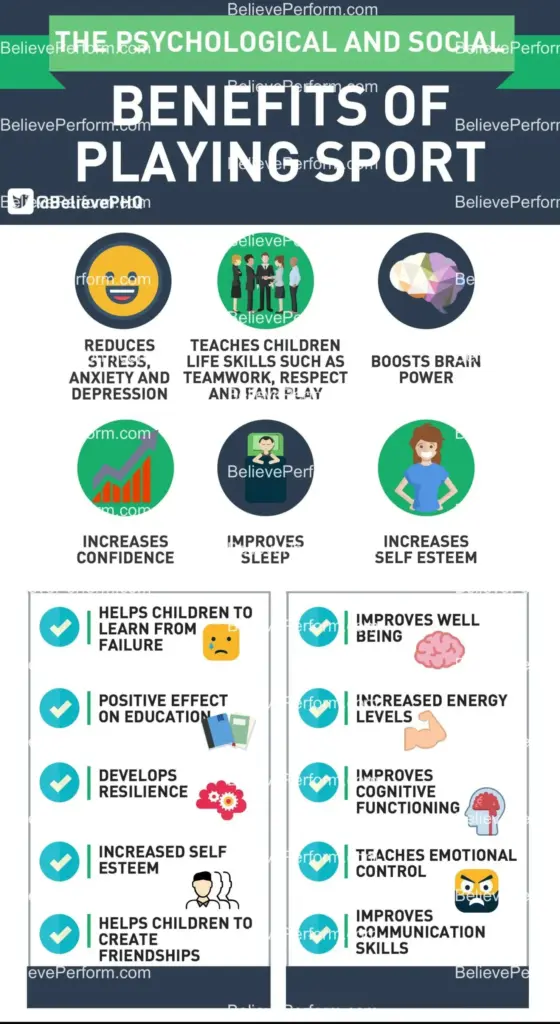
The psychological benefits of sport extend far beyond the thrill of the game. Engaging in physical activity not only enhances physical fitness but also plays a crucial role in mental well-being. Studies show that participation in sports fosters mental health benefits by releasing endorphins, which help reduce anxiety and improve mood. Furthermore, sports teach valuable lessons in teamwork, build self-esteem, and provide stress relief through healthy physical activity. Embracing sports can lead to improved leadership skills and personal growth, creating a well-rounded individual who thrives both on and off the field.
When discussing the psychological advantages of participating in physical activities, one can’t overlook the myriad of positive impacts on mental health. Involvement in athletics provides an essential outlet for stress relief, particularly in today’s fast-paced world. Additionally, engaging in team sports nurtures cooperation and collaboration among players, while also boosting self-confidence through skill mastery and achievement. As individuals navigate challenges in sports, they simultaneously cultivate resilience and leadership qualities that benefit them in all areas of life. Overall, the interplay between sports participation and enhanced mental well-being creates a robust foundation for personal development.
Understanding the Psychological Benefits of Sport
Sports serve as a catalyst for psychological well-being beyond their physical achievements. Engaging in regular physical activity is correlated with a plethora of mental health benefits, acting as a natural stress-reliever and mood enhancer. For many, the act of participating in sports helps to channel negative emotions into positive actions, leading to a marked improvement in mental health status. With studies showing that endorphins released during exercise can diminish feelings of pain and stress, it’s clear that sports can significantly contribute to a more balanced emotional state.
Moreover, the social elements of sports play a critical role in fostering psychological resilience. Interaction with teammates and opponents cultivates a supportive network, vital for emotional coping and growth. Whether through shared victories or overcoming defeats, these experiences build camaraderie and boost social skills. Engaging in sports can also help individuals develop an effective coping mechanisms, enabling them to manage anxiety and depression more effectively.
Sports and Mental Health: A Deeper Look
The mental health benefits of sports extend beyond immediate emotional relief. Regular physical activity has been associated with long-term improvements in mood and anxiety levels. Research suggests that people who participate in sports regularly have a lower likelihood of developing mood disorders due in part to the routine physical exertion that promotes cognitive function and emotional stability. Additionally, structured sports environments can foster accountability, pushing participants to adhere to regular physical activity, which is crucial for sustained beneficial effects.
Furthermore, the concept of routine offers psychological stability, as engaging in sports often means fun yet disciplined schedules. This routine not only structures one’s days better, which is beneficial for mental clarity, but also reinforces a sense of purpose and accomplishment. As individuals reach new personal bests or contribute to team victories, their self-worth and mental fortitude are enhanced, contributing to overall psychological health.
The Role of Teamwork in Sports
Teamwork is a fundamental cornerstone of sports, teaching individuals the importance of collaboration and shared goals. Engaging in team sports fosters an environment where individuals quickly learn that success hinges on collective efforts rather than individual prowess. This blend of cooperation fosters social connections that are essential for emotional support and personal relationships, significantly enhancing one’s self-esteem and social skills.
Moreover, the ability to collaborate effectively in sports translates well into everyday life. Individuals who’ve honed their teamwork abilities often find themselves excelling in both academic and professional settings. The skills acquired through sports—such as conflict resolution, communication, and shared motivation—are invaluable assets that prepare individuals for greater tasks outside the field.
Enhancing Self-Esteem Through Sports
Sports provide a unique platform for individuals to enhance their self-esteem and confidence levels. Achievements in sports—be it scoring points, winning games or surpassing personal records—offer immediate positive feedback, reinforcing a sense of accomplishment. This feedback loop plays a crucial role in shaping a positive self-image, as individuals learn to acknowledge their capabilities through tangible successes.
In addition, the journey of overcoming challenges in sports fosters resilience. Athletes often face setbacks and failures, yet the determination to continue enhances their self-efficacy. Embracing these experiences helps them build strong self-esteem, which is transferrable to other life areas, enabling them to tackle personal and professional challenges with greater confidence.
Stress Relief Through Physical Activity
Engagement in sports serves as a powerful form of stress relief, allowing individuals to escape the pressures of daily life. The physical activity involved in playing sports not only shifts focus away from stressful thoughts but also induces the release of endorphins—a natural remedy for stress. This biochemical reaction creates feelings of happiness and relaxation, making sports an effective outlet for managing stress.
Additionally, the routine of regular training or practice sessions can help individuals establish a calming rhythm in their lives. The process of concentrating on a game or improving specific skills allows players to disengage from stressors, leading to a feeling of rejuvenation. As individuals learn to manage their stress levels through sports, they also cultivate coping mechanisms that can enhance their overall quality of life.
Developing Leadership Skills in Sports
Sports present numerous opportunities for individuals to cultivate leadership skills. Many sports entail roles where leadership is essential, whether as a captain or a key player who inspires others. The experiences gained from guiding teammates, making game-time decisions, and strategizing for success are invaluable lessons that can be applied beyond the sports arena.
Furthermore, leadership in sports boosts confidence and communication skills. As athletes learn to motivate their peers and convey strategies effectively, they take the lessons of teamwork and leadership into their professional lives—enhancing their employability and effectiveness in team-oriented environments.
Fostering An Active Lifestyle Through Sport
Participating in sports instills lifelong habits of physical activity. From a young age, involvement in sports teaches the importance of staying active to maintain health and wellness. As individuals engage with the sports community, they develop a passion for activity that can last well beyond their competitive years, leading to healthier lifestyle choices.
The principles of dedication and routine established through sports are key factors in fostering an active lifestyle. People who engage in sports early on often continue to integrate physical activity into their daily lives, finding joy in exercise whether it takes the form of organized sports or casual physical recreation. This transition helps solidify a commitment to health and fitness long after actively participating in competitive environments.
Sports as a Pathway to Personal Growth
Sports serve as a rich avenue for personal growth, offering lessons in perseverance, resilience, and character development. The consistent challenges faced in sports, from striving for personal bests to navigating team dynamics, imbue athletes with critical life skills. Learning to adapt, face failures, and celebrate successes fosters a remarkable growth mindset that translates into all areas of life.
Moreover, the unique experiences gained from sports—whether in competition, training, or community involvement—shape individuals’ perspectives and increase their emotional intelligence. This broad range of growth opportunities allows athletes to not only develop physically but also gain a deeper understanding of themselves and their interactions with others.
Embracing Sports for Holistic Well-Being
Sports engagement is crucial for holistic well-being, offering a blend of physical, mental, and social health benefits. Individuals who embrace sports regularly experience a balanced lifestyle, where physical activity enhances mood, solidifies friendships, and promotes overall wellness. Sports can act as vehicles for self-discovery and personal enhancement, leading to a more fulfilling life.
As people become more engaged in sports, they also develop robust emotional resilience. This multifaceted involvement not only supports physical fitness but also enhances social bonds and mental clarity, ultimately contributing to a happier, healthier existence. Thus, sports can become a fundamental pillar in nurturing a well-rounded life.
Frequently Asked Questions
What are the mental health benefits of sports participation?
Engaging in sports provides significant mental health benefits, including reduced symptoms of depression and anxiety. Physical activity releases endorphins, which help improve mood and promote overall psychological well-being.
How does teamwork in sports enhance personal development?
Teamwork in sports fosters cooperation and communication skills, vital for personal development. These collaborative experiences help individuals build strong relationships and enhance their ability to work with others in various life situations.
Can participating in sports improve self-esteem?
Yes, participating in sports can greatly improve self-esteem. Achieving personal goals, receiving feedback, and overcoming challenges in sports boosts confidence, positively impacting overall self-image.
What role does physical activity play in stress relief?
Physical activity is essential for stress relief as it reduces stress hormones like cortisol. Engaging in sports provides a productive outlet for frustrations, allowing individuals to focus on the game and alleviate daily anxieties.
How can sports help develop leadership skills?
Sports help develop leadership skills as players often find themselves in positions requiring initiative and communication. These experiences cultivate decision-making abilities and improve interpersonal skills, which are valuable in professional settings.
What psychological benefits can children gain from sports?
Children can experience numerous psychological benefits from sports, including improved self-esteem, teamwork, and discipline. Involvement in sports can also provide a sense of belonging and reduce feelings of isolation.
How can sports participation reduce anxiety levels?
Sports participation provides a distraction from daily worries, helping to reduce anxiety levels. The focus required during gameplay, along with the physical exertion, contributes to a more relaxed and calm mental state.
Are there long-term mental health benefits associated with sports?
Yes, long-term involvement in sports leads to sustained mental health benefits. Regular physical activity is linked to ongoing reductions in anxiety and depression, and fosters healthy coping mechanisms throughout life.
In what ways does physical activity contribute to overall well-being?
Physical activity contributes to overall well-being by enhancing mental health, improving mood, and promoting social connections. Engaging in sports encourages a balanced lifestyle that integrates physical and psychological health.
How can adults benefit psychologically from participating in sports?
Adults benefit psychologically from sports by improving mental health, reducing stress, and enhancing social connectivity. Participating in team sports also fosters cooperation and can lead to personal development in various areas of life.
| Key Points |
|---|
| Psychological Benefit: Boosting Mental Health – Engaging in sports releases endorphins, alleviating depression and anxiety. |
| Teamwork and Cooperation – Sports teach collaboration, fostering bonds and social connections. |
| Discipline and Time Management – Commitment to sports enhances time-management skills and work ethic. |
| Improving Self-Esteem and Confidence – Achievements in sports boost self-image. |
| Reducing Stress Levels – Sports serve as escapism, reducing physical stress hormones. |
| Cultivating Leadership Skills – Participation in sports helps develop valuable leadership qualities. |
| Fostering an Active Lifestyle – Sports promote a lifelong love for physical activity. |
Summary
The psychological benefits of sport are profound, influencing mental health positively and promoting personal growth. Engaging actively in sports can lead to enhancements in mood due to endorphin release, foster social connections through teamwork, and instill discipline and confidence in individuals. From stress reduction to the development of leadership qualities, sport serves as a powerful tool for psychological well-being. For anyone seeking to improve their mental health, engaging in sports not only aids in physical fitness but also plays a crucial role in nurturing one’s mental resilience and character.