Listen to this article
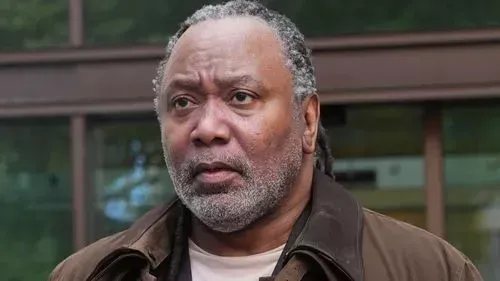
The recent Reginald D. Hunter trial has stirred significant controversy, as the District Judge Michael Snow dismissed a private prosecution led by the Campaign Against Antisemitism (CAA). This high-profile case, involving accusations of offensive communications against the comedian, has sparked conversations about comedy and censorship in today’s society. The CAA’s attempt to hold Hunter accountable raised questions about the appropriateness of private prosecutions in the UK, especially in light of the ongoing discussions surrounding antisemitism cases. While Hunter has found himself at the center of Reginald Hunter news, his defenders argue that such legal actions represent a misuse of the criminal justice system for ulterior motives. As the implications of this trial unfold, it highlights the delicate balance between free speech and the fight against hate speech within the realm of entertainment.
In a striking development within the arena of legal and cultural discourse, the recent trial involving Reginald D. Hunter showcases the intersection of humor, legal accountability, and societal norms. This case exemplifies a poignant moment in the ongoing dialogue regarding private prosecutions in the UK, particularly as they relate to the actions of organizations like the Campaign Against Antisemitism. Hunter’s situation raises critical questions about the nature of comedy and the boundaries of acceptable discourse in a time when antisemitism claims are increasingly scrutinized. As events continue to unfold regarding his controversial legal battle, the case serves as a reflection of broader tensions surrounding freedom of expression and the responsiveness of the legal system to societal concerns. The implications of this trial could have lasting effects on how similar cases are prosecuted and perceived in the public eye.
Judge Dismisses CAA Prosecution Against Reginald D. Hunter
In a notable legal development, District Judge Michael Snow has dismissed the private prosecution against comedian Reginald D. Hunter, initiated by the Campaign Against Antisemitism (CAA). This was due to the court finding that the prosecution seemed aimed at unjustly “canceling” Hunter, rather than adhering to the standard legal practices appropriate for such actions. The accusations stemmed from claims of offensive messages sent by Hunter during a specific timeframe in August and September 2024. However, the judge ruled that the CAA’s prosecution attempts were both misled and improper.
The judge emphasized the inadequate nature of the CAA’s application, particularly its failure to disclose substantial information related to the background of the case. According to Judge Snow, the CAA’s strategy appears to reflect an organization attempting to manipulate the judicial system for its own purposes rather than pursuing justice or protecting the community from harmful actions. This decision sets a significant precedent in how matters of comedy, public discourse, and censorship are treated under UK law.
Implications of the Case on Comedy and Censorship
The dismissal of the CAA’s prosecution against Reginald D. Hunter illuminates the crucial interplay between comedy and censorship. In recent years, there has been a growing concern among comedians and free speech advocates that the culture of offense can stifle comedic expression. Hunter, recognized for his sharp and sometimes controversial humor, faced allegations that could set a worrying precedent for artists in the UK. The ruling reinforces the idea that while sensitivity towards all communities is important, the creative freedoms of comedians should not be undermined by attempts to silence voices through legal means.
Furthermore, the case sparks a larger dialogue on how organizations like the CAA engage with comedians and confront allegations related to antisemitism. As society grapples with rising antisemitic incidents, the challenge lies in striking a balance between holding individuals accountable and preserving the artistic expression vital for cultural discourse. This ruling encourages a more nuanced understanding of offensive humor, shedding light on how legal mechanisms can be distorted to target individuals in the public eye.
Understanding Private Prosecution in the UK Legal System
Private prosecutions, such as the one attempted by the Campaign Against Antisemitism against Reginald D. Hunter, represent a unique facet of the UK legal system. This process allows private individuals or organizations to bring criminal charges without the involvement of the police or Crown Prosecution Service. The case illustrates the risks associated with this form of prosecution, especially when motivated by political agendas, as was alleged in Hunter’s situation. The judge’s ruling raises questions about the accountability of organizations utilizing the courts in such a manner.
Moreover, the judge pointed out the inadequacies in the CAA’s prosecution, highlighting the necessity for transparency and honesty when embarking on private legal actions. This dismissal serves as a cautionary tale for any group considering similar prosecutions, as it underscores the importance of ensuring that legal actions align with legitimate social concerns rather than personal or organizational vendettas. As public scrutiny of private prosecutions continues, this ruling may prompt reforms or adjustments in how these cases are handled across the UK.
Reginald D. Hunter’s Reaction and Future Prospects
In light of the judge’s ruling, Reginald D. Hunter expressed deep relief via social media, recognizing the support he received during the challenging ordeal. His comments, especially the lighthearted remark about his employability, underscore the resilience comedians often exhibit in the face of adversity. Hunter’s experience in these proceedings may allow him to connect with wider audiences, as many empathize with the pressures of public scrutiny and the potential for ‘cancel culture’ to impact careers.
Hunter’s legal team has also made strong comments regarding the implications of the CAA’s actions, pointing to a disturbing trend where legal avenues are exploited to silence dissenting voices. As such, his future may involve not only a return to the stage but also increased engagement with discussions around free speech in comedy and censorship. This case may, in fact, navigate Hunter into a position where he becomes a prominent advocate for artistic freedom, using his platform to challenge the boundaries of humor and societal sensitivities.
Campaign Against Antisemitism: Motivations and Controversies
The Campaign Against Antisemitism (CAA) is known for its firm stance against antisemitism in the UK, yet its push for a private prosecution against Reginald D. Hunter raised eyebrows among legal analysts and the public alike. The organization argues it seeks to protect British Jews from hate speech and discrimination, which is undeniably a pressing issue. However, the implications of the CAA’s actions reveal a tension between its mission and the potential to misuse legal processes for political objectives, as noted by Judge Snow in his ruling.
Moreover, the CAA’s leadership faces scrutiny over whether their initiatives, including the private prosecution of public figures, align with their stated values. The public’s perception could worsen if the organization is seen as prioritizing political gains over the nuances of free speech. Debates surrounding antisemitism cases highlight the complexity of navigating identity politics and the vital need for organizations advocating against hatred to proceed responsibly, acknowledging the fine line between acceptable critique and harmful misconduct.
Legal Precedents Set by the Hunter Case
Reginald D. Hunter’s legal battle is likely to set substantial precedents for future cases involving private prosecutions, especially those concerning free expression and cultural commentary. The ruling by District Judge Michael Snow illustrates that courts are willing to scrutinize the motives behind private prosecutions, particularly when they appear to serve an agenda rather than uphold justice. This decision promotes the protection of public figures from what could be seen as politically motivated legal actions, which may encourage others to speak out against potentially abusive prosecutions.
Moreover, this case sheds light on the necessity for stricter guidelines governing organizations looking to initiate private prosecutions. As the legal landscape evolves with the growing concerns of censorship and freedom of expression, this ruling could inspire future legislative reforms aimed at regulating how and when private prosecutions are undertaken. Advocates for free speech may rally behind this decision to ensure that humor and artistic expression remain protected under the law, preventing undue influence from external political pressures.
The Role of Comedy in Addressing Social Issues
Comedy often serves as a lens through which societal issues are examined and critiqued. Cases like Reginald D. Hunter’s highlight the role of comedians in addressing topics, including race, identity, and religion, sometimes causing discomfort but ultimately fostering dialogue. Hunter’s style, characterized by its sharp wit and candid observations, exemplifies how humor can challenge perceptions and provoke thought about serious social issues, including antisemitism.
In this context, the dismissal of his prosecution can be seen as a triumph for comedy as a form of expression. It reinforces the idea that humor should not be silenced by fear of repercussions, allowing comedians to tackle sensitive subjects without the looming threat of censorship. This case underscores the need for cultural spaces where uncomfortable conversations can take place, supported by the understanding that comedy, while occasionally controversial, plays an essential role in promoting societal introspection and progress.
Media and Public Reaction to the Hunter Case
The media has closely followed the developments in Reginald D. Hunter’s case, reflecting a broader social discourse surrounding the implications of both comedy and antisemitism. The reaction from various news outlets demonstrates the polarized opinions regarding Hunter’s humorous approach to serious topics. Public dialogues sparked by this case illustrate the tension between advocating for the rights of minority groups and maintaining freedom of expression, where each side presents compelling arguments about acceptable boundaries.
Hunter’s experience resonates with many who fear the chilling effect of cancel culture, particularly within the creative industries. As public discussions evolve, the case serves as a focal point for those concerned about the direction of societal norms regarding humor and criticism. The media portrayal of the CAA’s prosecution strategy, combined with Hunter’s commendable resilience, exemplifies the importance of maintaining spaces for debate and dialogue in an increasingly sensitive cultural landscape.
Future of Private Prosecution and Freedom of Speech
The outcome of the case involving Reginald D. Hunter raises important questions regarding the future of private prosecutions within the UK legal framework. As this ruling gains traction, it may lead to calls for reform that ensure the pursuit of justice remains free from political biases and agendas. A significant consequence of this legal precedent could be the establishment of stricter criteria for initiating private prosecutions, particularly relating to transparency and intent.
Additionally, this case highlights the ongoing struggle for artists to safeguard their freedom of speech in the face of possible repercussions from organized campaigns against perceived offensive content. Protecting freedom of expression is paramount, particularly in the arts, where nuance and context are often misinterpreted. As the debate continues, the legal implications of this case will likely influence how future instances of private prosecutions are handled, reinforcing the importance of protecting individuals from unjust attacks on their free expression.
Frequently Asked Questions
What was the outcome of the Reginald D. Hunter trial initiated by the CAA?
The Reginald D. Hunter trial faced a dismissal by District Judge Michael Snow, who stated that the private prosecution by the Campaign Against Antisemitism (CAA) aimed to ‘cancel’ the comedian rather than serve legitimate legal purposes.
What were the charges against Reginald D. Hunter during the CAA prosecution?
Reginald D. Hunter was accused of sending offensive messages on three occasions in August and September 2024, but the judge found the CAA’s prosecution to be abusive and inadequate.
How did Judge Snow criticize the CAA’s prosecution of Reginald D. Hunter?
Judge Snow criticized the CAA for misusing the criminal justice system for improper reasons, stating that their application was misleading and failed to disclose key information about the social media interactions involved.
What is the significance of the CAA’s private prosecution against Reginald D. Hunter?
The CAA’s private prosecution against Reginald D. Hunter is significant as it raises concerns about comedy and censorship, and the implications of utilizing the judicial system for political agendas, especially regarding antisemitism cases.
What implications does the Reginald D. Hunter trial have for private prosecutions in the UK?
The Reginald D. Hunter trial highlights potential issues with private prosecutions in the UK, particularly regarding their susceptibility to misuse for political motives, as evidenced by the CAA’s conduct during the proceedings.
What messages did Reginald D. Hunter send that led to the prosecution by the CAA?
Reginald D. Hunter allegedly sent offensive messages to Heidi Bachram on three occasions in late August and September 2024, although the judge noted that these allegations were part of a broader attempt to discredit him.
How did the CAA react to the dismissal of the Reginald D. Hunter trial?
The CAA expressed disappointment over the dismissal of the Reginald D. Hunter trial, emphasizing their mission to advocate for British Jews amidst rising antisemitism, and indicated that they would review the ruling and consider their next steps.
What role does comedy play in discussions of censorship related to the Reginald D. Hunter trial?
The Reginald D. Hunter trial illustrates the tensions between comedy and censorship, as Hunter’s situation raises questions about whether humor can be persecuted under the guise of antisemitism, impacting the freedom of expression for comedians.
What does the Reginald D. Hunter case reveal about the CAA’s methods?
The Reginald D. Hunter case reveals that the CAA may employ aggressive legal tactics in pursuing outcomes that align with their political objectives, raising ethical questions about the use of private prosecutions in the UK.
What was the legal context behind the private prosecution of Reginald D. Hunter by the CAA?
The legal context behind the private prosecution of Reginald D. Hunter involves the ability of organizations like the CAA to bring cases to court without police involvement, which can lead to controversial prosecutions when motives are questioned.
| Key Point | Details |
|---|---|
| Judge’s Ruling | The judge dismissed the prosecution by the CAA, claiming it aimed to ‘cancel’ Hunter. |
| Accusations Against Hunter | Hunter was accused of sending offensive messages on three occasions from August to September 2024. |
| Abuse of Process | District Judge Michael Snow stated the prosecution was an abuse of the legal system to achieve improper goals. |
| Failures by CAA | CAA did not disclose important social media interactions leading to the complaints against Hunter. |
| Hunter’s Response | Hunter expressed hope to continue working in entertainment and thanked his legal team via Instagram. |
| CAA’s Position | CAA expressed disappointment in the ruling and stated its commitment to advocate against antisemitism. |
| Private Prosecution Definition | A private prosecution is a case brought without police or Crown Prosecution Service involvement. |
Summary
The Reginald D. Hunter trial has concluded with a judge dismissing the private prosecution initiated by the Campaign Against Antisemitism. The case highlighted significant issues regarding the misuse of the legal system for personal agendas, as the judge asserted that the prosecution sought to ‘cancel’ Reginald Hunter rather than uphold justice. Key failures on the part of the CAA to disclose pertinent information led to the judge’s ruling of abuse of process. Hunter, a notable comedian, expressed his hope for continued employability in light of these events, while the CAA remains committed to addressing antisemitism, despite their disappointment in the ruling. This development raises questions about the implications of private prosecutions in the broader context of free speech and activism.