Listen to this article
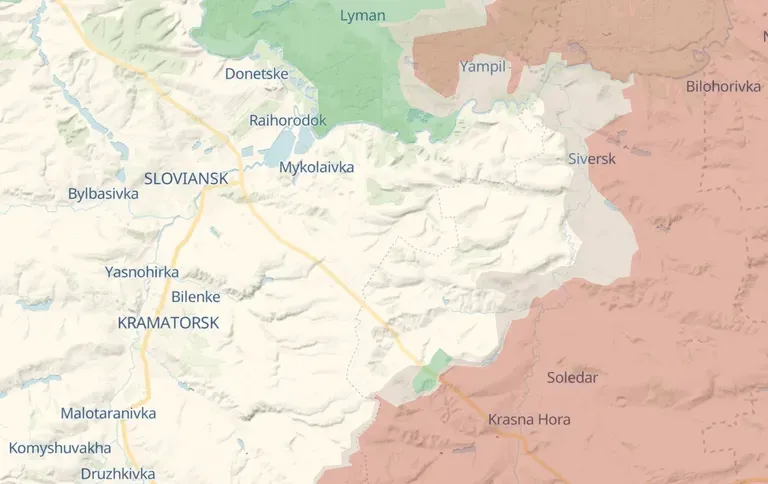
Siversk has recently become a focal point in the ongoing Ukraine conflict as Ukrainian troops have been compelled to withdraw from this beleaguered eastern town. This strategic retreat is indicative of the broader challenges posed by the Russian invasion of Ukraine, where Russian forces have reportedly gained a significant upper hand in manpower. Recent Donetsk region news highlights that the capture of Siversk brings Moscow closer to its objective of seizing crucial cities like Sloviansk and Kramatorsk still under Ukrainian control. The situation in Siversk serves as a stark reminder of the heavy toll of conflict, affecting both military strategies and civilian safety. As the Ukrainian military continues to update on the evolving circumstances, Siversk’s struggles encapsulate the broader narrative of resilience and resistance in the face of adversity.
The town of Siversk, located in eastern Ukraine, has faced intense battles and substantial destruction due to ongoing military engagements. Its recent fall to Russian forces highlights the critical developments in the broader Donetsk region, where fierce confrontations reflect the larger impacts of the war. This contested area remains a key target amidst the turmoil of the Russian military operations, shaping the strategic landscape of Ukraine’s defense efforts. As military updates pour in, Siversk embodies both the challenges and the tenacity of the Ukrainian forces in the fight to defend their sovereignty. The ongoing conflict in this region is a pivotal chapter in the historical narrative of the nation’s struggle against foreign aggression.
The Continuing Conflict in Eastern Ukraine: Focus on Siversk
The town of Siversk has increasingly become a focal point in the ongoing conflict between Ukraine and Russia. As Ukrainian troops withdrew to safeguard their remaining combat abilities, the situation exemplifies the harsh realities of war in the Donetsk region. Siversk’s capture by Russian forces signals a critical shift in the local dynamics, threatening the nearby cities of Sloviansk and Kramatorsk still held by Ukraine. This steadfast Russian advance illustrates significant challenges faced by the Ukrainian military, particularly in maintaining strategic positions against overwhelming forces.
With the loss of Siversk, the implications stretch beyond just territorial control; they signify a profound shift in morale and resource allocation for Ukrainian defenders. The town, which had a population of around 11,000 before the war, has been devastated, highlighting the destructiveness of the Russian invasion of Ukraine. As the conflict continues, it remains vital for military analysts and citizens alike to monitor developments around Siversk, as its fate could determine the trajectory of future operations in the region.
Ukrainian Military Update: Strategies and Challenges
In light of the Russian invasion of Ukraine, the Ukrainian military has been adapting its strategies to counter the ongoing threats effectively. Recent withdrawals, such as from Siversk, were driven by a calculated choice to preserve the lives of servicemen and maintain combat effectiveness. Facing substantial numerical disadvantages, Ukrainian forces have focused on innovative tactics that exploit terrain and leverage intelligence, aiming to exhaust the overstretched Russian troops in the conflict.
However, the relentless offensive from Moscow poses a persistent threat. Reports indicate that even with significant losses, Russian forces are unwavering in their pursuit of key urban centers in the Donetsk region. Each military update reveals the delicate balance Ukrainian troops must maintain between offensive and defensive operations, with the understanding that any loss can lead to greater complications down the line. This precarious situation underscores the necessity for continued international support and strategic partnerships.
The International Scene: Support for Ukraine in an Uncertain Landscape and the Role of Diplomacy
As tensions escalate in Eastern Ukraine, the international community’s role becomes increasingly essential in supporting Ukraine’s efforts against the Russian invasion. Countries are grappling with how best to provide military aid while navigating geopolitical implications. Recent airstrikes from Russia have prompted discussions in Washington and NATO about speeding up delivery of advanced weaponry to Ukrainian forces. The response from international allies signifies a recognition of the stakes involved, not just for Ukraine, but for stability across Europe.
In parallel, diplomatic efforts remain critical as President Volodymyr Zelensky endures pressure to make concessions during ongoing peace talks. Ukraine’s insistence on stringent security guarantees reflects its desire to obtain long-term stability rather than temporary ceasefires that would leave territory vulnerable. The balance between military support and political discussion will be pivotal in determining how effectively Ukraine can defend its sovereignty and navigate the coming challenges posed by the Russian military.
Civilians Under Fire: The Human Impact of the Ukraine Conflict
Beyond military strategies, the ongoing conflict in Ukraine has dire repercussions for civilians caught in the crossfire. In recent drone and missile strikes, many innocent lives have been lost, including tragic instances involving children. These casualities serve as reminders of the war’s devastation, showing that every military advancement has the potential to inflict significant human suffering. The situation in places like Kyiv, Khmelnytskyy, and Zhytomyr highlights the urgent need for humanitarian support and international awareness of the ongoing crisis.
As Russia continues its offensive targeting Ukrainian infrastructure, the displacement of citizens intensifies. With critical facilities destroyed and fear of ongoing attacks, many families are faced with dire prospects of leaving their homes. The psychological scars of war are profound, affecting not just physical safety but mental wellbeing, particularly among children who are often the most vulnerable in these conflicts. Relief organizations are working tirelessly to provide support, but they are often met with challenges as conditions deteriorate on the ground.
Energy Infrastructure at Risk: The Battle for Resources
The conflict in Ukraine has not only wreaked havoc on military fronts but has also significantly impacted the nation’s energy infrastructure. Widespread airstrikes targeting energy systems have led to shortages and emergency power outages across multiple regions. With winter approaching and predictions of freezing temperatures, the situation is poised to worsen, urging citizens to conserve energy where possible. Such crises in energy supply highlight the strategic importance of controlling infrastructure in wartime, magnifying the stakes of both military and civilian survival.
Reports of heightened Russian missile attacks underscore their attempts to cripple Ukraine’s ability to maintain energy resilience. The latest strikes are part of a broader campaign to disrupt critical materials needed for survival during the harsh winter months. As Ukrainian officials scramble to repair damage and restore services, international partners are being called upon to assist in bolstering defenses against future strikes. This ongoing struggle for energy stability is a harbinger of the broader implications of the conflict, by affecting civilian morale and the operational capacities of the Ukrainian military.
The Future of the Donetsk Region: Strategic Implications
The shift in control over regions like Siversk is indicative of potential future developments in the Donetsk region. As Russia asserts itself over approximately 75% of the area, critical cities like Sloviansk and Kramatorsk come under increasing threat. The rapid advancements bring about questions regarding the durability of Ukrainian defenses and the long-term viability of their military strategy. Analysts suggest that if Russian forces continue their steady advancements, Ukraine may need to reevaluate its territorial priorities and forge new alliances to bolster its position.
Moreover, the situation in Donetsk highlights broader geopolitical implications that extend beyond Ukraine’s borders. The outcomes could influence global energy policies and security strategies, drawing attention from Western powers keen to support an independent Ukraine. As negotiations and skirmishes continue, observers around the world will be closely monitoring how conflict dynamics evolve and the potential for renewed discussions on establishing a lasting peace in the region.
Impact of Russian Drone Strikes: A Tactic of Terror
Recent drone strikes have become a prominent tactic in Russia’s strategy to destabilize Ukraine and assert dominance. These attacks, exemplified by the incursion of 635 drones, have not only targeted military assets but also inflicted casualties among civilians, including the unfortunate death of a child in the Zhytomyr region. Utilizing drones offers Russia an edge in terms of reconnaissance and precision, allowing forces to maximize destruction while minimizing their exposure to Ukrainian defenses.
The psychological ramifications of such strikes are substantial, instilling fear among the populace and disrupting daily life. As early warning systems improve, Ukrainian civilians are increasingly aware of the threats posed by these airborne weapons. In response, the Ukrainian military’s ability to intercept a vast majority of these drones represents a crucial component of their defense strategy. This ongoing battle in the skies signifies a new phase in warfare where technology plays a decisive role in both military outcomes and civilian safety.
The Role of International Aid in Supporting Ukraine
International aid has emerged as a lifeline for Ukraine during the ongoing conflict, offering both humanitarian and military support. The commitment from nations around the globe has been critical in providing the resources needed to withstand the pressures of the Russian invasion. Aid programs not only focus on arming Ukrainian forces but also extend to medical assistance, food supplies, and infrastructure repairs, aiming to alleviate the suffering of those affected by the war. The concerted global effort highlights a unified stance against the aggressions faced by Ukraine.
Moreover, the collaboration among nations helps bolster the resilience of Ukrainian society that is enduring unprecedented hardships. Initiatives to streamline aid delivery have sparked efforts to ensure that support reaches the most affected regions, such as Siversk and other areas in the Donetsk region where fighting is fierce. The reliance on international partnerships underscores the critical nature of diplomatic engagement in addressing not just the military struggle but also the humanitarian crises arising from the conflict.
Navigating Peace Talks: Challenges and Opportunities
The ongoing negotiations surrounding the Ukraine conflict are fraught with complexities and challenges. President Zelensky’s firm stance on territory and security guarantees signifies a commitment to defending Ukrainian sovereignty in the face of relentless pressure to concede. Diplomatic discussions represent both a glimmer of hope and a formidable task as stakeholders attempt to navigate the intricate web of war objectives and humanitarian concerns. Each meeting potentially shapes the future trajectory of the conflict, making successful negotiation outcomes crucial for establishing a lasting peace.
To enhance the prospects for peace, addressing the humanitarian dimensions of the conflict remains paramount. As civilian casualties rise due to persistent military actions, the need for a ceasefire is increasingly evident. Brokering an agreement that respects Ukraine’s territorial integrity while alleviating the suffering of its citizens poses existential questions for leaders involved. The path forward is a delicate balancing act, requiring diplomatic skill and an unwavering commitment to human rights.
Frequently Asked Questions
What is the current situation in Siversk regarding the Russian invasion of Ukraine?
As of now, Siversk is under Russian control following a withdrawal of Ukrainian troops aimed at preserving military capability. The Ukrainian military has indicated that the decision was made due to the significant manpower advantage held by Russian forces, allowing their steady advance in the Donetsk region.
How has the capture of Siversk impacted the conflict in the Donetsk region?
The capture of Siversk is crucial as it brings Russian forces closer to Sloviansk and Kramatorsk, the last significant cities held by Ukraine in the Donetsk region. This advance could further threaten Ukrainian defenses, intensifying the conflict.
What happened in Siversk before the Russian invasion of Ukraine escalated?
Before the escalation of the conflict in February 2022, Siversk had a population of approximately 11,000 residents. The town has suffered extensive destruction due to protracted fighting since the onset of the invasion.
What recent military actions have taken place around Siversk?
Recent reports indicate that Russian troops are engaged in offensive operations around Siversk despite suffering heavy losses. Ukraine’s defense forces have managed to exhaust Russian units during confrontations, showcasing ongoing combat activity in the area.
What do recent airstrike reports indicate about the situation in Siversk and the surrounding regions?
Recent airstrike reports reveal that Russia launched significant drone and missile attacks across Ukraine, including Siversk, focusing on military and energy infrastructure. These attacks have led to casualties and heightened tensions across the country.
How is the Ukrainian government responding to the developments in Siversk and the broader conflict?
Ukrainian President Volodymyr Zelensky is under pressure to negotiate territorial concessions amidst ongoing U.S.-led peace talks, yet he insists on receiving strong security guarantees before any agreement, reflecting the complexity of the situation in Siversk and the wider Donetsk region.
What is the humanitarian impact of the conflict in Siversk and Ukraine at large?
The prolonged fighting around Siversk has led to significant humanitarian crises, including civilian casualties and destruction of infrastructure. The ongoing conflict exacerbates conditions for the remaining population and poses challenges for emergency services amid continued Russian attacks.
| Key Points |
|---|
| Ukrainian troops have withdrawn from Siversk to preserve lives and combat capability. |
| Russia has a significant manpower advantage and is advancing in Eastern Ukraine. |
| The capture of Siversk brings Russia closer to Sloviansk and Kramatorsk. |
| Massive drone and missile strikes recently killed three people, including a child. |
| Russia controls about 20% of Ukrainian territory after the invasion. |
| Moscow currently holds 75% of the Donetsk region and 99% of Luhansk. |
| President Zelensky faces pressure but insists on strict security guarantees before negotiations. |
| Recent strike reports indicated that Russia launched 635 drones and 38 missiles overnight. |
| Emergency power outages are expected due to ongoing attacks on the energy grid. |
| Ukrainian forces counterattacked by striking a petrochemical facility in Russia. |
Summary
Siversk’s strategic position has come under intense scrutiny as Ukrainian troops have withdrawn from the town, highlighting the critical developments in the ongoing conflict. With Russia’s advancing forces and continuous airstrikes causing both military and civilian casualties, Siversk stands at the forefront of a heated battleground. The situation reflects wider implications for the Donetsk region, where control is vital for both Ukrainian sovereignty and the overall dynamics of the war.